
Overview
Diagnosis
Diagnosing Rett syndrome involves close monitoring of a child’s growth, development and medical history. The diagnosis is often considered when slowed head growth, loss of skills or regression of developmental milestones becomes noticeable. Because Rett syndrome shares features with other conditions, ruling out these possibilities is an essential part of evaluation.
Before confirming Rett syndrome, other potential causes for similar symptoms must be excluded. Conditions that may appear similar include other genetic disorders, autism spectrum disorder, cerebral palsy, hearing or vision impairments, metabolic disorders such as phenylketonuria, degenerative disorders and brain-related issues caused by trauma, infection or prenatal damage.
The specific tests needed depend on the child’s symptoms. These may include:
-
Blood tests
-
Urine tests
-
Imaging tests such as MRI or CT scans
-
Hearing assessments
-
Eye and vision exams
-
EEG tests to study brain activity
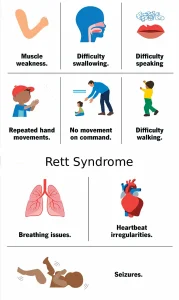
A diagnosis of classic Rett syndrome relies on core symptoms that typically begin between 6 and 18 months of age. These include partial or complete loss of purposeful hand skills, loss of spoken language, mobility problems and repetitive, purposeless hand movements such as wringing, squeezing, clapping, tapping or placing hands in the mouth. Additional common symptoms help support the diagnosis. Atypical Rett syndrome may present with the same symptoms but with different degrees of severity.
Genetic testing may be used to confirm the diagnosis. A small sample of blood is drawn and sent to a laboratory to analyze the DNA. Testing for changes in the MEPC2 gene provides confirmation and can offer insight into the cause and severity of the disorder. Genetic counseling can help families understand the results and their implications.
Treatment
There is no cure for Rett syndrome, but treatment focuses on managing symptoms and supporting overall development. These strategies can help improve communication, mobility and social participation. Care and support are lifelong needs, and a coordinated team approach is often required.
Treatments that may help children and adults with Rett syndrome include:
-
Regular medical care to manage symptoms and monitor issues such as scoliosis, gastrointestinal problems and heart-related concerns
-
Medications to help manage seizures, muscle stiffness, breathing difficulties, sleep disturbances, gastrointestinal symptoms or heart problems
-
Physical therapy to support mobility, improve positioning and balance, enhance walking abilities, and address scoliosis or joint concerns with braces or casts
-
Occupational therapy to improve hand function for daily activities such as feeding and dressing, including the possible use of splints to limit repetitive movements
-
Speech-language therapy to support nonverbal communication and social interaction
-
Nutritional support through a high-calorie, well-balanced diet and feeding strategies to reduce choking or vomiting, with gastrostomy feeding used when needed
-
Behavioral interventions to improve sleep habits and address behavioral challenges
-
Support services such as early intervention, school assistance, social programs and job training to help with participation in education, work and community life
These combined approaches help support quality of life and maximize independence for individuals living with Rett syndrome.
Advertisement
