
Overview
Diagnosis
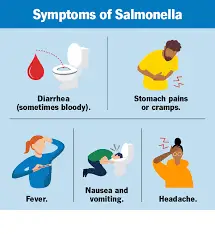
Diagnosis of salmonella infection typically begins with an assessment of symptoms. Many people show clear signs such as diarrhea, fever, and stomach cramps, which help guide initial evaluation. A stool sample test can confirm the presence of salmonella bacteria. However, results often return after symptoms have already improved. In certain cases, especially when a bloodstream infection is suspected, a blood test may be needed to check for the bacteria.
Treatment
Most people recover from salmonella infection within a few days to a week without specific medical treatment. Staying well hydrated is an essential part of recovery, as the infection can cause significant fluid loss.
Treatment mainly focuses on preventing and treating dehydration. Drinking plenty of fluids helps replace water and electrolytes. When dehydration becomes severe, emergency care or hospitalization may be required so that fluids can be provided intravenously.
A healthcare provider may recommend certain medications depending on the severity of symptoms. Anti-diarrheal medicines such as loperamide may help ease cramping, but they can prolong diarrhea in some cases. Antibiotics may be used when the infection is severe, when bacteria are suspected to be in the bloodstream, or when someone has a weakened immune system.
Antibiotics are not routinely recommended for most salmonella infections. They may prolong the time a person carries the bacteria and may increase the risk of recurrence. For many people, rest and fluid replacement are the most effective steps toward recovery.
Advertisement
