
Overview
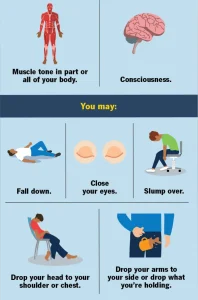
Seizures are episodes of abnormal electrical activity in the brain that can affect behavior, movement, awareness, or sensations. They can vary widely in appearance and severity, ranging from brief lapses in attention to intense convulsions involving the whole body.
A single seizure does not always indicate a chronic condition. Seizures may occur due to temporary triggers such as fever, infection, or head injury, or they may be part of a long-term neurological disorder such as epilepsy. Proper evaluation is essential to determine the cause and guide management.
Symptoms
Seizure symptoms depend on the type of seizure and the areas of the brain involved.
Common symptoms include:
-
Sudden loss or alteration of awareness
-
Staring spells
-
Uncontrolled jerking movements of the arms or legs
-
Muscle stiffness
-
Sudden falls
-
Confusion or disorientation
-
Loss of consciousness
-
Unusual sensations such as tingling, flashing lights, or strange smells
-
Changes in emotions or behavior before the episode
After a seizure, some individuals may experience fatigue, headache, confusion, or memory loss.
Causes
Seizures occur when normal brain electrical activity is disrupted. In many cases, an underlying cause can be identified.
Common causes include:
-
Epilepsy
-
Head injury or trauma
-
Brain infections
-
Stroke
-
Brain tumors
-
High fever, especially in children
-
Low blood sugar or electrolyte imbalance
-
Alcohol or drug withdrawal
-
Genetic conditions
-
Lack of oxygen to the brain
In some individuals, no clear cause is found.
Risk Factors
Certain factors increase the likelihood of experiencing seizures.
Risk factors include:
-
Family history of seizures or epilepsy
-
Brain injury or surgery
-
Stroke or vascular disease
-
Central nervous system infections
-
Developmental or genetic disorders
-
High fever in infancy or childhood
-
Substance misuse
Risk varies depending on age, medical history, and environmental exposures.
Complications
Seizures can lead to complications, especially if they are frequent, severe, or untreated.
Possible complications include:
-
Injuries from falls or accidents
-
Difficulty with learning or memory
-
Emotional or psychological distress
-
Restrictions on driving or certain occupations
-
Status epilepticus, a prolonged or repeated seizure emergency
-
Increased risk of sudden unexpected death in severe seizure disorders
Effective seizure control helps reduce these risks.
Prevention
Not all seizures can be prevented, but certain measures can lower the risk and reduce recurrence.
Preventive strategies include:
-
Taking prescribed medications consistently
-
Avoiding known seizure triggers
-
Managing stress and maintaining regular sleep patterns
-
Avoiding excessive alcohol or recreational drug use
-
Treating infections and medical conditions promptly
-
Using protective measures to prevent head injuries
-
Attending regular medical follow-ups
Early diagnosis, adherence to treatment, and lifestyle adjustments play a crucial role in preventing seizure-related complications and improving overall quality of life.
Advertisement
