
Overview
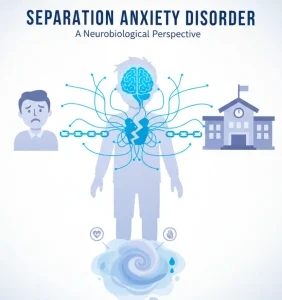
Separation anxiety disorder is a mental health condition characterized by excessive and persistent fear or anxiety about being separated from attachment figures such as parents, caregivers, or loved ones. While separation anxiety is a normal part of early childhood development, it becomes a disorder when the fear is intense, lasts longer than expected for the individual’s age, and interferes with daily functioning.
Although commonly diagnosed in children, separation anxiety disorder can also occur in adolescents and adults. Early recognition and appropriate treatment can significantly improve emotional well-being and daily functioning.
Symptoms
Symptoms of separation anxiety disorder are more severe than typical developmental anxiety and persist over time.
Common symptoms include:
-
Excessive distress when anticipating or experiencing separation from loved ones
-
Persistent worry about losing attachment figures or harm coming to them
-
Fear of being alone or without trusted people
-
Refusal or difficulty going to school, work, or other activities due to separation fear
-
Nightmares involving separation
-
Difficulty sleeping without being near a caregiver or loved one
-
Physical symptoms such as headaches, stomachaches, nausea, or vomiting during separation
-
Clinging behavior or repeated reassurance seeking
Symptoms may worsen during times of stress or change.
Causes
Separation anxiety disorder usually develops from a combination of emotional, environmental, and biological factors.
Common contributing causes include:
-
Temperamental sensitivity to anxiety
-
Strong attachment patterns combined with difficulty coping independently
-
Stressful life events such as illness, loss, relocation, or family conflict
-
Overprotective caregiving styles
-
Past traumatic separation experiences
-
Genetic vulnerability to anxiety disorders
No single cause is responsible, and multiple factors often interact.
Risk Factors
Certain factors increase the likelihood of developing separation anxiety disorder.
Risk factors include:
-
Family history of anxiety or mood disorders
-
Traumatic experiences involving separation or loss
-
Major life changes or instability
-
Chronic illness in the individual or a loved one
-
High levels of stress within the family or environment
-
Limited opportunities to develop independent coping skills
The disorder can begin in childhood or emerge later in life.
Complications
If left untreated, separation anxiety disorder can lead to significant emotional, social, and functional difficulties.
Possible complications include:
-
Academic or work-related problems
-
Social withdrawal or isolation
-
Development of other anxiety disorders
-
Depression
-
Reduced independence
-
Strained family or interpersonal relationships
-
Lower overall quality of life
Early intervention helps prevent long-term psychological impact.
Prevention
Separation anxiety disorder cannot always be prevented, but certain strategies can reduce risk and support healthy emotional development.
Preventive measures include:
-
Encouraging gradual independence appropriate for age
-
Maintaining consistent routines
-
Providing reassurance without reinforcing avoidance behaviors
-
Teaching coping and problem-solving skills
-
Supporting emotional expression and communication
-
Addressing stressors and life changes promptly
-
Seeking professional help early when anxiety becomes persistent or disruptive
With timely support, structured therapy, and family involvement, individuals with separation anxiety disorder can learn to manage anxiety effectively and build confidence in independent functioning.
Advertisement
