
Overview
Sepsis is a life-threatening medical emergency that occurs when the body has an extreme and dysregulated response to an infection. Instead of fighting the infection in a controlled way, the immune response triggers widespread inflammation that can damage tissues and organs. Sepsis can progress rapidly and may lead to septic shock, organ failure, and death if not treated promptly.
Sepsis can develop from infections in any part of the body, including the lungs, urinary tract, abdomen, skin, or bloodstream. Early recognition and immediate medical treatment are critical for survival.
Symptoms
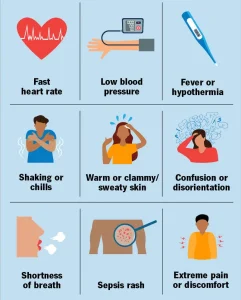
Symptoms of sepsis can vary depending on the severity and the underlying infection, but they often appear suddenly and worsen quickly.
Common symptoms include:
-
Fever or abnormally low body temperature
-
Rapid heart rate
-
Rapid or difficult breathing
-
Confusion, disorientation, or altered mental state
-
Extreme weakness or fatigue
-
Chills or shivering
-
Low blood pressure
-
Decreased urine output
-
Pale, cool, or mottled skin
In severe cases, symptoms may progress to shock, with loss of consciousness and multiple organ dysfunction.
Causes
Sepsis is caused by the body’s overwhelming response to an infection.
Common sources of infection include:
-
Pneumonia and other lung infections
-
Urinary tract infections
-
Abdominal infections
-
Skin or wound infections
-
Bloodstream infections
-
Infections related to medical devices or procedures
Bacteria are the most common cause, but viruses, fungi, and parasites can also trigger sepsis.
Risk Factors
Certain individuals are at higher risk of developing sepsis.
Risk factors include:
-
Older age or very young age
-
Weakened immune system
-
Chronic medical conditions such as diabetes, kidney disease, or cancer
-
Recent surgery or hospitalization
-
Severe injuries or burns
-
Use of invasive medical devices
-
Pregnancy
-
Poor nutrition
People with multiple risk factors are especially vulnerable.
Complications
Sepsis can lead to serious and long-lasting complications, even in those who survive the initial illness.
Possible complications include:
-
Septic shock
-
Failure of organs such as the kidneys, lungs, heart, or liver
-
Blood clotting disorders
-
Amputation due to tissue damage
-
Cognitive impairment or memory problems
-
Chronic pain or fatigue
-
Increased risk of future infections
-
Death
Recovery may take weeks or months, and some individuals experience long-term health effects.
Prevention
While not all cases of sepsis can be prevented, the risk can be reduced through prompt infection control and general health measures.
Preventive steps include:
-
Seeking early medical care for signs of infection
-
Completing prescribed antibiotic courses as directed
-
Practicing good hygiene, including regular handwashing
-
Keeping vaccinations up to date
-
Proper wound care and infection prevention
-
Managing chronic illnesses effectively
-
Following infection control measures during hospital stays
Early recognition of infection symptoms and rapid medical intervention are the most effective ways to prevent sepsis and reduce its life-threatening complications.
Advertisement
