Yeast Infection (Vaginal)

admin

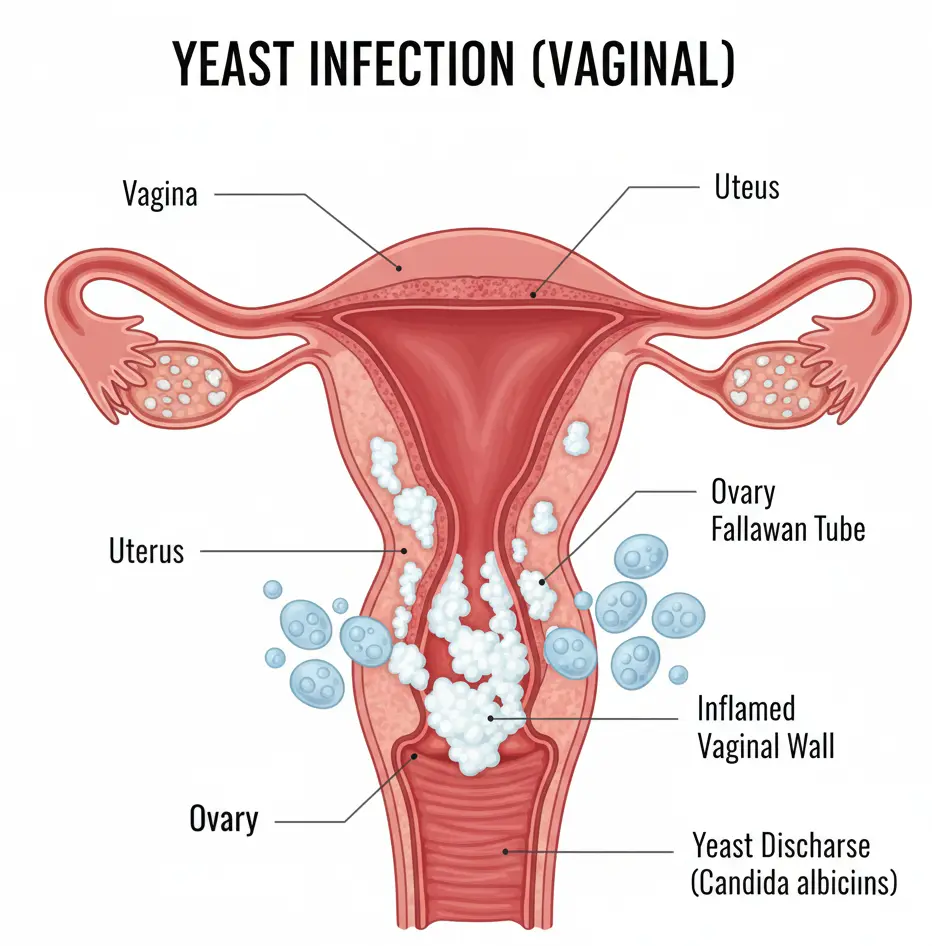
Diagnosis To diagnose a yeast infection, a healthcare professional begins by asking about your medical history, including any previous vaginal infections or sexually transmitted infections. A pelvic exam is then performed to check the outer genital area and the inside of the vagina and cervix using a speculum, which gently holds the vaginal walls open for better visibility. During the …
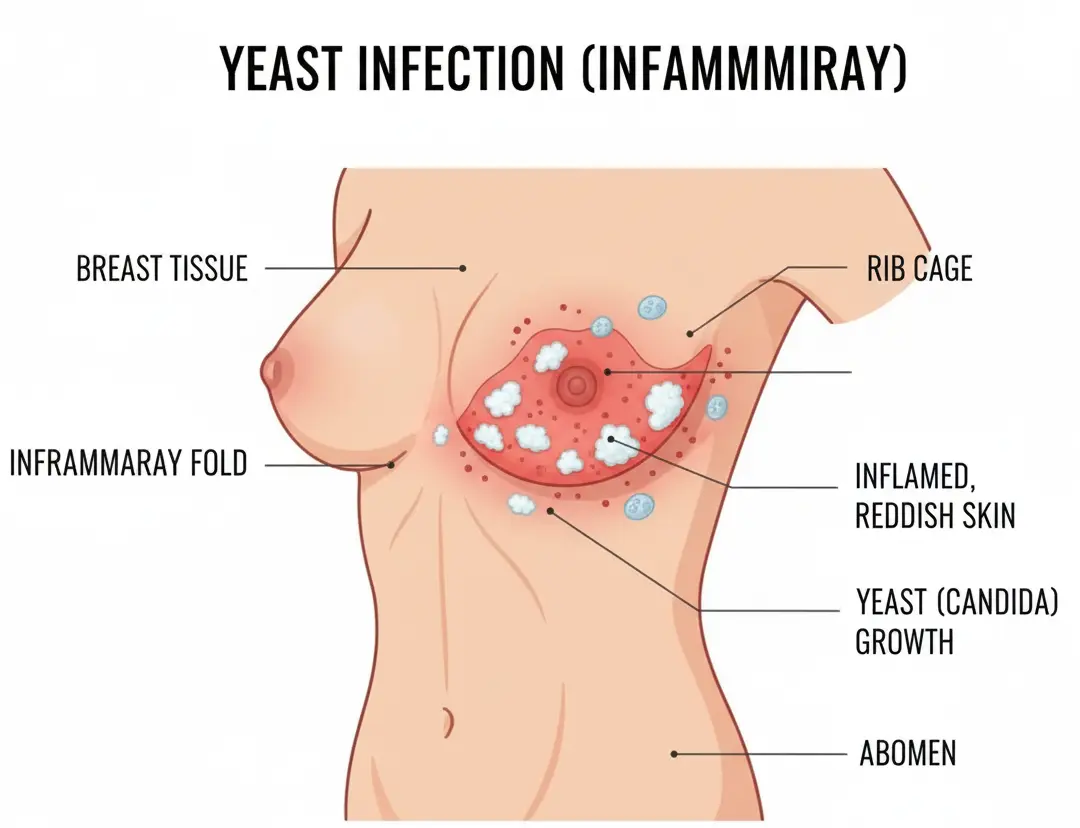
Yeast Infection Under Breast

admin

Diagnosis To diagnose a yeast infection under the breast, a healthcare professional begins by examining the skin folds for common signs such as redness, itching, burning, or a moist rash with small bumps. The area may also have a musty odor or appear cracked and painful. If the diagnosis isn’t clear, your healthcare professional may perform tests such as: Skin …

Yeast Infectionface

Yeast Infection on Face

admin

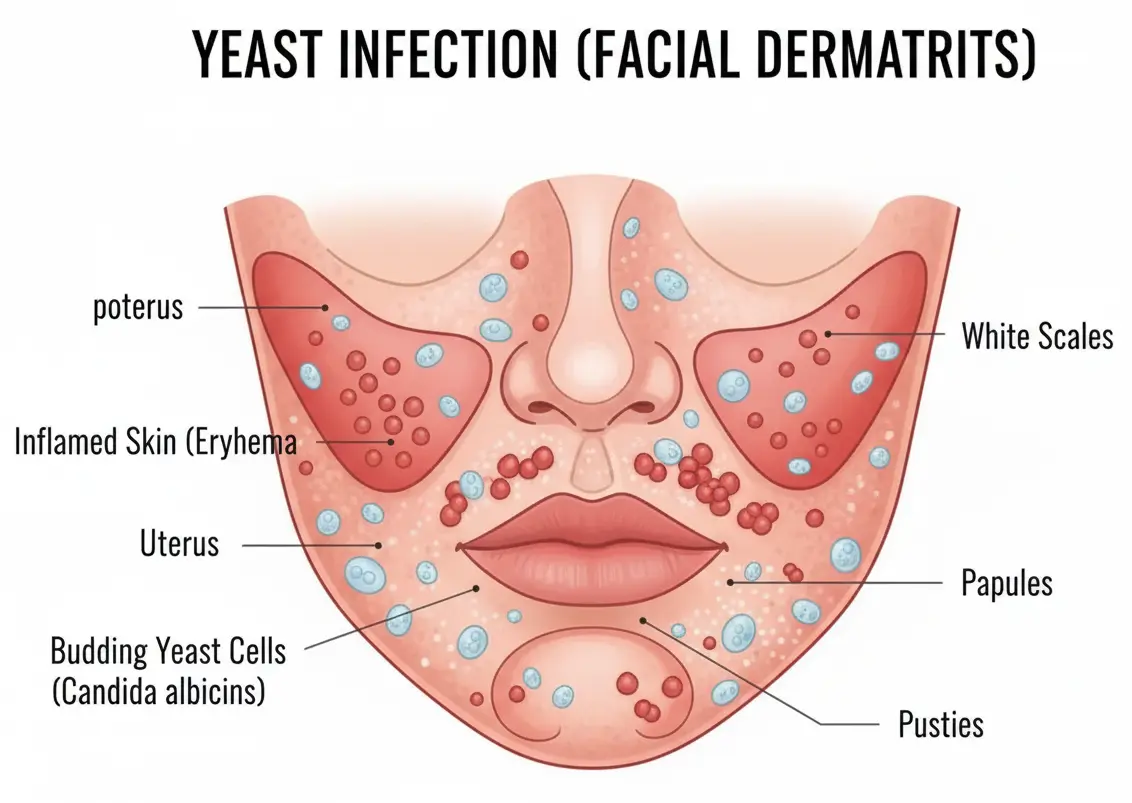
Diagnosis To diagnose a yeast infection on the face, a healthcare professional begins with a physical examination of the affected skin. They look for telltale signs such as redness, itching, small bumps, or flaky patches, especially in oily or moist areas like around the nose, mouth, and forehead. If the diagnosis is unclear, additional tests may be done, such as: …

Yeast Diaper Rash

admin

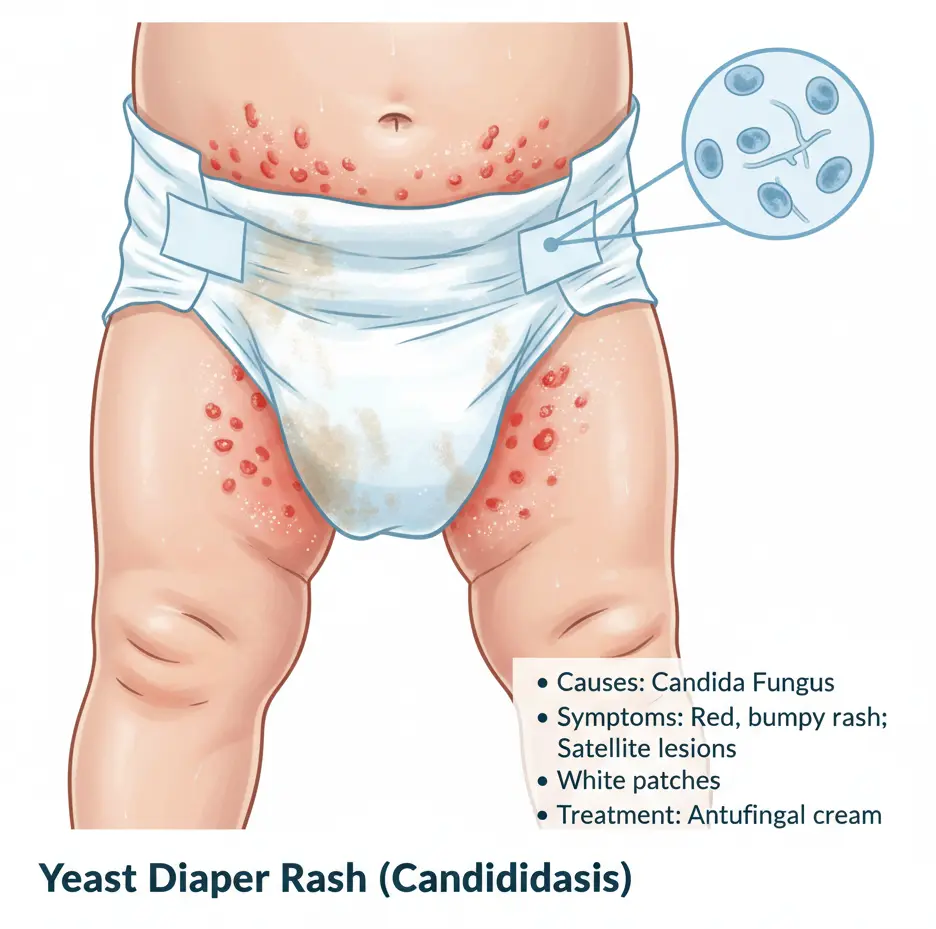
Diagnosis Yeast diaper rash is diagnosed through a physical examination by a healthcare professional. The provider looks for characteristic signs such as a bright red rash with well-defined borders, often involving skin folds around the diaper area. Small red bumps or satellite lesions extending beyond the main rash are also typical of yeast infections caused by Candida albicans. In some …

Yaws

admin

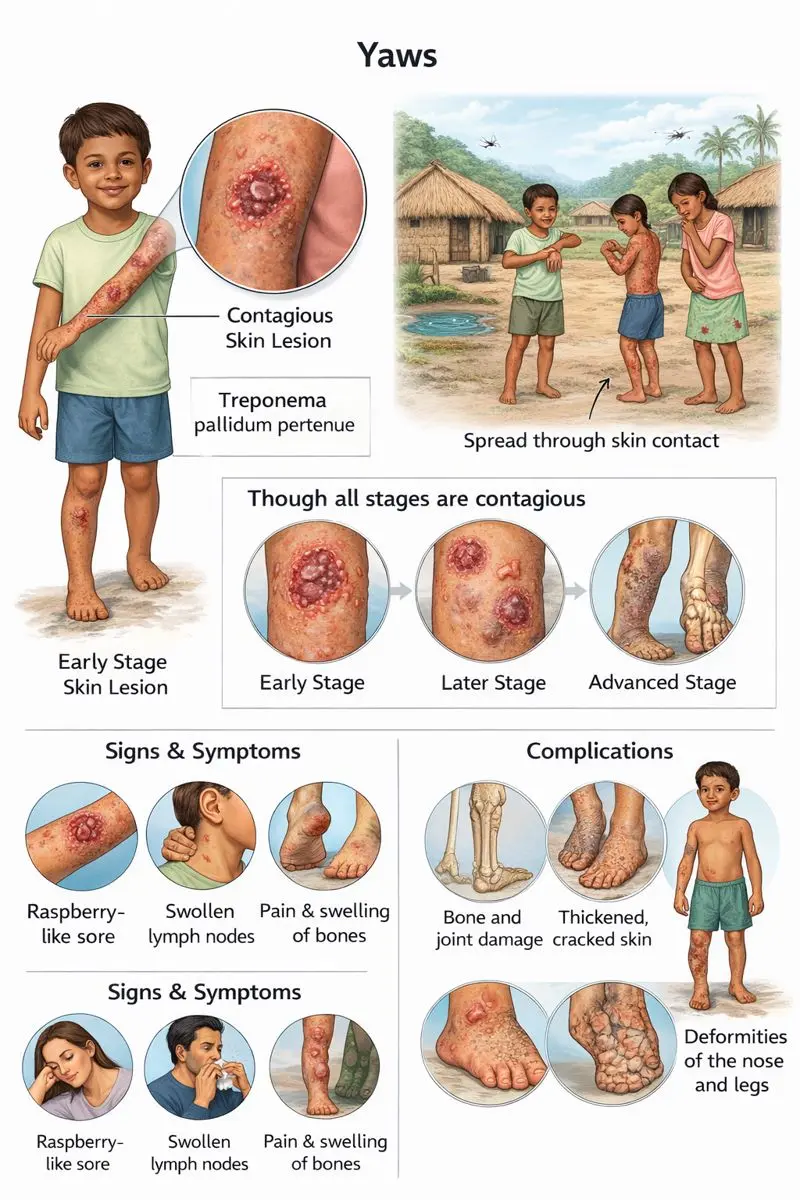
Diagnosis Yaws is diagnosed based on a combination of clinical evaluation and laboratory testing. A healthcare professional examines the characteristic skin lesions—initially a papillomatous or ulcerative sore, often called the “mother yaw.” These lesions usually appear on the legs, arms, or face and are highly contagious in the early stages. To confirm the diagnosis, blood tests are performed, including nontreponemal …

Zellweger Syndrome

admin

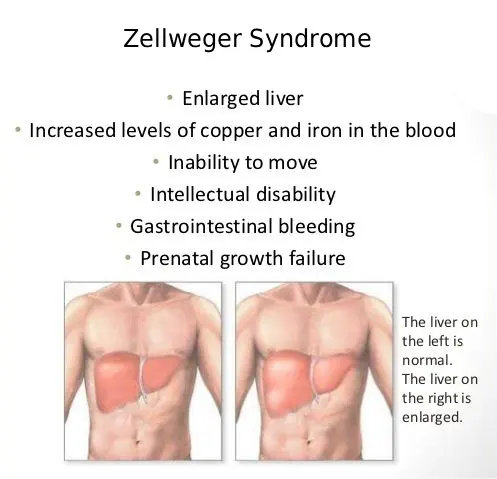
Diagnosis Diagnosis of Zellweger syndrome is typically made in early infancy based on clinical symptoms, laboratory findings, and genetic testing. Healthcare professionals use a combination of physical examination and specialized tests to confirm the disorder. Common diagnostic approaches include: Physical examination to identify features such as poor muscle tone, feeding difficulties, seizures, and distinct facial characteristics. Blood and urine tests …

Zika Virus

admin

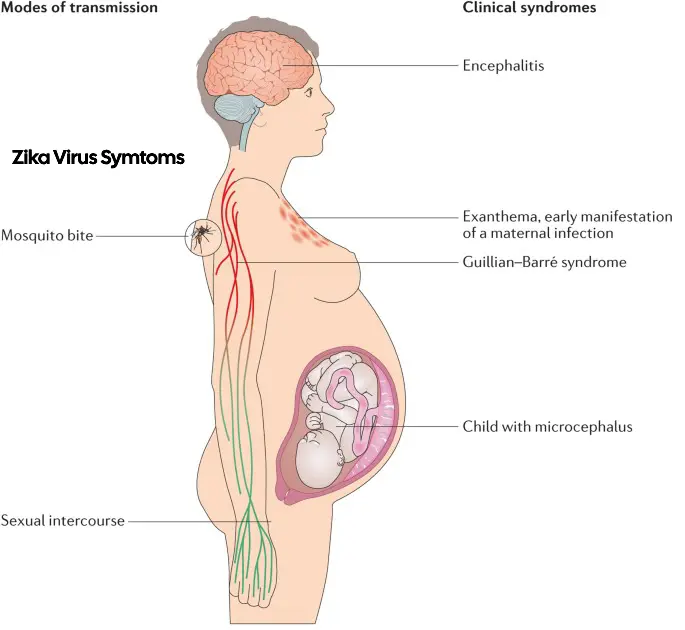
Diagnosis Diagnosing Zika virus infection involves evaluating symptoms, travel history, and possible exposure to mosquitoes that transmit the virus. Because Zika symptoms are often mild and similar to other infections like dengue or chikungunya, laboratory testing is essential for confirmation. Healthcare professionals typically ask about recent travel to areas where Zika virus is common and any symptoms such as fever, …

Zoonotic Diseases

admin

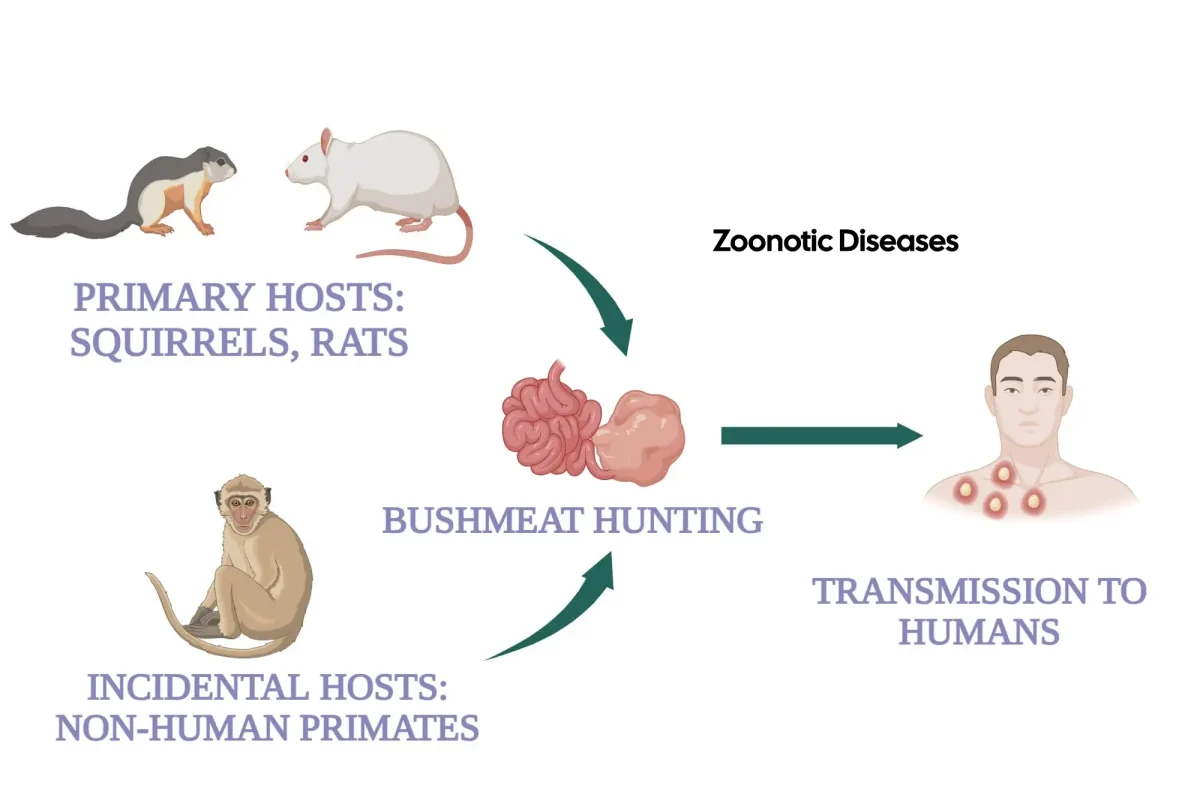
Diagnosis Zoonotic diseases are infections that spread from animals to humans through direct contact, bites, insect vectors, or contaminated food and water. Because zoonotic diseases can be caused by bacteria, viruses, parasites, or fungi, diagnosis depends on the specific pathogen and the person’s exposure history. A detailed medical evaluation usually includes: Medical and exposure history to determine recent contact with …

Zoophobia (Fear of Animals)

admin

Diagnosis Zoophobia, or the fear of animals, is a specific phobia characterized by intense and irrational fear when seeing, thinking about, or being near animals. It can involve fear of all animals or specific types, such as dogs, cats, birds, or insects. Diagnosis is made through psychological evaluation rather than medical tests. A mental health professional such as a psychologist …

Zenker’s Diverticulum

admin

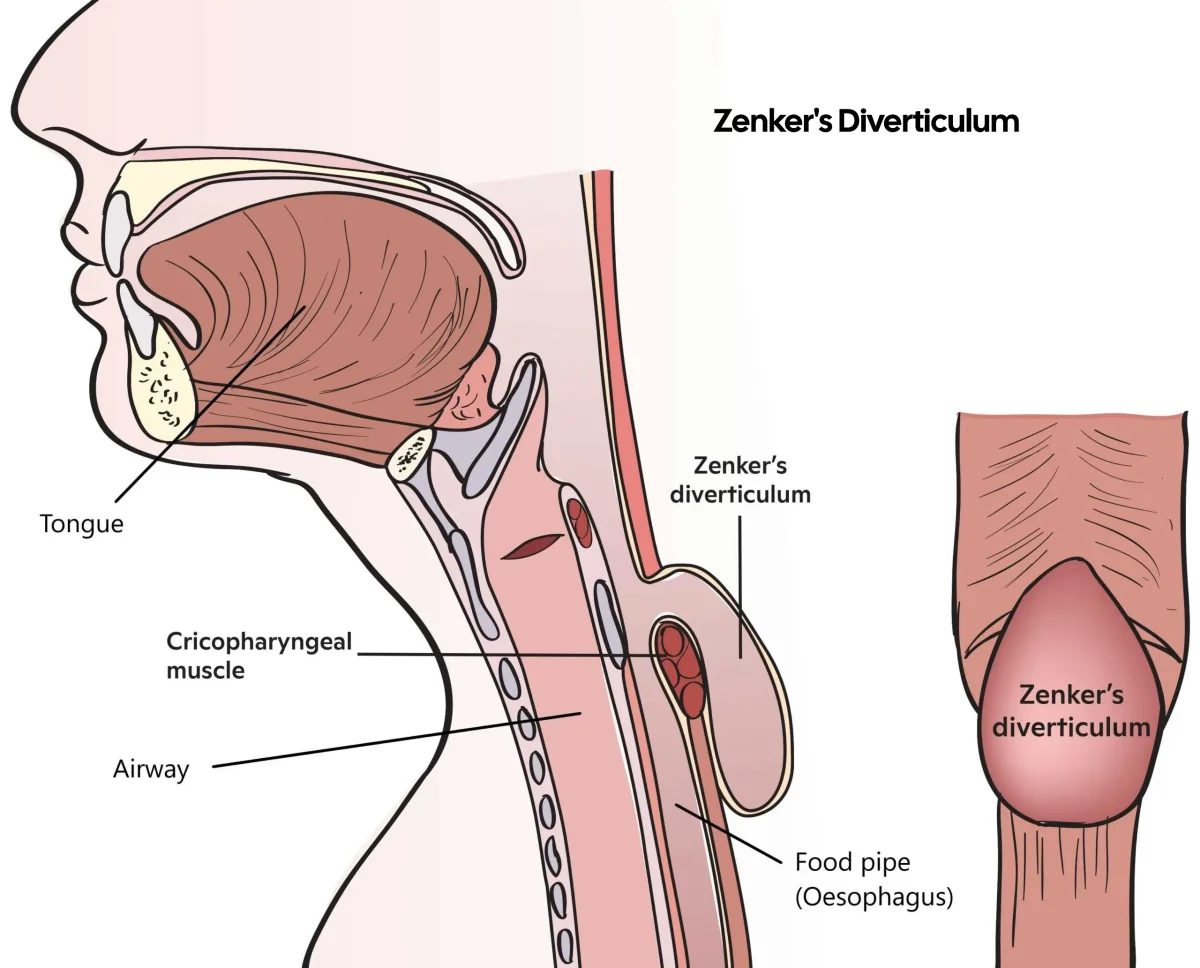
Diagnosis Diagnosis of Zenker’s diverticulum is usually made by an ear, nose, and throat (ENT) specialist through a detailed medical history, physical examination, and imaging tests. The condition often presents with symptoms such as difficulty swallowing, regurgitation of undigested food, coughing, or bad breath, which help guide the diagnostic process. The primary test used for diagnosis is the barium swallow, …