Diagnosis To check for an Achilles tendon rupture, your healthcare professional will: Examine the lower leg — looking for swelling, tenderness, or a gap in the tendon. Perform the calf squeeze test — you may be asked to kneel on a chair or lie on your stomach with your feet hanging off the table. If squeezing the calf muscle doesn’t …
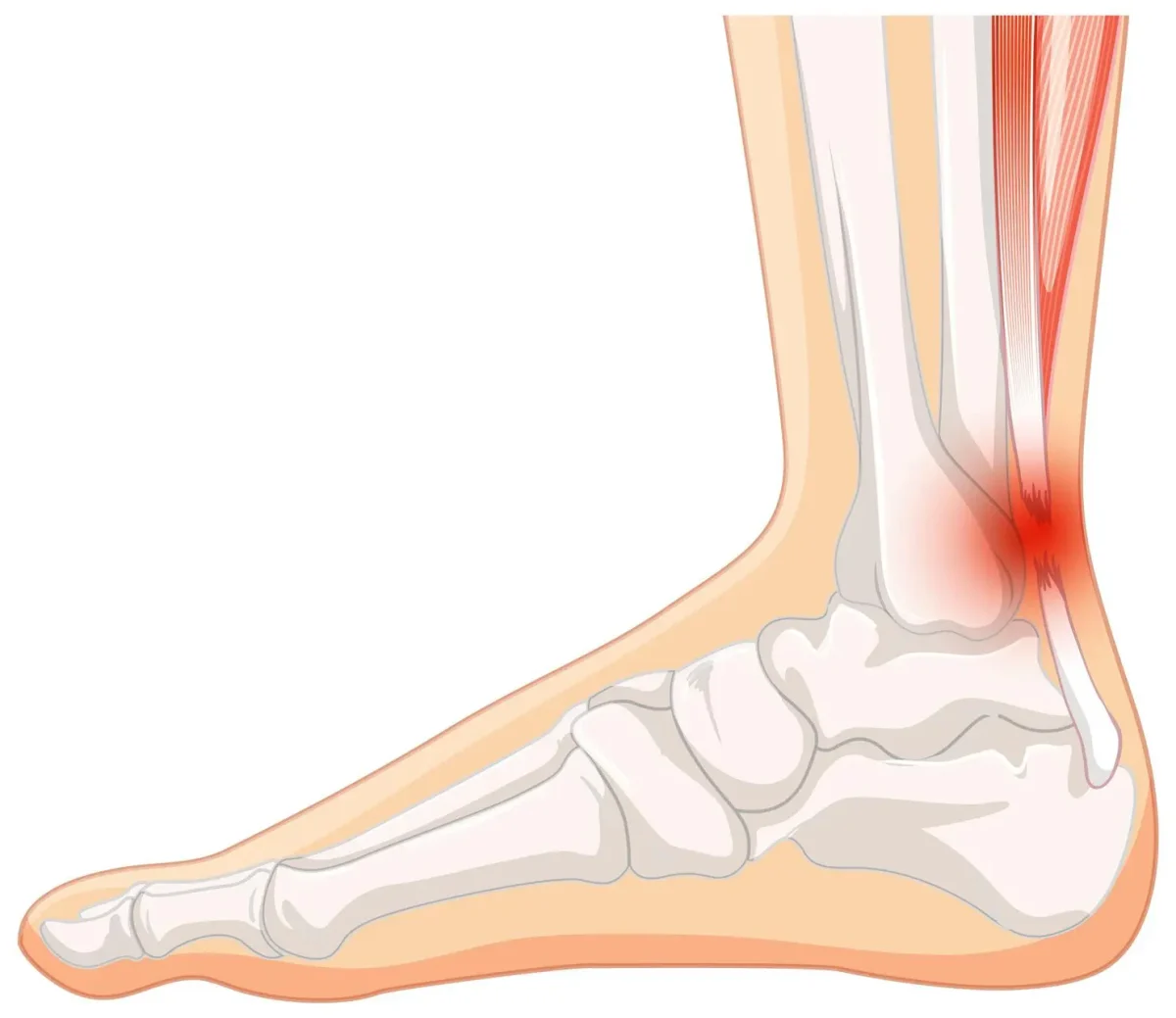
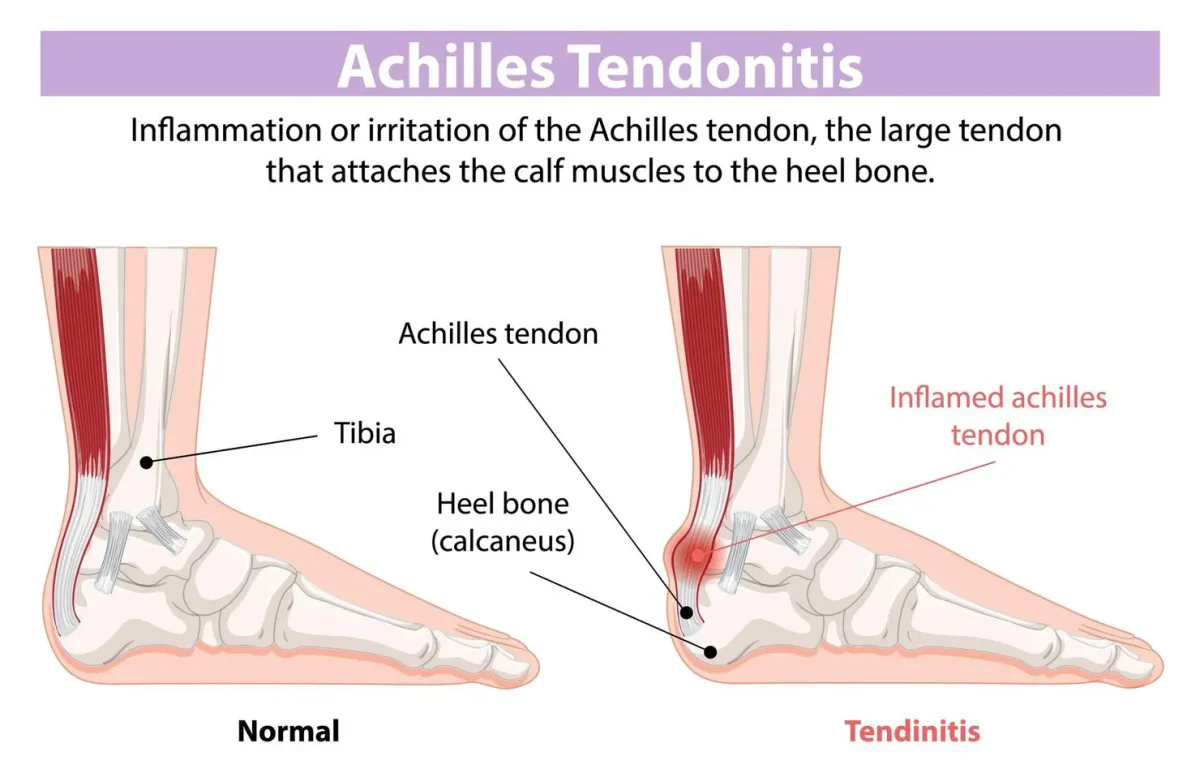
Achilles Tendinitis
Diagnosis of Achilles Tendinitis Diagnosis of Achilles tendinitis begins with a detailed physical examination and may be supported by imaging studies to evaluate the extent of tendon injury and exclude other conditions. Physical Examination:The healthcare provider gently palpates the Achilles tendon and surrounding structures to assess for tenderness, swelling, thickening, or nodules. Gait, range of motion, and tendon movement during …
Achalasia
Diagnosis of Achalasia Achalasia can be challenging to diagnose because its symptoms resemble other digestive disorders. A thorough evaluation typically includes: Esophageal Manometry:This test measures esophageal muscle contractions during swallowing and evaluates how effectively the lower esophageal sphincter (LES) relaxes. It is the most accurate test for confirming achalasia and determining its subtype. Barium Swallow X-rays:After drinking a barium solution …
Absence Seizure
Absence seizures involve brief, sudden lapses of consciousness. They’re more common in children than in adults.
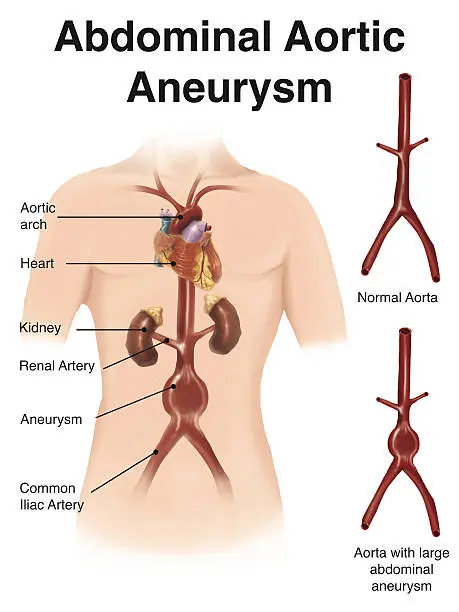
Abdominal Aortic Aneurysm
Diagnosis Abdominal aortic aneurysms are often discovered accidentally during a physical exam or imaging test performed for another reason. To confirm the condition, healthcare providers review your medical and family history and perform a physical examination. Tests Used for Diagnosis Common tests include: Abdominal ultrasound – The most frequently used test. Sound waves create images of the abdomen, showing how …
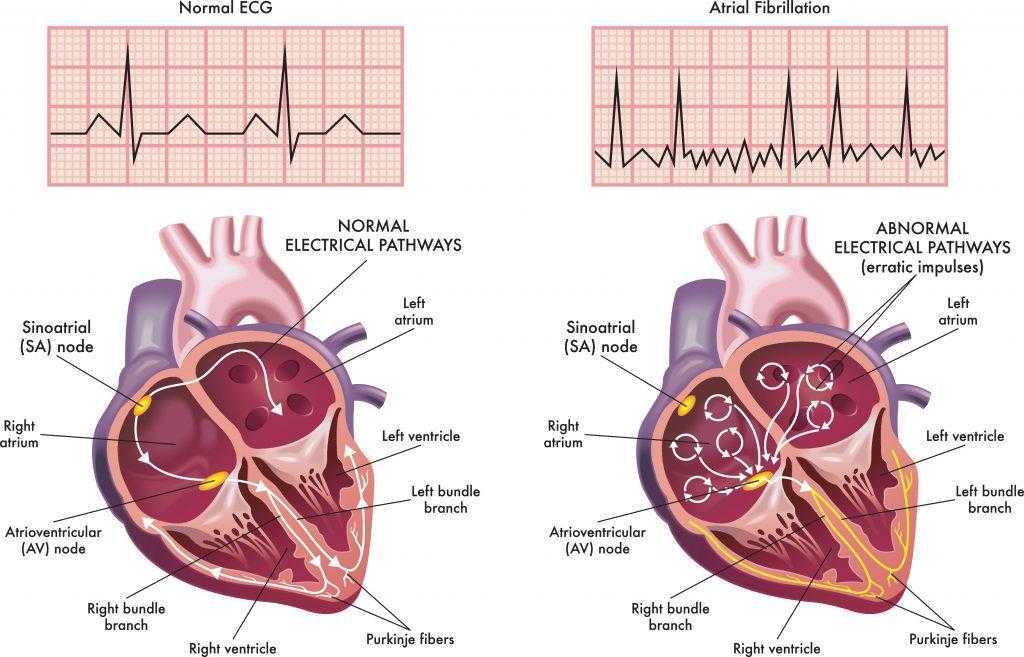
Atrial Fibrillation
Diagnosis Atrial fibrillation (AFib) is often found during a routine health checkup or physical examination. To confirm the diagnosis, the healthcare professional listens to the heart, checks the pulse, and reviews personal and family medical history. Additional tests may be recommended to identify underlying causes such as heart disease or thyroid disorders. Tests to Diagnose AFib Blood testsThese are done …
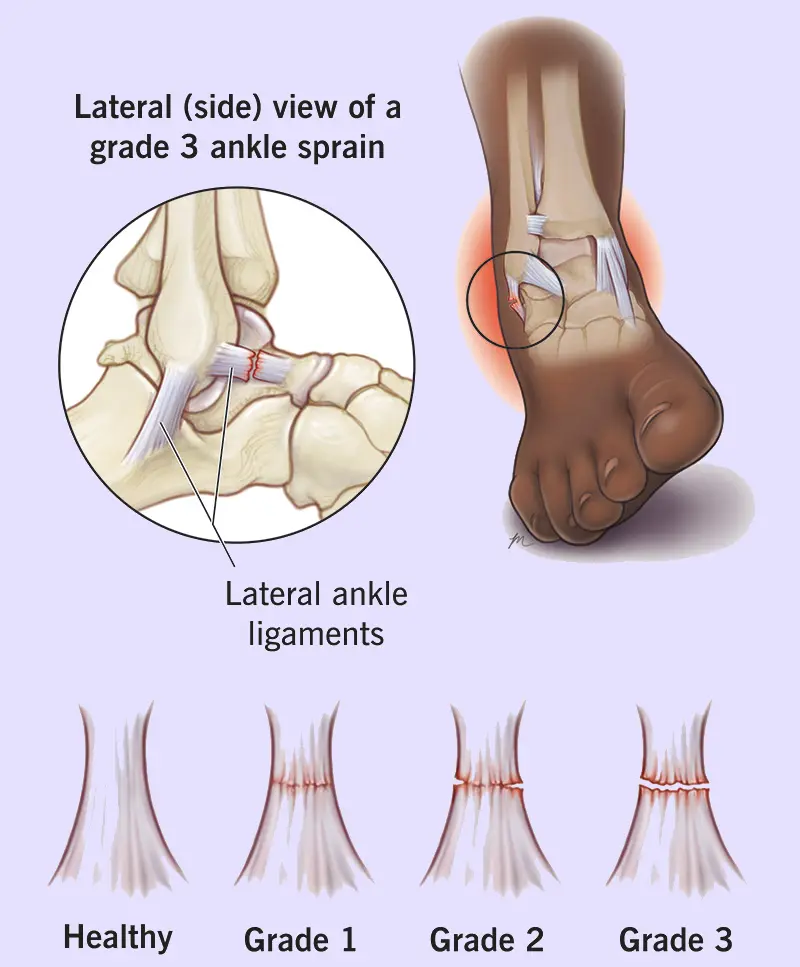
Sprained Ankle
Diagnosis To diagnose a sprained ankle, a healthcare professional begins with a physical exam. During the exam, the ankle, foot and lower leg are carefully examined. The skin around the injured area is touched to check for points of tenderness. The foot is gently moved to assess range of motion and to identify which positions cause pain or discomfort. If …