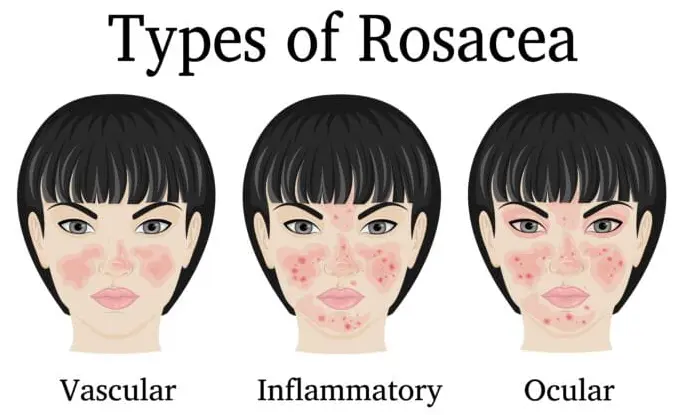
Diagnosis A healthcare professional usually diagnoses rosacea by examining the skin and asking about symptoms. Tests may be done to rule out other conditions that can look similar, such as psoriasis or lupus. Some signs, including flushing and visible veins, may be harder to see on brown and Black skin. Because of this, other symptoms such as facial stinging, swelling, …
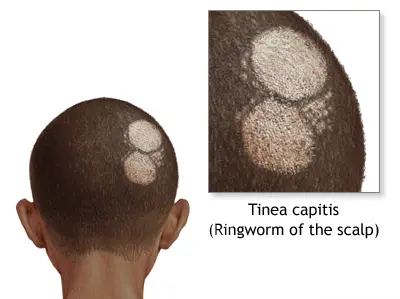
Ringworm (Scalp)
Diagnosis A healthcare professional can often diagnose ringworm of the scalp by examining the affected skin and asking questions about symptoms. To confirm the condition, a small sample of hair or skin may be collected and sent to a lab. Testing these samples can show whether a fungus is present and help rule out other scalp conditions with similar symptoms. …
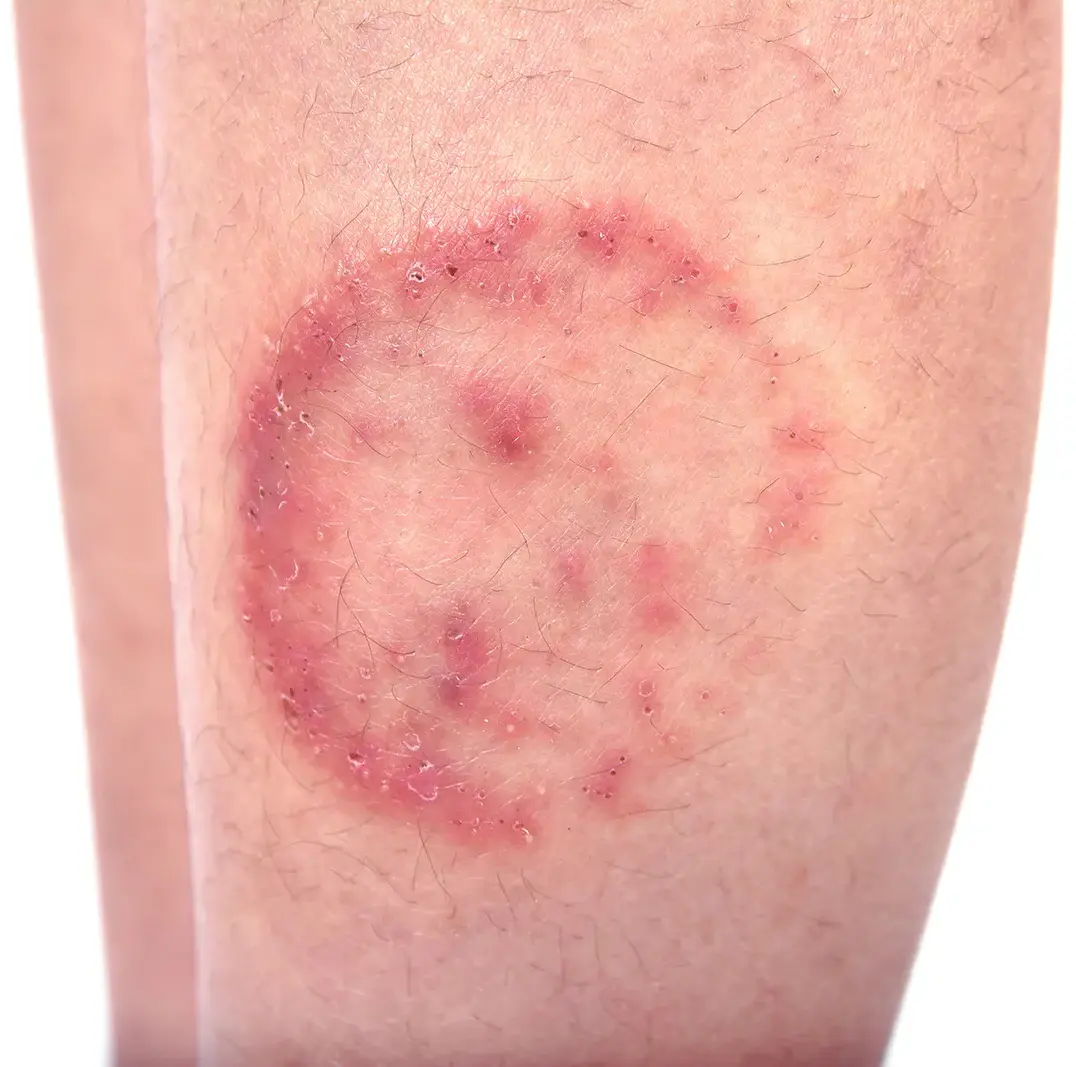
Ringworm (Body)
Diagnosis A healthcare professional can often diagnose ringworm simply by examining the affected skin. In some cases, skin scrapings are taken from the rash so they can be viewed under a microscope. This helps confirm the presence of fungi and rule out other skin conditions that may look similar. Treatment If over-the-counter antifungal products do not clear the infection, a …
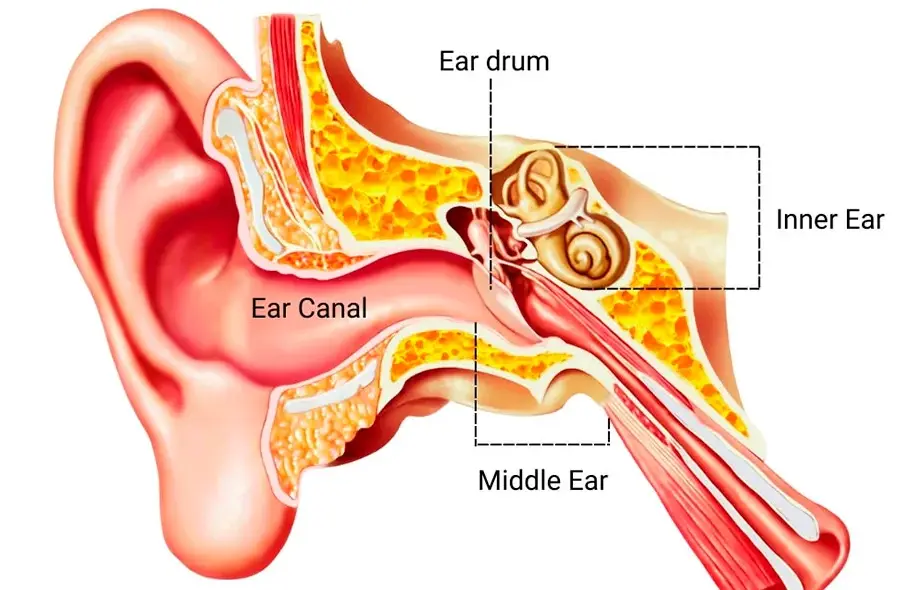
Tinnitus
Diagnosis Your doctor will typically diagnose tinnitus based on your symptoms alone. To guide treatment, your doctor will also try to determine whether your tinnitus is linked to another underlying condition. In some cases, a cause cannot be identified. To help pinpoint the cause, your doctor may review your medical history and examine your ears, head, and neck. Common tests …
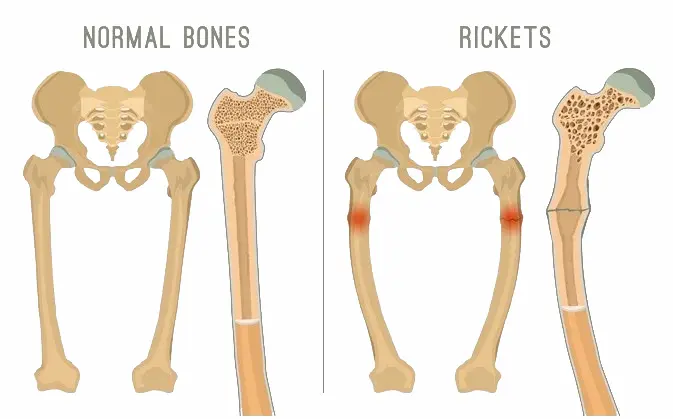
Rickets
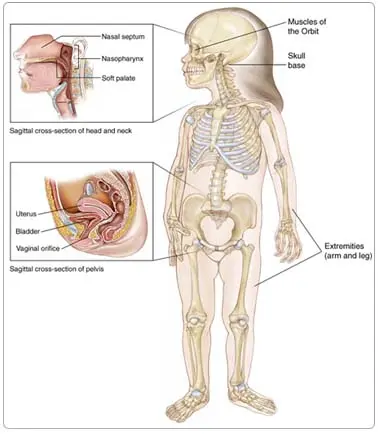
Diagnosis During the exam, a healthcare professional gently presses on the child’s bones to check for irregularities. Certain areas may receive closer attention. Babies with rickets may have softer skull bones and delays in the closure of the soft spots known as fontanels. An exaggerated bowing of the legs, more noticeable than the natural bowing seen in many toddlers, is …
Rheumatic Fever
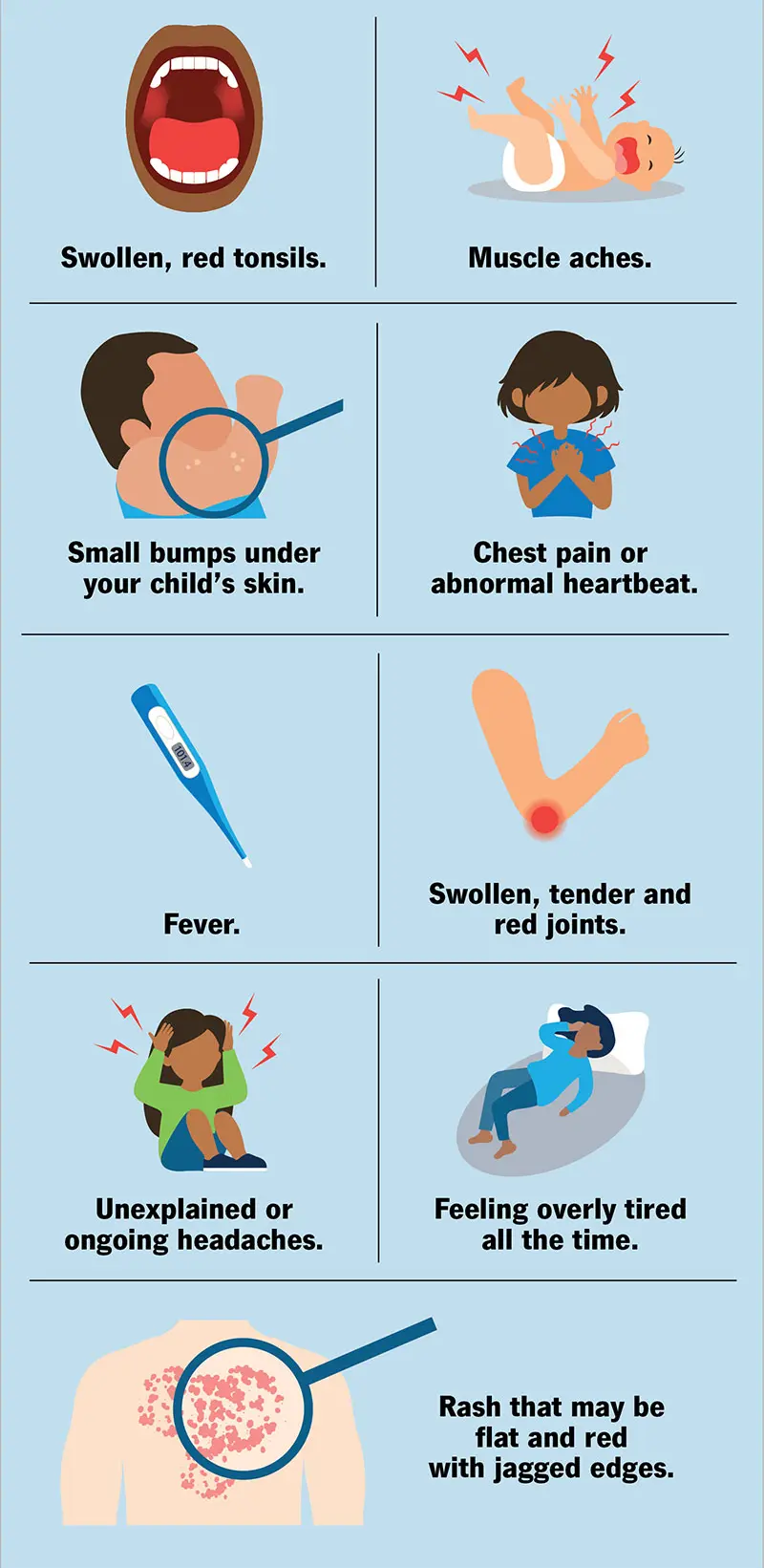
Diagnosis Diagnosis of rheumatic fever is based on a combination of medical history, a physical exam and results from specific tests. There is no single test that can confirm the condition. Instead, healthcare professionals use multiple tools to look for signs of infection, inflammation and heart involvement. Tests often used to diagnose rheumatic fever include blood tests such as C-reactive …
Rhabdomyosarcoma
Diagnosis Diagnosis of rhabdomyosarcoma typically starts with a physical exam to check for unusual lumps, swelling or other concerns. If the healthcare team suspects this type of cancer, additional tests are recommended to learn more about the tumor. These often include imaging tests along with a biopsy to confirm the diagnosis. Imaging tests create detailed pictures of the inside of …
Reye’s Syndrome
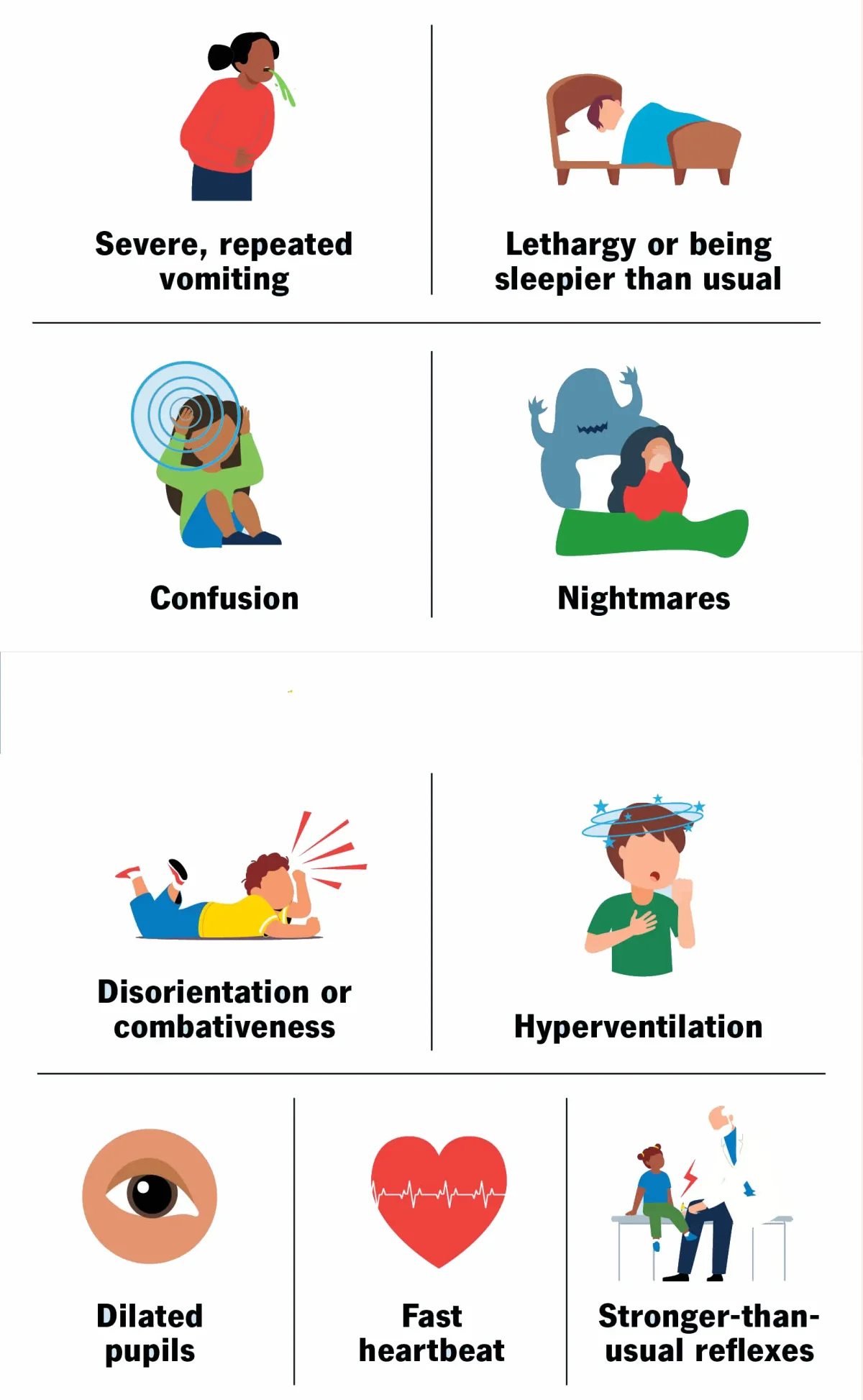
Diagnosis Diagnosing Reye’s syndrome can be challenging because there is no single test that confirms the condition. Evaluation typically begins with blood and urine tests that help identify potential abnormalities. Testing may also be done to check for fatty acid oxidation disorders or other metabolic conditions that can resemble Reye’s syndrome. In some cases, additional tests are needed to rule …
Rett Syndrome
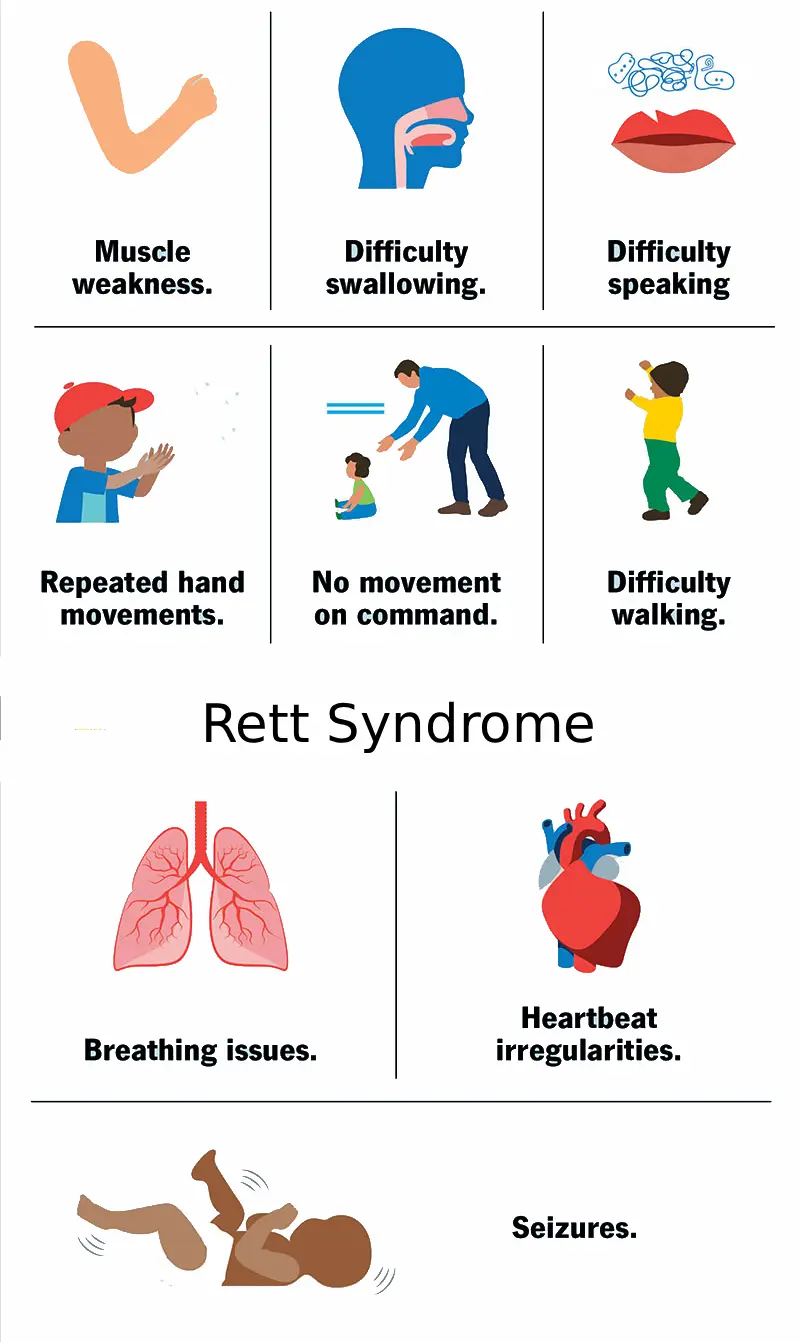
Diagnosis Diagnosing Rett syndrome involves close monitoring of a child’s growth, development and medical history. The diagnosis is often considered when slowed head growth, loss of skills or regression of developmental milestones becomes noticeable. Because Rett syndrome shares features with other conditions, ruling out these possibilities is an essential part of evaluation. Before confirming Rett syndrome, other potential causes for …
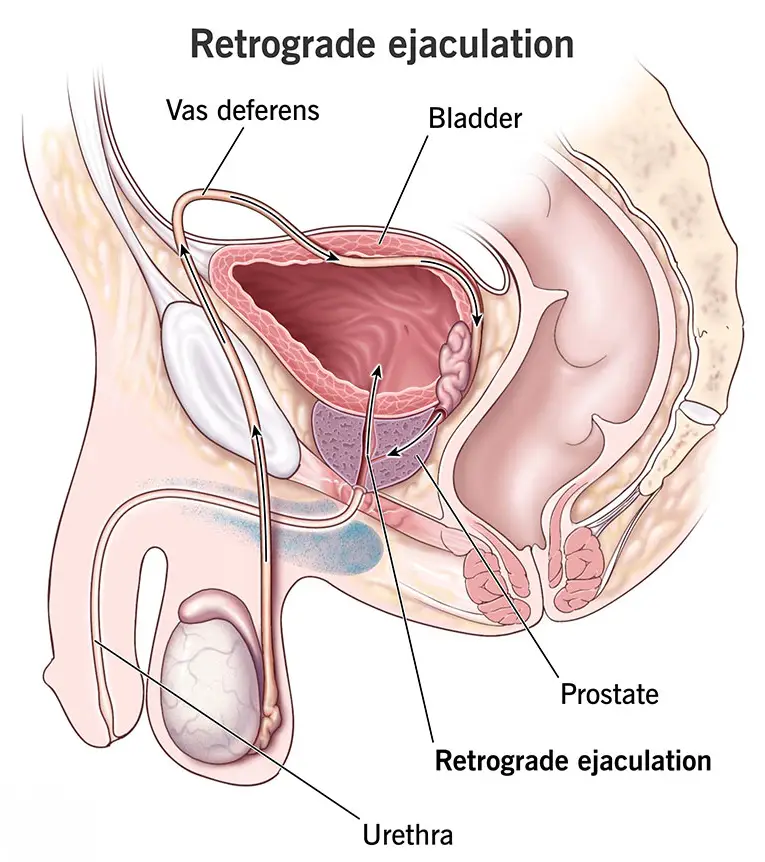
Retrograde Ejaculation
Diagnosis To diagnose retrograde ejaculation, your doctor may begin by asking detailed questions about your symptoms and how long they have been occurring. You may also be asked about past medical conditions, surgeries, cancers, and medications that could influence ejaculation. A physical exam is usually performed. This often includes an examination of the penis, testicles, and rectum to check for …