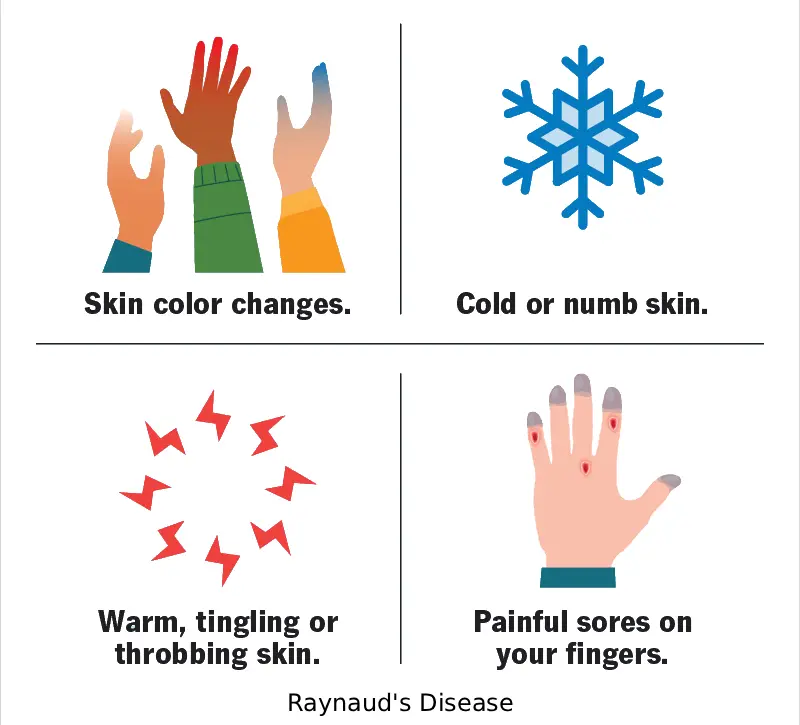
Diagnosis Your healthcare professional begins by asking about your symptoms and medical history and performing a physical exam. Because other conditions can cause similar symptoms, additional tests may be done to rule out related medical problems. A key diagnostic test is nailfold capillaroscopy, which helps distinguish between primary and secondary Raynaud’s by examining the skin at the base of a …
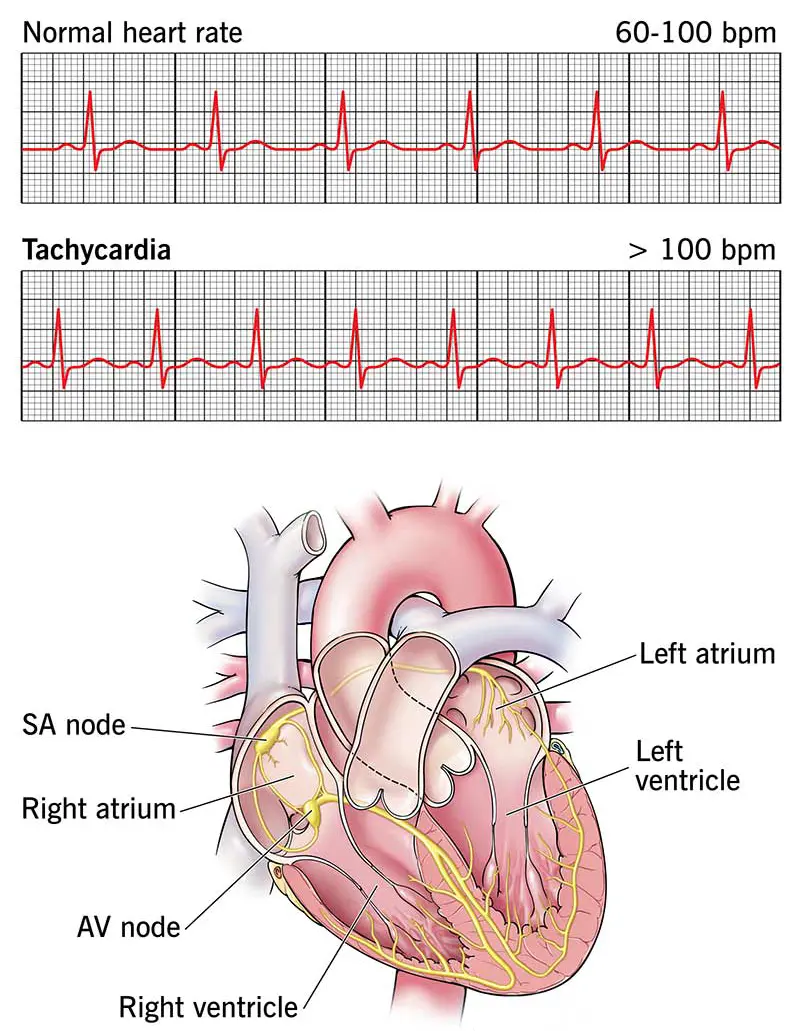
Tachycardia
Diagnosis Diagnosing tachycardia involves a thorough physical examination, a detailed medical history and specific tests to confirm a fast heartbeat and identify its cause. During the evaluation, a healthcare professional asks about symptoms, lifestyle habits and any related medical issues. Several tests may be used to pinpoint the source of the rapid heart rate. An electrocardiogram is often the first …
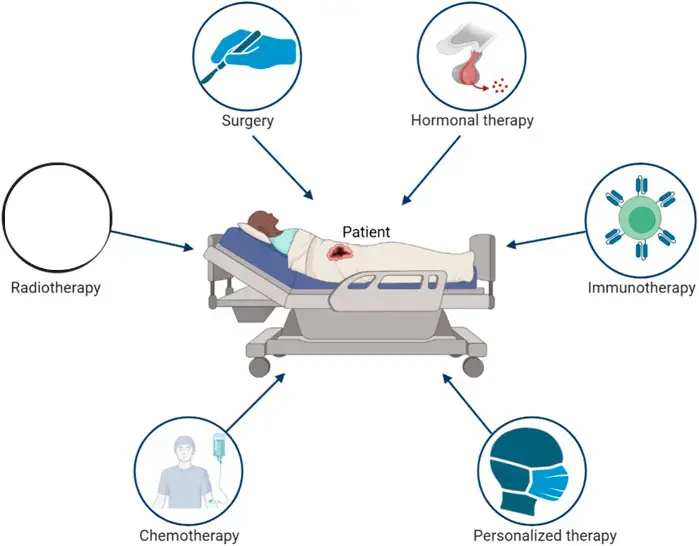
Radiation Enteritis
Diagnosis Diagnosis for radiation enteritis often begins with a discussion of your medical history and a physical exam. Your health care provider may use different tests to examine the intestines and identify inflammation or damage caused by radiation therapy. To view the inside of your small intestine, an endoscopy may be done using a long flexible tube with a camera …
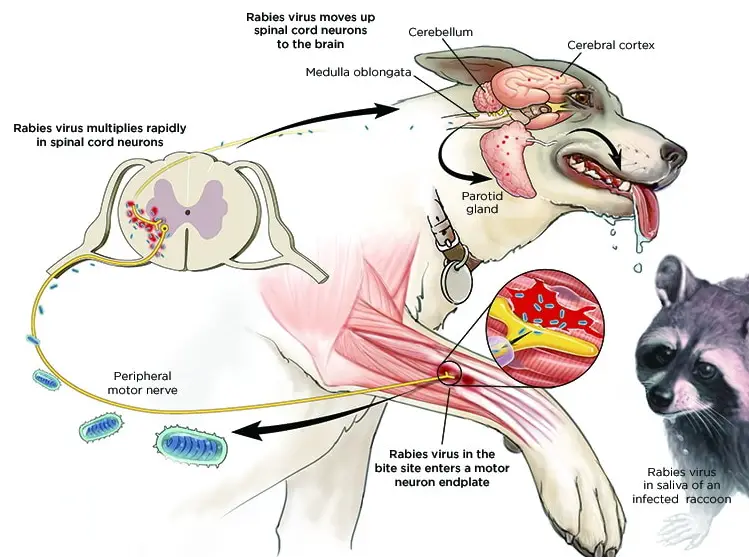
Rabies
Diagnosis At the time a potentially rabid animal bites you, there is no immediate way to confirm whether the rabies virus has entered your body. Bite marks may not always be visible, and early symptoms rarely appear right away. Your doctor may order several tests to look for evidence of the virus, but these tests often need to be repeated …
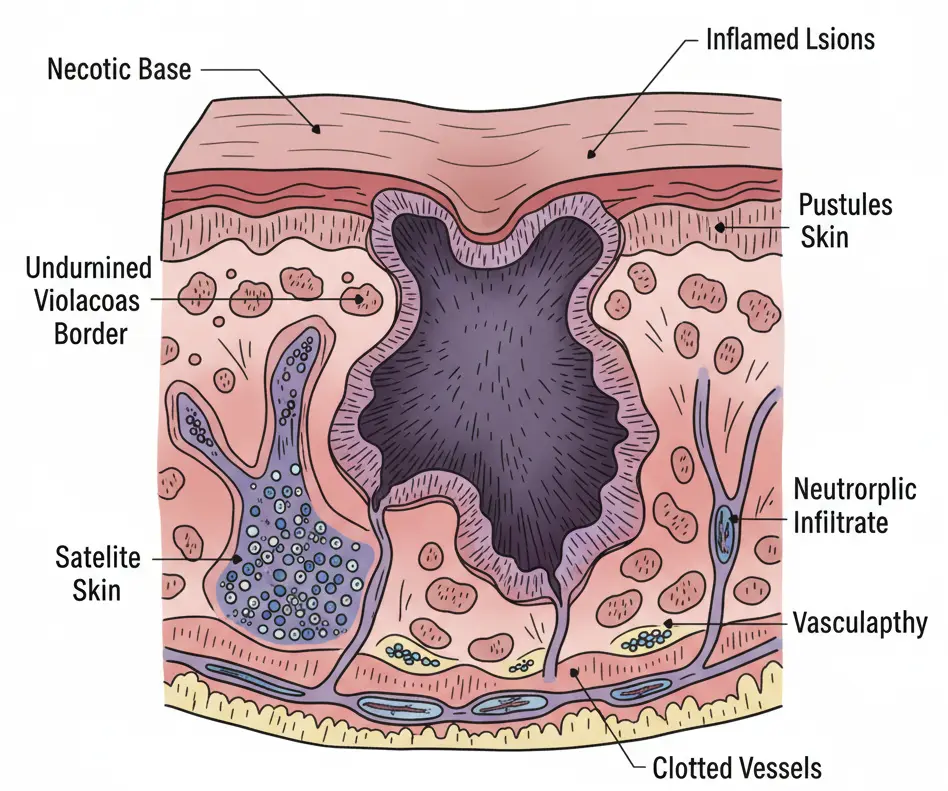
Pyoderma Gangrenosum
Diagnosis To diagnose pyoderma gangrenosum, a healthcare professional reviews your symptoms, medical history and performs a physical exam. There is no single test that can confirm the condition. Because other health issues can cause similar symptoms, testing is used to rule out those possibilities. These may include blood tests, a chest X-ray, a colon exam or a skin biopsy. A …
Pyloric Stenosis
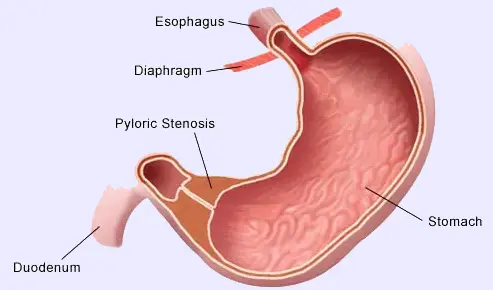
Diagnosis To diagnose pyloric stenosis, a healthcare professional asks about symptoms and performs a physical exam. In some babies, an olive-shaped lump may be felt in the upper belly. This lump represents the enlarged pyloric muscle and is more likely to be detected in later stages of the condition. Wavelike stomach contractions may also be seen during the exam, especially …
Pulmonary Valve Stenosis
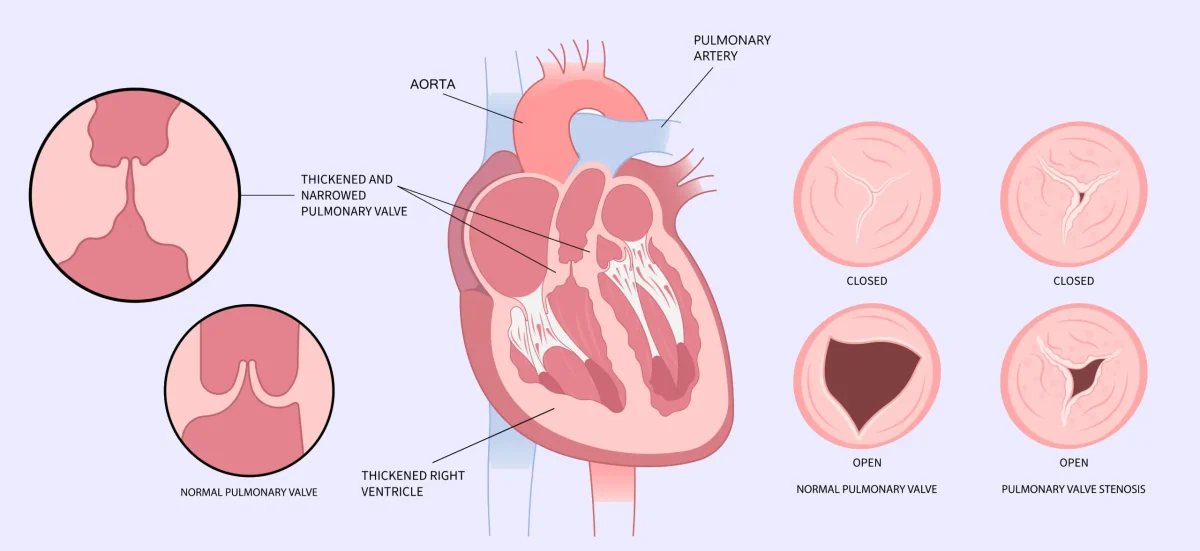
Diagnosis Pulmonary valve stenosis is often identified during childhood, but some people may not learn they have the condition until adulthood. A healthcare provider typically listens to the heart with a stethoscope. A whooshing sound, known as a heart murmur, may be heard due to uneven blood flow across the narrowed pulmonary valve. Several tests help confirm the diagnosis and …
Pulmonary Atresia with Ventricular Septal Defect
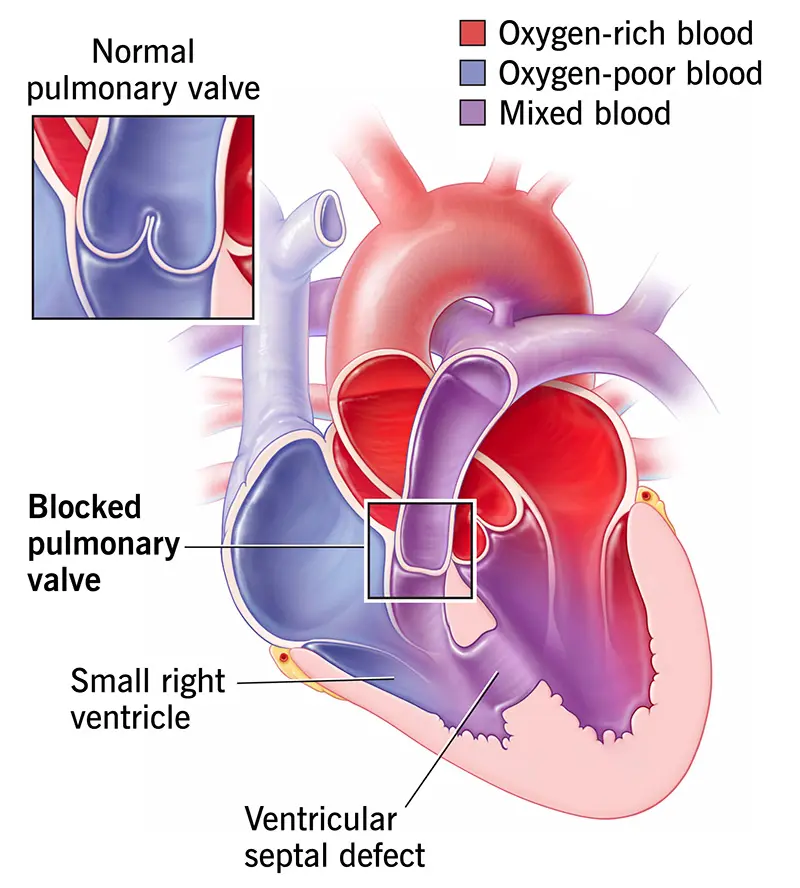
Diagnosis Pulmonary atresia with ventricular septal defect, also called PA-VSD, is often diagnosed during pregnancy or soon after birth. Early testing helps confirm the condition and guide treatment planning. Tests that may be used to diagnose pulmonary atresia with ventricular septal defect include: Pulse oximetry, which uses a small sensor clipped to a hand or foot to check the amount …
Pulmonary Atresia with Intact Ventricular Septum
Diagnosis Pulmonary atresia is usually diagnosed soon after birth. Tests are done to check the baby’s heart health and confirm how well the heart and lungs are functioning. Tests to diagnose pulmonary atresia may include: Pulse oximetry, which uses a small sensor on the fingertip to measure blood oxygen levels. Low oxygen may signal a heart or lung problem. Chest …
Pulmonary Atresia
Diagnosis Pulmonary atresia is typically diagnosed shortly after birth. Newborns undergo testing to assess heart function and detect any signs of low oxygen levels. Several diagnostic tests help confirm the condition and determine its severity. Tests that may be used include: • Pulse oximetry, which measures the amount of oxygen in the blood using a small sensor placed on the …