Diagnosis Doctors usually diagnose prescription drug abuse by reviewing a person’s medical history and discussing medication use, symptoms, and lifestyle habits. Honest answers to questions about how prescription drugs are taken, how often they are used, and why they are used are an important part of the diagnostic process. In some cases, physical signs and behavioral changes may also suggest …
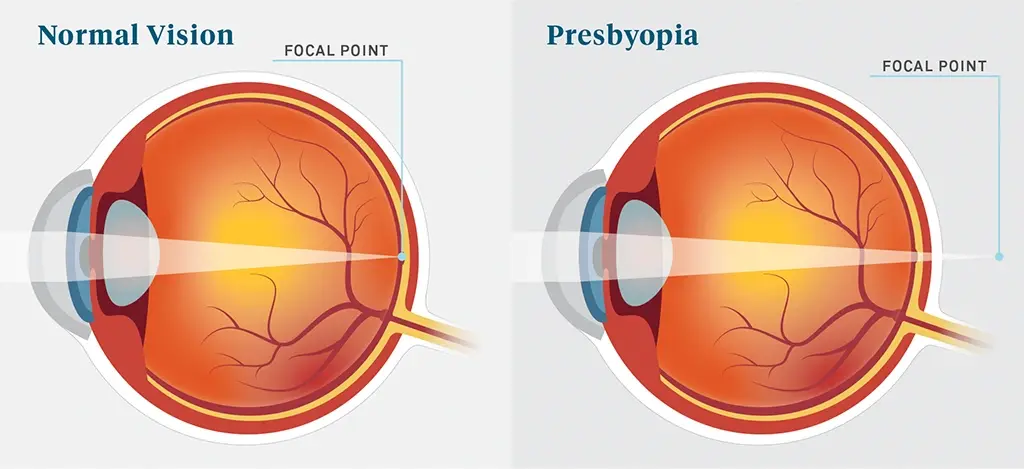
Presbyopia
Diagnosis Presbyopia is diagnosed during a routine eye examination that includes a refraction assessment and an overall eye health evaluation. A refraction assessment helps determine whether you have nearsightedness, farsightedness, astigmatism, or presbyopia. During this part of the exam, your eye doctor uses different instruments and asks you to look through multiple lenses to test both distance and close-up vision. …
Premenstrual Syndrome (PMS)
Diagnosis There are no specific physical findings or laboratory tests that can definitively diagnose premenstrual syndrome. A healthcare provider may link certain symptoms to PMS when they occur as part of a consistent and predictable premenstrual pattern. To help identify this pattern, you may be asked to track your signs and symptoms on a calendar or in a diary for …
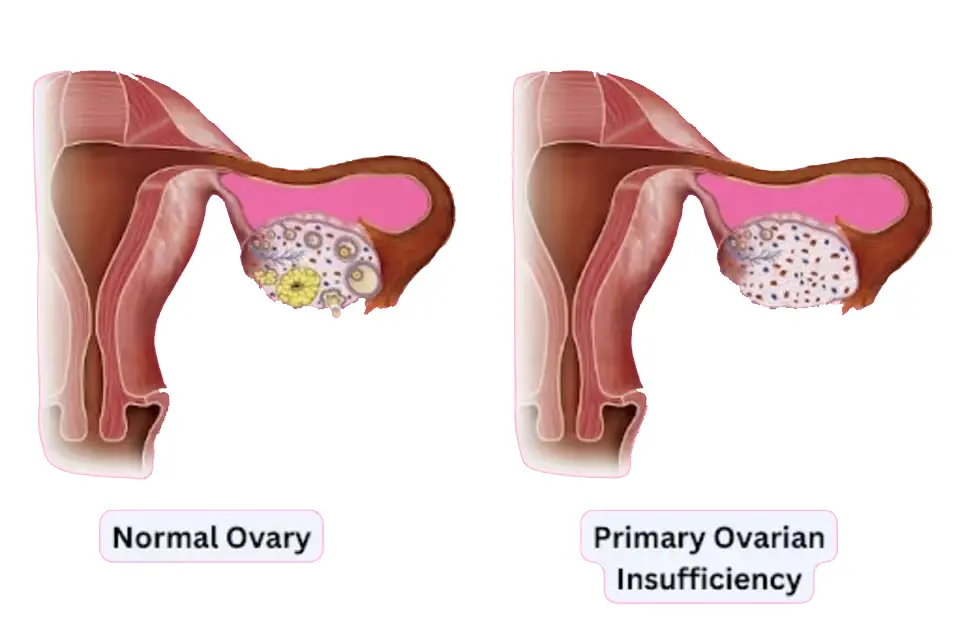
Primary Ovarian Insufficiency
Diagnosis Most women with primary ovarian insufficiency show few symptoms, but your healthcare provider may suspect the condition if you have irregular menstrual cycles or difficulty conceiving. Diagnosis usually begins with a physical examination, including a pelvic exam, and a discussion of your medical history, menstrual cycle, exposure to toxins such as chemotherapy or radiation, and any previous ovarian surgery. …
Premature Ejaculation
Diagnosis To diagnose premature ejaculation, a healthcare provider asks questions about sexual activity and overall health history. A physical examination may also be performed. When premature ejaculation occurs along with difficulty getting or maintaining an erection, blood tests may be ordered to check hormone levels. In some situations, a referral may be made to a urologist or a mental health …
Premature Birth
Diagnosis A premature baby receiving care in the neonatal intensive care unit often needs multiple tests to closely monitor health and development. Some tests are done continuously, while others are performed only if the medical team suspects a specific health concern. Common tests for premature babies include: Breathing and heart rate monitoringBreathing patterns and heart rate are monitored around the …
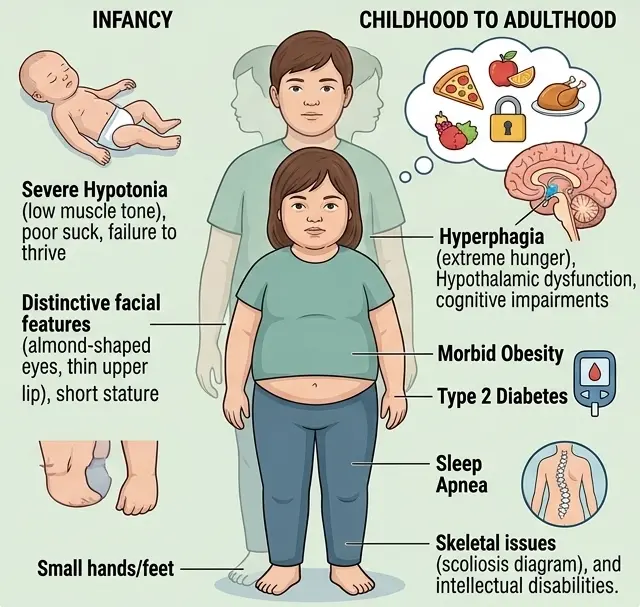
Prader-Willi Syndrome
Diagnosis Healthcare professionals typically suspect Prader-Willi syndrome based on characteristic symptoms. In most cases, the diagnosis can be confirmed through genetic testing. This blood test identifies changes in a child’s chromosomes that are consistent with Prader-Willi syndrome. Genetic testing is highly accurate and is considered the standard method for diagnosis. Treatment Early diagnosis and timely treatment can significantly improve the …
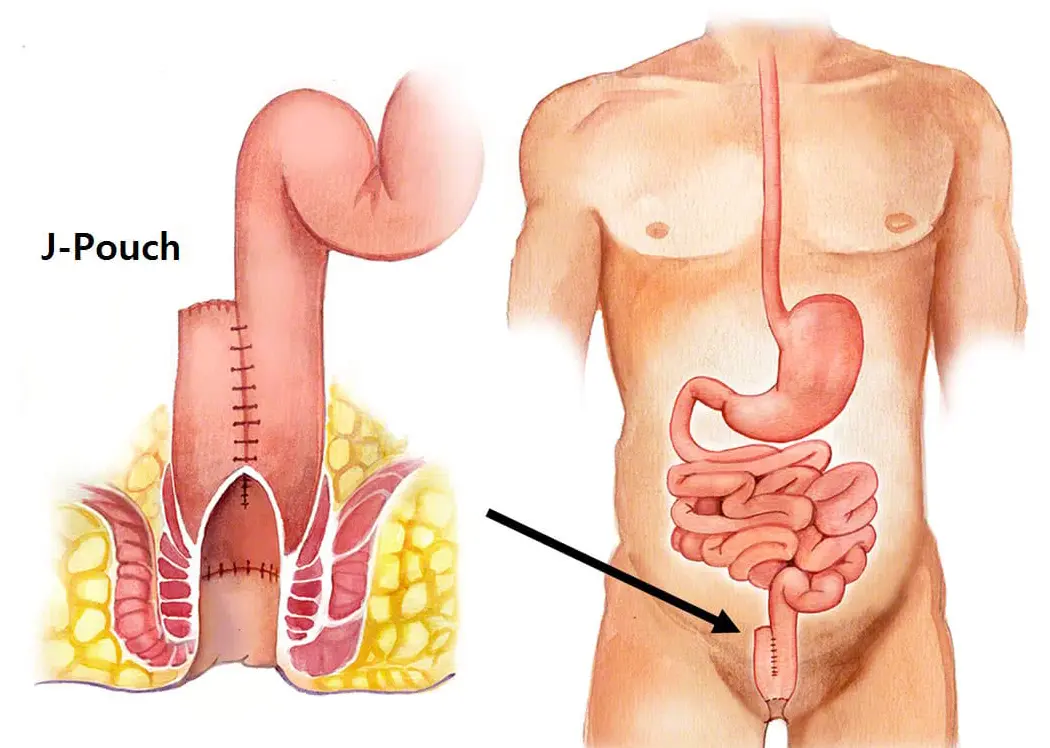
Pouchitis
Diagnosis To diagnose pouchitis, a healthcare professional typically begins with a review of your medical history and a physical exam. Additional tests may be used to confirm the diagnosis: Lab tests, including blood tests to check for other medical conditions and stool tests to look for infection. These results help guide the choice of antibiotics. Endoscopy, which involves a tiny …
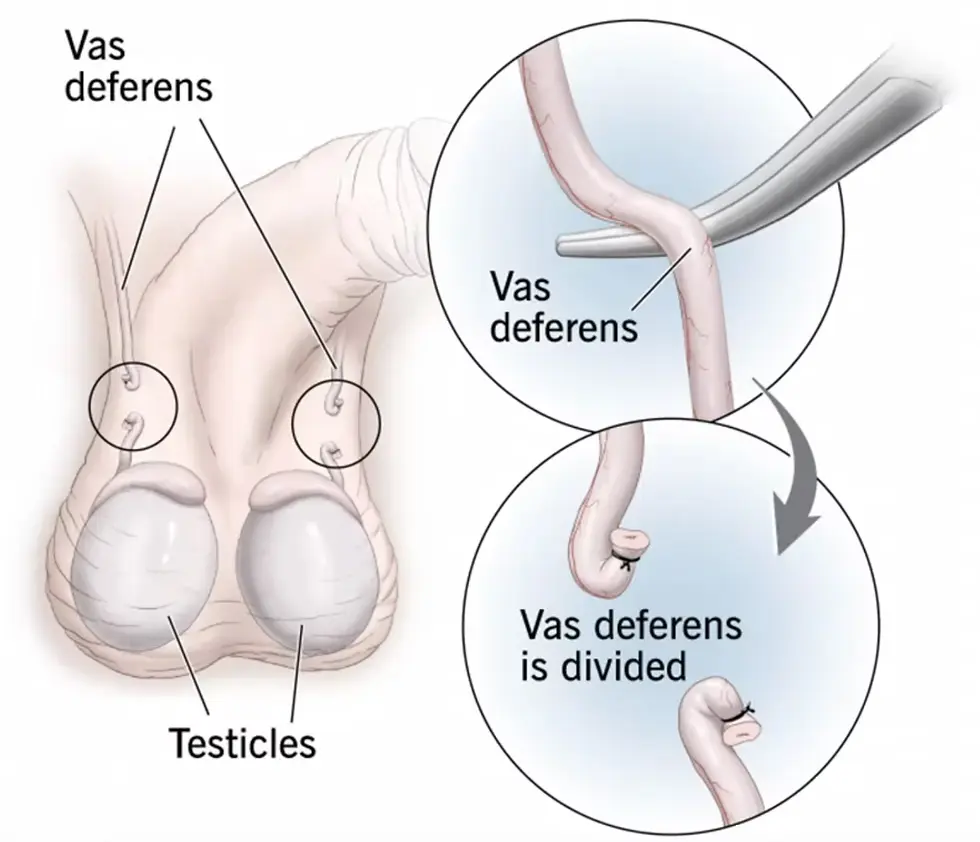
Post-Vasectomy Pain Syndrome
Diagnosis Diagnosing post-vasectomy pain syndrome begins with a detailed physical exam in which a healthcare provider checks for tenderness, swelling and any signs of discomfort in the testicles and epididymis. The provider may also look for a small area of scar tissue at the vasectomy site, known as a sperm granuloma. It is essential to rule out other possible causes …
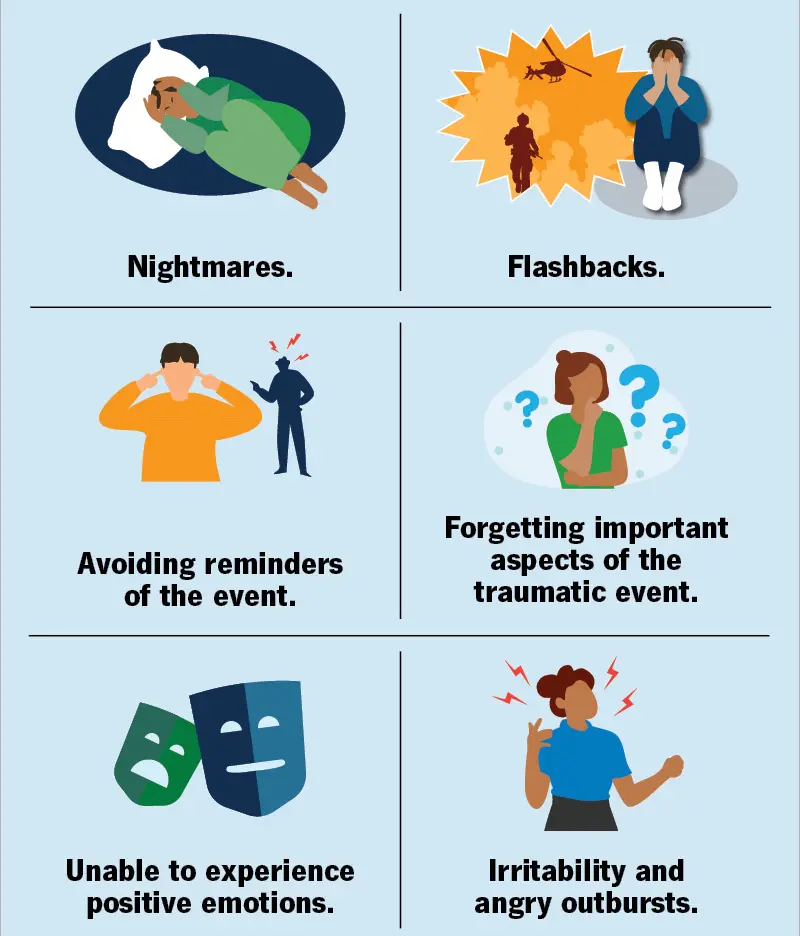
Post-Traumatic Stress Disorder (PTSD)
Diagnosis Diagnosing post-traumatic stress disorder involves a combination of physical and psychological evaluations. A healthcare professional begins with a physical exam to rule out any medical conditions that could be causing the symptoms. This is followed by a mental health evaluation that includes a discussion about symptoms and the traumatic event that preceded them. Questionnaires may also be used to …