Post-Polio Syndrome

admin

Diagnosis There is no specific test that can confirm post-polio syndrome. Diagnosis is based on a detailed medical history, a physical examination, and the exclusion of other health conditions that may cause similar symptoms. Doctors typically look for three key indicators when considering a diagnosis of post-polio syndrome. These include a previous diagnosis of polio, which may require reviewing old …
Postpartum Preeclampsia

admin

Diagnosis If you have already been discharged from the hospital after childbirth and your health care provider suspects postpartum preeclampsia, you may need to be readmitted for further evaluation. Postpartum preeclampsia is typically diagnosed through lab tests: Blood tests to check how well your liver and kidneys are functioning and to ensure your blood has a normal platelet count, which …

Posterior Cortical Atrophy

admin

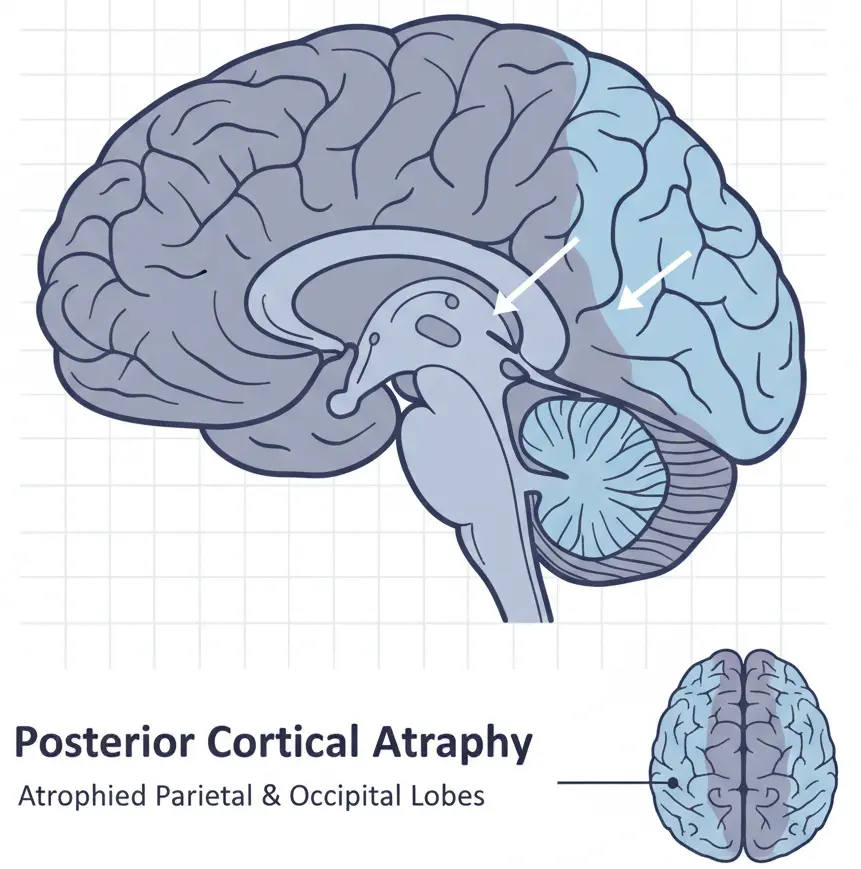
Diagnosis Diagnosing posterior cortical atrophy can be challenging because early symptoms often resemble other neurological or vision-related conditions. A healthcare professional typically begins with a detailed medical history and a neurological exam to understand how symptoms affect thinking, visual processing and daily functioning. Vision tests may be done to rule out eye diseases since many people first notice trouble reading, …

Porphyria

admin

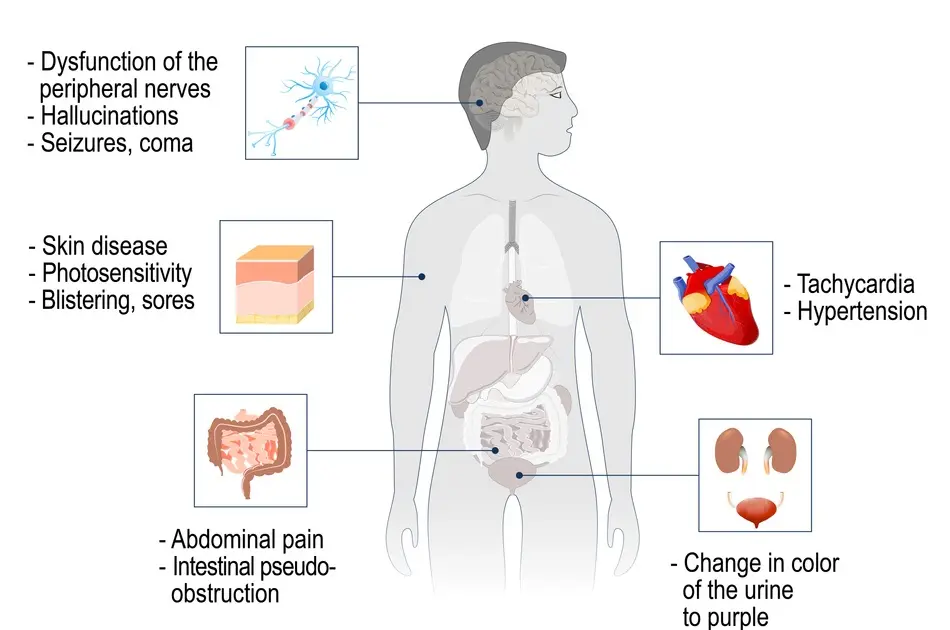
Diagnosis Porphyria can be difficult to diagnose because its symptoms often resemble those of many more common conditions. Since the disease is rare, laboratory tests are essential to confirm the diagnosis and determine the specific type. Your healthcare professional may order blood, urine or stool tests to measure porphyrin levels and identify which form of porphyria is present. Additional tests …

Stomach Polyps

admin

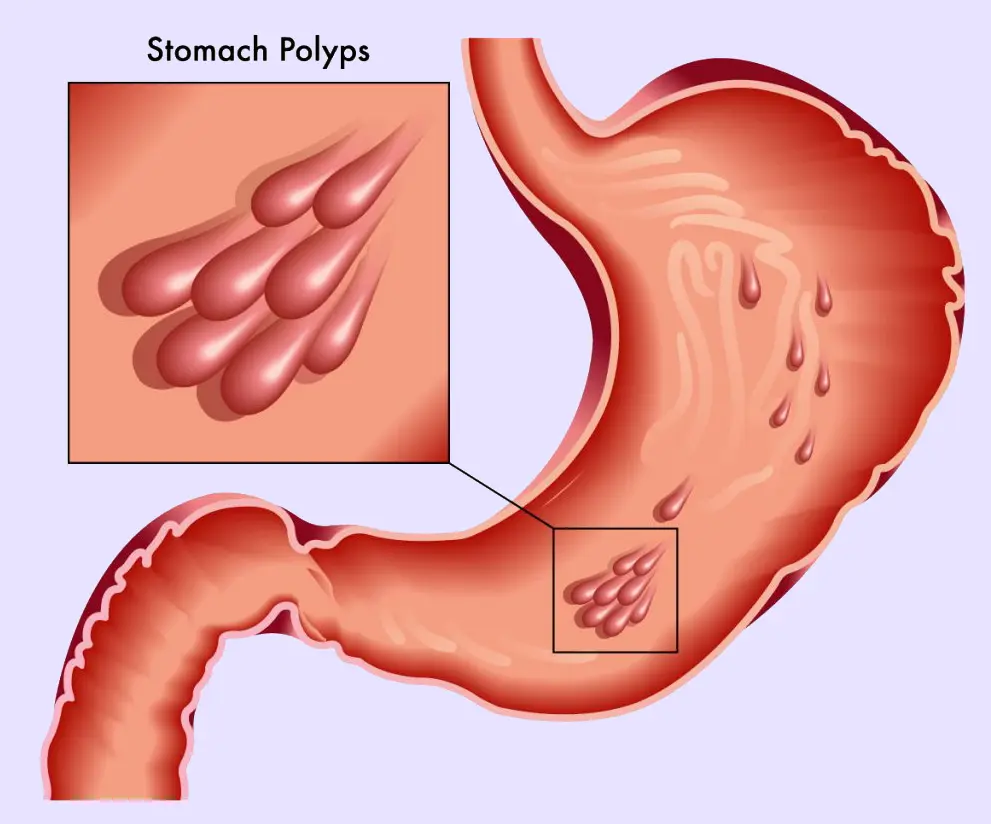
Diagnosis Tests used to diagnose stomach polyps focus on examining the inside of the stomach and analyzing tissue samples. Endoscopy is commonly used to view the stomach lining with a flexible tube and camera. If a polyp is found, a tissue sample may be taken during the same procedure. This sample, known as a biopsy, is sent to a lab …

Polymyositis

admin

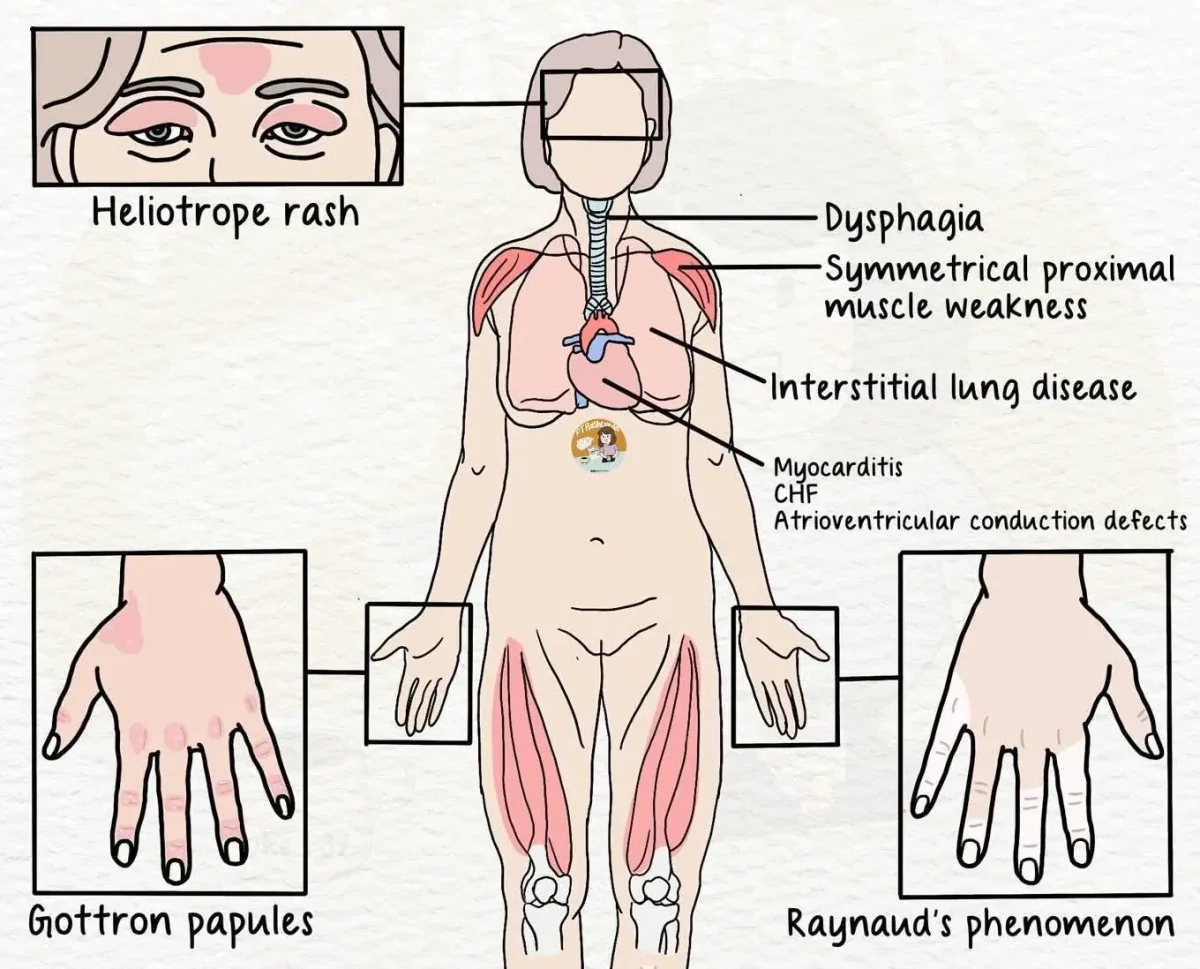
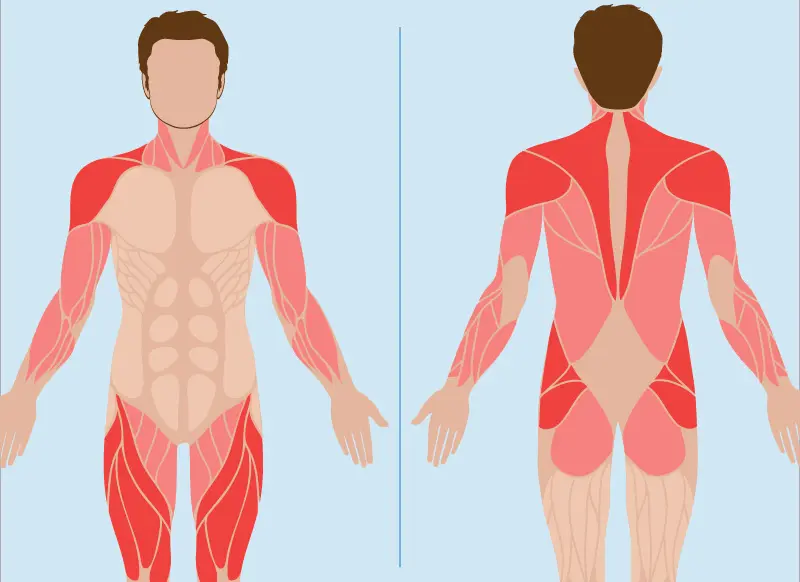
Diagnosis Diagnosis of polymyositis typically involves a physical exam and an assessment of muscle strength. Several tests can help confirm the condition and rule out other causes of muscle weakness. • Blood tests may show higher levels of muscle enzymes, which suggest muscle damage. They can also detect autoantibodies linked with specific symptoms of polymyositis.• Electromyography involves placing a thin …

Polymyalgia Rheumatica

admin

Diagnosis A physical exam along with laboratory tests can help your healthcare professional determine the cause of pain and stiffness. The evaluation often includes checking the joints and the nervous system in a neurological exam. During this process, your healthcare professional may gently move your head, arms and legs to assess the range of motion and identify areas of discomfort. …

Polymorphous Light Eruption

admin

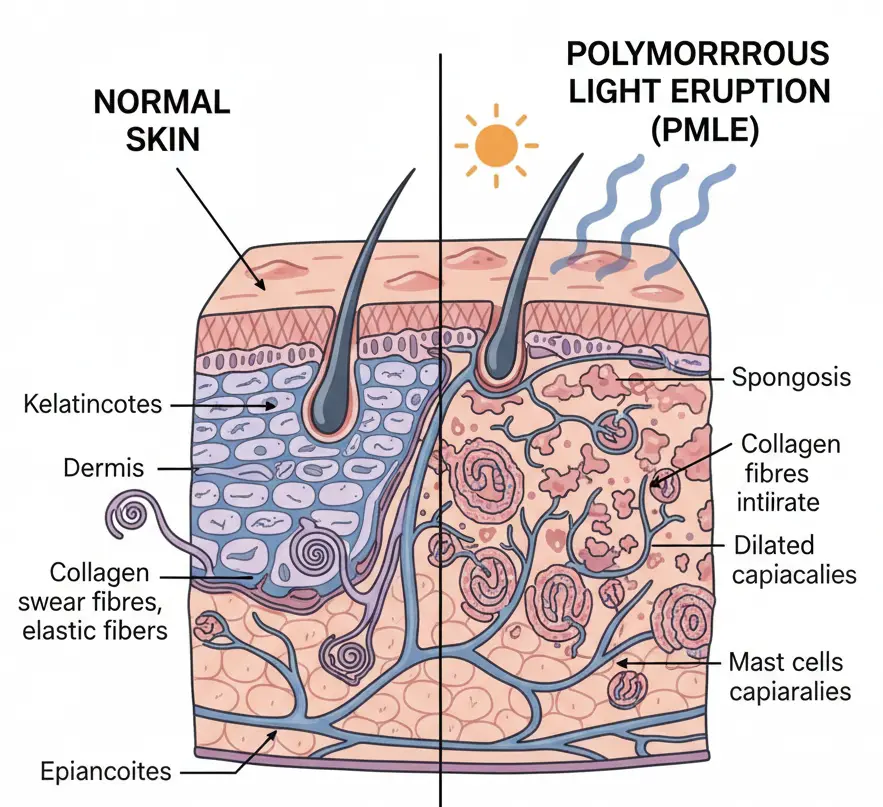
Diagnosis A healthcare professional can usually diagnose polymorphous light eruption after reviewing your symptoms, examining your skin, and discussing when the rash appears. In some cases, additional tests may be recommended to confirm the diagnosis or rule out other causes. Skin biopsyA small sample of the affected skin may be removed and examined in a laboratory. This helps identify features …

Polyhydramnios

admin

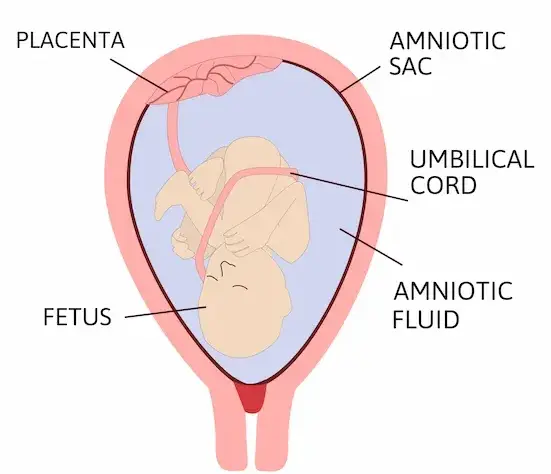
Diagnosis Polyhydramnios is usually diagnosed with a fetal ultrasound, which uses high-frequency sound waves to create images of your unborn baby. Health care professionals assess amniotic fluid levels by measuring:• The single largest pocket of fluid around the baby, called the maximum vertical pocket (MVP)• The fluid in all four quadrants of the uterus, called the amniotic fluid index (AFI) …

Polycythemia Vera

admin

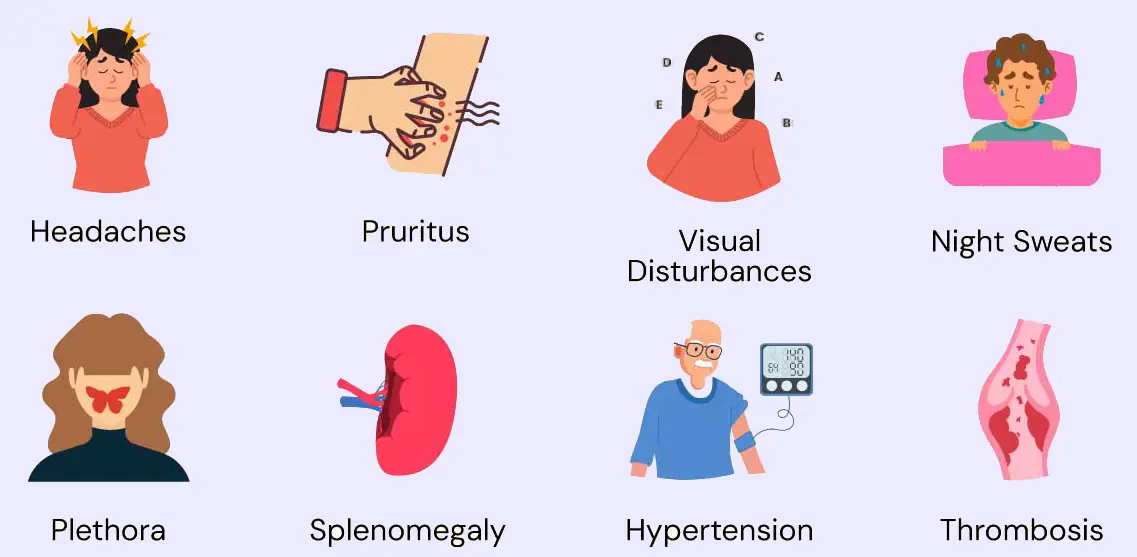
Diagnosis Polycythemia vera is diagnosed through a combination of medical history, physical examination, and specialized tests. Blood testsBlood tests may reveal:• Higher than normal red blood cell counts, and sometimes elevated white blood cells or platelets• Increased hematocrit, the proportion of red blood cells in total blood volume• Elevated hemoglobin, the iron-rich protein in red blood cells that carries oxygen …