Polio

admin

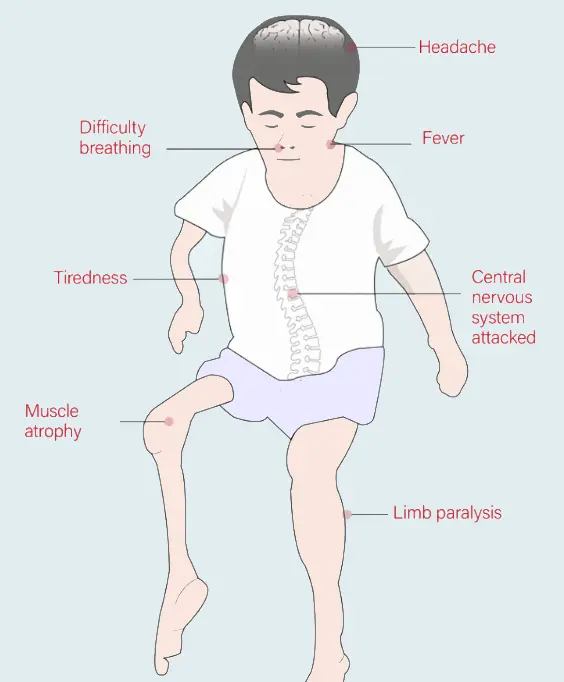
Diagnosis Polio, also known as poliomyelitis, is usually suspected based on symptoms and exposure history. A healthcare provider will consider whether the patient has been in an area where polio is still present or has not been vaccinated. Diagnostic steps may include:• Physical examination to check for muscle weakness, paralysis, or decreased reflexes• Reviewing recent medical history and possible exposure …

Poison Ivy Rash

admin

Diagnosis A poison ivy rash is usually diagnosed based on your recent exposure history and the appearance of the skin. A healthcare provider will examine the affected area, noting the typical signs of an allergic reaction to urushiol, the oil found in poison ivy, poison oak, and poison sumac. Signs that suggest poison ivy include:• Redness and inflammation• Itchy, raised …

POEMS Syndrome

admin

Diagnosis A healthcare professional diagnoses POEMS syndrome by taking a detailed medical history and performing a physical exam. A neurological exam is also conducted to check the function of the nervous system. POEMS syndrome can be difficult to diagnose because it involves multiple organs and complex symptoms. TestsSeveral tests may be performed to confirm a diagnosis:• Electromyographic studies (EMG). Small …

Pneumonitis

admin

Diagnosis To diagnose pneumonitis, your doctor reviews your medical and family history, discusses your symptoms, and asks about any medicines or previous treatments, such as cancer therapy. They may also inquire about repeated or ongoing exposure to dust, chemicals, birds, or mold through home, work, or hobbies. During a physical exam, a healthcare professional listens to your lungs with a …

Pneumonia

admin

Diagnosis Your doctor will begin by reviewing your medical history and performing a physical exam, including listening to your lungs with a stethoscope for abnormal bubbling or crackling sounds that suggest pneumonia. Additional tests that may be recommended include: • Blood tests. Used to confirm infection and attempt to identify the type of organism causing it, though precise identification is …

Primary Lateral Sclerosis (PLS)

admin

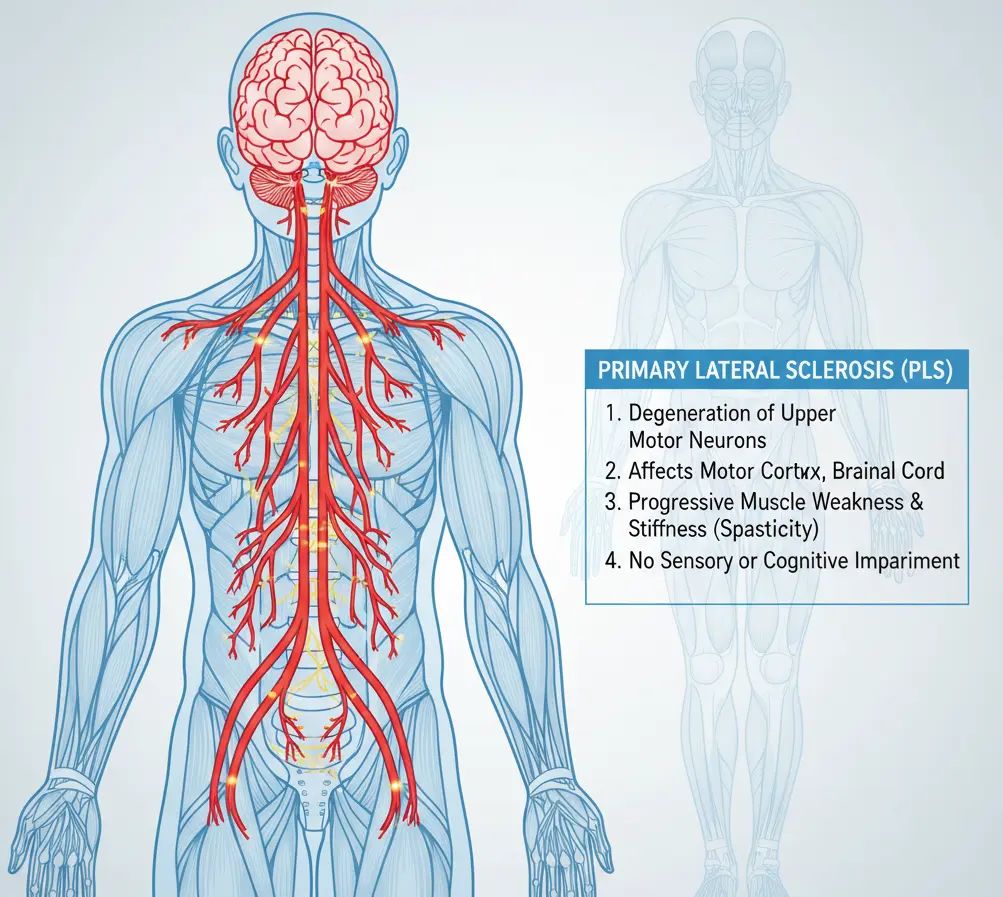
Diagnosis There is no single test that can confirm a diagnosis of primary lateral sclerosis. The condition shares symptoms with other neurological disorders, including multiple sclerosis and amyotrophic lateral sclerosis. Because of this overlap, diagnosis usually involves multiple tests to rule out other causes. A healthcare professional begins by reviewing your medical and family history and performing a detailed neurological …

Pleurisy

admin

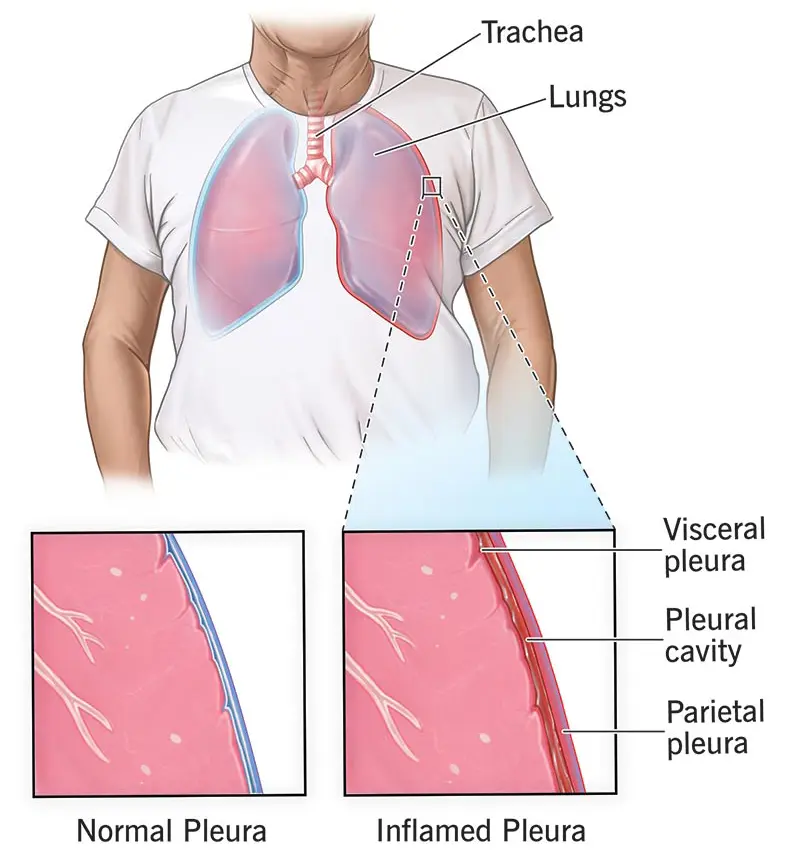
Diagnosis Your healthcare provider will typically begin by reviewing your medical history and performing a physical exam, including listening to your chest with a stethoscope. To confirm pleurisy and identify its cause, additional tests may be recommended: • Blood tests. These can detect infections or autoimmune disorders such as rheumatoid arthritis or lupus, which can present with pleurisy.• Chest X-ray. …

Placental Abruption

admin

Diagnosis Placental abruption is diagnosed based on symptoms, physical examination, and imaging tests. Your healthcare professional will evaluate for signs such as vaginal bleeding, abdominal pain, and uterine tenderness or contractions. Imaging tests, such as an ultrasound, may be used to check for a separation of the placenta from the uterine wall. However, ultrasound may not always detect a small …

Placenta Previa

admin

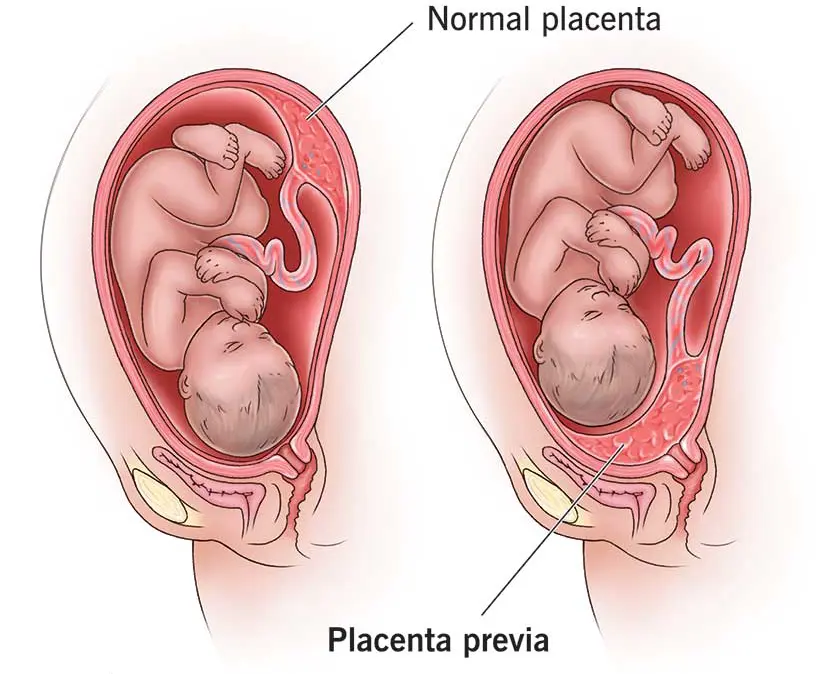
Diagnosis Placenta previa is diagnosed using ultrasound, either during a routine prenatal checkup or after an episode of vaginal bleeding. Most cases are identified during a second-trimester ultrasound. The initial exam may use an abdominal ultrasound device. For more precise imaging, a transvaginal ultrasound may be performed, using a wandlike device inserted into the vagina. Care is taken to avoid …

Placenta Accreta

admin

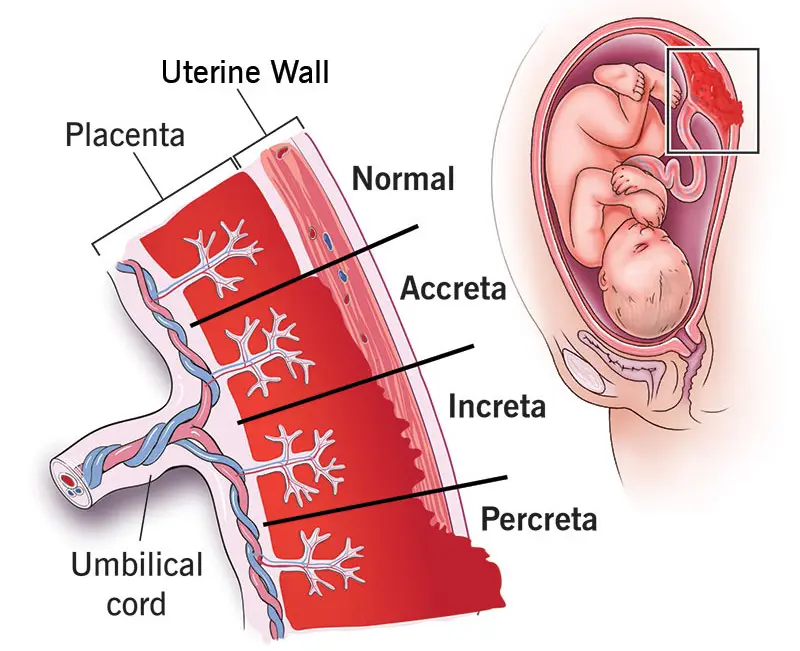
Diagnosis If you have risk factors for placenta accreta during pregnancy, such as placenta previa or a history of uterine surgery, your healthcare provider will carefully assess how the placenta is implanted. Imaging tests like ultrasound or magnetic resonance imaging (MRI) can help evaluate the depth of placental implantation in the uterine wall. Treatment When placenta accreta is suspected, your …