Vocal Cord Paralysis

admin

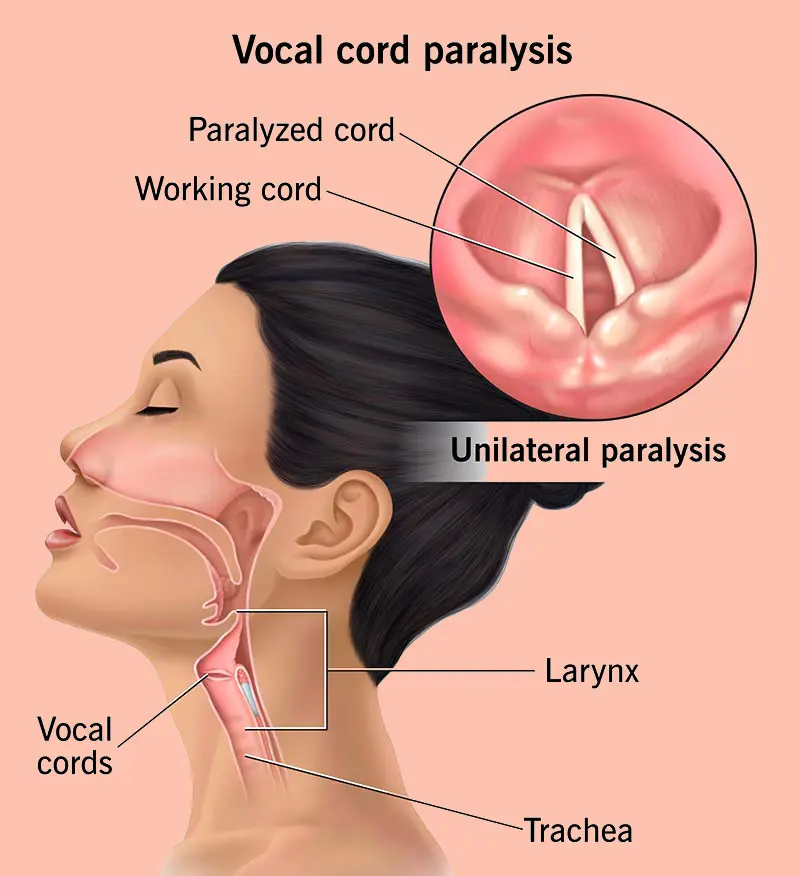
Diagnosis To diagnose vocal cord paralysis, your healthcare professional begins by asking about your symptoms, voice changes, and lifestyle. A physical exam and voice evaluation help determine how long and how severely your voice has been affected. You may need several specialized tests, including: Laryngoscopy: This involves examining the vocal cords using a mirror or a thin, flexible tube called …

Yolk Sac Tumor

admin

Diagnosis Diagnosing a yolk sac tumor involves a combination of physical exams, imaging tests, and laboratory studies. Since these tumors are rare and aggressive, early and accurate diagnosis is essential for effective treatment. Healthcare professionals typically begin with a physical examination and review of symptoms such as abdominal swelling, pain, or the presence of a lump in the testicles or …

Autoimmune Encephalitis

admin

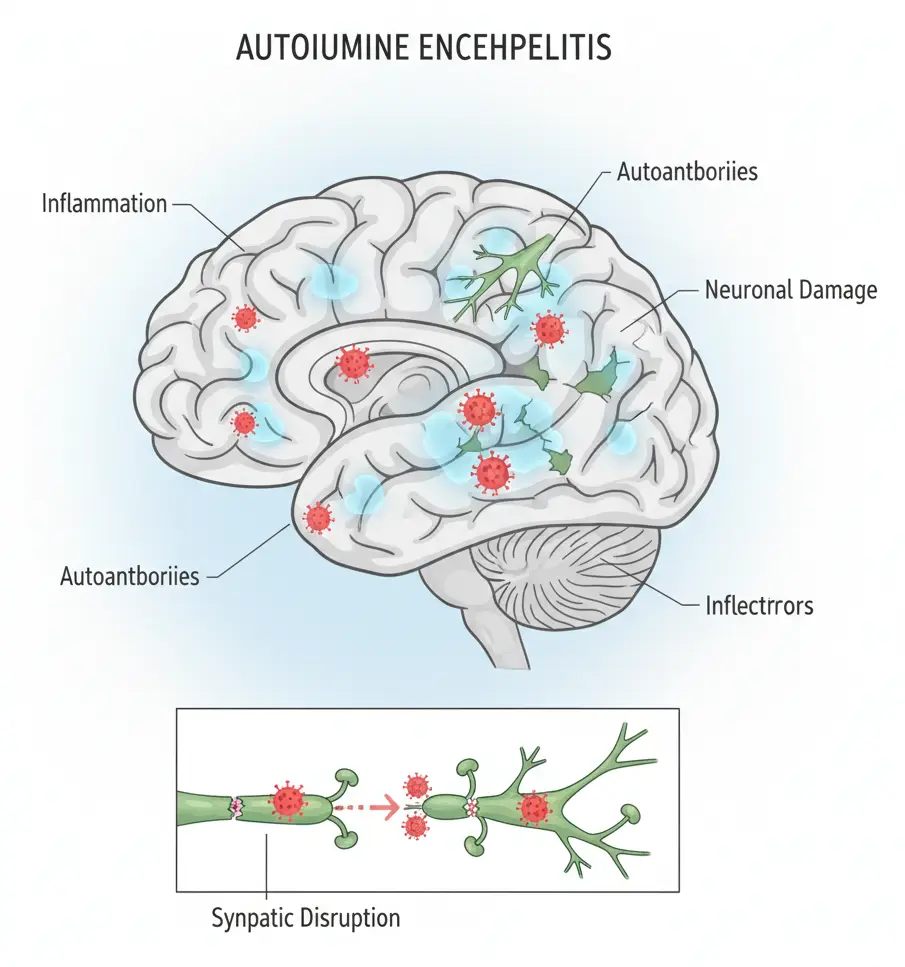
Diagnosis Autoimmune encephalitis (AE) is a condition where the immune system mistakenly attacks the brain, causing inflammation and neurological symptoms. Early and accurate diagnosis is crucial, as AE can be misdiagnosed as other neurological or psychiatric conditions. Evaluation: A healthcare professional reviews your symptoms, medical history, and conducts a physical and neurological exam. Diagnostic Criteria: Specialists use AE criteria, looking …

Autoimmune Epilepsy

admin

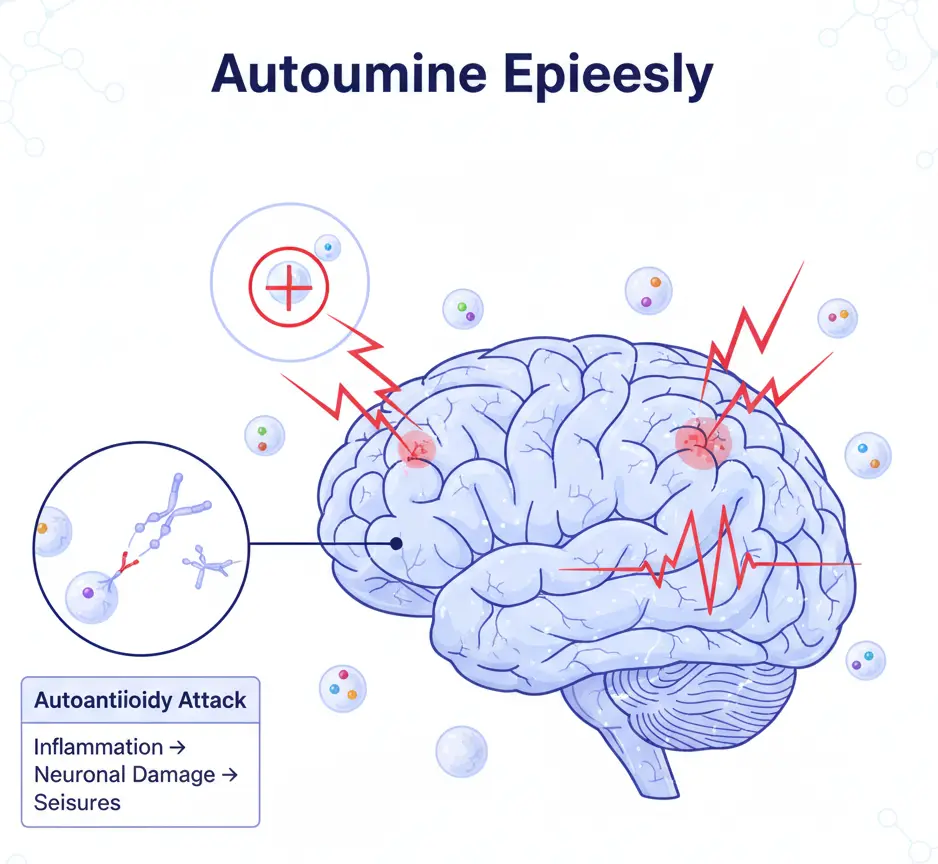
Diagnosis Autoimmune epilepsy is a type of epilepsy caused by the immune system attacking brain cells. Diagnosis begins with a physical exam and a detailed review of symptoms. Lab tests: Detect antibodies in the blood or cerebrospinal fluid (CSF). CSF is collected via a lumbar puncture, where a needle removes fluid from the lower back for testing. Some people with …

Turner Syndrome

admin

Diagnosis If your child’s doctor suspects Turner syndrome based on signs and symptoms, a chromosome analysis will be done. This test uses a blood sample, but sometimes a cheek scraping or skin sample may also be requested. The analysis checks for a missing X chromosome or a change in one of the X chromosomes. Prenatal diagnosis Turner syndrome can sometimes …

Tuberous Sclerosis

admin

Diagnosis Depending on symptoms, you or your child may see several specialists who are experienced in tuberous sclerosis. These may include experts in the brain, heart, eyes, skin and kidneys. Other specialists may be involved if needed. A physical exam is usually done, along with a discussion about symptoms and family history. The provider checks for growths, also called noncancerous …

Truncus Arteriosus

admin

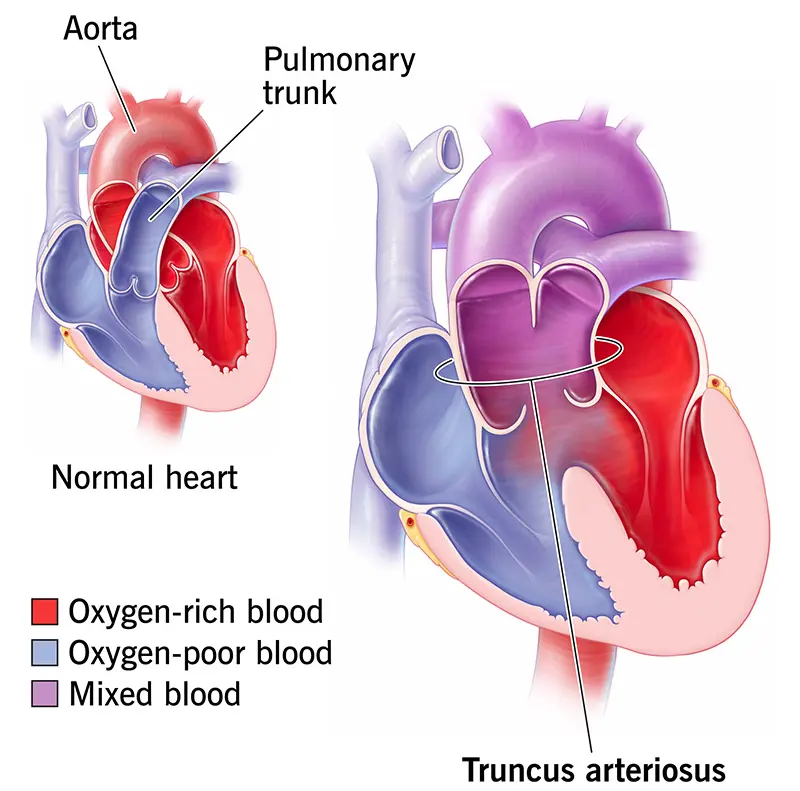
Diagnosis Truncus arteriosus is usually diagnosed soon after birth. A baby may appear blue or gray and have difficulty breathing. During the initial exam, a healthcare professional listens to the baby’s lungs for fluid and checks the heart for irregular heartbeats or a whooshing sound called a murmur. Tests to diagnose truncus arteriosus include: Pulse oximetry. A sensor on the …

Tricuspid Valve Regurgitation

admin

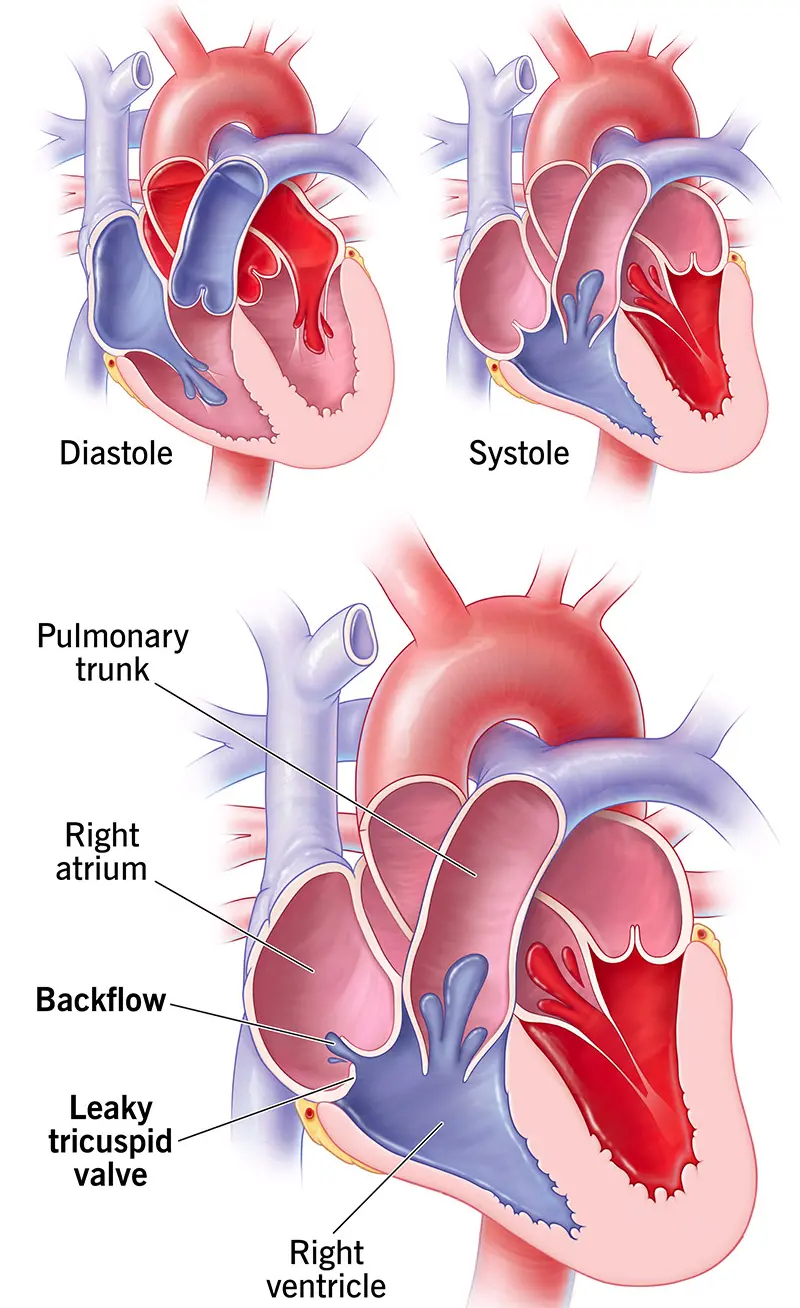
Diagnosis Tricuspid valve regurgitation can occur without noticeable symptoms and may be detected during heart imaging for other reasons. A healthcare professional examines you, asks about your symptoms and medical history, and listens to your heart with a stethoscope. A whooshing sound, called a heart murmur, may indicate valve leakage. Tests to diagnose tricuspid valve regurgitation include: • Echocardiogram – …

Tricuspid Valve Disease

admin

Diagnosis To diagnose tricuspid valve disease, a healthcare professional examines you and listens to your heart and lungs. The condition may be detected during tests performed for other reasons. Some types of tricuspid valve disease are harder to diagnose and may require evaluation by a cardiologist. Tests used to diagnose tricuspid valve disease may include: • Chest X-ray – Shows …

Tricuspid Atresia

admin

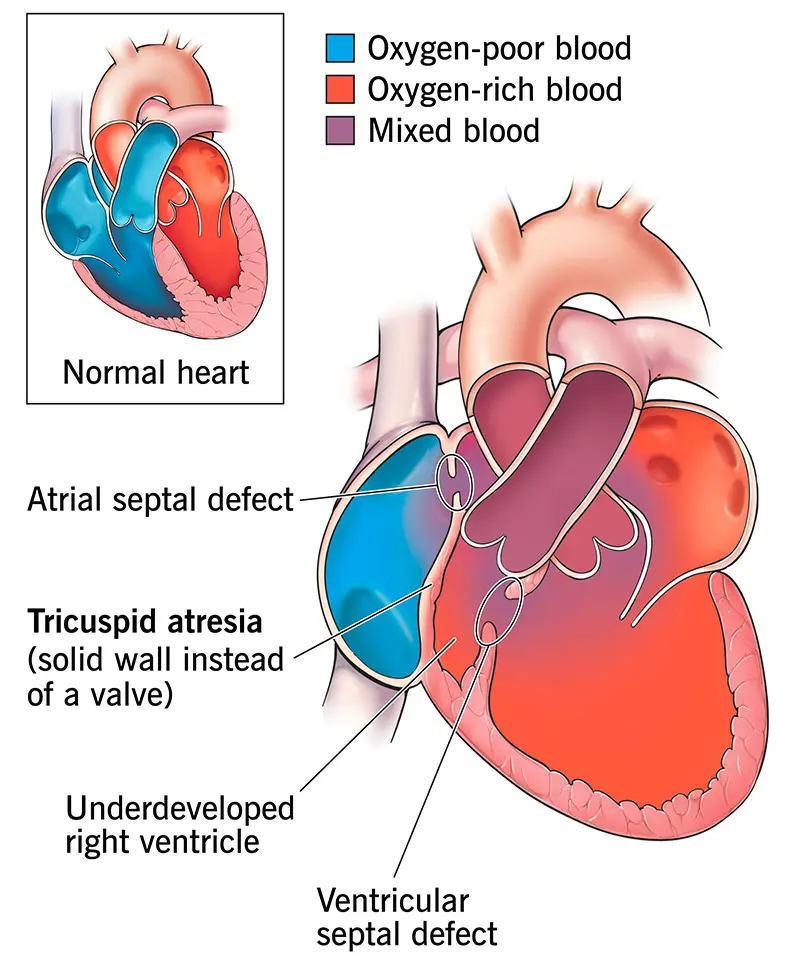
Diagnosis Tricuspid atresia may be diagnosed during a routine pregnancy ultrasound before birth. Proper prenatal care is important throughout pregnancy. After birth, a healthcare professional examines the baby and listens to the heart and lungs. Signs that may indicate tricuspid atresia include blue or gray skin, difficulty breathing, or an irregular heart sound called a murmur, caused by changes in …