Polycystic Kidney Disease

admin

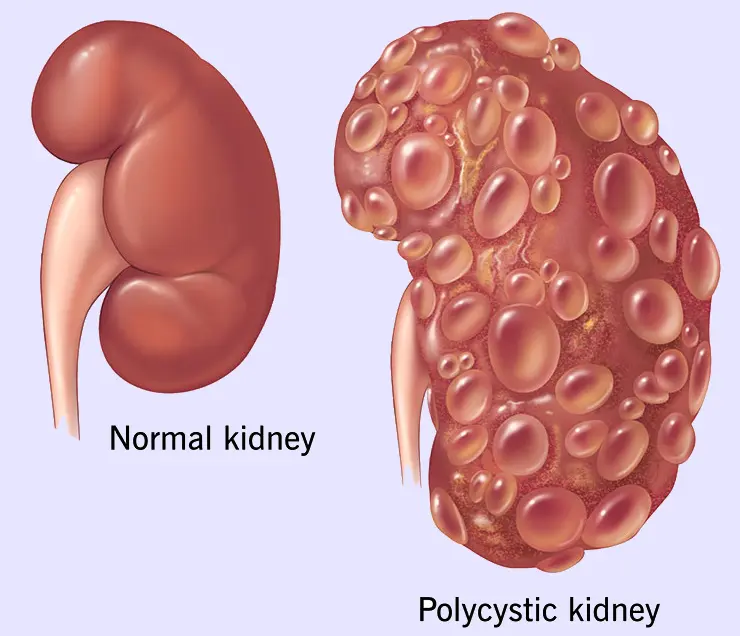
Diagnosis Polycystic kidney disease (PKD) is diagnosed through imaging tests that reveal the size, number, and location of kidney cysts. These tests also help assess how much healthy kidney tissue remains. Common diagnostic tests include:• MRI scan: Provides detailed images of the kidneys, liver, and pancreas. It helps measure total kidney volume and assess disease progression.• Ultrasound: A transducer sends …
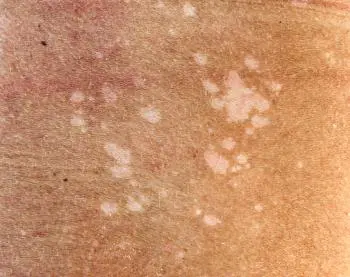
Tinea Versicolor

admin

Diagnosis A healthcare professional can often diagnose tinea versicolor simply by examining the affected skin. In many cases, a skin scraping is taken to check for fungus under a microscope. This is a quick and painless in-office procedure. If uncertainty remains, a skin biopsy may be recommended. A biopsy involves removing a small tissue sample for laboratory testing. Treatment Treatment …

Pityriasis Rosea

admin

Diagnosis In most cases, a healthcare provider can identify pityriasis rosea by examining the rash. Sometimes, additional tests such as a skin scraping or a skin biopsy may be needed. A skin biopsy involves taking a small sample of the affected skin to help distinguish pityriasis rosea from other similar rashes. Treatment Pityriasis rosea usually resolves on its own within …

Pituitary Tumors

admin

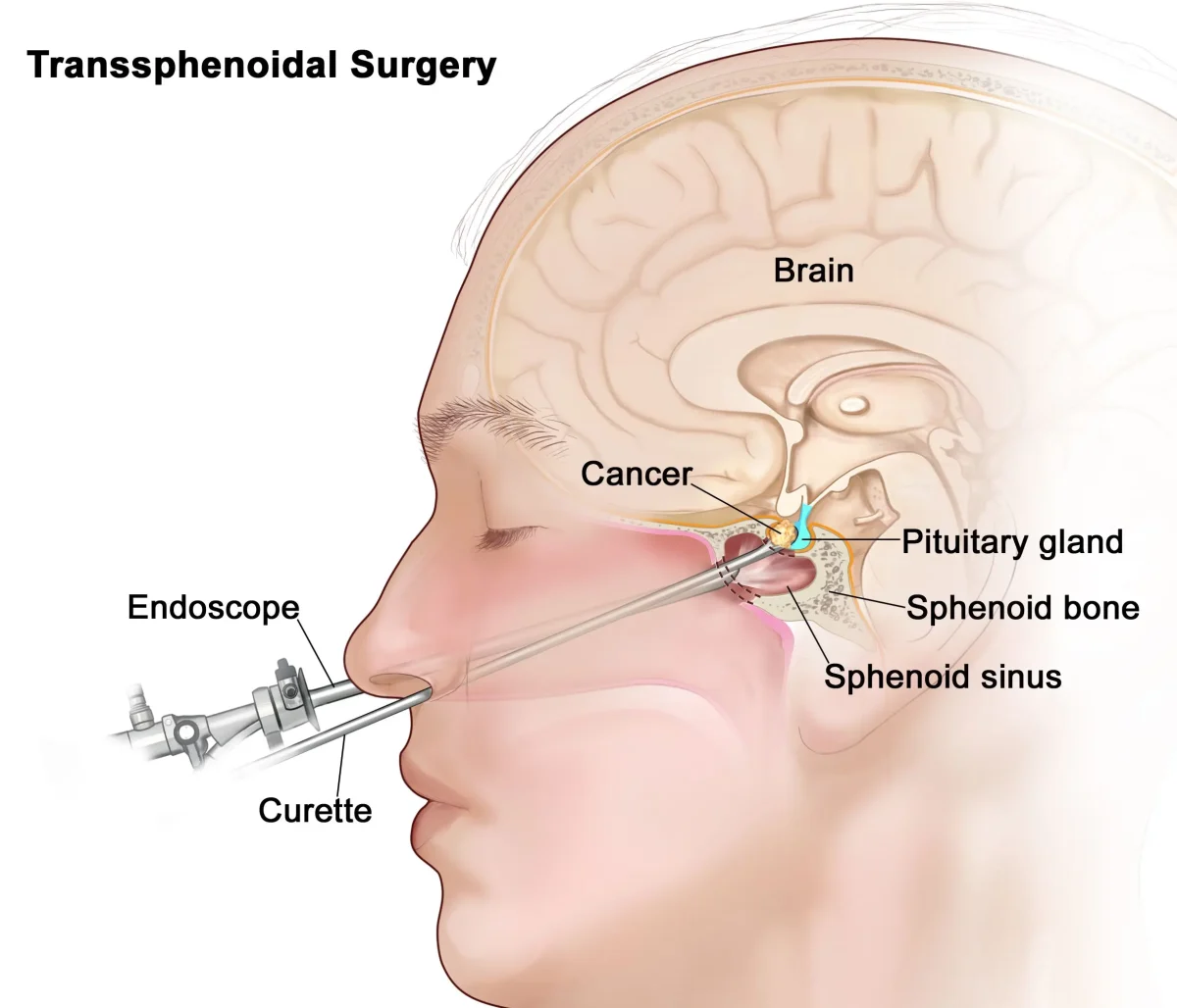
Diagnosis Pituitary tumors often go unnoticed because their symptoms can be similar to other medical conditions and they grow slowly. Functioning adenomas make hormones, while large tumors are called macroadenomas. Small nonfunctioning microadenomas usually do not cause symptoms and are often found incidentally during imaging exams, such as MRI or CT scans, done for other reasons. To diagnose a pituitary …

Pinworm Infection

admin

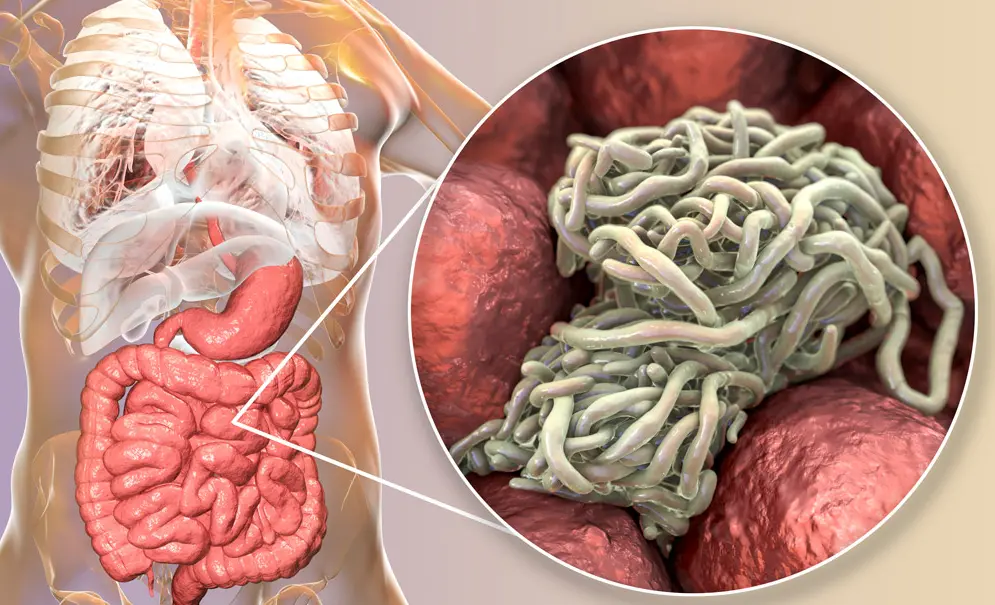
Diagnosis A pinworm infection can usually be diagnosed by your healthcare professional through an examination of the anal area and sometimes underwear to look for worms. For small children, you may be instructed to check these areas at night, about 2 to 3 hours after your child goes to sleep. Another common method is the tape test, which can be …

Pineoblastoma

admin

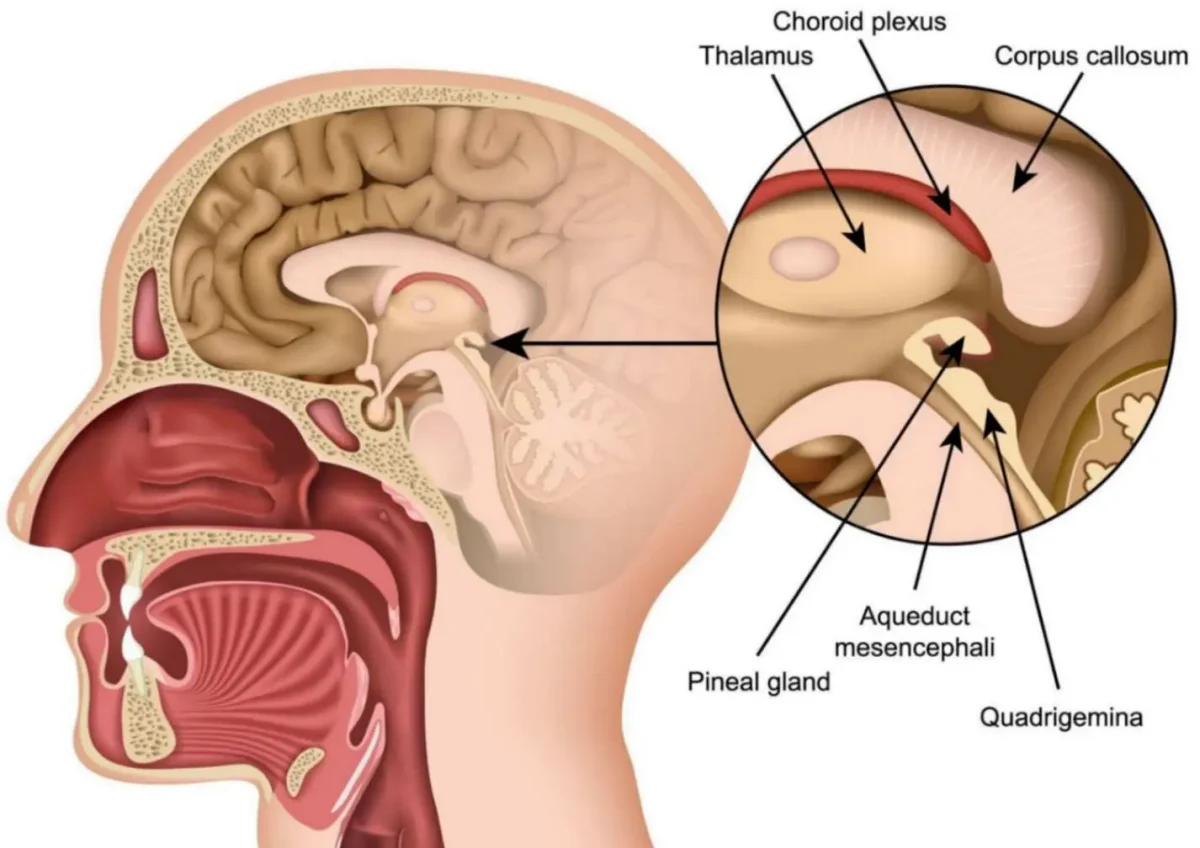
Diagnosis Pineoblastoma diagnosis often involves imaging tests to visualize the brain. Additional tests may include removing tissue or fluid for laboratory analysis. Imaging testsImaging helps determine the location and size of the pineoblastoma. Common tests include: • Magnetic resonance imaging (MRI), often with advanced techniques such as perfusion MRI or magnetic resonance spectroscopy.• Computerized tomography (CT) scans.• Positron emission tomography …

Pinched Nerve

admin

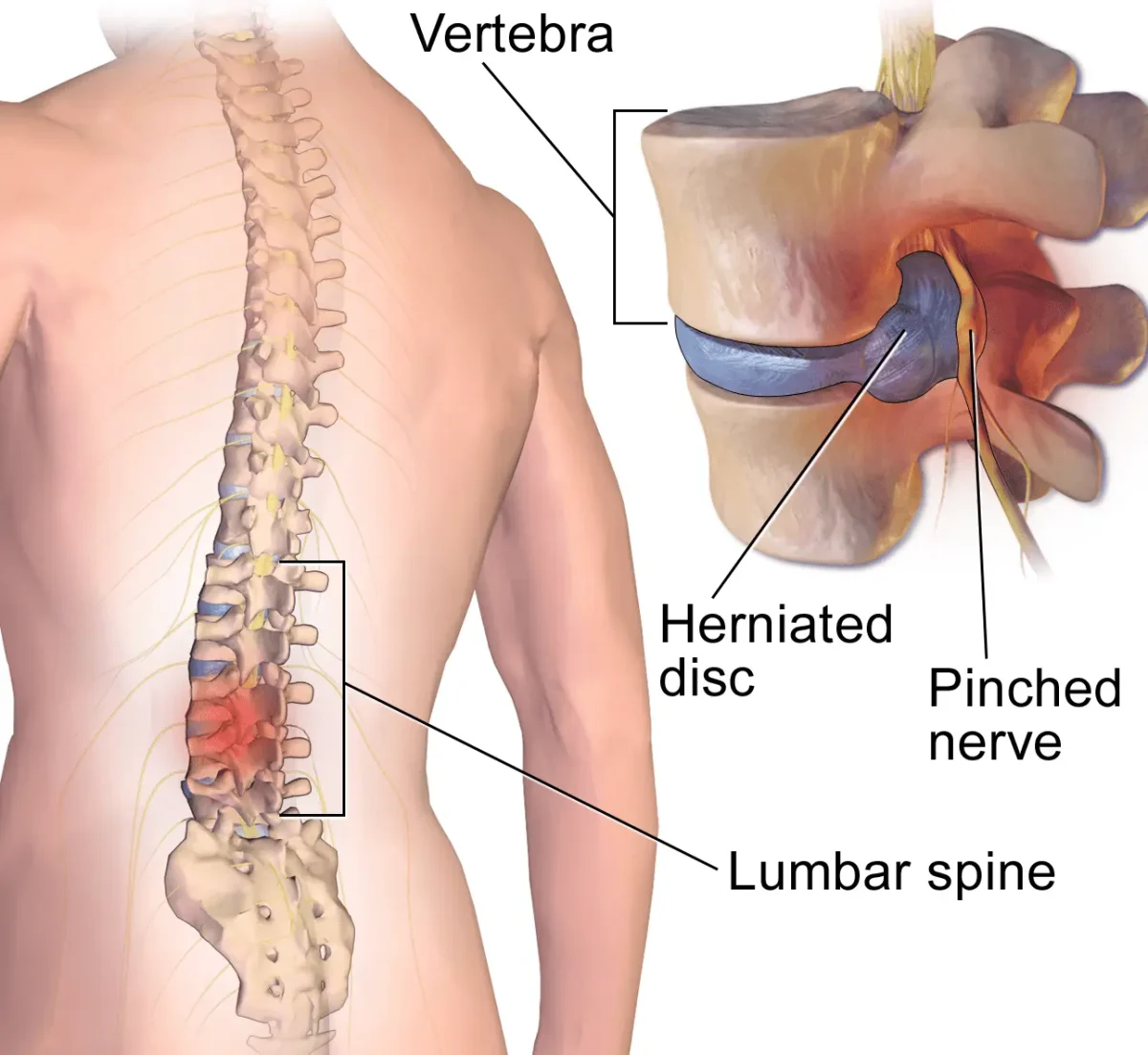
Diagnosis To diagnose a pinched nerve, your healthcare professional will review your symptoms and conduct a physical exam. If a pinched nerve is suspected, several tests may be recommended: • Blood tests to measure fasting blood glucose or thyroid levels.• Spinal tap (lumbar puncture) to collect cerebrospinal fluid for signs of inflammation or infection.• X-rays to assess bone positioning and …

Sacral Dimple

admin

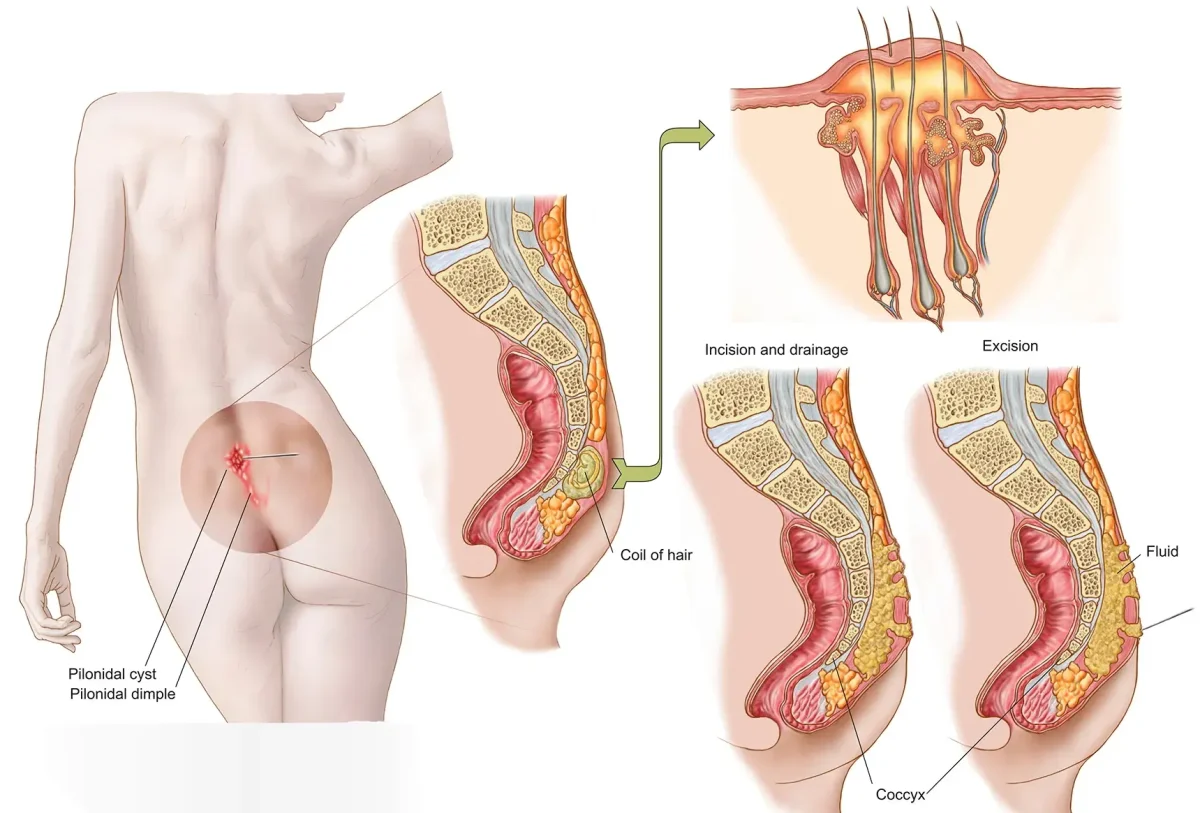
Diagnosis A sacral dimple is typically diagnosed during a newborn’s first physical exam. Most are harmless and require no further evaluation. If the dimple is large or appears with features such as a tuft of hair, a skin tag, a lump or certain skin discolorations, imaging tests may be recommended to look for possible spinal cord issues. Tests that may …

Thrombophlebitis

admin

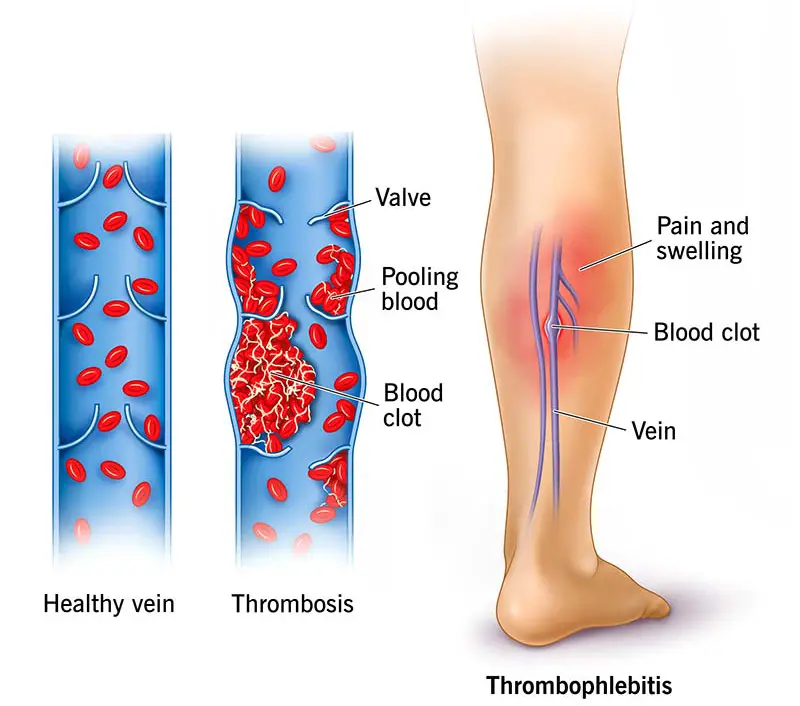
Diagnosis To diagnose thrombophlebitis, your doctor will ask about your discomfort and examine veins near the skin’s surface. Imaging and lab tests may be used to confirm the diagnosis and assess risk factors: • Ultrasound. A wandlike device (transducer) is moved over the affected area of your leg. Sound waves create moving images on a screen, allowing your doctor to …

Pheochromocytoma

admin

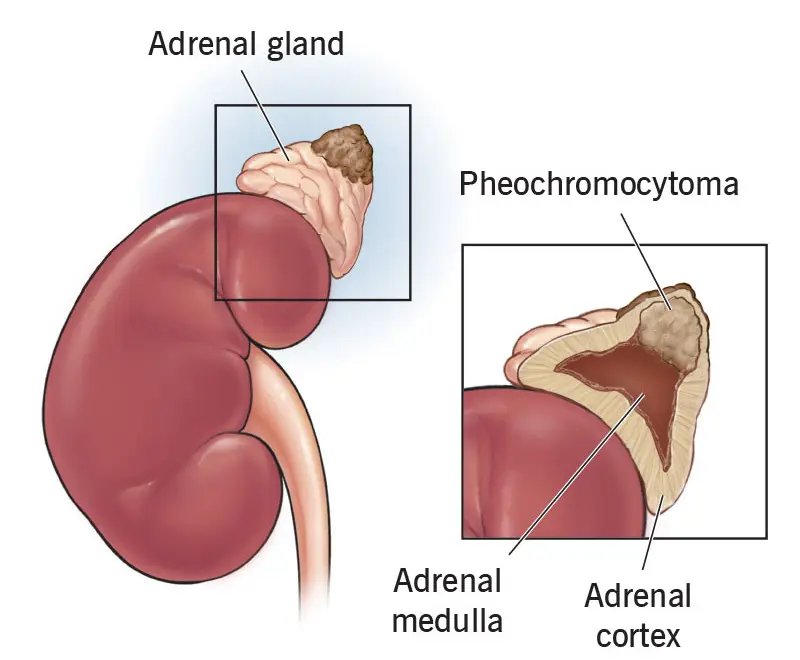
Diagnosis To determine if you have a pheochromocytoma, your healthcare professional will likely order several tests. Lab testsThese tests measure levels of adrenaline, noradrenaline, and their byproducts called metanephrines. Elevated metanephrine levels are more common in people with pheochromocytoma. • 24-hour urine test: You collect all urine for 24 hours. Written directions will guide how to store, label, and return …