Diagnosis Newborn screening identifies almost all cases of phenylketonuria (PKU). In the United States, all 50 states require newborns to be screened for PKU, and many other countries routinely screen infants as well. If you have PKU or a family history of it, your healthcare provider may recommend screening tests before pregnancy or birth. Blood tests can also identify PKU …
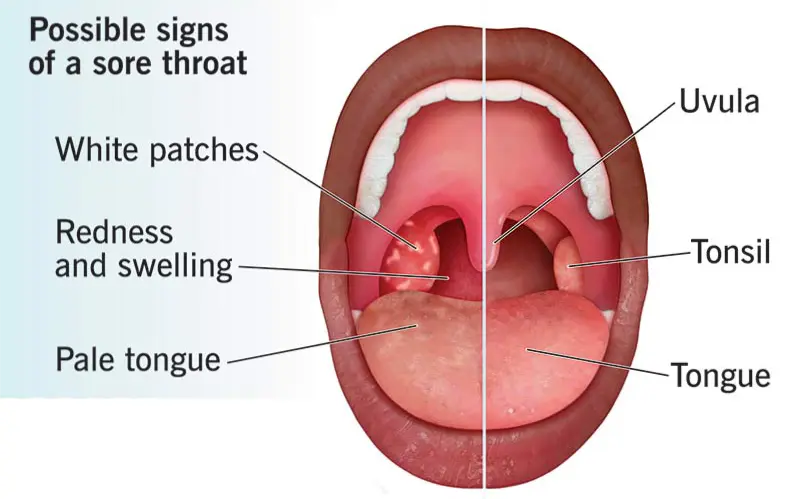
Sore Throat
Diagnosis To diagnose a sore throat, a healthcare professional may perform several basic checks during the evaluation. These help identify signs of infection and other possible causes of throat pain. Use a lighted tool to examine the throat, ears, and nose Gently feel the neck to check for swollen lymph nodes Listen to breathing using a stethoscope A throat swab …
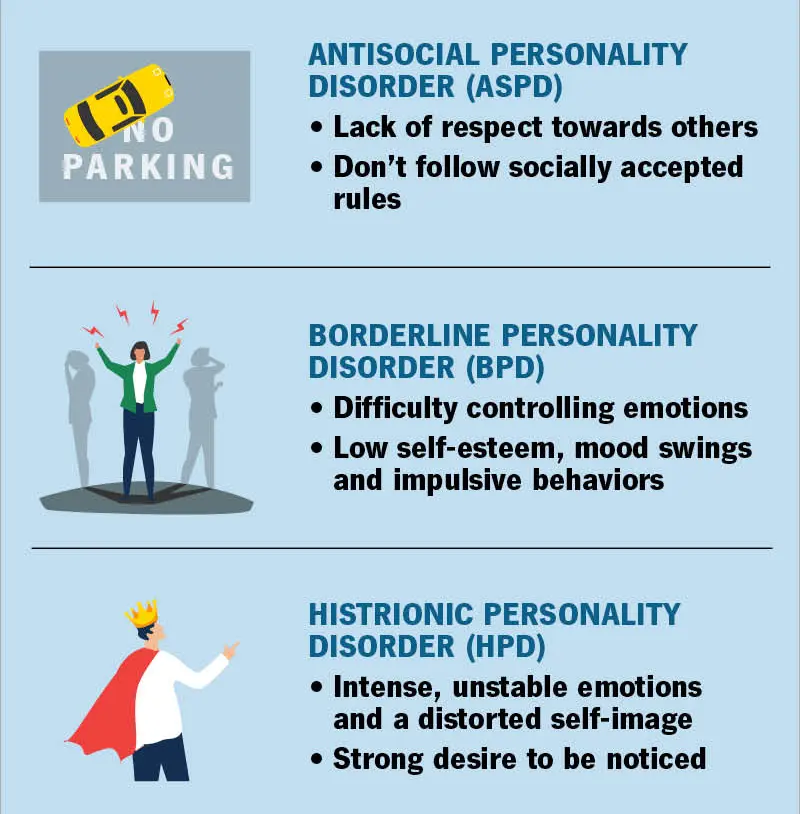
Personality Disorders
Diagnosis Determining whether you have a personality disorder involves several steps: • Physical exam. Your doctor may check your overall health and order lab tests or screening for alcohol and drug use to rule out underlying conditions.• Mental health evaluation. A mental health professional may assess your thoughts, feelings, and behavior. Questionnaires and input from family members may be used …
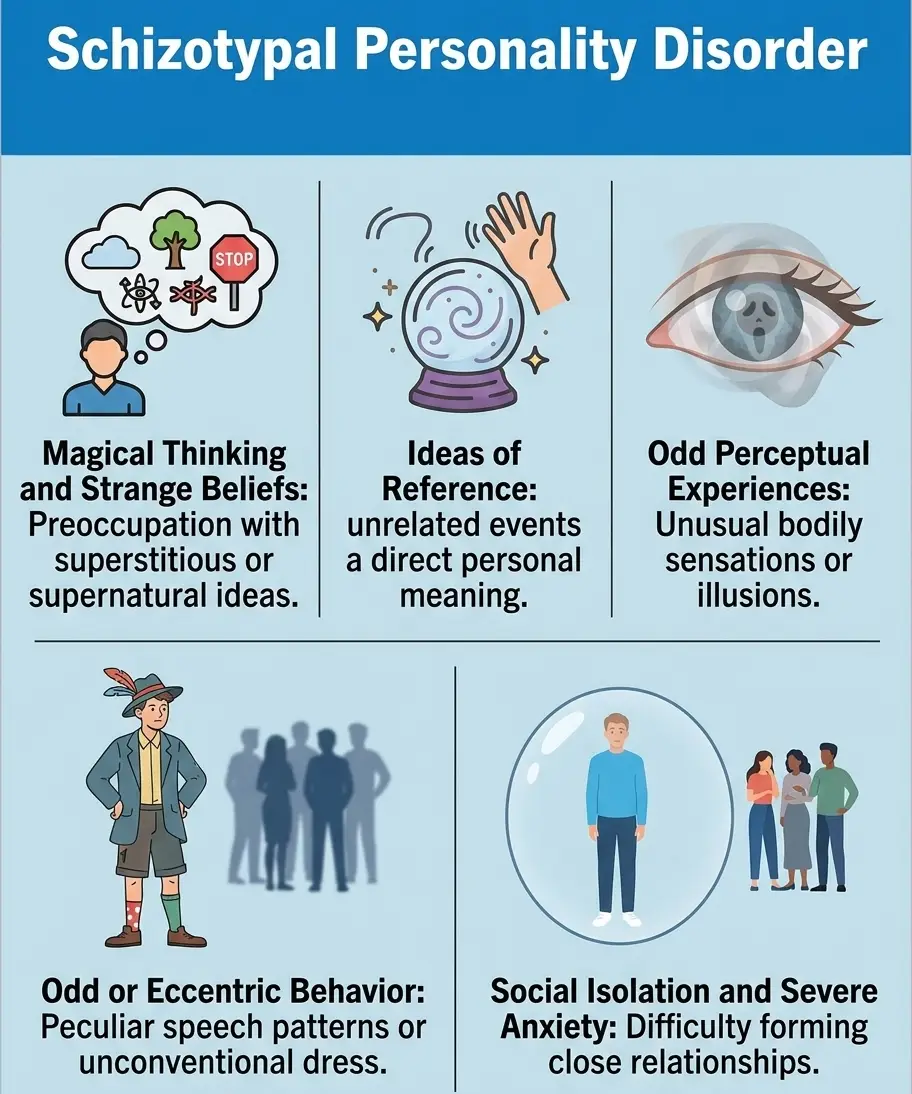
Schizotypal Personality Disorder
Diagnosis People with schizotypal personality disorder often seek help due to symptoms such as anxiety, depression, difficulty coping with social situations, or substance misuse. Diagnosis usually begins with a physical exam to rule out other medical conditions. Your healthcare professional may then refer you to a mental health specialist for a more detailed evaluation. Diagnosis is typically based on: A …
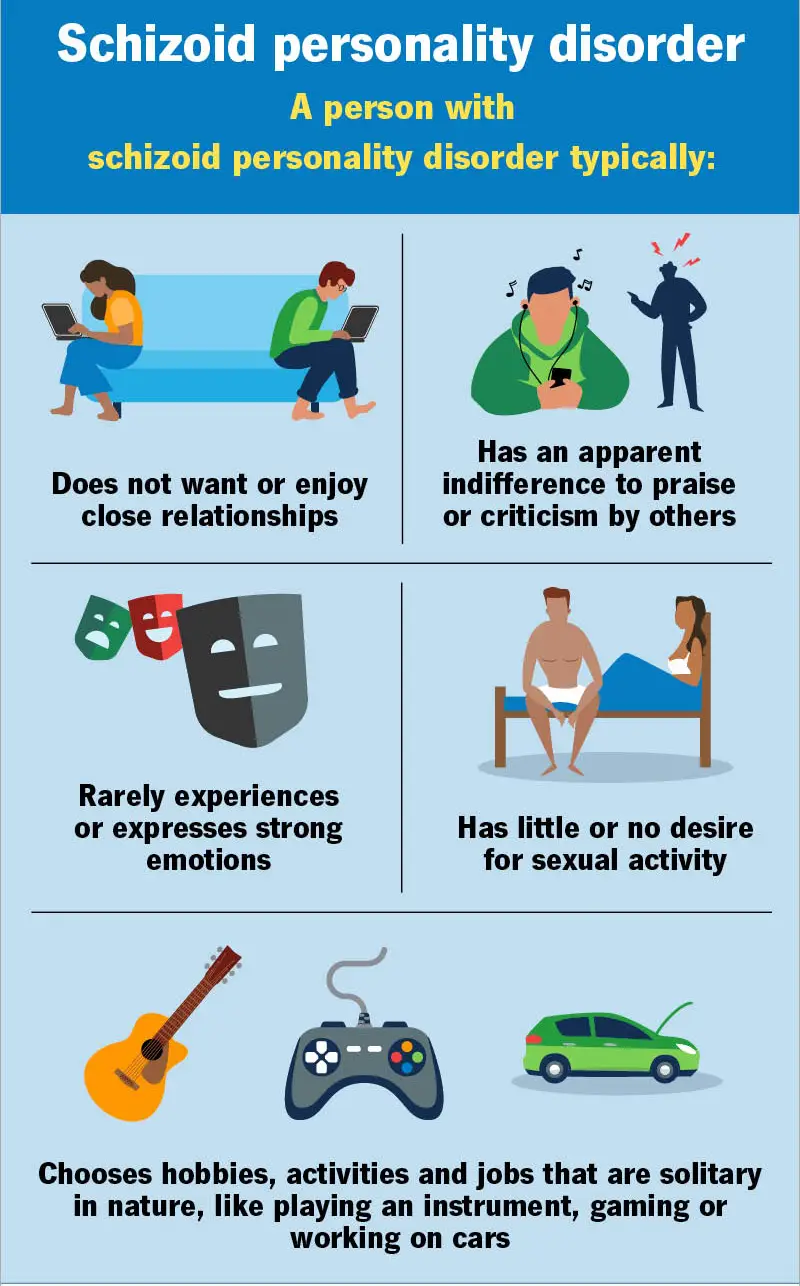
Schizoid Personality Disorder
Diagnosis Diagnosis of schizoid personality disorder begins with a physical exam to rule out other medical conditions. Your primary care doctor may refer you to a mental health professional for further evaluation. A mental health professional will: Discuss your symptoms and ask detailed questions about your thoughts, feelings, and behaviors. Review your medical, personal, and family history to help determine …
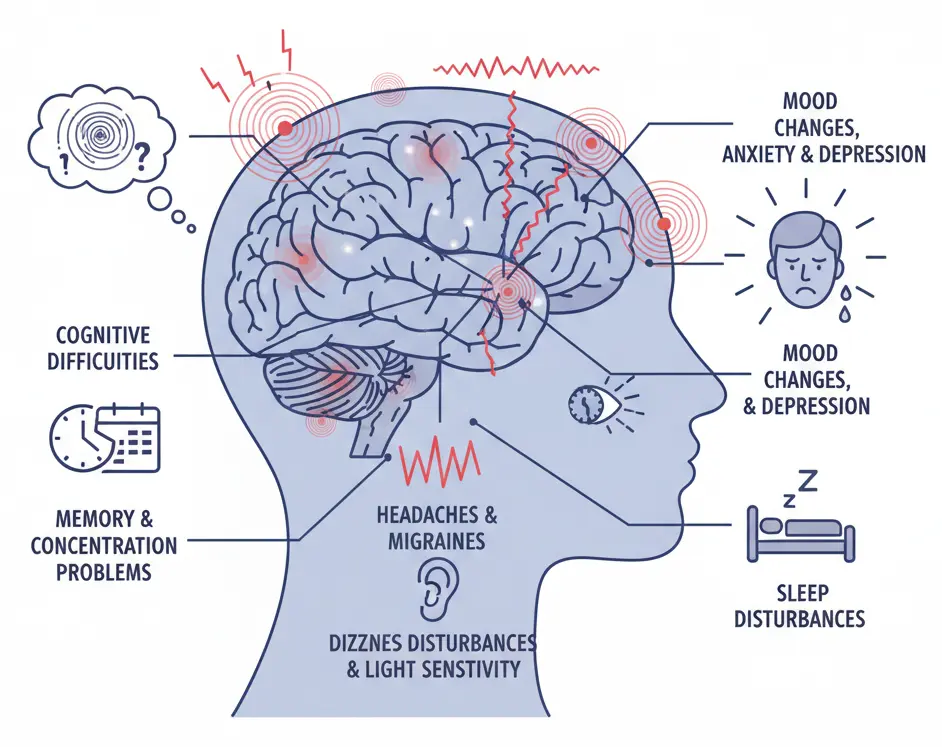
Persistent Post-Concussive Symptoms (Post-Concussion Syndrome)
Diagnosis There is no single test to confirm persistent post-concussive symptoms. Healthcare professionals typically start with a thorough medical history and may use the following assessments: • Neurological exam to test memory, thinking, senses, strength, coordination, and reflexes• Neurological testing to further evaluate concentration, memory, language, thinking, and planning skills• Imaging such as CT or MRI scans to check for …
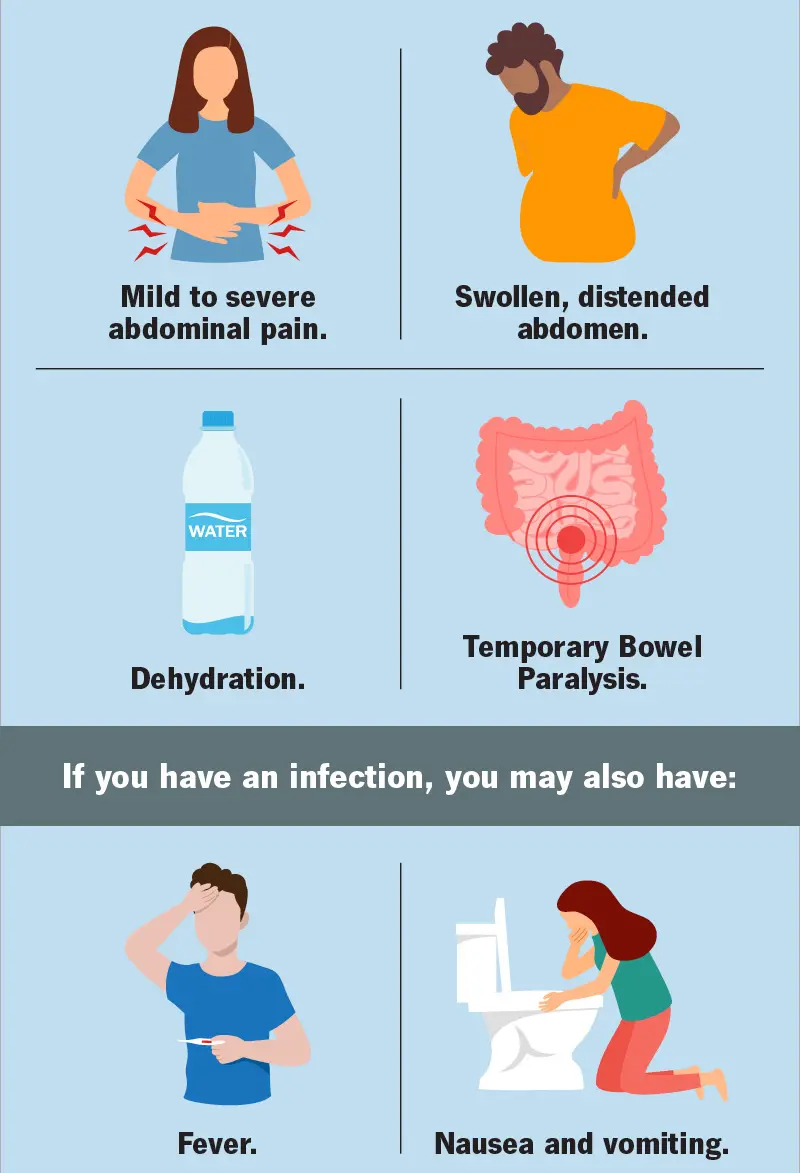
Peritonitis
Diagnosis To diagnose peritonitis, a healthcare professional reviews your medical history and performs a physical exam. In some cases, symptoms alone, especially in people on peritoneal dialysis, may be enough to make a diagnosis. Additional tests that may be recommended include: • Blood tests to check for increased white blood cells, which indicate infection or inflammation. Blood cultures may be …
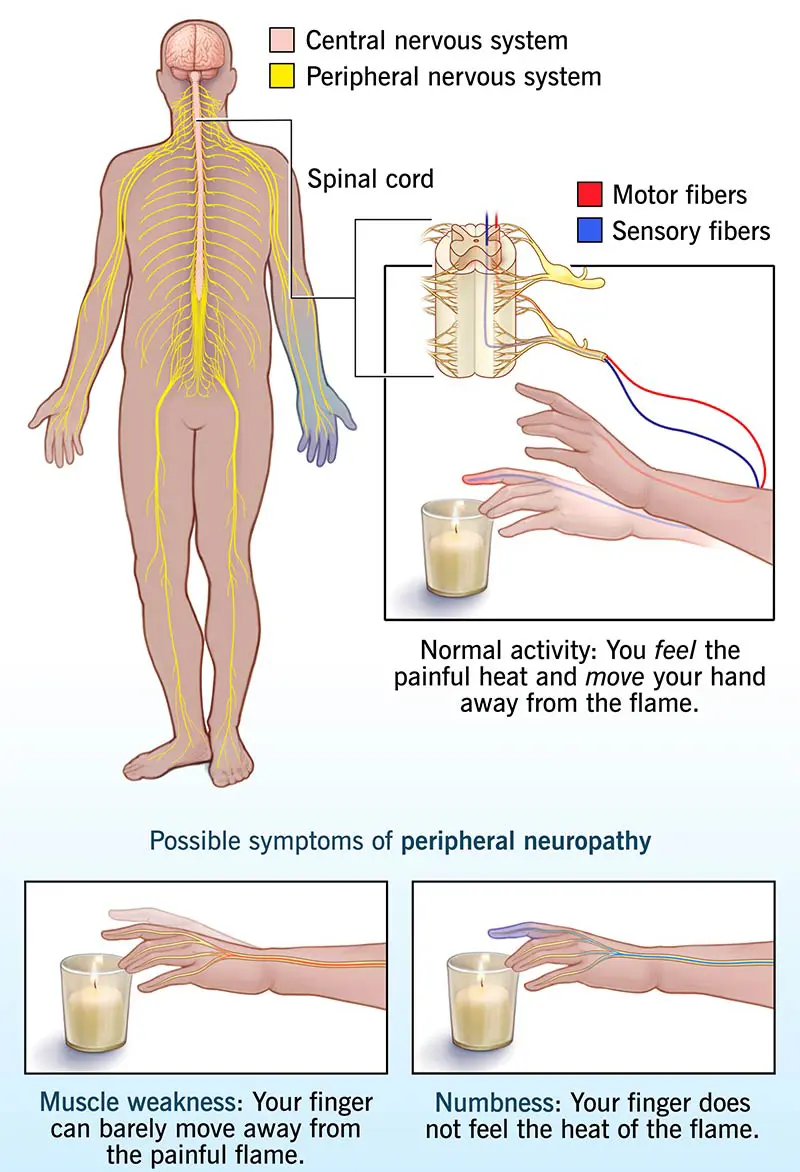
Peripheral Neuropathy
Diagnosis To diagnose a peripheral nerve tumor, a healthcare professional reviews your medical history and asks about symptoms. A general physical and neurological exam is performed to assess nerve function. Diagnostic tests may include: • Magnetic resonance imaging (MRI), which uses magnets and radio waves to create a detailed 3D view of nerves and surrounding tissue.• Computerized tomography (CT), where …
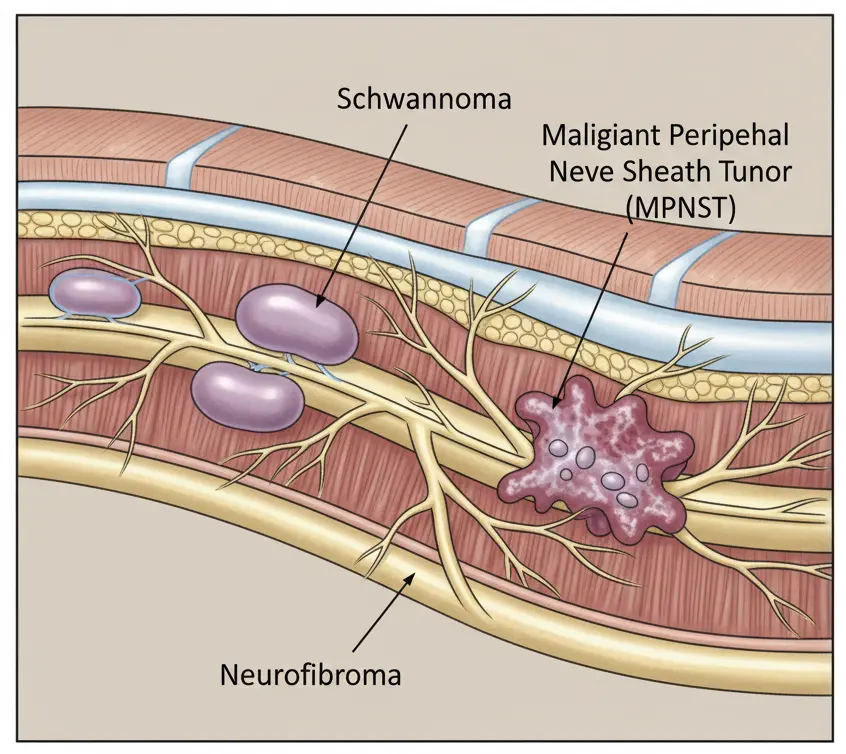
Peripheral Nerve Tumors
Diagnosis To diagnose a peripheral nerve tumor, a healthcare professional reviews your medical history and asks about symptoms. A general physical and neurological exam is performed to assess nerve function. Diagnostic tests may include: • Magnetic resonance imaging (MRI), which uses magnets and radio waves to create a detailed 3D view of nerves and surrounding tissue.• Computerized tomography (CT), where …
Peripheral Nerve Injuries
Diagnosis To diagnose peripheral nerve injuries, a healthcare professional reviews your medical history, asking about accidents, surgeries, and current symptoms. A physical and neurological exam is conducted to assess nerve function. Diagnostic tests may include: • Electromyography (EMG), which uses a thin-needle electrode inserted into the muscle to record electrical activity at rest and during movement. Reduced activity can suggest …