Perimenopause

admin

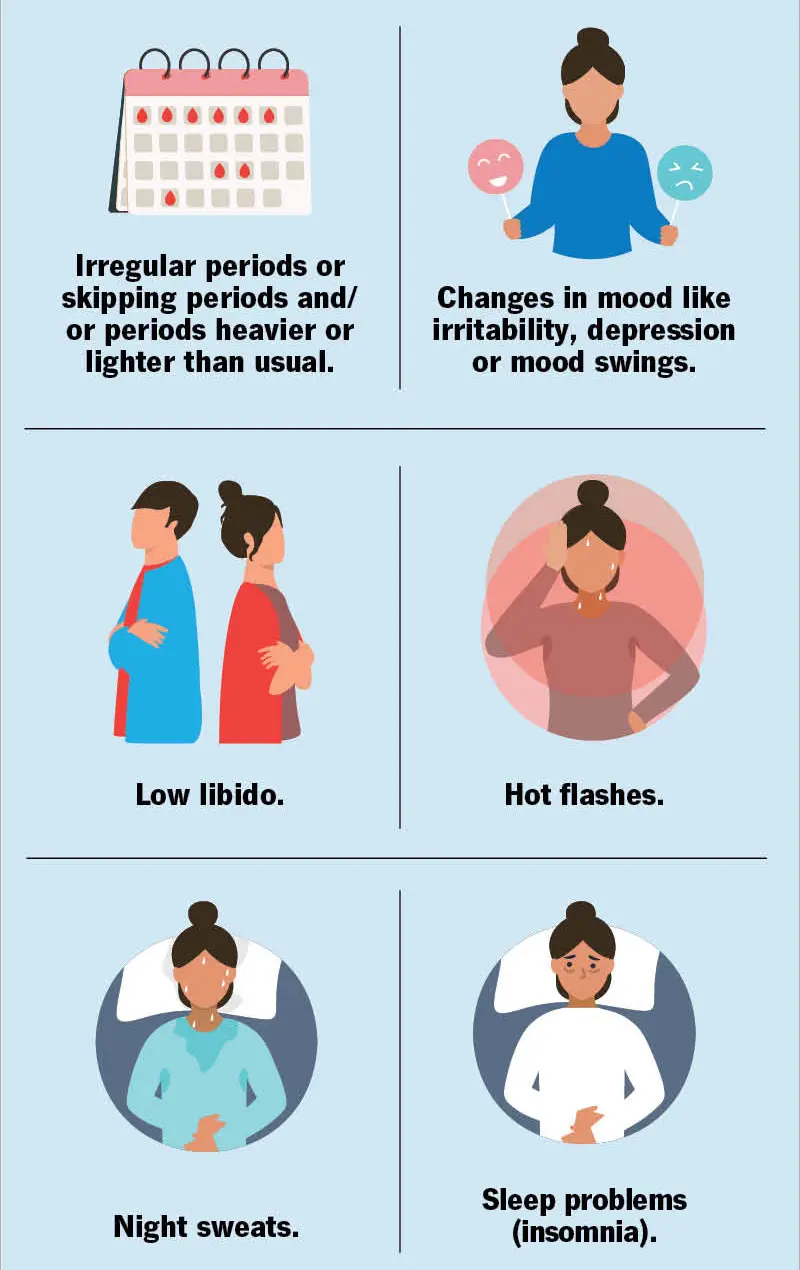
Diagnosis Perimenopause is a gradual transition, and there is no single test or symptom that confirms its onset. Healthcare professionals evaluate several factors, including age, menstrual history, and the presence of symptoms or bodily changes. Hormone tests may sometimes be ordered to check levels, but except for thyroid testing—which can affect hormone balance—these tests are generally not helpful because hormone …

Pemphigus

admin

Diagnosis Diagnosis of pemphigus begins with a healthcare professional reviewing your medical history and symptoms, followed by a physical examination of the affected area. Additional tests may include: • Biopsy. A small sample of blister tissue is taken and examined in a lab to confirm pemphigus.• Blood tests. These tests detect specific antibodies in the blood that are associated with …

Pelvic Organ Prolapse

admin

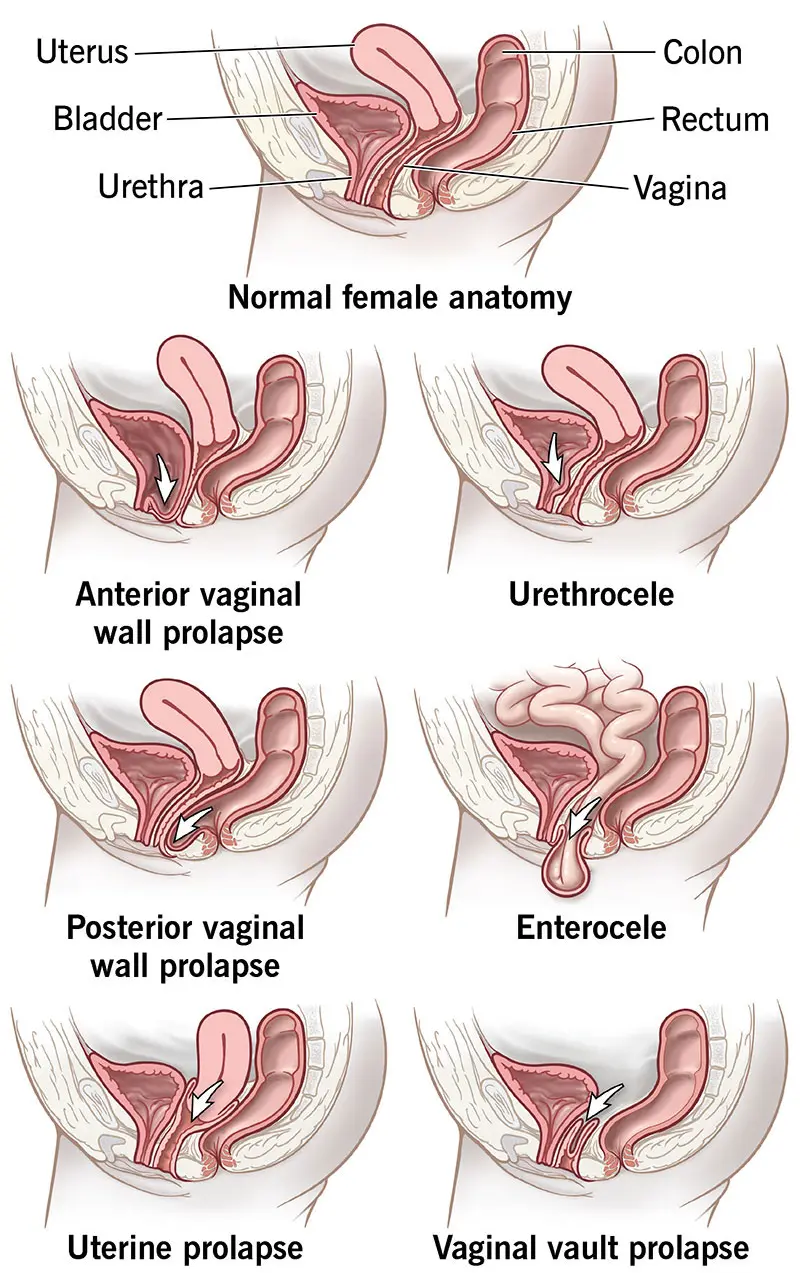
Diagnosis Diagnosis of pelvic organ prolapse starts with a medical history and a pelvic exam. This helps your healthcare professional determine the type of prolapse you may have. Additional tests may include: • Pelvic floor strength tests. During a pelvic exam, the provider evaluates the strength of the pelvic floor and sphincter muscles, which support the vaginal walls, uterus, rectum, …

Pelvic Inflammatory Disease (PID)

admin

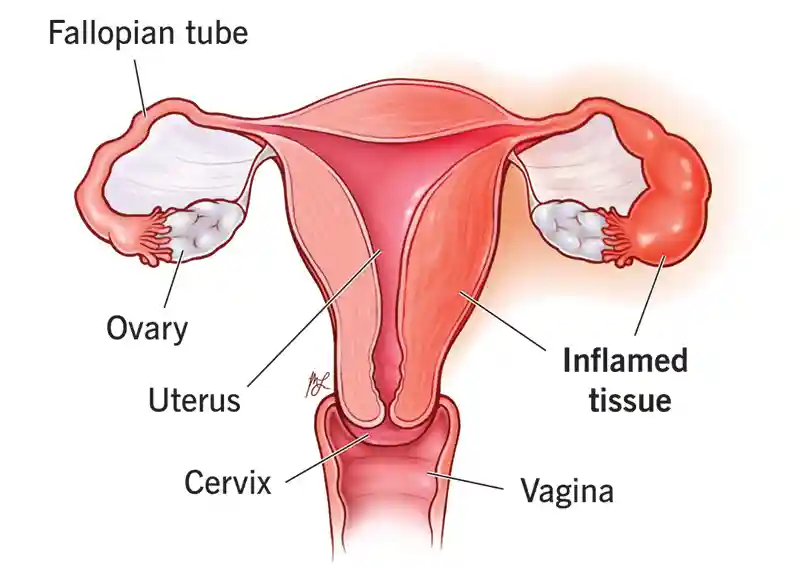
Diagnosis There is no single test that can definitively diagnose pelvic inflammatory disease (PID). Healthcare providers use a combination of information from: • Medical history. Your provider may ask about your sexual activity, history of sexually transmitted infections, and birth control methods.• Signs and symptoms. Share all symptoms you are experiencing, even if they seem mild.• Pelvic exam. The provider …

Polycystic Ovary Syndrome (PCOS)

admin

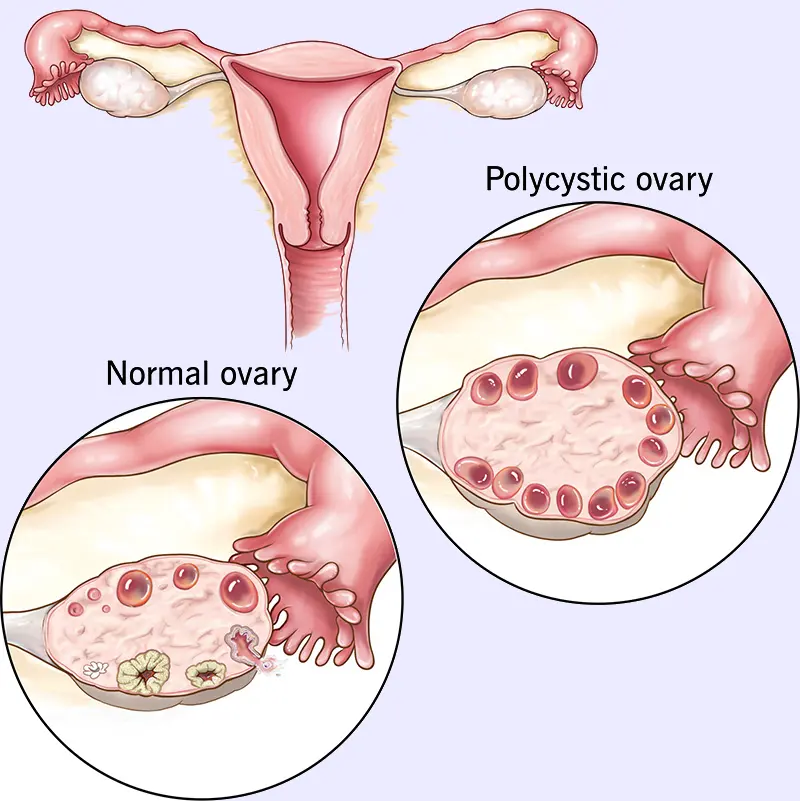
Diagnosis There is no single test that can definitively diagnose polycystic ovary syndrome (PCOS). Diagnosis typically begins with a discussion of symptoms, medical history, medications, menstrual cycles, and weight changes. A physical exam may include checking for signs of excess hair growth, acne, or insulin resistance. Additional diagnostic tools may include:• Pelvic exam: Evaluates reproductive organs for growths, masses, or …

Patent Ductus Arteriosus (PDA)

admin

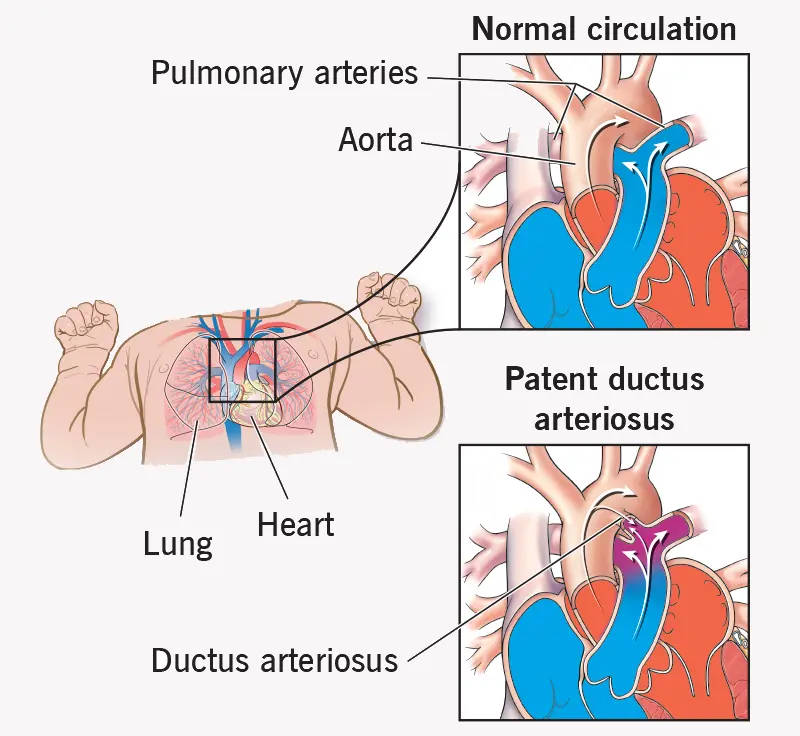
Diagnosis To diagnose patent ductus arteriosus (PDA), a healthcare professional performs a physical exam and reviews medical history. A heart murmur may be heard while listening to the heart with a stethoscope. Tests that may be used to diagnose PDA include: • Echocardiogram, which uses sound waves to create images of the beating heart and blood flow, helping to identify …

Patellofemoral Pain Syndrome

admin

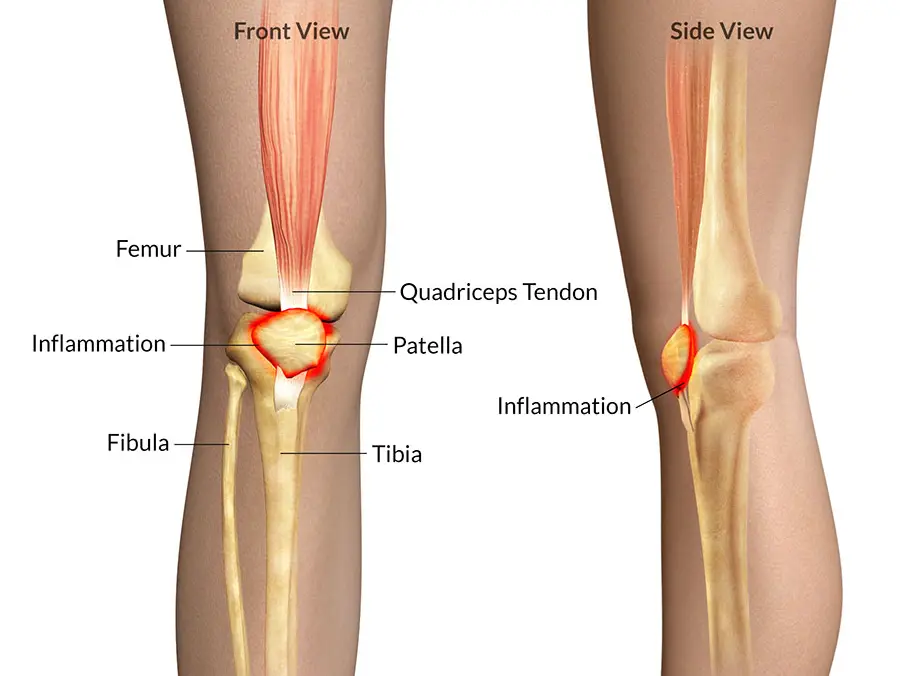
Diagnosis To diagnose patellofemoral pain, your healthcare provider will review your medical history, ask about previous knee problems, and examine your knee by pressing on it and moving your leg through various positions. Imaging tests may be used to help identify the cause of knee pain, including: • X-rays to view the bones, though they are less effective for soft …

Parotid Tumors

admin

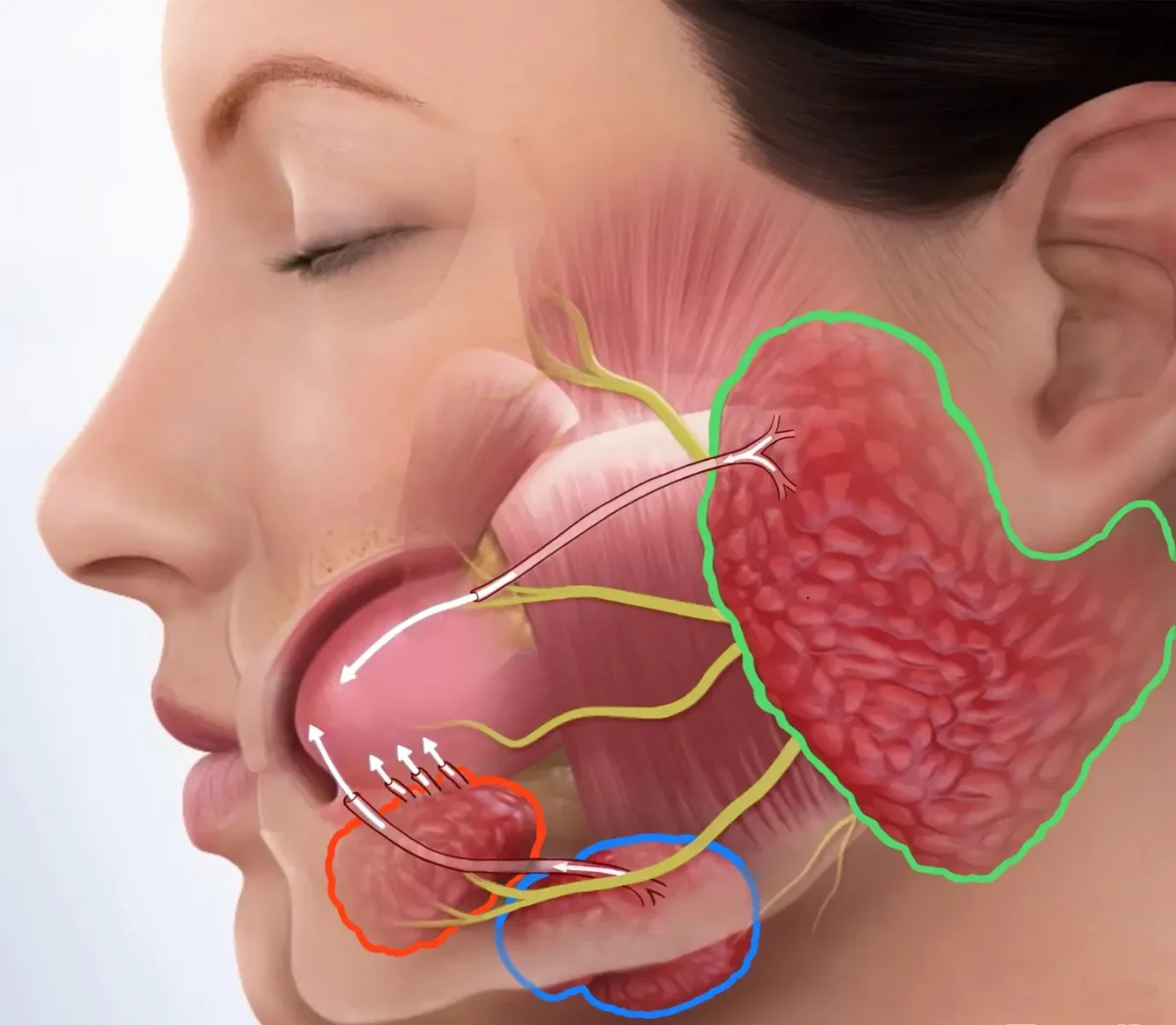
Diagnosis Tests and procedures used to diagnose a parotid tumor help identify the type of growth and guide your treatment plan. A healthcare professional may begin with a physical exam and then suggest imaging or tissue sampling to understand the nature of the tumor. A physical examA healthcare professional examines the jaw, neck and throat to feel for lumps or …

Parkinson’s Disease

admin

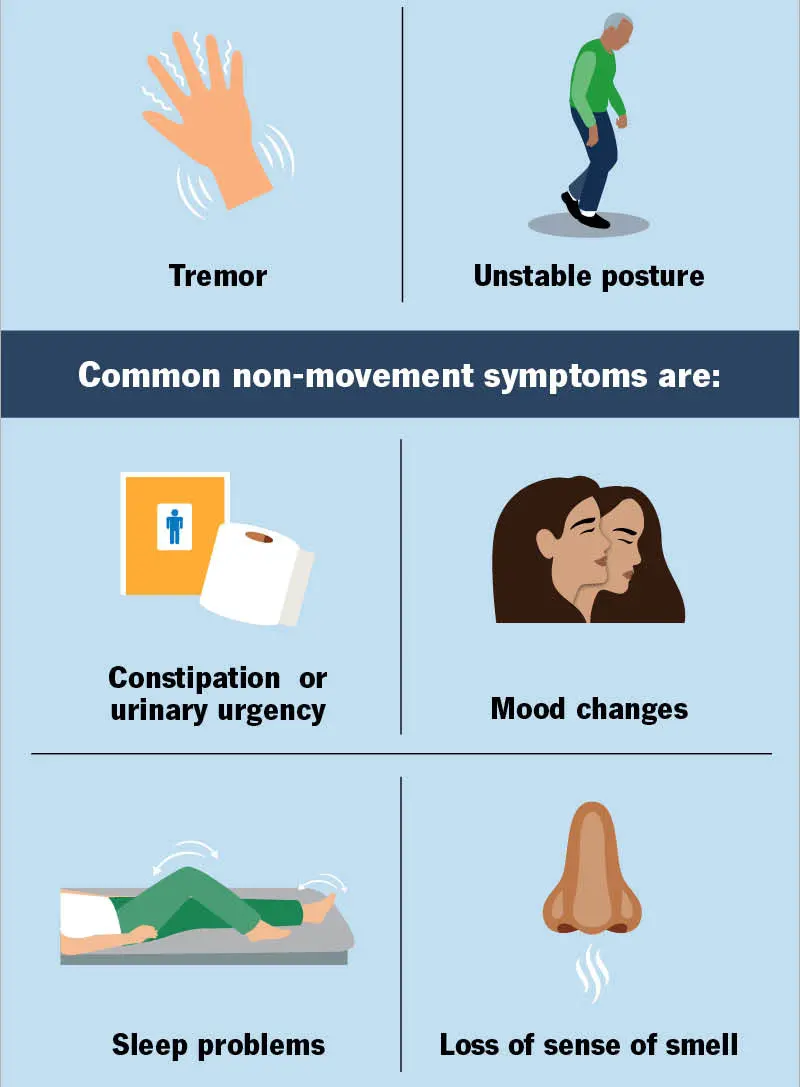
Diagnosis A diagnosis of Parkinson’s disease is based on your medical history, a review of symptoms, and a neurological and physical exam. There is no single test that confirms Parkinson’s disease. A neurologist trained in movement disorders evaluates how symptoms change over time, which may require several follow-up visits before a clear diagnosis is made. Your healthcare team may recommend …

Paraganglioma

admin

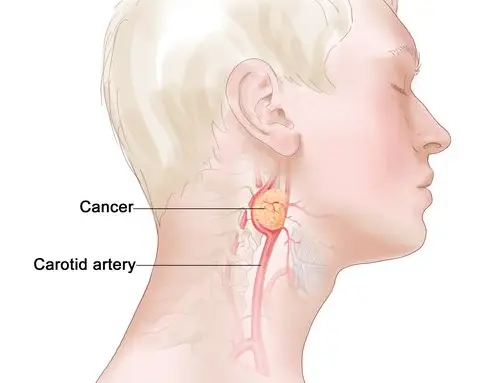
Diagnosis Paraganglioma diagnosis often begins with blood and urine tests that look for signs of excess hormones made by the tumor. These tests can identify elevated catecholamines or proteins such as chromogranin A, which may suggest a paraganglioma. Depending on symptoms and risk factors, additional imaging and genetic tests may be recommended. Blood and urine tests measure hormone levels to …