Partial Anomalous Pulmonary Venous Return

admin

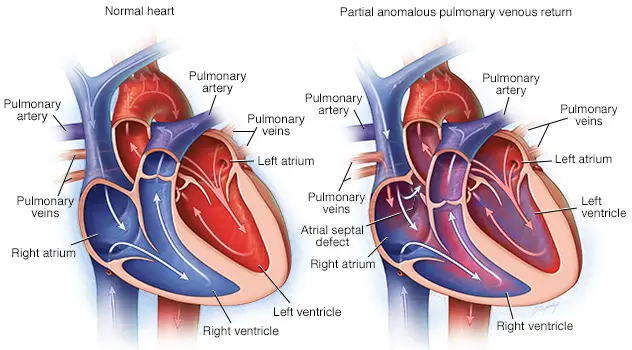
Diagnosis To diagnose congenital heart disease in adults, a healthcare professional examines you and listens to your heart with a stethoscope. You are usually asked questions about current symptoms and your medical and family history. Tests Tests are used to check overall heart health and rule out other conditions that may cause similar symptoms. Common tests to diagnose or confirm …
Panic Attacks and Panic Disorder

admin

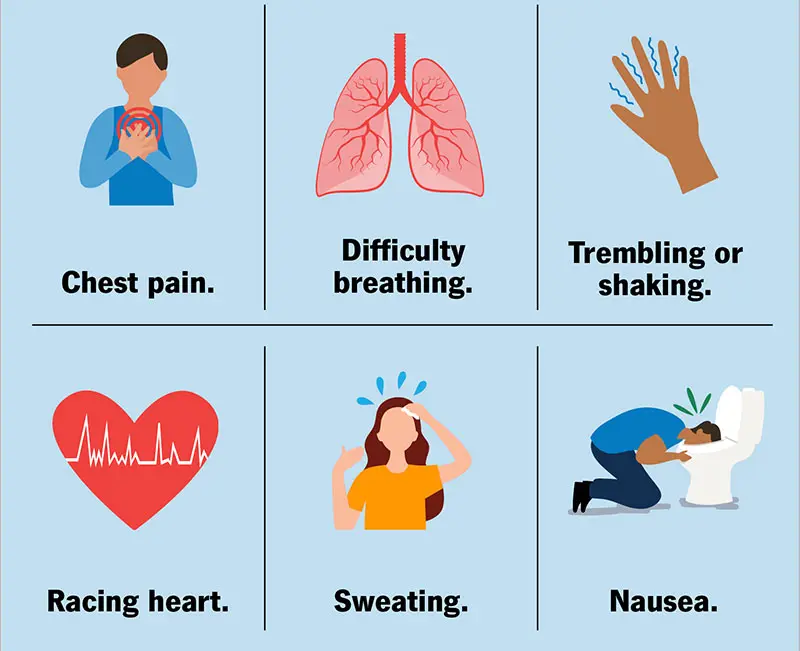
Diagnosis Your primary care provider evaluates whether you are experiencing panic attacks, panic disorder, or another condition such as thyroid or heart issues that can cause similar symptoms. The diagnostic process usually includes a review of your symptoms, overall health, and any factors that may contribute to episodes of panic. To help confirm a diagnosis, you may have: A complete …

Paget’s Disease of the Breast

admin

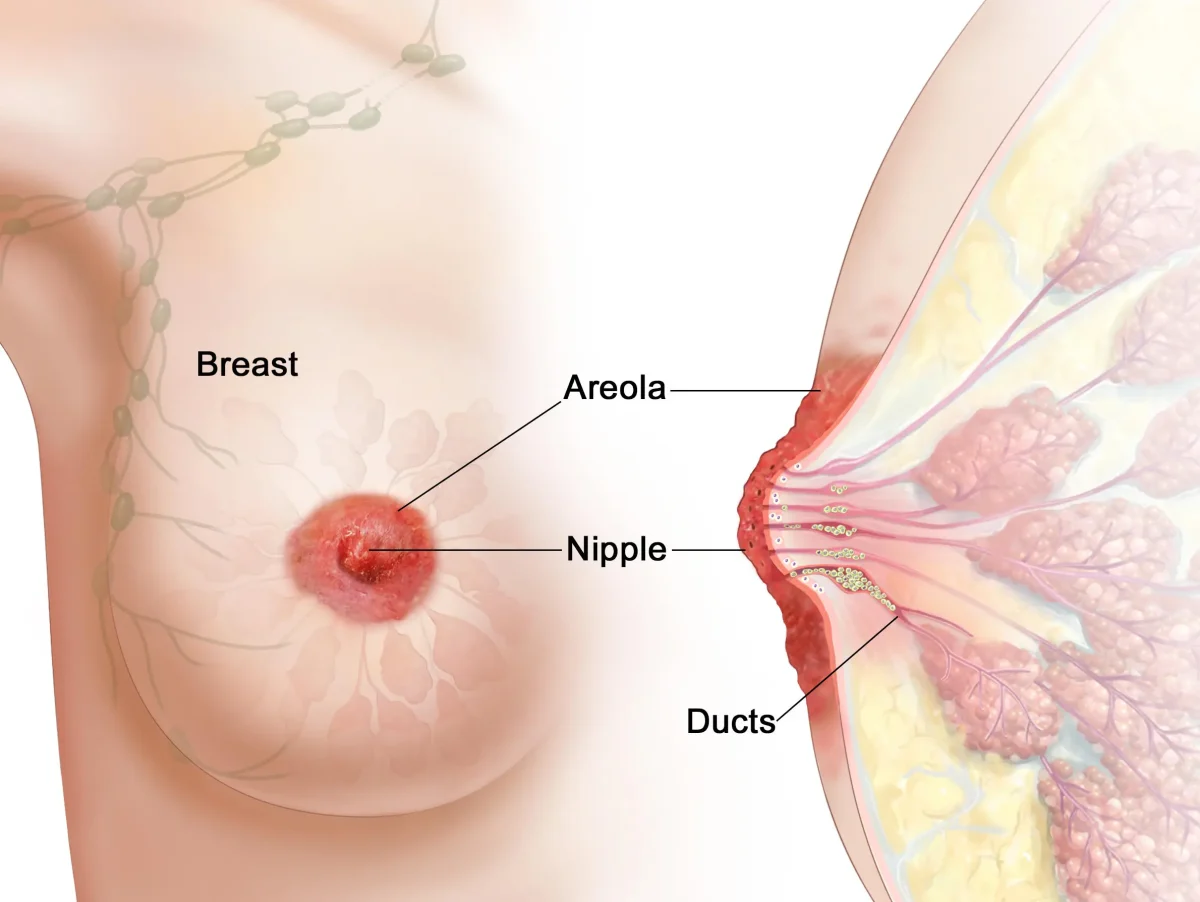
Diagnosis To diagnose Paget’s disease of the breast, a healthcare professional often begins with a physical exam and a review of symptoms. Because most people with Paget’s disease of the breast also have cancer within the breast tissue, imaging tests are used to evaluate the breast for signs of cancer. Diagnosis is confirmed by removing a sample of tissue from …

Paget’s Disease of Bone

admin

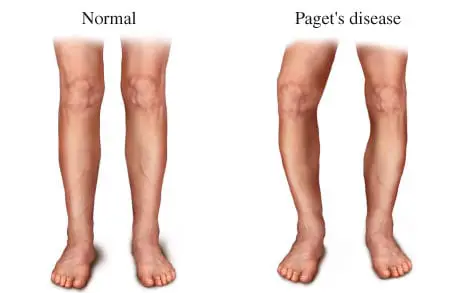
Diagnosis During the physical exam your doctor will examine areas of your body that are causing pain. To confirm a diagnosis of Paget’s disease of bone, imaging and laboratory tests are commonly used. Clinical assessment focuses on affected bone sites, pain characteristics, deformity, and any neurologic symptoms that might suggest spinal or skull involvement. Imaging tests X-rays are often the …

Popliteal Artery Entrapment

admin

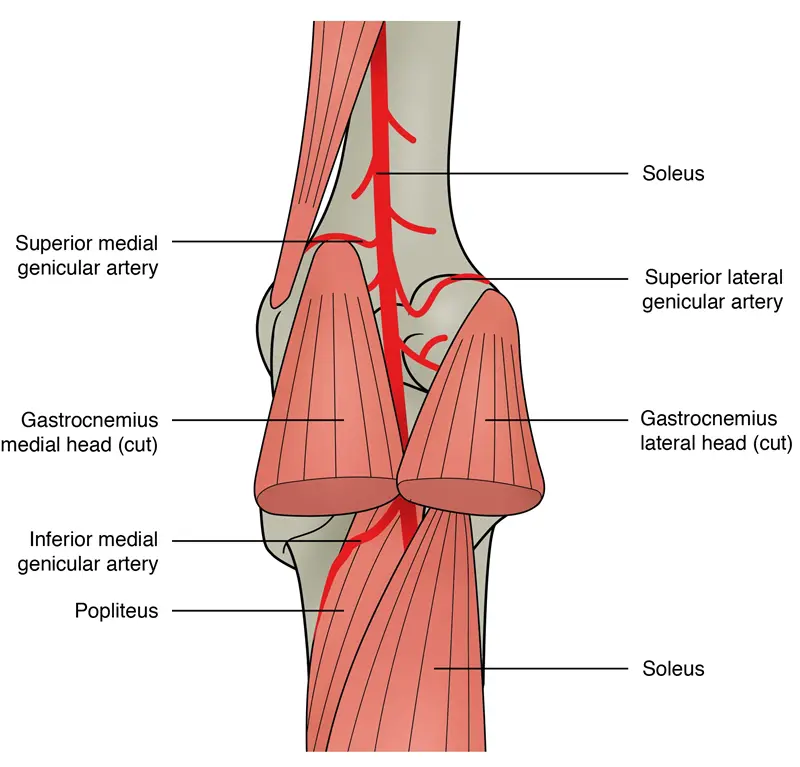
Diagnosis Diagnosis of popliteal artery entrapment begins with a physical exam that focuses on circulation in the lower leg. A healthcare professional checks for changes in pulses during specific leg movements, as these changes can suggest compression of the popliteal artery. You may also be asked about symptoms such as leg pain during exercise and whether symptoms improve with rest. …

Peripheral Artery Disease (PAD)

admin

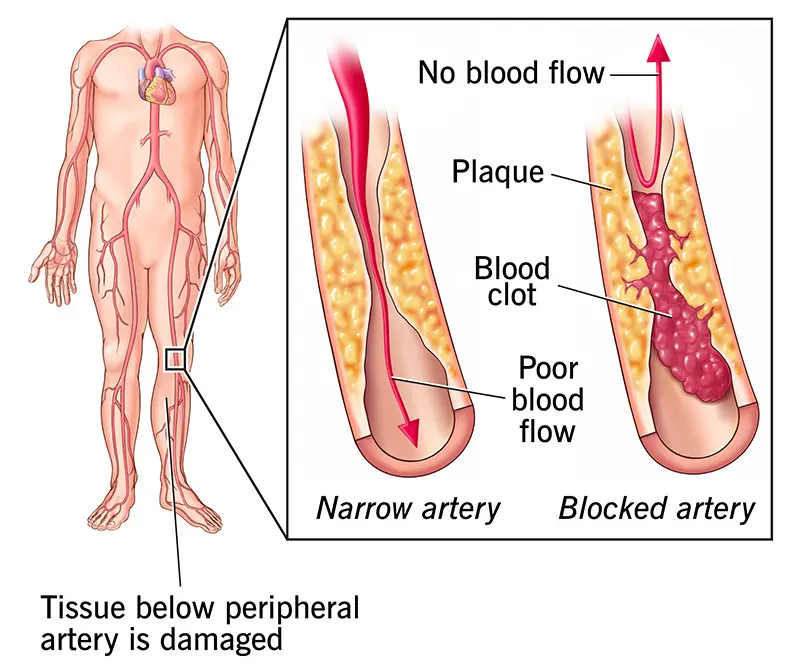
Diagnosis To diagnose peripheral artery disease (PAD), a healthcare professional examines you and reviews your medical history and symptoms. A weak or absent pulse in the affected area may suggest PAD. Tests used to confirm PAD or evaluate contributing conditions may include: • Blood tests to check for risk factors such as high cholesterol and high blood sugar.• Ankle-brachial index …

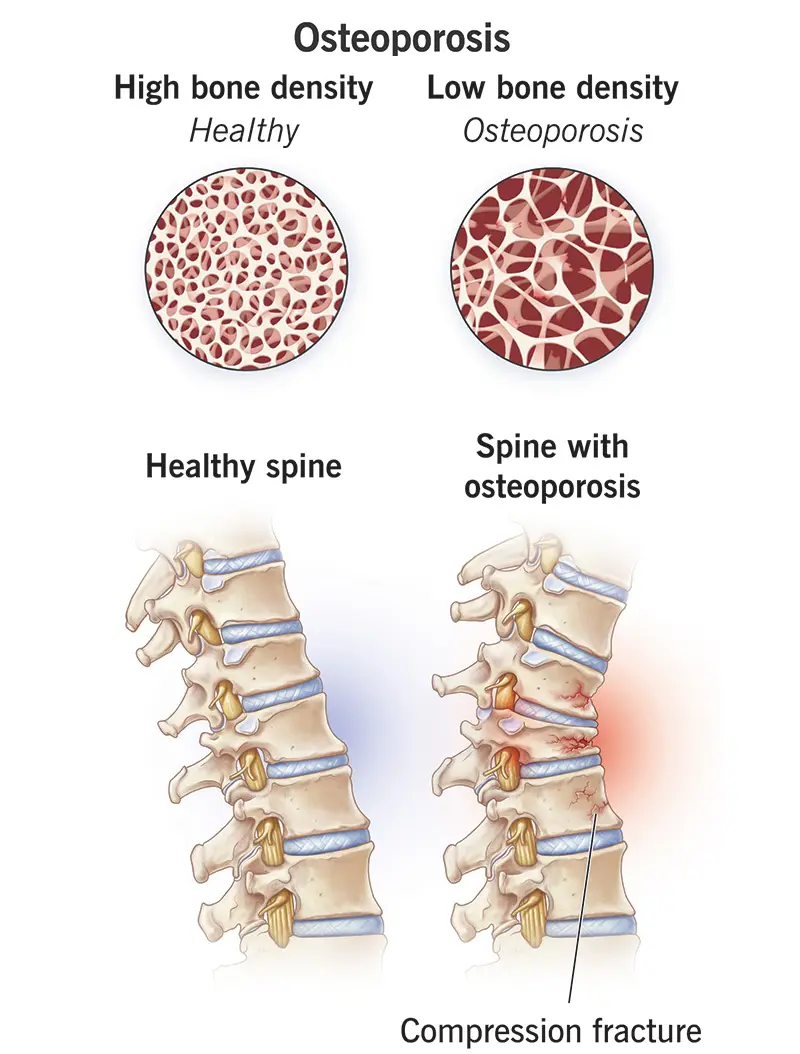
Osteoporosis

admin

Diagnosis Osteoporosis is often diagnosed during routine screening or when a bone fracture is detected through X-ray imaging. In some cases, it may be discovered incidentally during imaging tests performed for other reasons, such as a chest X-ray. During a physical exam, your healthcare professional may check for signs such as reduced height, changes in posture, or spinal curvature. To …

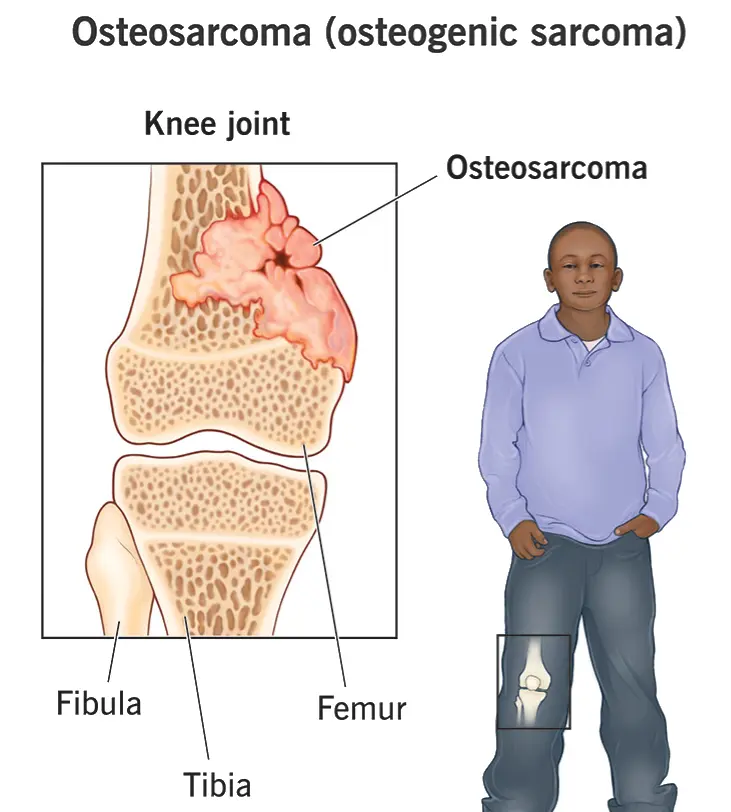
Osteosarcoma

admin

Diagnosis Osteosarcoma diagnosis usually begins with a physical examination. Based on the results, your healthcare provider may recommend additional tests and procedures to confirm the presence of cancer and determine its extent. Imaging testsImaging tests create detailed pictures of the body to show the size, location, and spread of the tumor. Common imaging tests for osteosarcoma include: X-ray MRI CT …

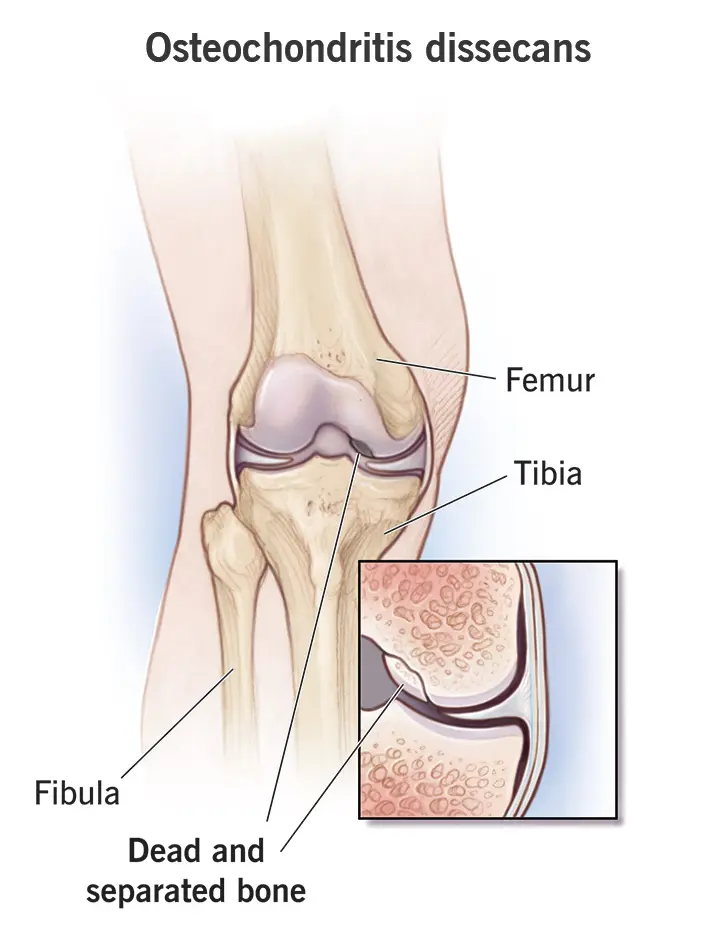
Osteochondritis Dissecans

admin

Diagnosis During the physical examination, your healthcare provider will carefully press on the affected joint to identify areas of swelling, tenderness, or stiffness. In some cases, you or your doctor might be able to feel a loose fragment within the joint. The doctor will also evaluate surrounding structures, such as ligaments, and assess your joint’s range of motion to see …

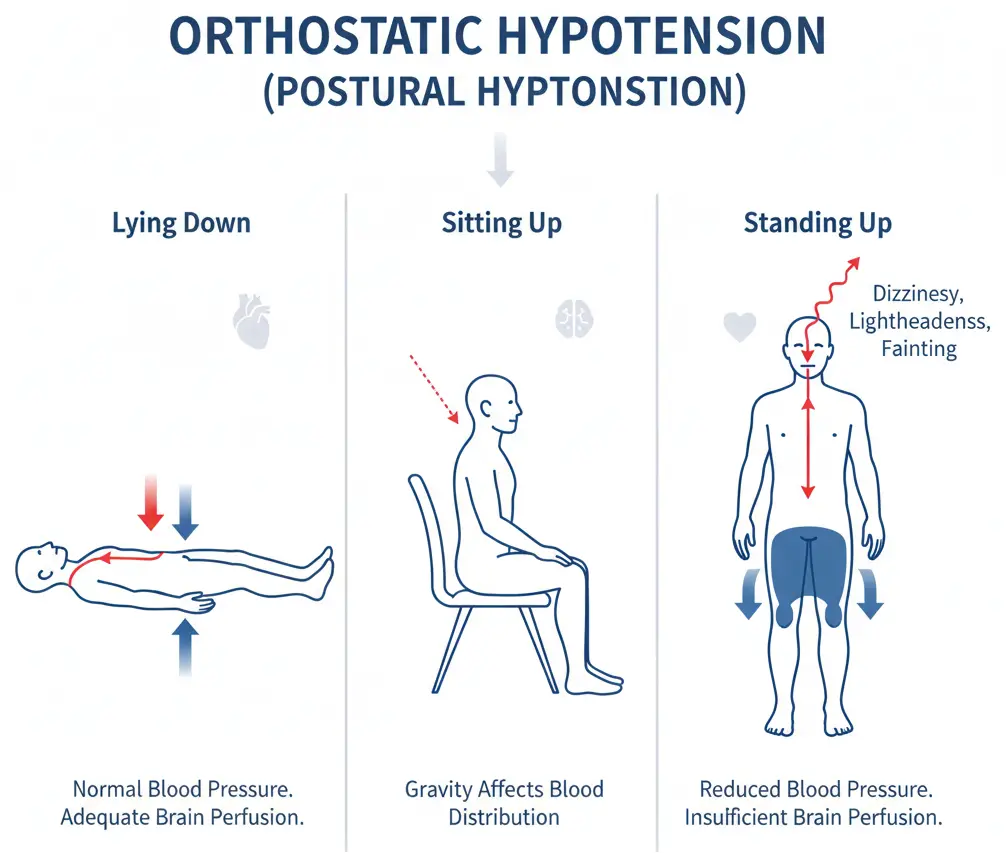
Orthostatic Hypotension (Postural Hypotension)

admin

Diagnosis Diagnosing orthostatic hypotension involves identifying the underlying cause and determining the best treatment approach. In many cases, the exact cause may not be immediately clear. Your healthcare provider will typically review your medical history, medications, and symptoms, followed by a physical examination. Several diagnostic tests may also be recommended, including: • Blood pressure monitoring: Blood pressure is measured while …