Overactive Bladder

admin

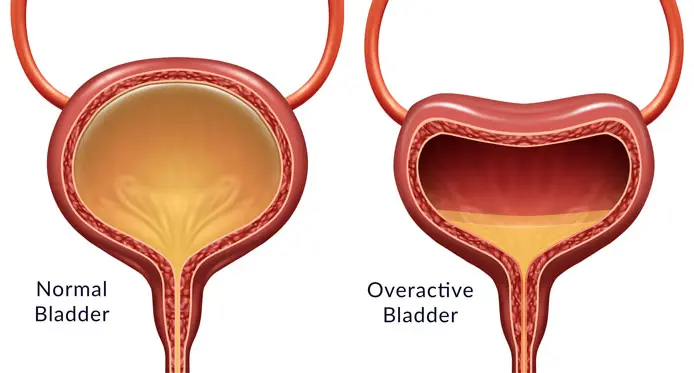
Diagnosis To diagnose an overactive bladder, your healthcare professional will start by checking for infections or blood in your urine and evaluating how well your bladder empties. A full assessment may include: Medical history to understand your symptoms and overall health. Neurological exam to identify any sensory or reflex issues. Physical exam, including a rectal exam or a pelvic exam …
Norovirus Infection

admin

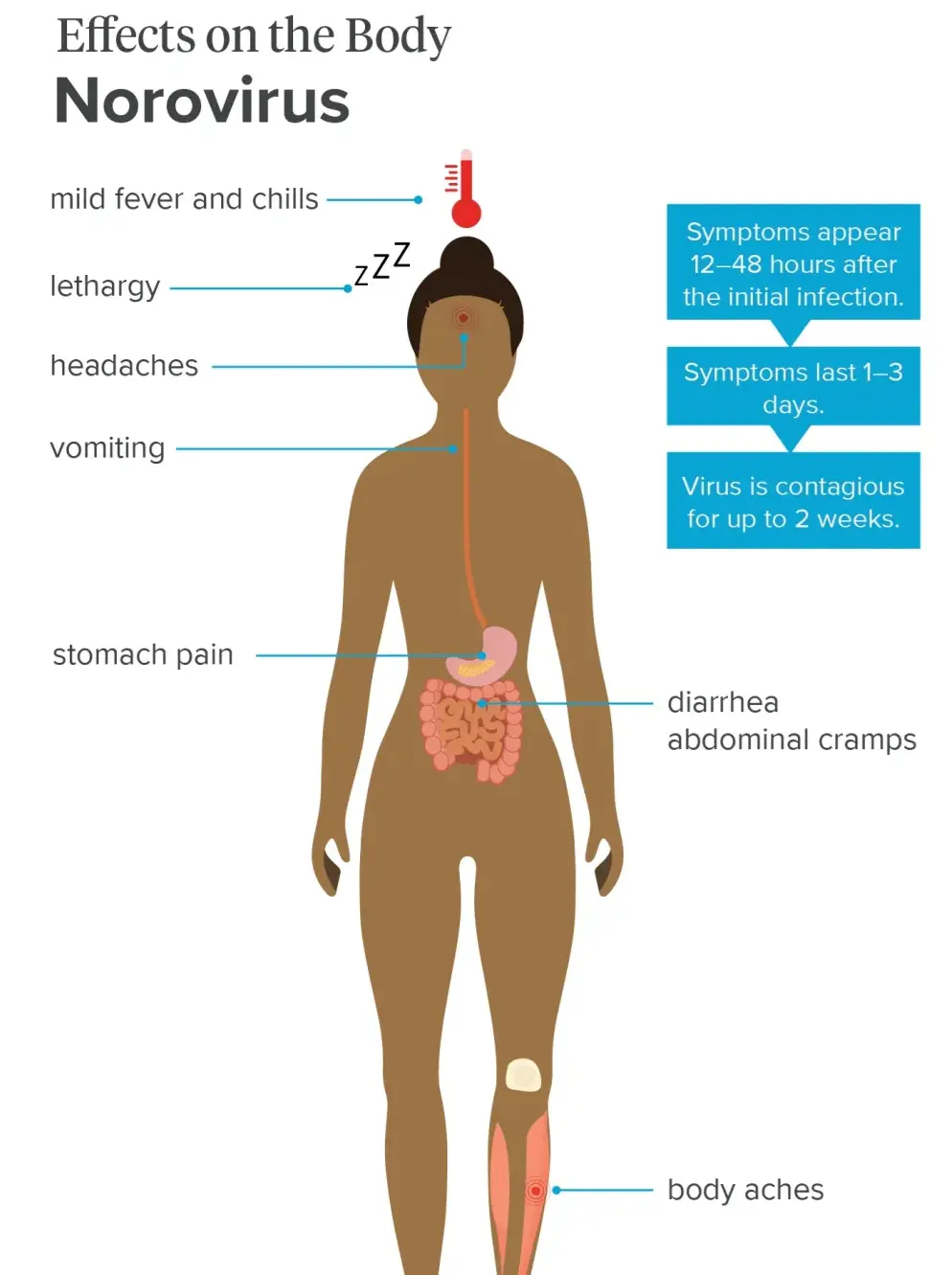
Diagnosis Norovirus infection is usually diagnosed based on symptoms and recent exposure history, especially when multiple people in the same environment develop similar gastrointestinal symptoms. A healthcare provider will evaluate signs such as sudden vomiting, diarrhea, abdominal cramps, and low-grade fever. In most cases, testing is not required because symptoms are distinctive and self-limiting. However, laboratory tests may be used …

Noonan Syndrome

admin

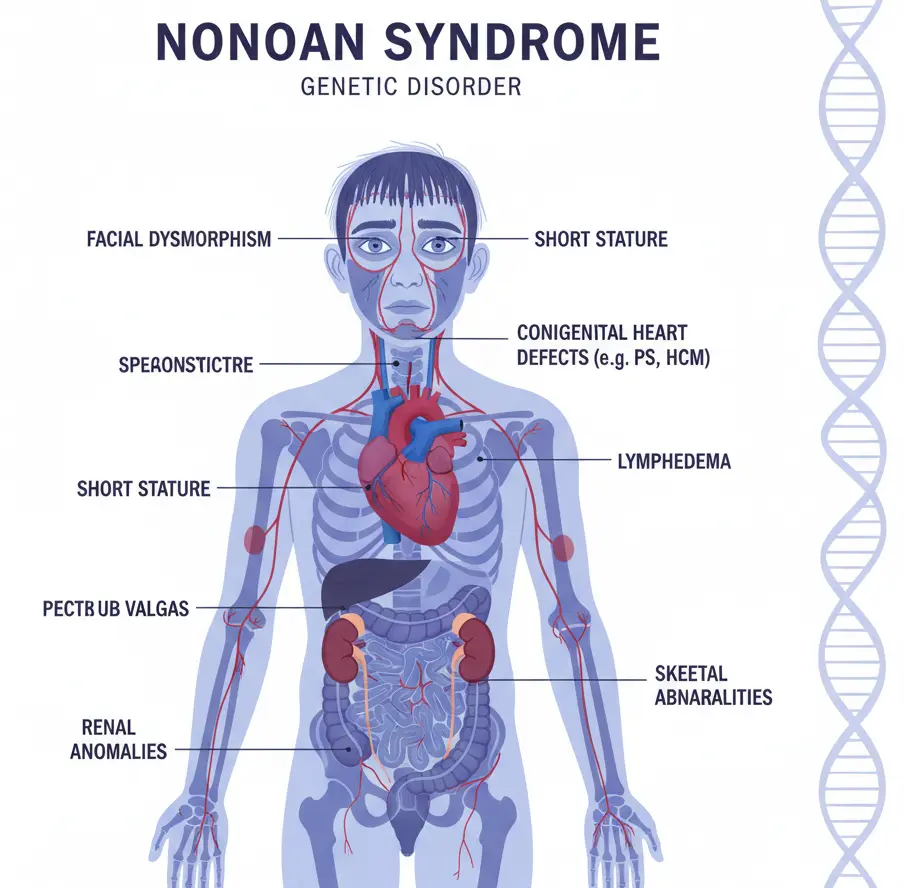
Diagnosis Noonan syndrome is usually diagnosed after a doctor observes key signs, although some features can be subtle and difficult to detect. In some cases, the condition is not identified until adulthood, often after a child is born who shows clearer signs. Genetic testing can confirm the diagnosis. If heart problems are suspected, a cardiologist may evaluate the type and …

Nonmelanoma Skin Cancer

admin

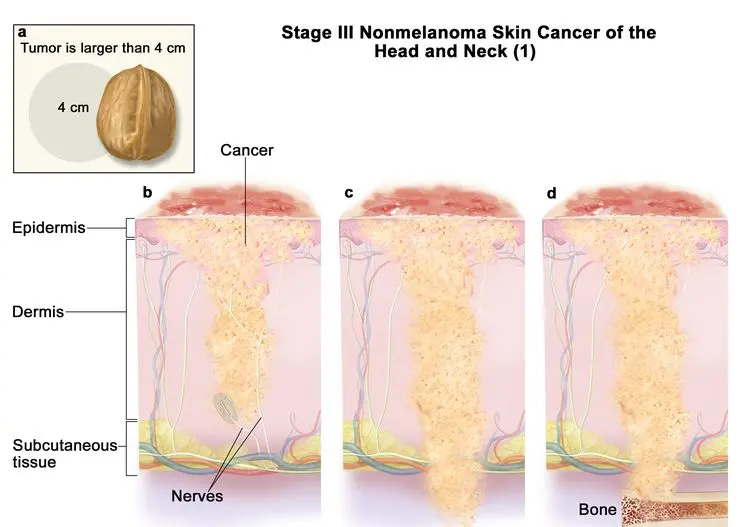
Diagnosis Tests and procedures used to diagnose nonmelanoma skin cancer include: Physical exam: Your healthcare provider reviews your health history and examines your skin for signs of cancer. Biopsy: A sample of skin is removed using tools to cut, shave, or punch out tissue for lab testing. The sample is examined to determine if cancer is present and what type …

Nightmare Disorder

admin

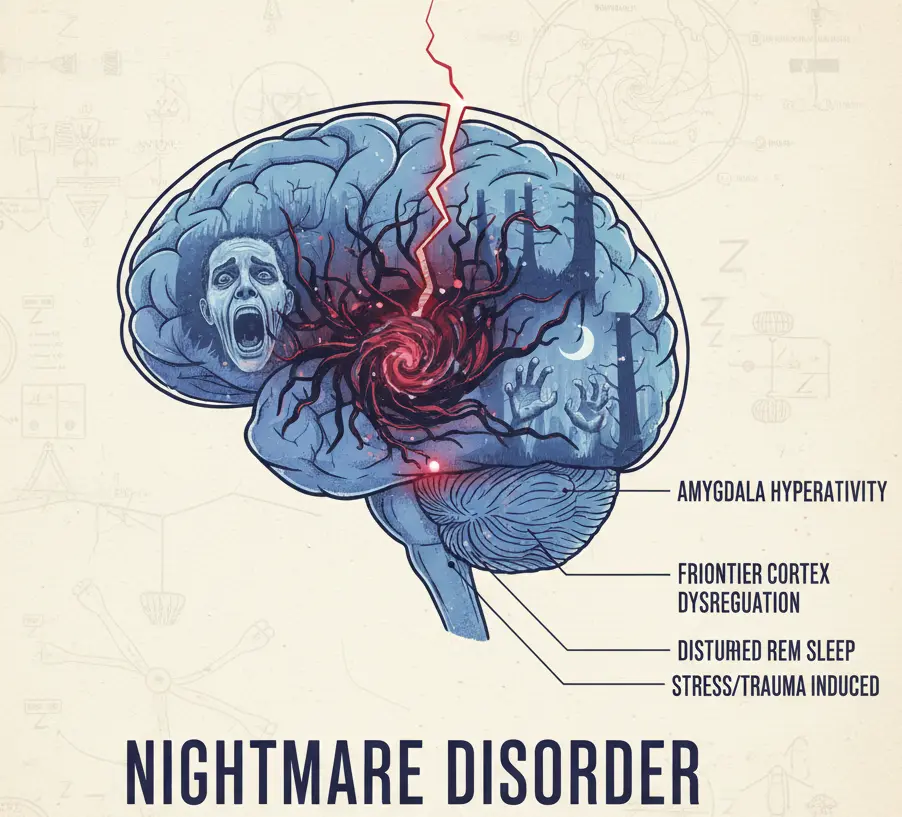
Diagnosis There are no routine tests to diagnose nightmare disorder. Nightmares are considered a disorder only if disturbing dreams cause distress or interfere with sleep. Diagnosis usually involves a review of medical history and symptoms, and may include: Exam: A physical exam can identify underlying conditions contributing to nightmares. If anxiety or other mental health concerns are suspected, referral to …

Niemann-Pick Disease

admin

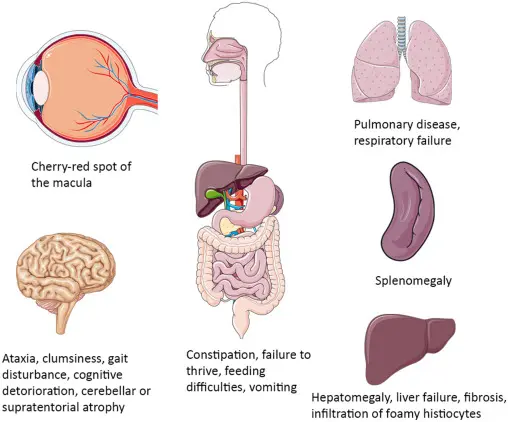
Diagnosis Diagnosis of Niemann-Pick disease begins with a physical exam. Early signs may include an enlarged liver or spleen. Your healthcare professional will discuss your symptoms and family health history. Because Niemann-Pick disease is rare and its symptoms overlap with other conditions, testing is necessary to confirm the diagnosis. Diagnostic approaches vary depending on the type of Niemann-Pick disease: Type …

Postherpetic Neuralgia

admin

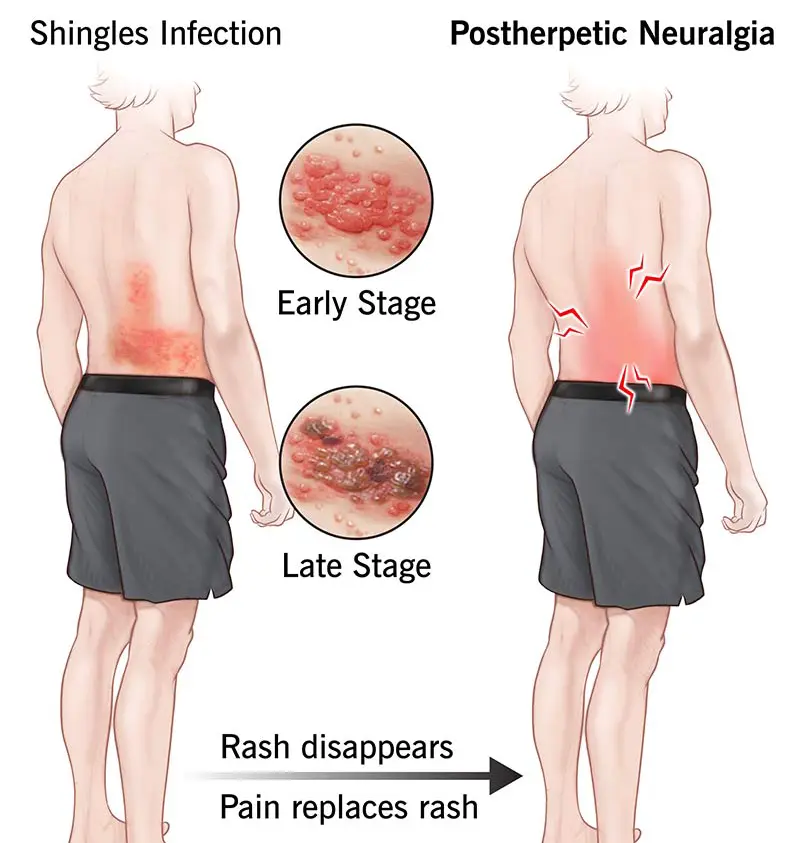
Diagnosis Your health care provider begins by examining your skin. They may gently touch different areas to identify the borders of the affected region. In most cases, this physical exam is enough to confirm postherpetic neuralgia, and no additional tests are required. Treatment Managing postherpetic neuralgia often requires a combination of therapies. No single treatment works for everyone, so finding …

Nephrotic Syndrome

admin

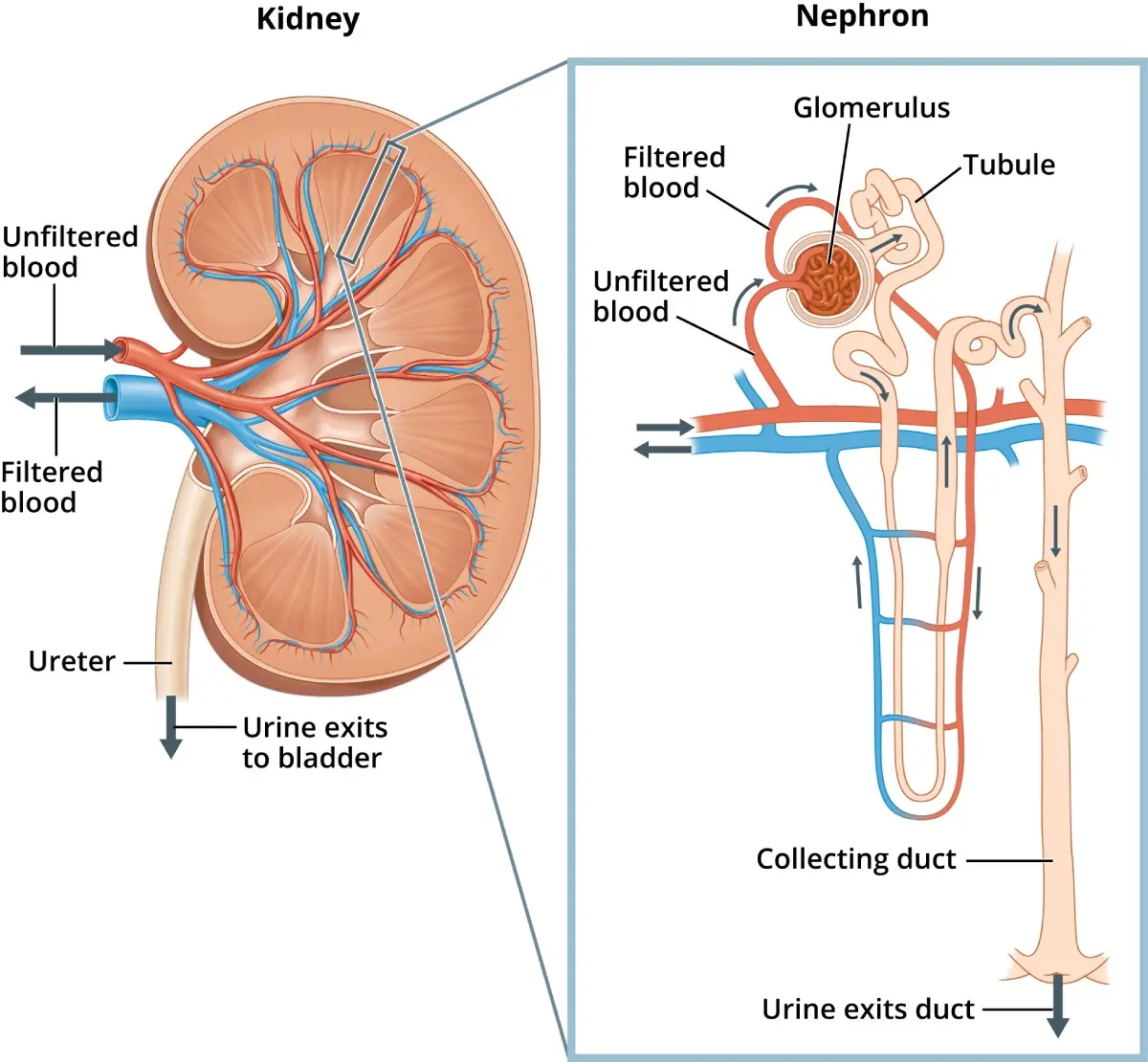
Diagnosis Tests and procedures used to diagnose nephrotic syndrome include: • Urine tests: Urinalysis can detect abnormalities such as large amounts of protein. You may be asked to collect urine samples over 24 hours.• Blood tests: Blood tests can reveal low levels of albumin and overall protein. Increased cholesterol and triglycerides are often seen. Creatinine and urea nitrogen levels may …

Nephrogenic Systemic Fibrosis

admin

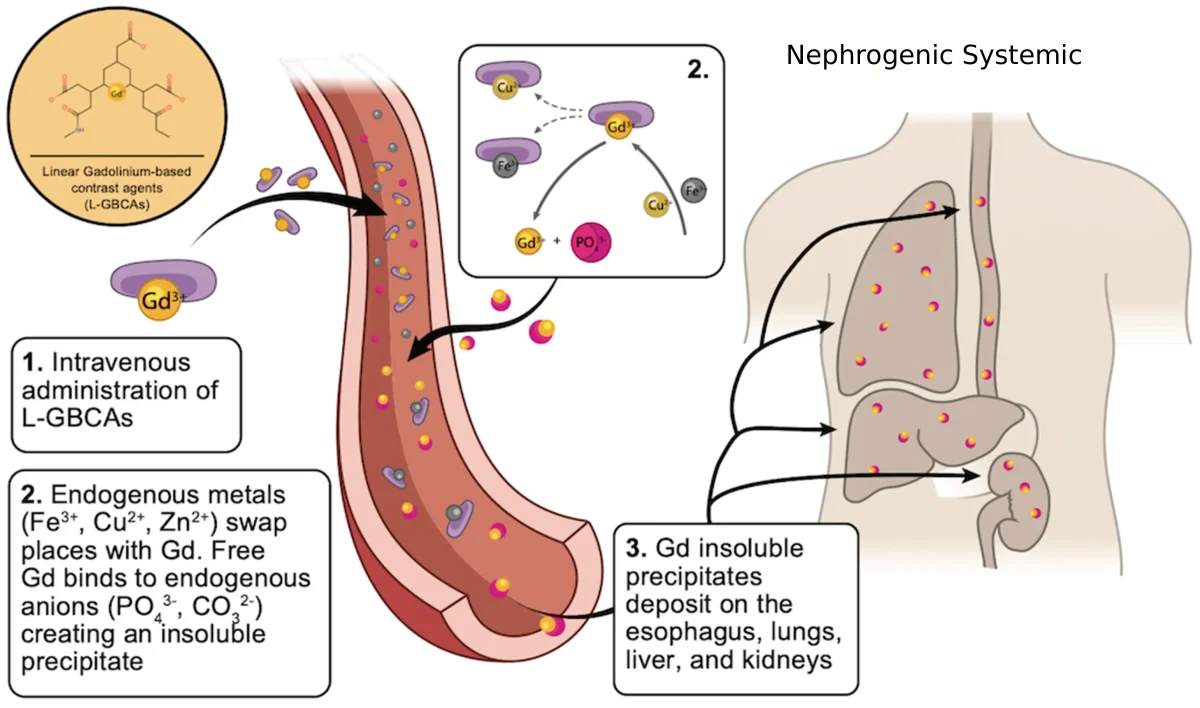
Diagnosis Diagnosis of nephrogenic systemic fibrosis is made through: • Physical exam to identify signs and symptoms of the disease, including reviewing history of MRI with gadolinium-based contrast in people with advanced kidney disease• Skin and muscle biopsy to examine affected tissue• Additional tests as needed to evaluate involvement of muscles and internal organs Treatment There is no cure for …

Neck Pain

admin

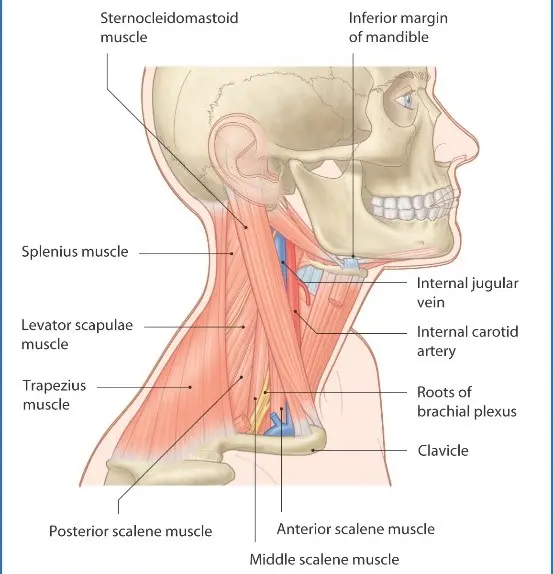
Diagnosis Diagnosis of neck pain begins with a medical history and physical exam. Your healthcare provider will check for tenderness, numbness, muscle weakness, and assess your range of motion, including forward, backward, and side-to-side movements of the head. Imaging tests Imaging can help identify the cause of neck pain, including: • X-rays: Reveal areas where nerves or the spinal cord …