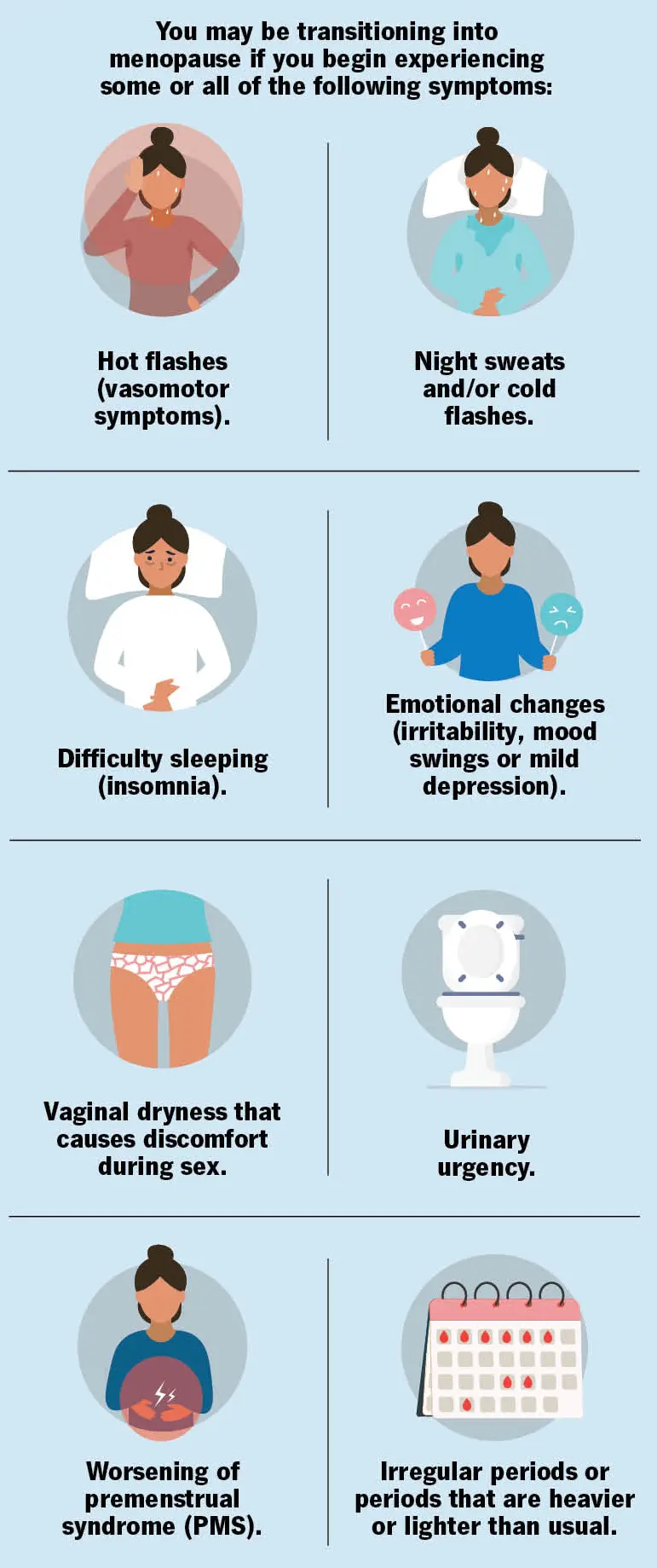
Diagnosis Most people can recognize menopause based on symptoms such as irregular periods or hot flashes. If you are concerned, talk with your healthcare professional. Tests are usually not needed to diagnose menopause, but in some cases, blood tests may be suggested to check: Follicle-stimulating hormone (FSH) and estrogen (estradiol). FSH typically rises and estrogen falls during menopause. Hormone fluctuations …
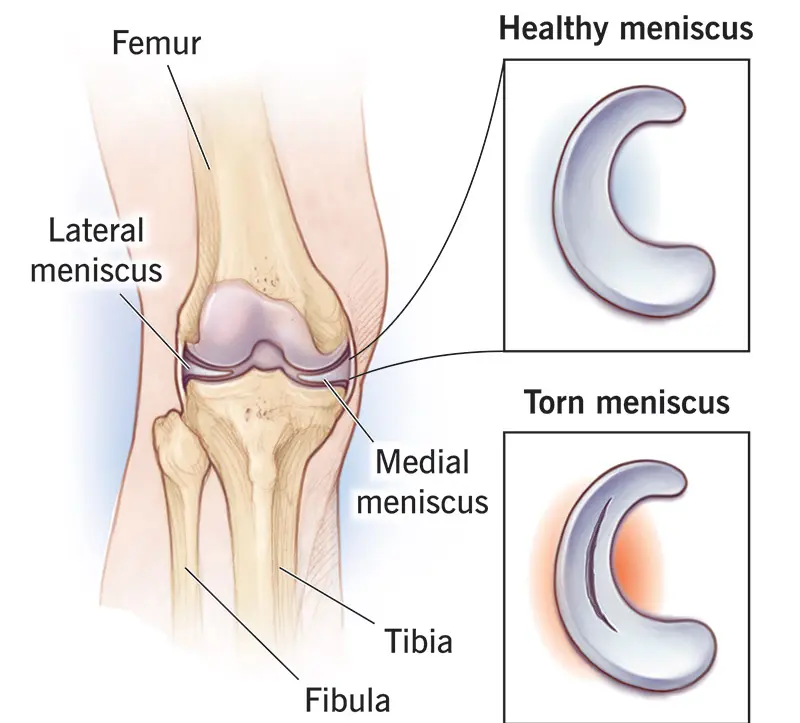
Torn Meniscus
Diagnosis A torn meniscus is often identified during a physical exam. Your doctor may move your knee and leg into different positions, watch you walk, and ask you to squat to help pinpoint the cause of your symptoms. Imaging tests may include: • X-rays. While a torn meniscus is made of cartilage and won’t show on X-rays, they can help …
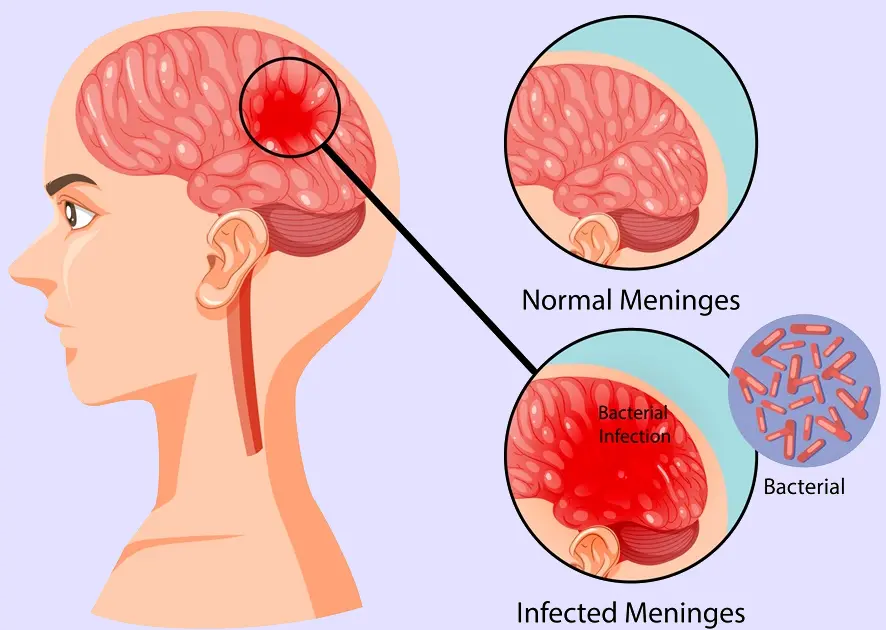
Meningitis
Diagnosis Meningitis is diagnosed by a healthcare professional using medical history, a physical exam, and specific tests. Common diagnostic tests include: Blood cultures, which involve placing a blood sample in a special dish to see if bacteria or other germs grow. A stained slide can also be examined under a microscope to identify pathogens. Imaging, such as CT or MRI …
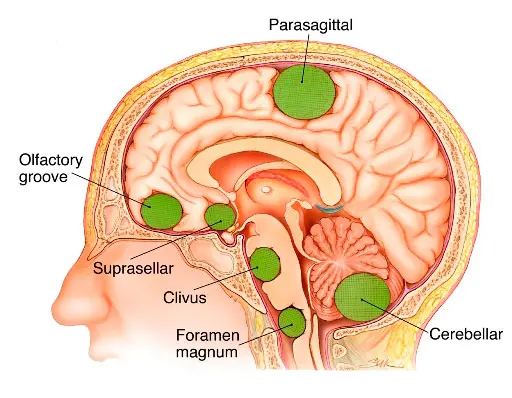
Meningioma
Diagnosis Meningiomas can be difficult to diagnose because they often grow slowly and cause subtle symptoms that may be mistaken for other health conditions or signs of aging. If a meningioma is suspected, a neurologist, a doctor specializing in brain and spine conditions, will conduct a thorough evaluation. Diagnostic steps may include: Neurological exam to assess brain and nerve function …
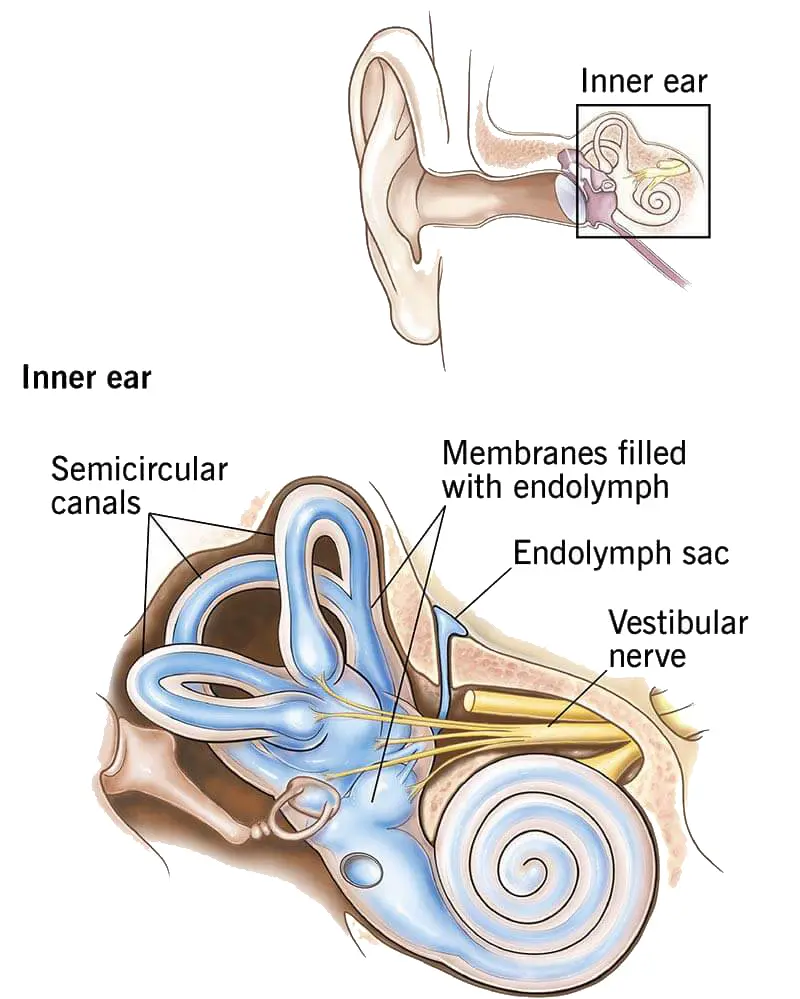
Meniere’s Disease
Diagnosis A diagnosis of Meniere’s disease begins with a healthcare professional examining you and reviewing your medical history. Key criteria include: Two or more vertigo attacks, each lasting between 20 minutes and 12 hours, or up to 24 hours Hearing loss confirmed by a hearing test Tinnitus or a feeling of fullness or pressure in the ear Because Meniere’s disease …
Medulloblastoma
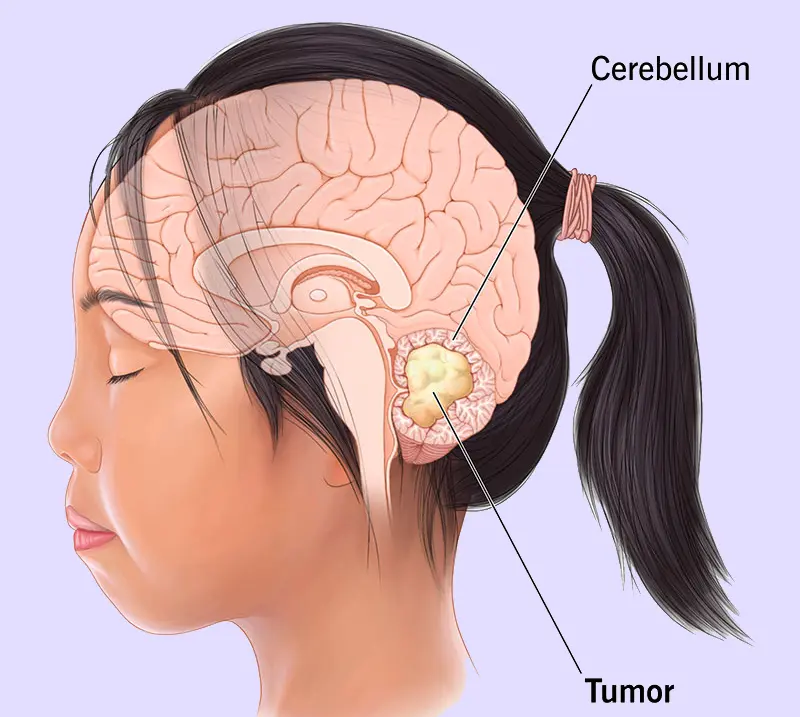
Diagnosis The diagnosis of medulloblastoma usually begins with a detailed review of medical history and a discussion of signs and symptoms. Several tests and procedures may be used to confirm the diagnosis and understand how the tumor is affecting the brain. A neurological exam is commonly performed to assess vision, hearing, balance, coordination and reflexes. Changes in these functions can …
Medication Overuse Headaches
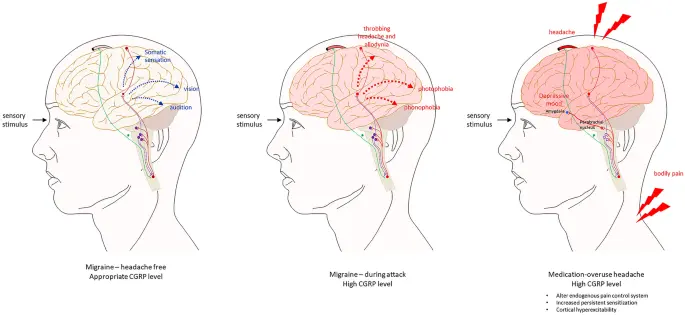
Diagnosis Medication overuse headaches are most often diagnosed based on a detailed headache history and a review of how often pain-relief medicines are used. In most cases, testing is not needed. A diagnosis is usually made when a person already has a headache disorder, experiences headaches on 15 or more days each month for longer than three months, and regularly …
Shin Splints
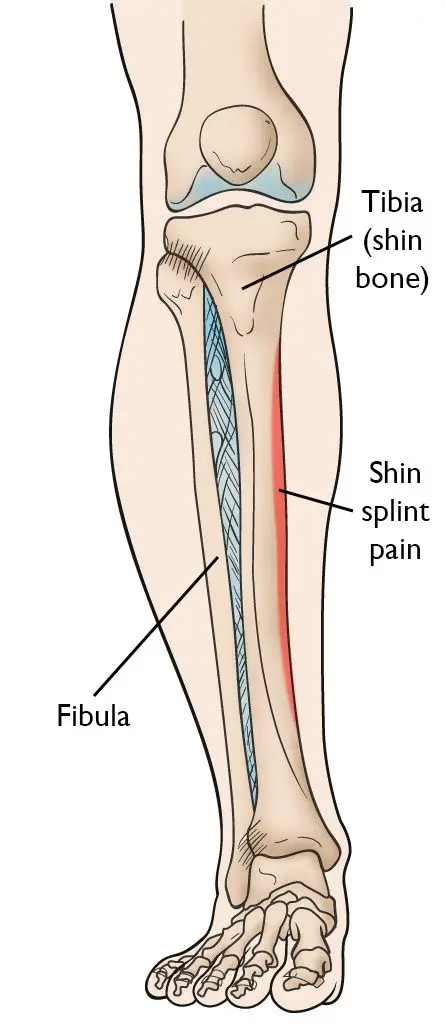
Diagnosis Shin splints are typically diagnosed based on a review of your medical history and a physical examination. In some cases, an X-ray or other imaging studies may be used to rule out other causes of shin pain, such as a stress fracture. Treatment Shin splints can often be managed with simple self-care measures: RestAvoid activities that cause pain, swelling, …
Measles
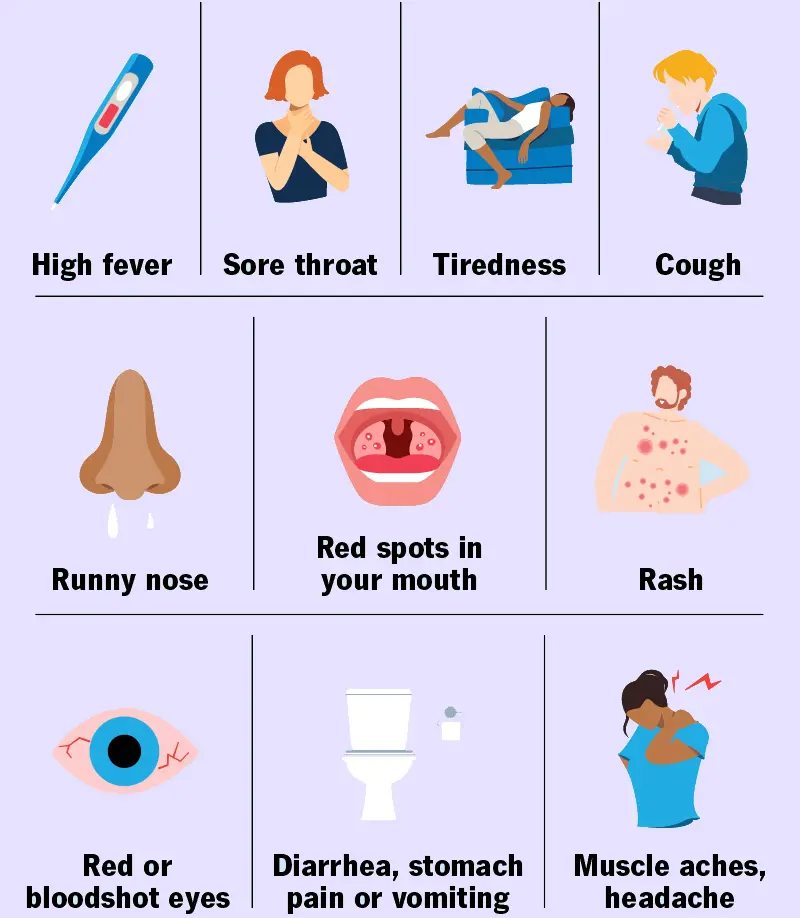
Diagnosis Measles may be diagnosed by a healthcare professional based on the appearance of the rash and the presence of tiny white spots inside the mouth, known as Koplik spots. The healthcare team may ask whether you or your child has received the measles vaccine, traveled to areas where measles is spreading, or been in contact with someone who had …
Myelodysplastic Syndromes
Diagnosis A healthcare professional reviews your symptoms and medical history and may perform a physical exam to check for signs of myelin oligodendrocyte glycoprotein antibody–associated disease, known as MOGAD. MOGAD is usually diagnosed after two important findings are confirmed. First, symptoms must be caused by a typical type of attack, such as optic neuritis, transverse myelitis, or acute disseminated encephalomyelitis. …