Tetanus

admin

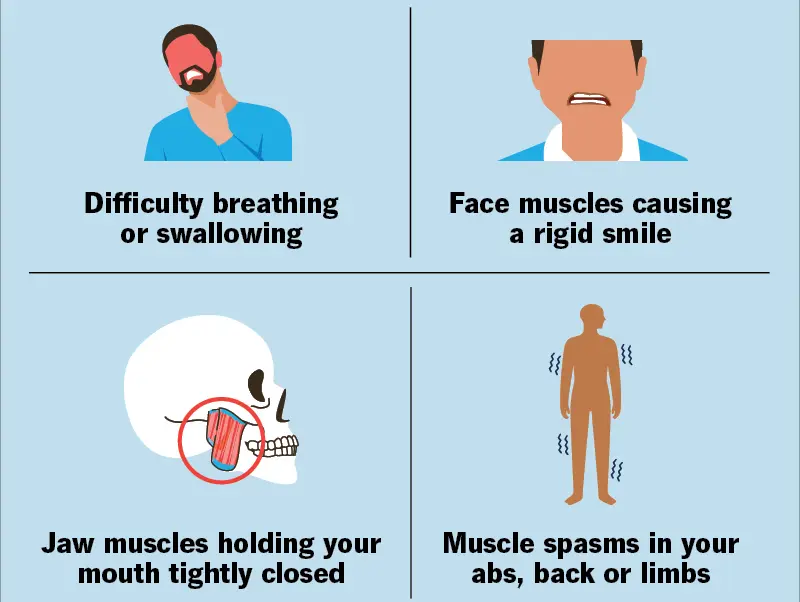
Diagnosis Tetanus is usually diagnosed based on a physical exam, your medical and vaccination history, and the presence of classic signs such as muscle spasms, rigidity and pain. Laboratory tests are generally not required unless your doctor suspects another condition that could be causing similar symptoms. Treatment Tetanus requires urgent, intensive care to manage symptoms and support recovery, often in …
Morphea

admin

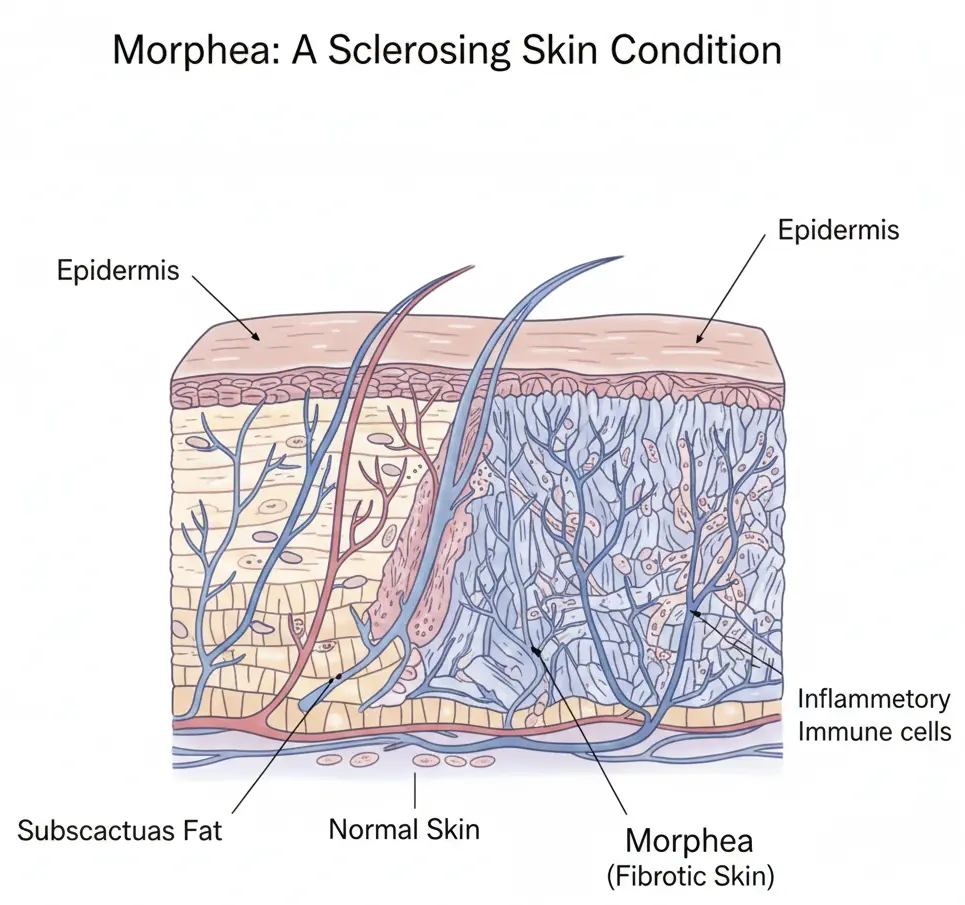
Diagnosis Your doctor can diagnose morphea by examining the affected skin and reviewing your signs and symptoms. A skin biopsy may be performed to examine a small sample of skin in a laboratory. This can reveal changes such as thickening of collagen in the dermis, the second layer of skin. Collagen is a key component of connective tissues, providing elasticity …

Liver Disease

admin

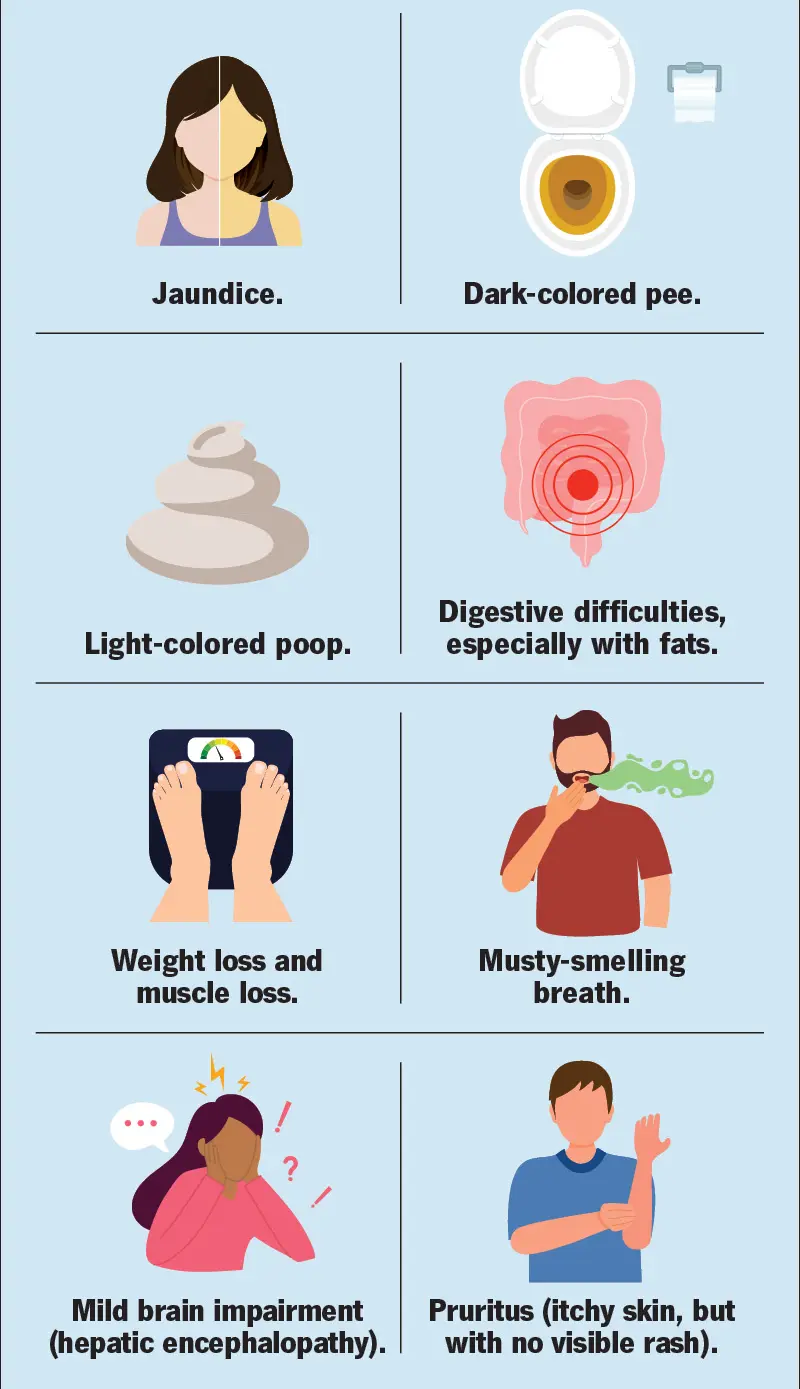
Diagnosis of Liver Disease Finding the cause of liver damage and its severity helps guide treatment. Your healthcare professional begins with a detailed health history and a complete physical exam. Your healthcare professional may then recommend: Blood tests A group of blood tests called liver function tests can diagnose liver disease. Additional blood tests may be performed to identify specific …

Listeria Infection

admin

Diagnosis of Listeria Infection Often, healthcare professionals perform a blood test to determine if you have a listeria infection. In more severe cases, samples of spinal fluid may also need to be tested. If you are pregnant, the amniotic fluid that surrounds the baby during pregnancy might be tested as well. Treatment Options for Listeria Infection Treatment for listeria infection …

Liposarcoma

admin

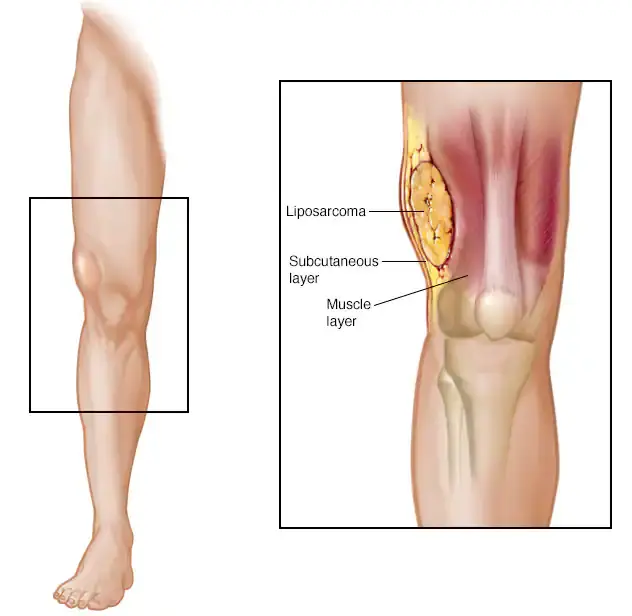
Diagnosis of Liposarcoma Tests and procedures used to diagnose liposarcoma include: Imaging tests Imaging tests create pictures of the inside of the body and help determine the size and location of the liposarcoma. Common tests include: X-ray CT scan MRI Positron emission tomography (PET) scan (when needed) Biopsy A biopsy involves removing a sample of tissue or cells for laboratory …

Lipoma

admin

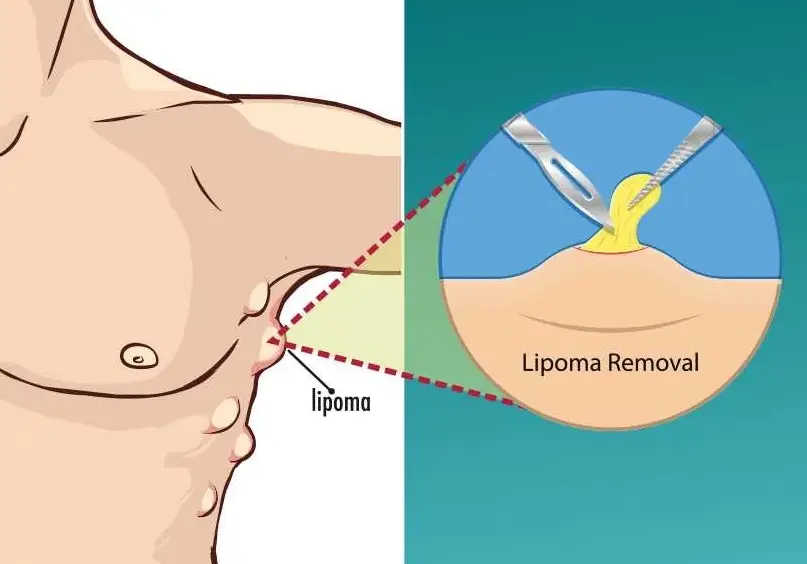
Diagnosis of Lipoma To diagnose a lipoma, your healthcare professional may perform the following tests and procedures: Physical examination Your doctor will physically examine the lump to check its size, texture, whether it moves easily under the skin, and if it causes any pain. Biopsy A small sample of tissue may be removed and examined in a laboratory to confirm …

Lip Cancer

admin

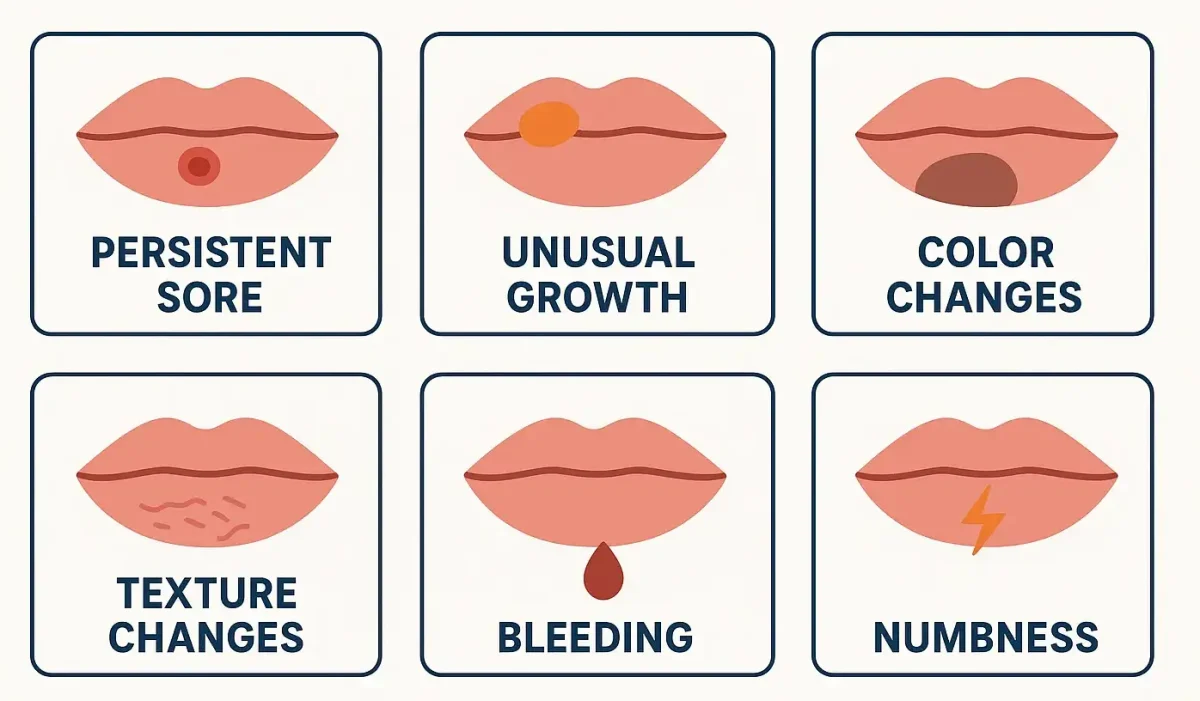
Diagnosis Tests and procedures used to diagnose lip cancer include: Physical exam During a physical exam, your doctor will examine your lip, mouth, face, and neck to look for signs of cancer. Your doctor will also ask you about your signs and symptoms. Removing a sample of tissue for testing (biopsy) During a biopsy, your doctor will remove a small …

Lichen Sclerosus

admin

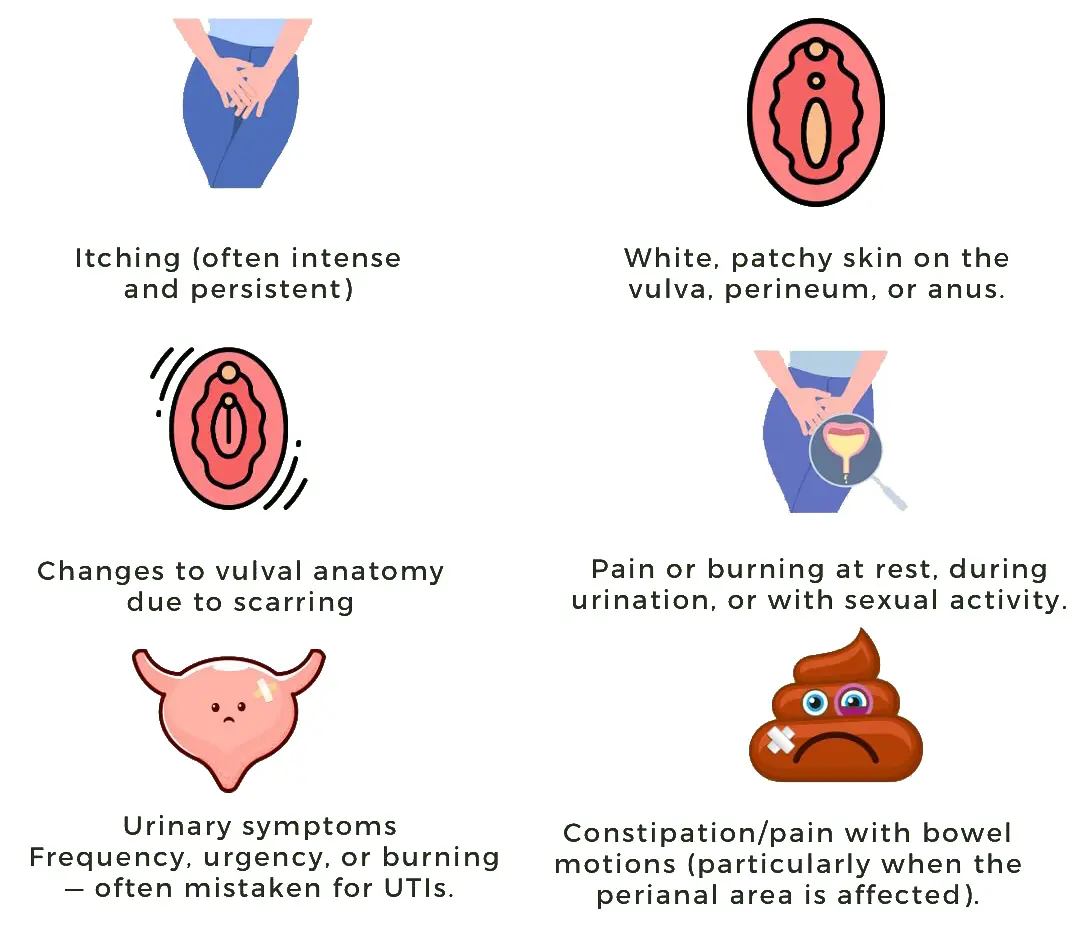
Diagnosis A healthcare provider may diagnose lichen sclerosus by examining the affected skin. Sometimes a biopsy is needed, especially to rule out cancer or when the skin does not respond to steroid creams. A biopsy involves removing a small sample of affected tissue and examining it under a microscope. You may also be referred to specialists such as: Dermatologists (skin …

Oral Lichen Planus

admin

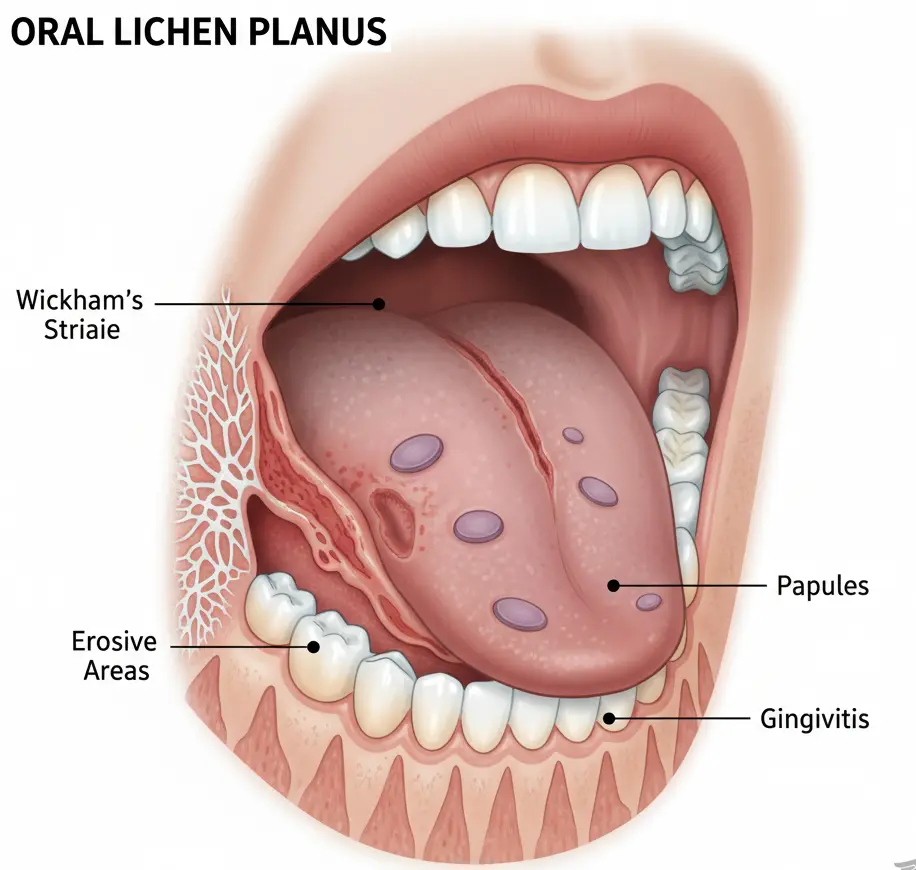
Diagnosis Diagnosis of oral lichen planus is based on a detailed evaluation of your symptoms, medical history, and clinical examination. Your healthcare professional may consider several factors before confirming the diagnosis. The diagnostic process may include: Discussion about your medical and dental history and the medications you’re currently taking Examination of your mouth and, if needed, other parts of your …

Lichen Planus

admin

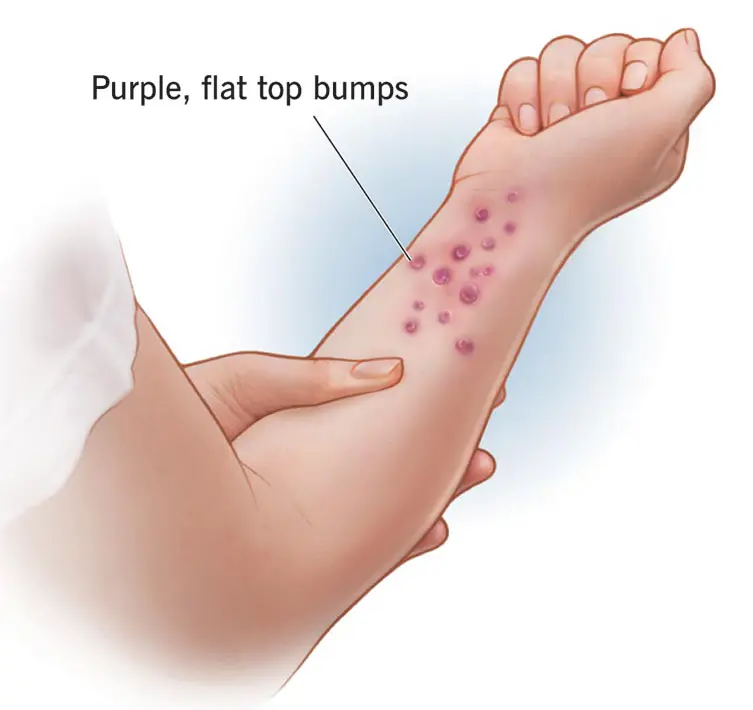
Diagnosis To identify the cause of your symptoms, a healthcare provider will review your medical history, ask about your symptoms, and perform a physical exam. Additional tests may be done, such as: Biopsy: A small piece of affected tissue is removed and examined in a lab to check for cell patterns typical of lichen planus. Blood tests: These may help …