Lice

admin

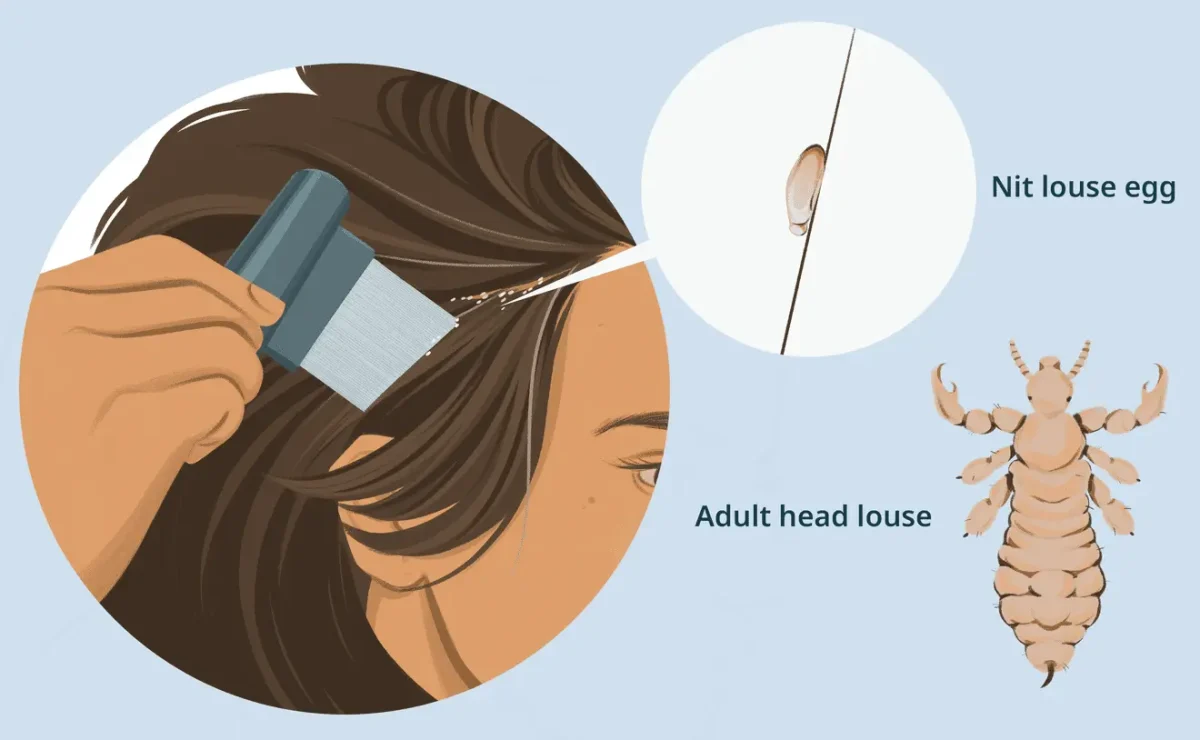
Diagnosis Lice are diagnosed through a close inspection of the hair, scalp, skin or clothing. A magnifying lens and a fine-toothed comb may be used to detect live lice or their eggs. Diagnosis depends on the type of lice involved. Head lice Head lice are diagnosed when live lice are found on the scalp or in the hair. A nit …
Leukoplakia

admin

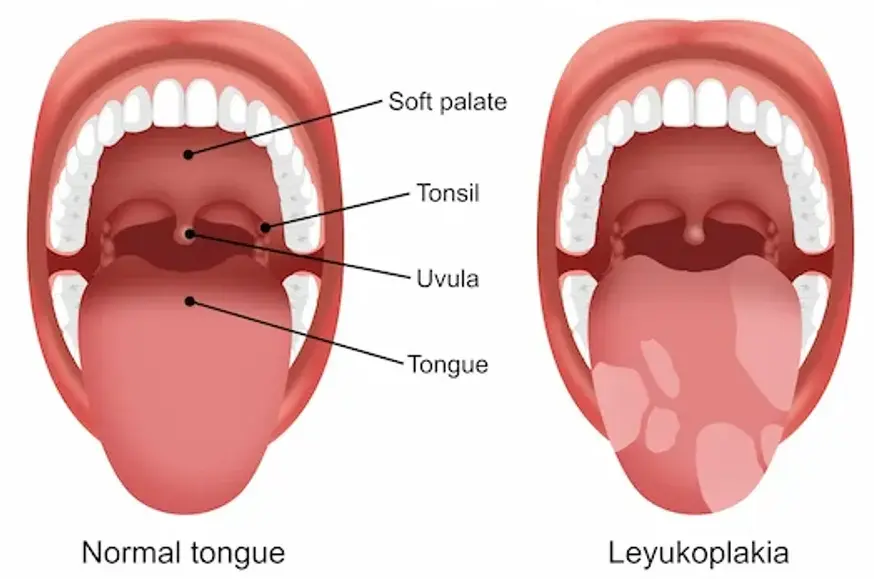
Diagnosis Most cases of leukoplakia are identified during a routine visit to a doctor, dentist, or another healthcare professional. Diagnosis usually involves several steps to confirm the cause of the white patches and rule out other conditions. Evaluating the patches Healthcare professionals typically begin by looking closely at the patches in the mouth and attempting to wipe them off. They …

Leiomyosarcoma

admin

Diagnosis To diagnose leiomyosarcoma, a healthcare professional usually begins with a physical exam to understand symptoms and identify any areas of concern. Additional tests such as imaging and a biopsy help confirm the diagnosis and determine the extent of the condition. Physical exam A healthcare professional may ask about your symptoms and medical history. They may also examine your body …

Legionnaires’ Disease

admin

Diagnosis Diagnosis of Legionnaires’ disease can be challenging because it resembles other forms of pneumonia. To quickly identify legionella bacteria, a urine test may be used to detect antigens that trigger the immune response. Additional tests may include: Blood tests Chest X-ray to see the extent of infection in the lungs Tests that examine sputum or lung tissue samples These …

Legg-Calve-Perthes Disease

admin

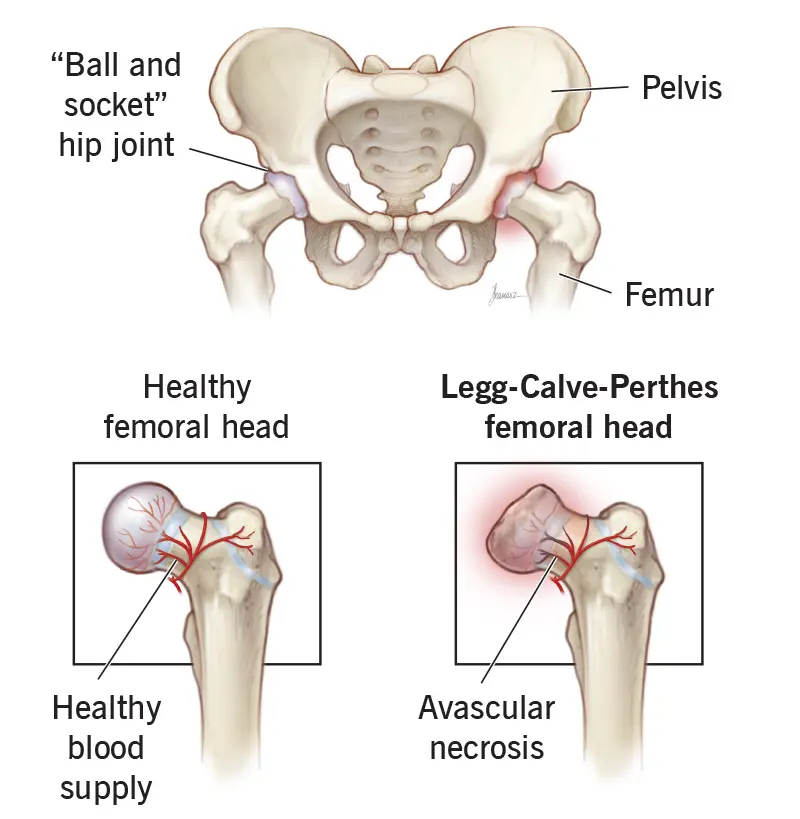
Diagnosis Diagnosis of Perthes disease begins with a physical exam. During the exam, a healthcare professional gently moves your child’s legs into different positions to assess range of motion and identify movements that cause pain. Imaging tests play a key role in confirming the condition and may include: X-rays, which may appear normal at first. Changes linked to Perthes disease …

Left Ventricular Hypertrophy

admin

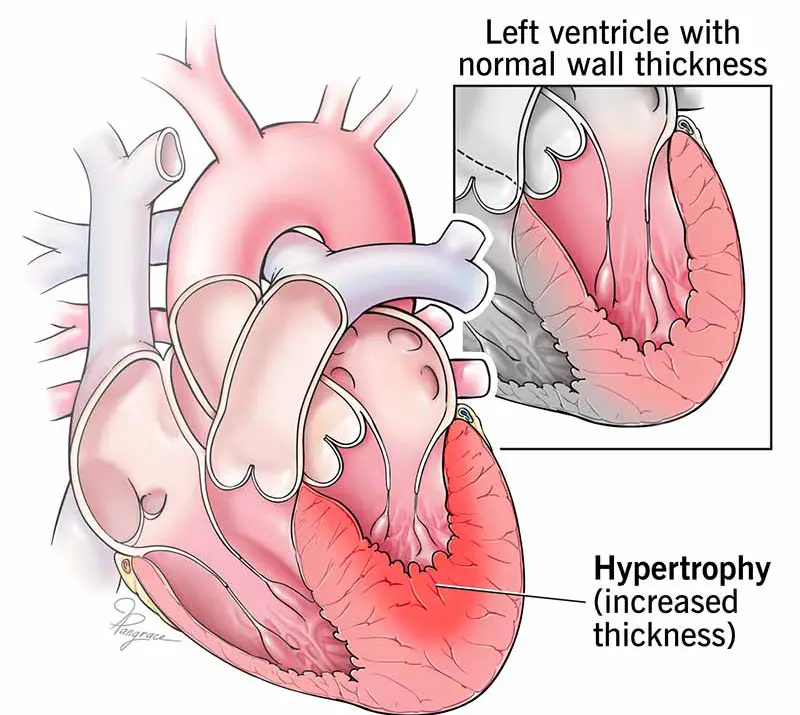
Diagnosis Diagnosis of left ventricular hypertrophy begins with a physical examination and a discussion about symptoms and family health history. A healthcare professional checks blood pressure and listens to the heart using a stethoscope. Tests that may be used to confirm the diagnosis include: Lab tests to assess blood sugar, cholesterol, and liver and kidney function. Electrocardiogram (ECG or EKG) …

Lead Poisoning

admin

Diagnosis Diagnosis of lead poisoning often begins with a routine blood test recommended during well-child checkups, typically at ages 1 and 2. Older children who have never been tested or may be at risk can also be screened. A small blood sample is taken either from a finger prick or from a vein. The result is measured in micrograms per …

Lobular Carcinoma in Situ (LCIS)

admin

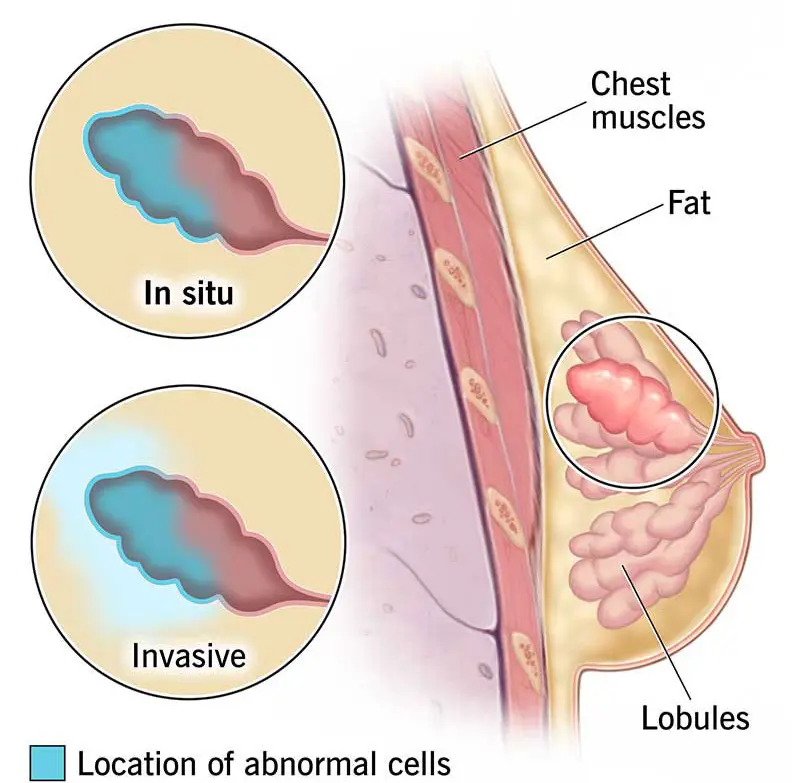
Diagnosis of Lobular Carcinoma In Situ Lobular carcinoma in situ (LCIS) is most often discovered during a breast biopsy performed for another reason. It usually cannot be felt during a breast exam or seen on a mammogram. Types of breast biopsy that may be used include: Core needle biopsy A healthcare professional uses a thin, hollow needle to remove several …

Lactose Intolerance

admin

Diagnosis A healthcare professional may suspect lactose intolerance based on symptoms and how the body responds when dairy intake is reduced. A hydrogen breath test is commonly used to confirm the diagnosis. In this test: A lactose-rich liquid is consumed. Breath samples are taken at intervals to measure hydrogen levels. High hydrogen levels indicate that lactose is not being fully …

Knee Pain

admin

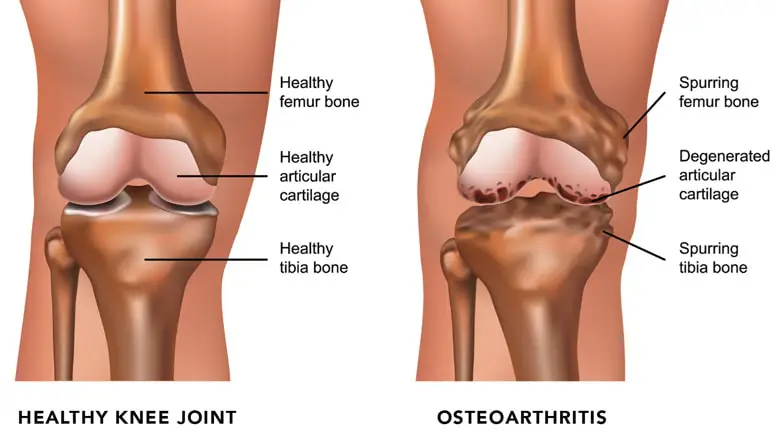
Diagnosis Diagnosis of knee pain begins with a physical examination. Your doctor may look for swelling, pain, tenderness, warmth, and visible bruising around the knee. You may be asked to move your lower leg in different directions to assess mobility, and gentle pressure may be applied to evaluate the stability and condition of the knee structures. Imaging tests may be …