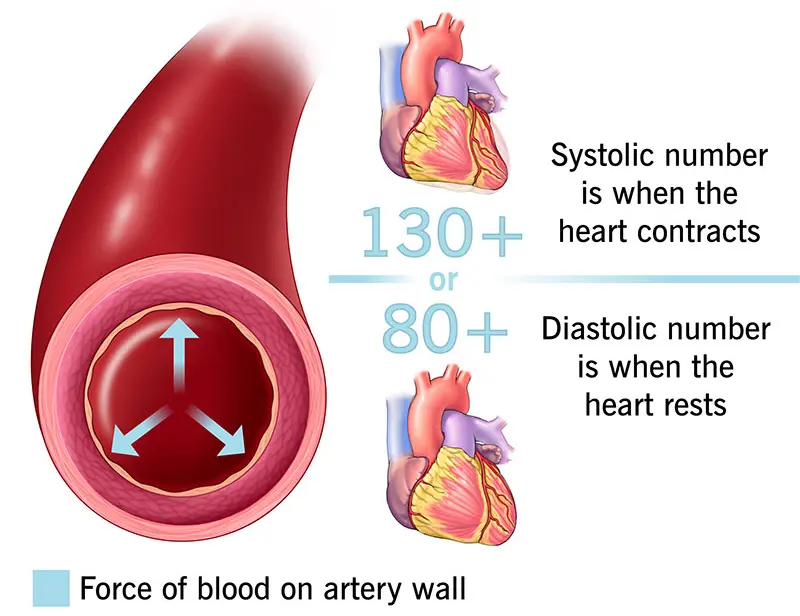
Diagnosis To diagnose high blood pressure, your health care provider examines you, asks about your medical history, and listens to your heart with a stethoscope. Blood pressure is measured using a cuff placed around your arm. It’s essential that the cuff fits correctly because an ill-fitting cuff can cause inaccurate readings. A blood pressure reading measures two numbers: Systolic pressure …
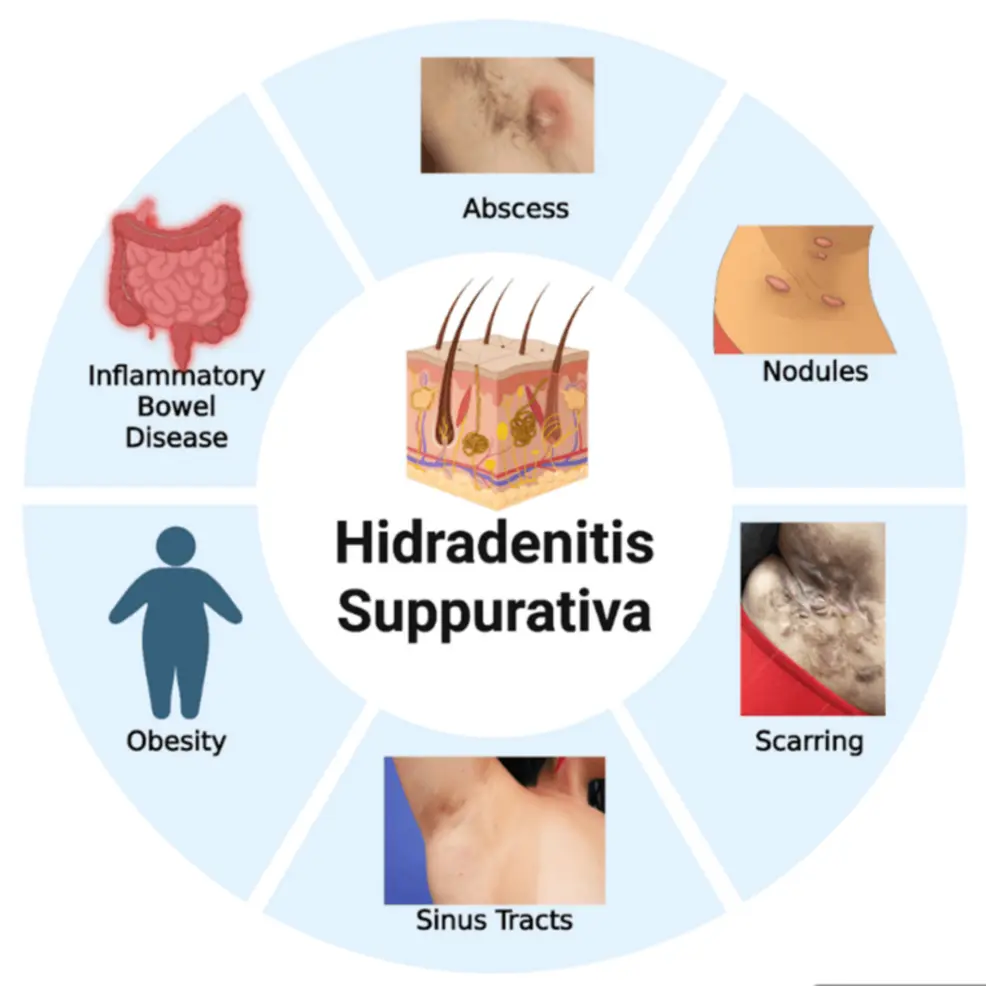
Hidradenitis Suppurativa
Diagnosis Hidradenitis suppurativa is often mistaken for acne or pimples, which can delay diagnosis for many people. A healthcare provider bases the diagnosis on your symptoms, the appearance of your skin, and your medical history. You may also be referred to a dermatologist, a specialist in skin conditions, since hidradenitis suppurativa can be complex and requires expert care. Currently, there …
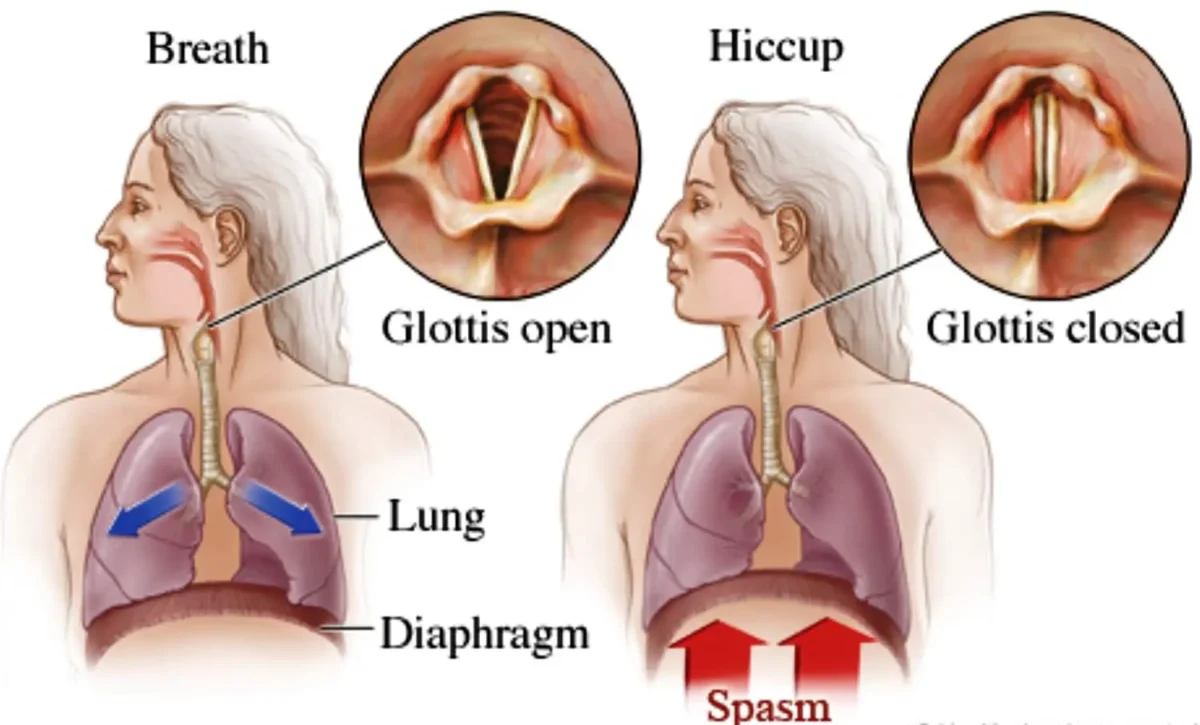
Hiccups
Diagnosis During a physical examination, a healthcare provider may perform a neurological assessment to check the functioning of the nervous system and identify possible causes of persistent hiccups. This examination typically includes checking: Balance and coordination Muscle strength and tone Reflexes Sight and sense of touch If an underlying condition is suspected, further tests may be recommended to determine the …
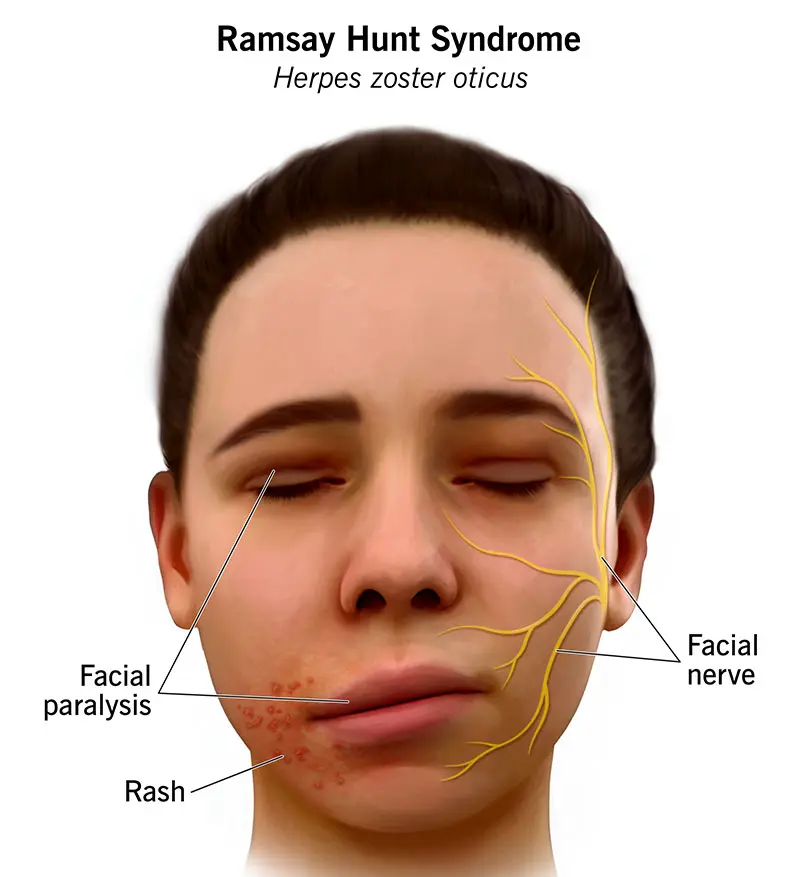
Ramsay Hunt Syndrome
Diagnosis Doctors can often diagnose Ramsay Hunt syndrome by reviewing your medical history, performing a physical exam and observing its characteristic signs and symptoms. The presence of facial paralysis along with a painful rash in or around the ear is typically a strong indicator. To confirm the diagnosis, your doctor may collect a sample of fluid from one of the …
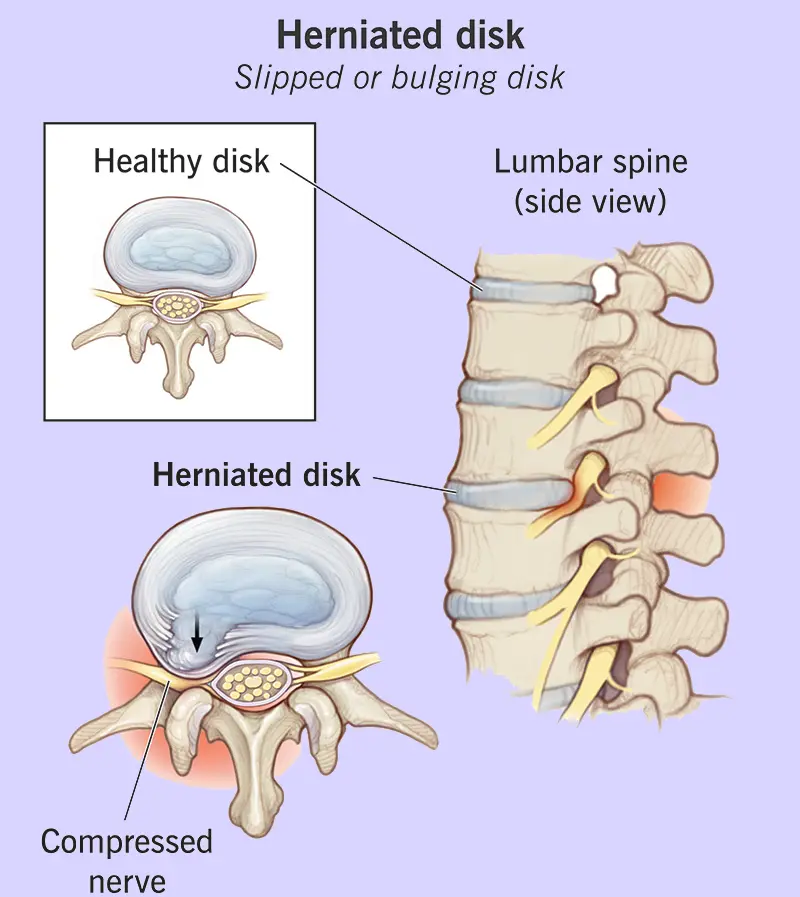
Herniated Disk
Diagnosis To diagnose a herniated disk, your healthcare professional will perform a physical and neurological exam to check for pain, nerve involvement, and muscle function. During the physical exam, you may be asked to move your legs into different positions to determine the source of your pain. A neurological exam is also performed to check: Reflexes Muscle strength Walking ability …
Inguinal Hernia
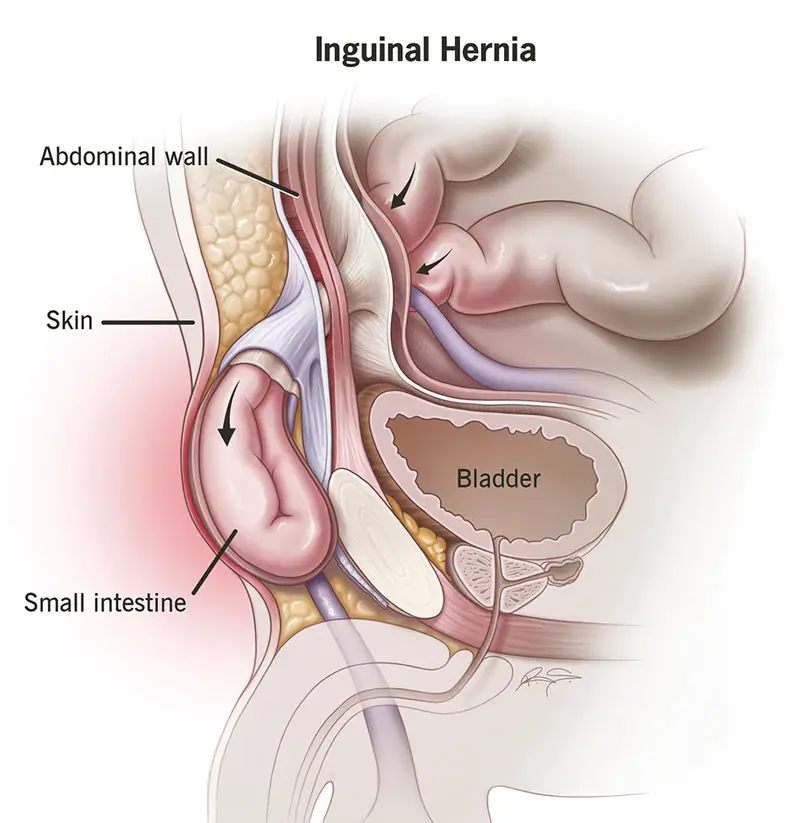
Diagnosis Diagnosis of an inguinal hernia is usually made through a physical examination. A healthcare professional checks for a visible or palpable bulge in the groin area. Because a hernia often becomes more noticeable when pressure increases, you may be asked to stand, cough or strain during the exam. If the hernia is not easily seen or felt, imaging tests …
Hiatal Hernia
Diagnosis A hiatal hernia is often discovered during tests or procedures performed to find the cause of heartburn, chest pain, or discomfort in the upper abdomen. These diagnostic tests help visualize the digestive system and identify the presence of a hernia. Common diagnostic methods include: X-ray of the upper digestive system: After drinking a chalky liquid that coats the digestive …
Lynch Syndrome
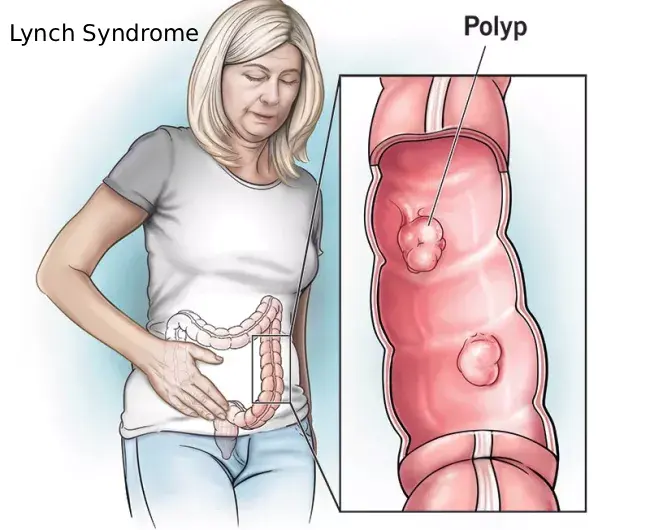
Diagnosis Diagnosing Lynch syndrome usually begins with a review of your family history of cancer. Your healthcare professional will want to know whether you or anyone in your family has had colon cancer, endometrial cancer, or other cancers associated with Lynch syndrome. This may lead to additional tests and procedures. Family history is a key factor, and genetic testing for …
Hereditary Hemorrhagic Telangiectasia
Diagnosis Diagnosis of hereditary hemorrhagic telangiectasia, also known as HHT, is based on a combination of a physical exam, family history, and imaging test results. Genetic testing may also confirm the diagnosis. Because some symptoms appear later in life, children or young adults may not show clear signs of HHT at first. Imaging tests Arteriovenous malformations, or AVMs, are abnormal …
Hepatopulmonary Syndrome
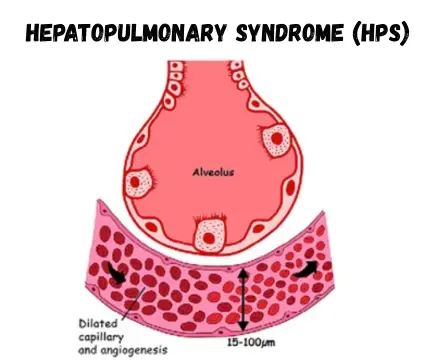
Diagnosis To diagnose hepatopulmonary syndrome, healthcare professionals use several tests to check oxygen levels in the blood and rule out other heart or lung conditions. These tests help determine how well your lungs and liver are functioning together. Common diagnostic tests include: Arterial blood gas: A blood sample is taken from an artery to measure oxygen, carbon dioxide, and pH …