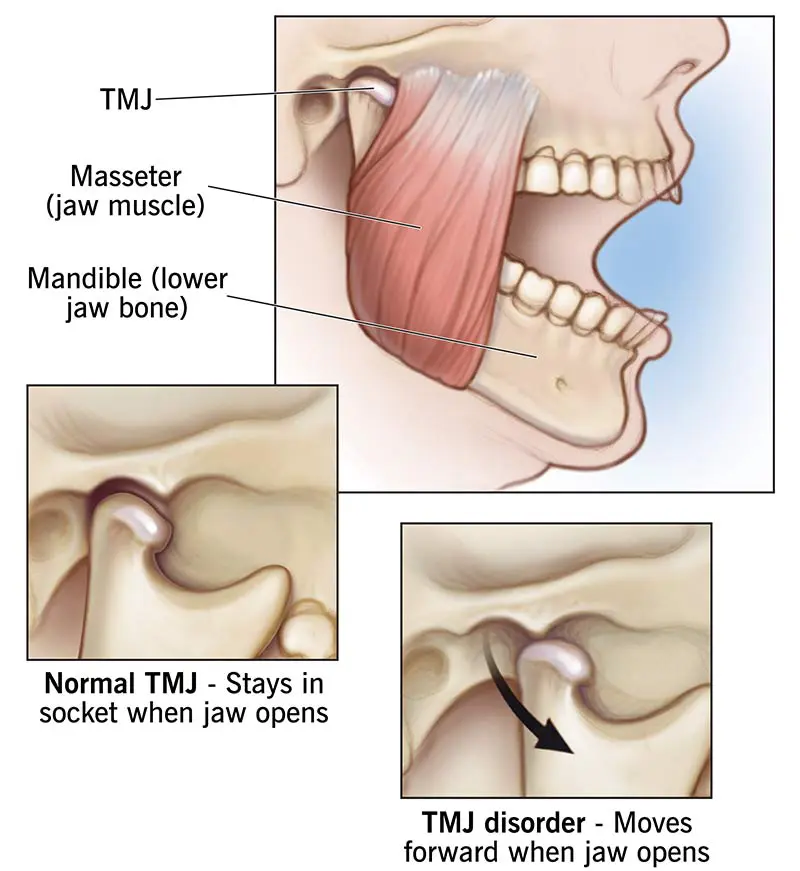
Diagnosis Your healthcare professional will likely discuss your symptoms and examine your jaw by: • Listening to and feeling your jaw while you open and close your mouth• Observing the range of motion in your jaw• Pressing on areas around your jaw to identify points of pain or discomfort If your healthcare professional suspects a TMJ disorder, you may need …
Traumatic Brain Injury
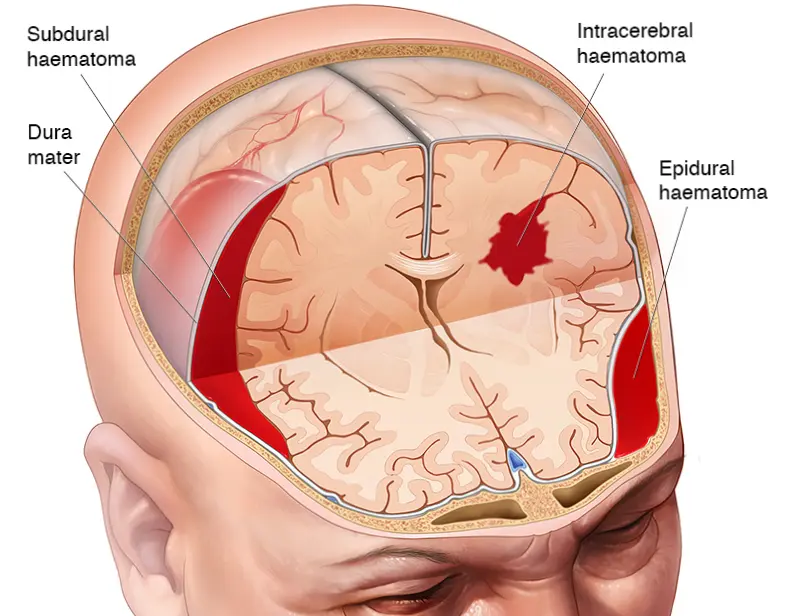
Diagnosis Traumatic brain injuries (TBI) may be medical emergencies. Severe TBIs can worsen rapidly without treatment, so prompt assessment is crucial. Glasgow Coma ScaleThis 15-point test helps assess the initial severity of a brain injury by checking a person’s ability to follow directions, move their eyes and limbs, and speak coherently. Scores range from 3 to 15, with higher scores …
Tuberculosis
Diagnosis To diagnose a tuberculosis (TB) infection, your healthcare professional will do an exam that includes:• Listening to you breathe with a stethoscope• Checking for swollen lymph nodes• Asking questions about your symptoms TB tests Your healthcare professional will order tests if:• Tuberculosis is suspected• You were likely exposed to someone with active TB disease• You have health risks for …
Tay-Sachs Disease
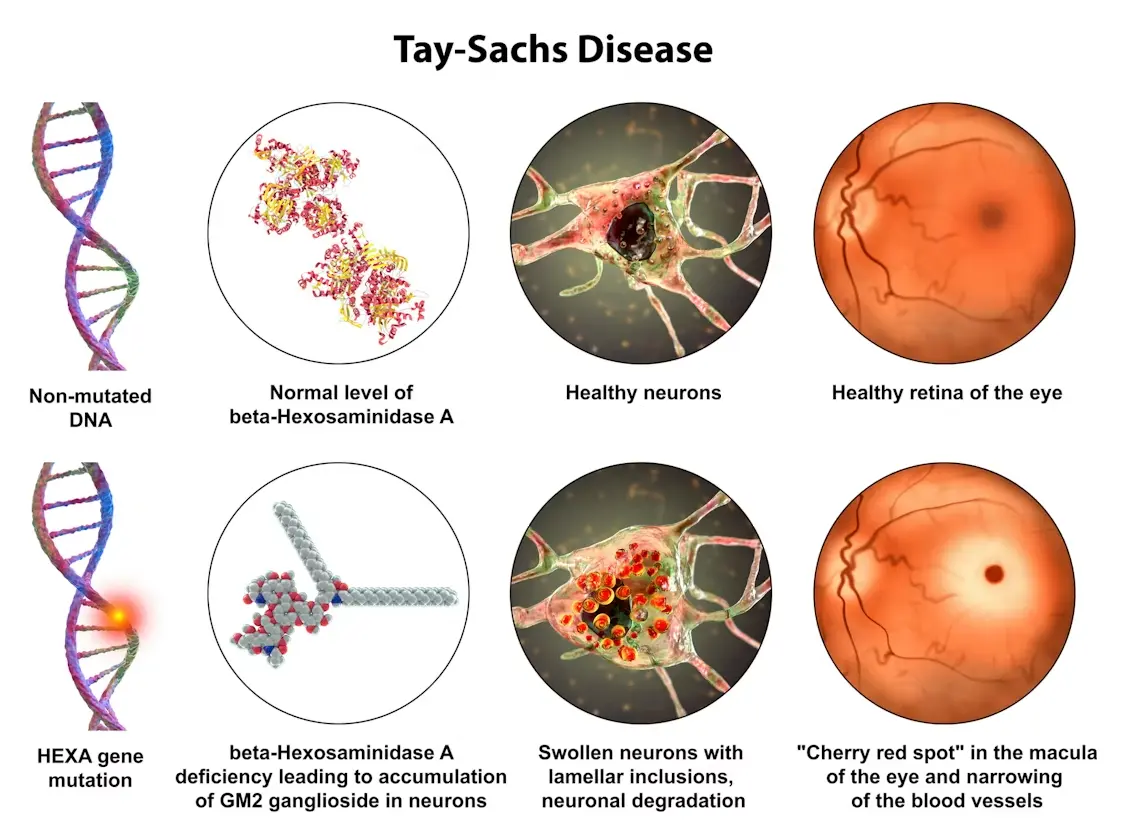
Diagnosis Diagnosing Tay-Sachs disease typically involves reviewing symptoms, discussing any family history of hereditary disorders and doing a physical examination. Your child may also be referred to specialists such as a neurologist for a detailed nervous system evaluation and an ophthalmologist for an eye exam. Several tests help confirm the diagnosis and identify the genetic cause of the condition. A …
Total Anomalous Pulmonary Venous Return (TAPVR)
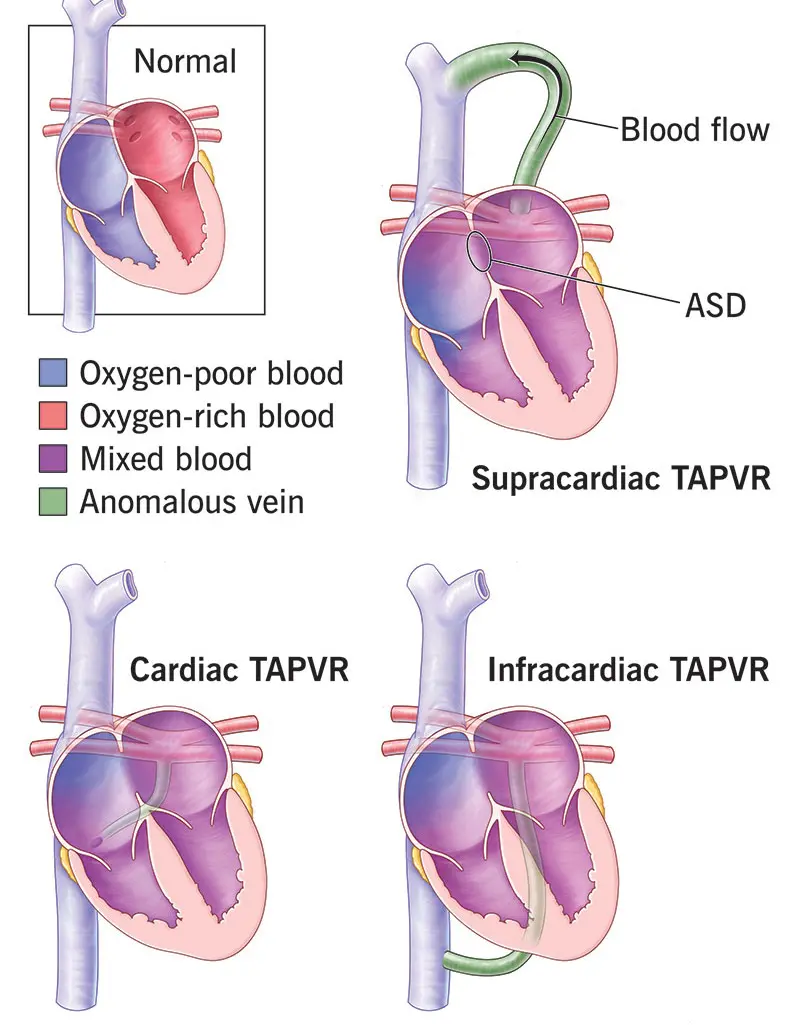
Diagnosis A congenital heart defect may be diagnosed during pregnancy or after birth. Some heart defects can be seen on a routine fetal ultrasound. After birth, a healthcare professional may suspect a congenital heart defect if the baby shows: • Growth delays• Color changes in the lips, tongue, or nails• Heart murmurs detected with a stethoscope. Most murmurs are harmless, …
Tapeworm Infection
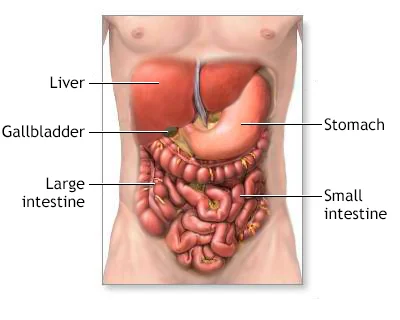
Diagnosis Diagnosing a tapeworm infection depends on whether the infection involves adult tapeworms in the intestines or larval cysts in other parts of the body. For an intestinal infection, a healthcare provider examines stool samples. A lab test may find tapeworm segments or eggs, and you may need to provide samples on more than one day to confirm the diagnosis. …
Systemic Mastocytosis
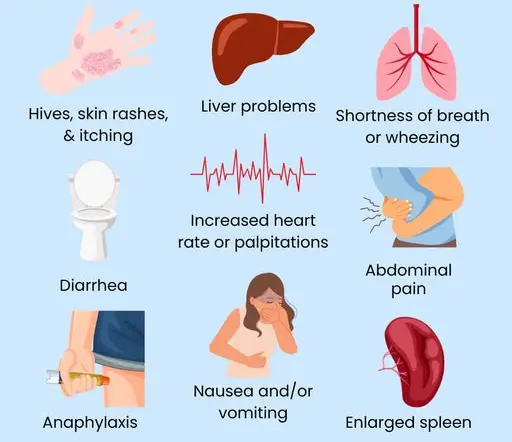
Diagnosis To diagnose systemic mastocytosis, your doctor will review your symptoms and medical history, including medications you’ve taken. Tests are then ordered to detect high levels of mast cells or the substances they release and to evaluate affected organs. Tests may include: Blood or urine tests Bone marrow biopsy Skin biopsy Imaging tests such as X-ray, ultrasound, bone scan, and …
Syringomyelia
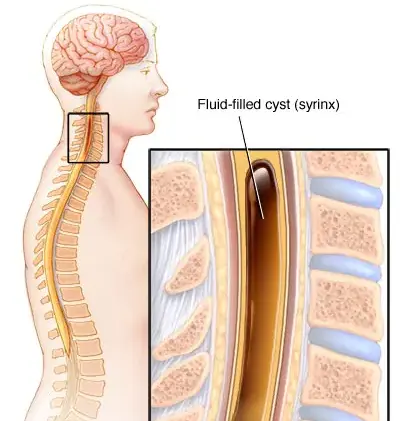
Diagnosis Your healthcare professional will review your medical history and perform a complete physical exam. Sometimes syringomyelia is discovered incidentally during an MRI or CT scan of the spine done for another reason. If syringomyelia is suspected, tests may include: MRI. This is the most reliable tool for diagnosing syringomyelia. It uses radio waves and a strong magnetic field to …
Syphilis
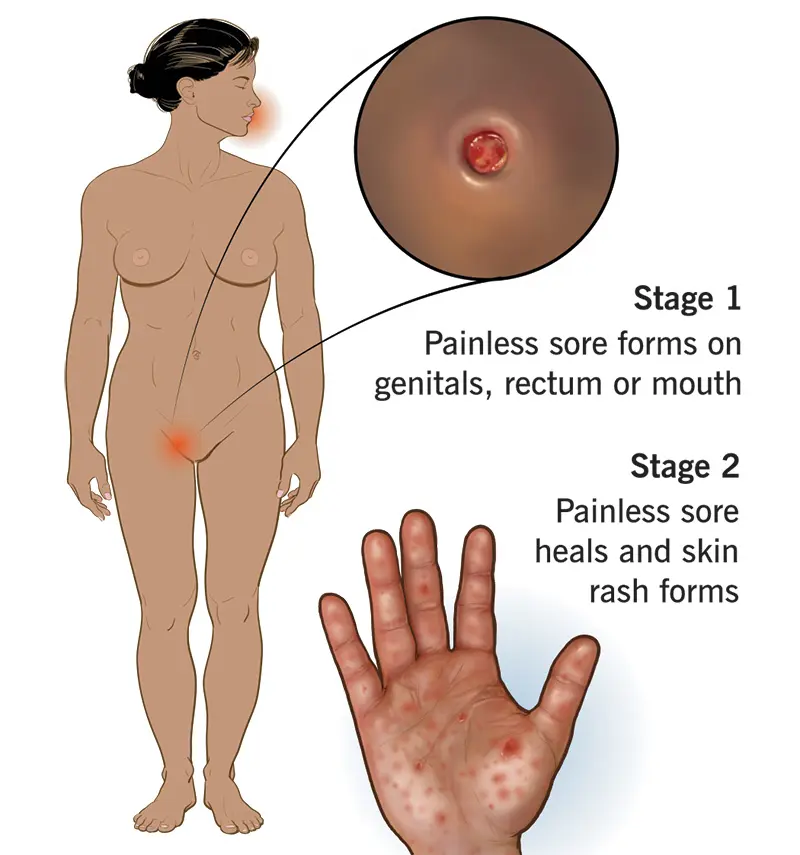
Diagnosis Syphilis can sometimes be detected with an at-home test, but a positive result needs confirmation by a healthcare professional to start treatment. Healthcare professionals diagnose syphilis by testing samples of: Blood. Tests detect antibodies that the immune system produces to fight the bacteria causing syphilis. These antibodies can remain in the body for years, showing a current or past …
Synovial Sarcoma
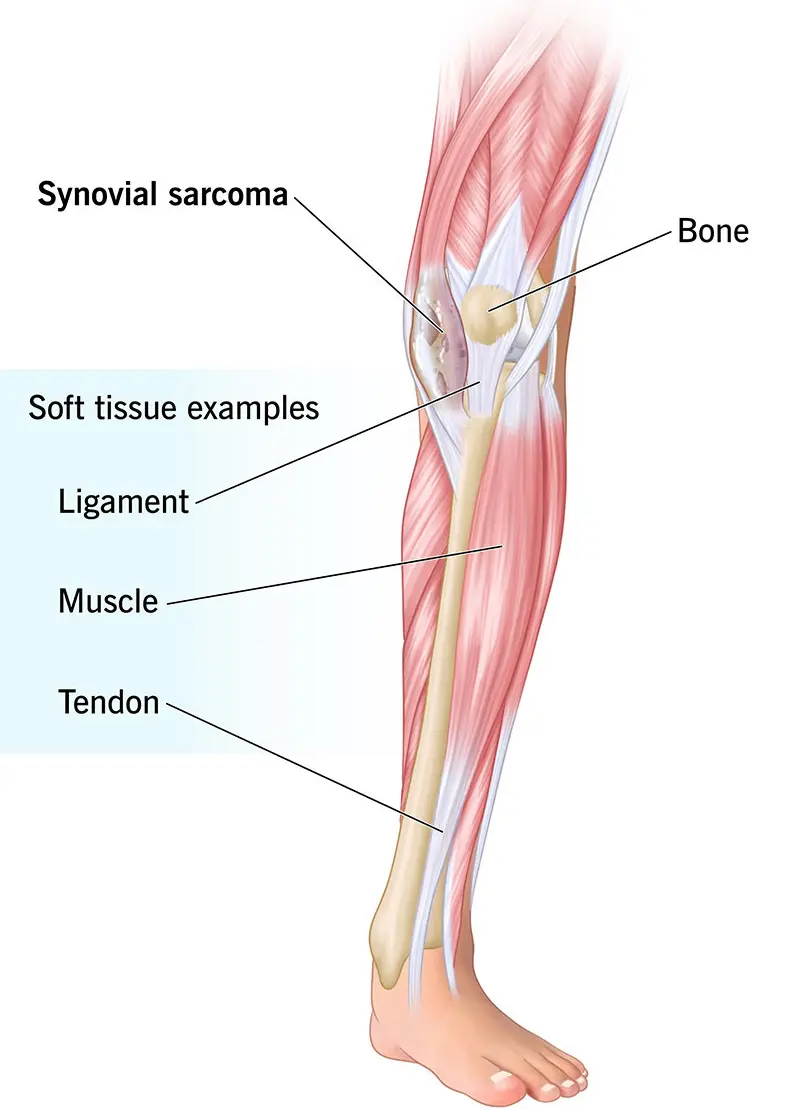
Diagnosis Synovial sarcoma is usually slow growing, so it may take years before a diagnosis is made. Sometimes it is initially mistaken for a joint problem, such as arthritis or bursitis. Tests and procedures used to diagnose synovial sarcoma include: Imaging tests. MRI scans, X-rays, and CT scans can show the location, size, and spread of the sarcoma. Biopsy. A …