Epithelioid Sarcoma

admin

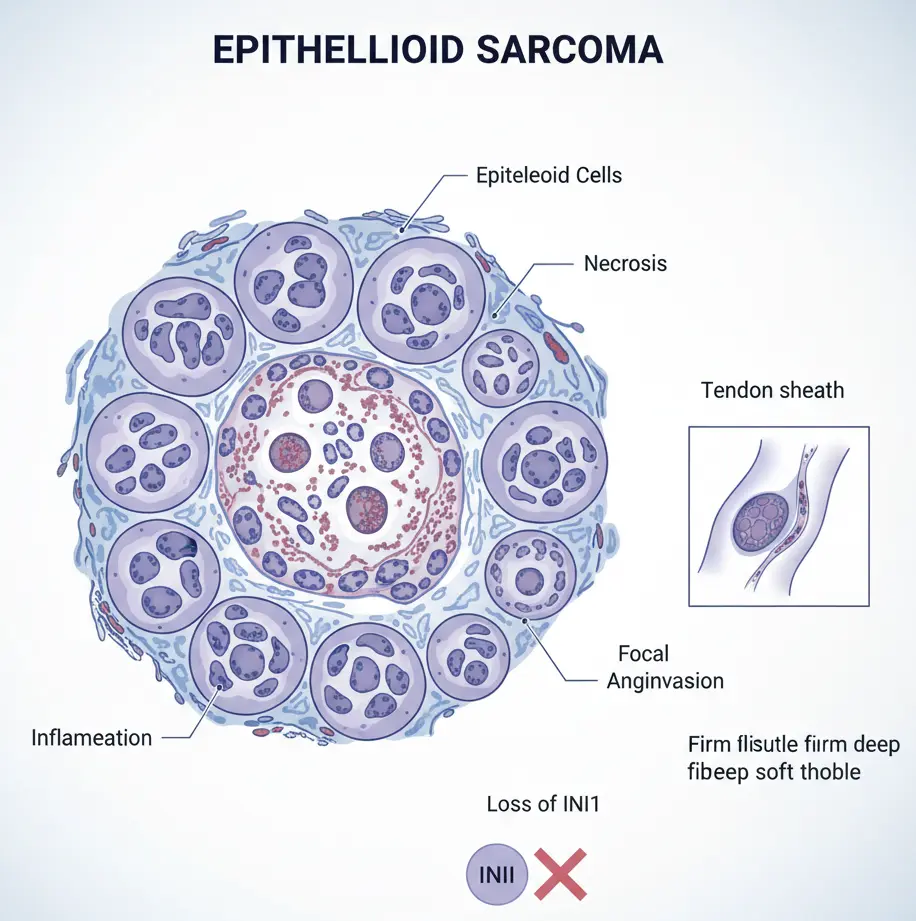
Diagnosis Epithelioid sarcoma can be difficult to diagnose because it often resembles more common conditions, such as skin infections or non-healing sores. This similarity can delay proper diagnosis until further testing is done. Tests and procedures used for diagnosis include: Imaging tests: Imaging techniques such as X-ray, MRI, CT scan, and positron emission tomography (PET) help determine the location, size, …
Frontal Lobe Seizures

admin

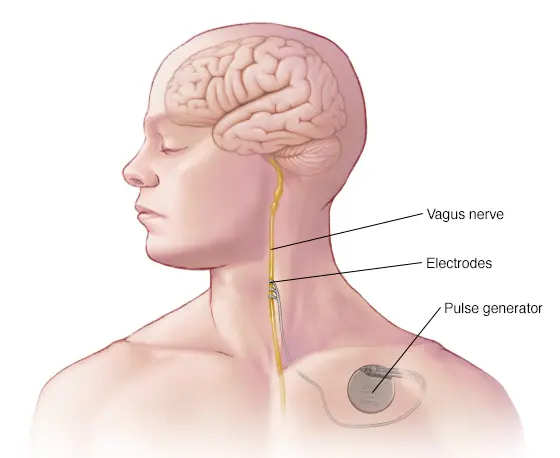
Diagnosis Frontal lobe epilepsy can be challenging to diagnose because its symptoms may resemble mental health disorders or sleep disturbances such as night terrors. In some cases, seizures that appear to start in the frontal lobe may actually originate elsewhere in the brain. To make a diagnosis, a healthcare professional reviews your medical history, discusses your symptoms, and performs a …

Epilepsy

admin

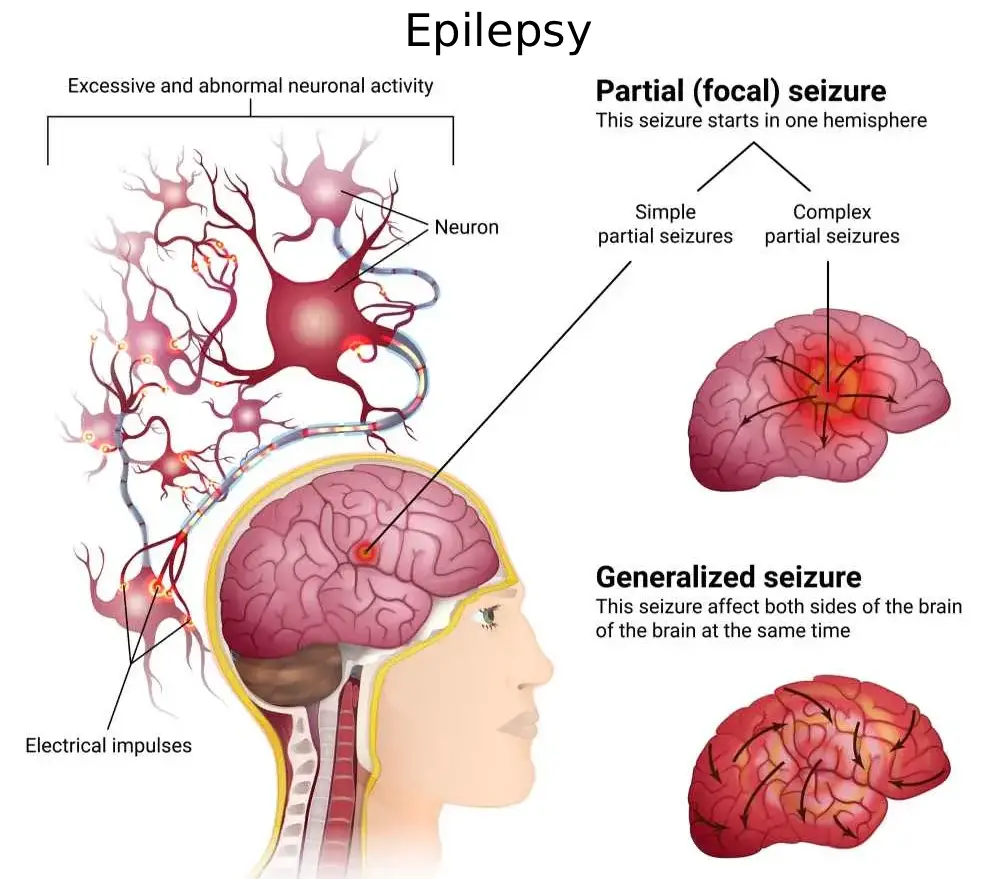
Diagnosis To diagnose epilepsy, your healthcare professional will review your symptoms and medical history and may perform several tests to identify the cause of seizures and determine the best treatment approach. Neurological examA neurological exam evaluates behavior, movement, mental function, and reflexes. This helps determine whether epilepsy is present and what type it might be. Blood testsA blood sample can …

Epiglottitis

admin

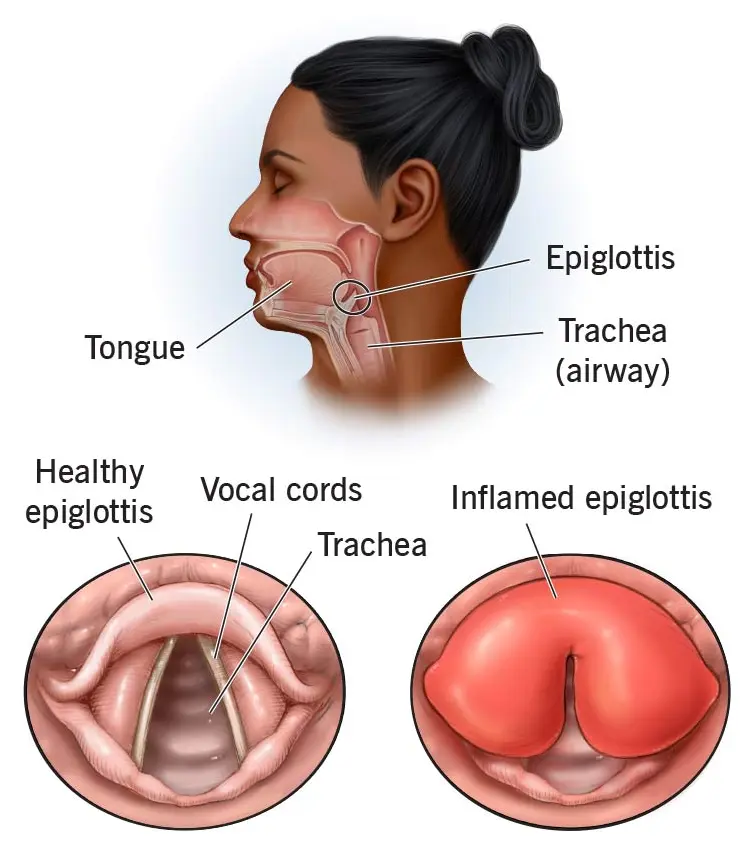
Diagnosis The first step in diagnosing epiglottitis is ensuring that the airway is open and that the person is receiving enough oxygen. Breathing and blood oxygen levels are closely monitored. If oxygen levels drop too low, breathing assistance may be required. Tests after breathing is stable include: Throat exam: Using a flexible fiber-optic lighted tube, a healthcare provider examines the …

Epididymitis

admin

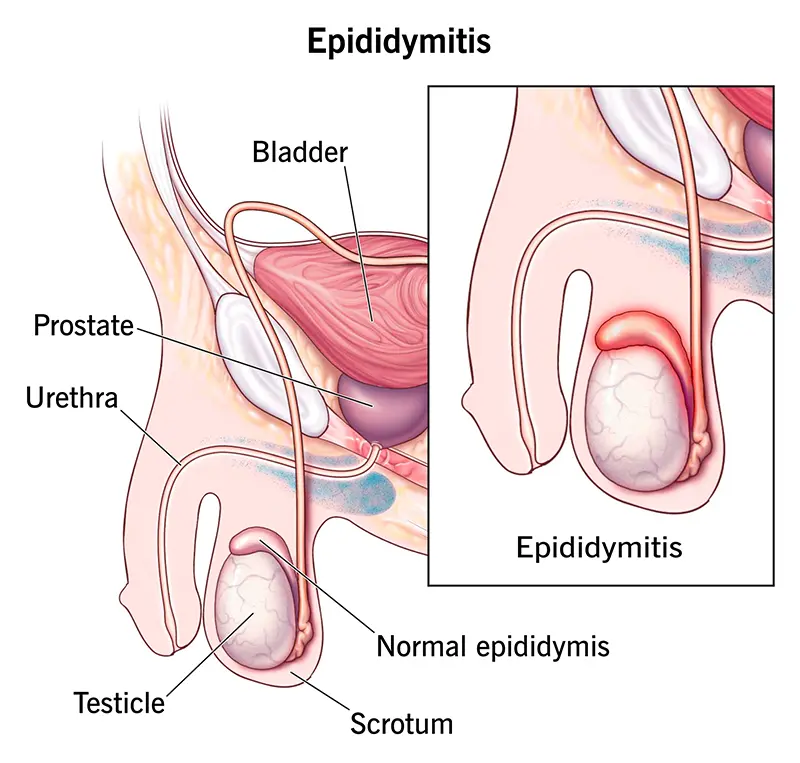
Diagnosis To diagnose epididymitis, your healthcare provider will discuss your symptoms and perform a physical examination of your groin. This examination may include checking for enlarged lymph nodes and assessing whether one testicle is swollen or tender. A rectal exam may also be performed to evaluate the prostate for enlargement or tenderness. Common diagnostic tests include: STI screening: A narrow …

Epidermolysis Bullosa

admin

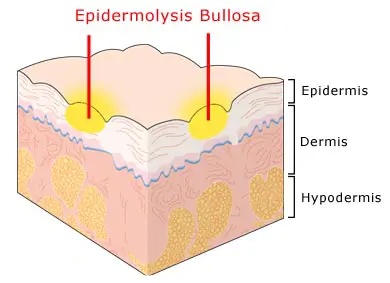
Diagnosis Your healthcare provider may recognize epidermolysis bullosa based on the appearance of the skin. To confirm the diagnosis and determine the specific type, several tests may be performed. Common diagnostic tests include: Biopsy for immunofluorescence mapping: A small sample of affected skin or mucous membrane is removed and examined with a special microscope. This test helps identify which layers …

Tennis Elbow

admin

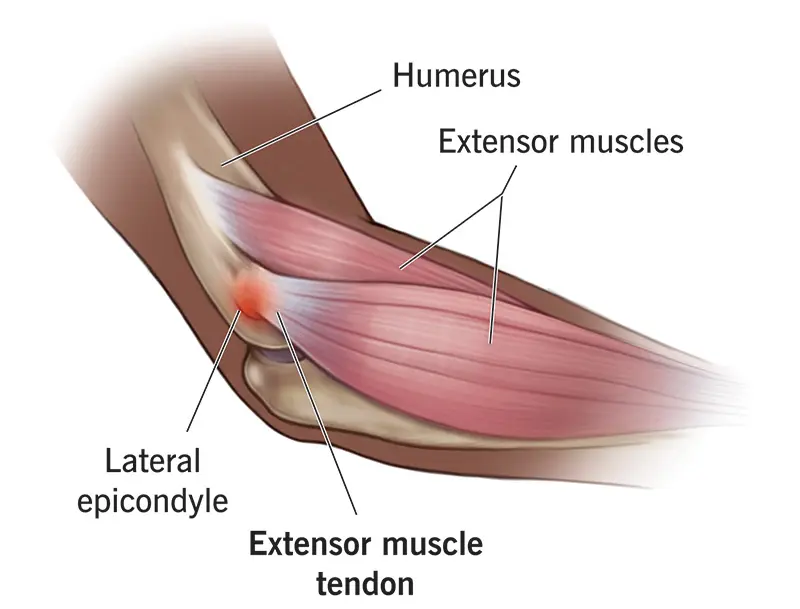
Diagnosis Tennis elbow is usually diagnosed through a medical history review and a physical exam. A healthcare provider may press on the affected area or ask you to move your elbow, wrist and fingers in different ways to check for pain and tenderness. Imaging tests such as X-rays or ultrasound may be used if another condition is suspected. Treatment Tennis …

Ependymoma

admin

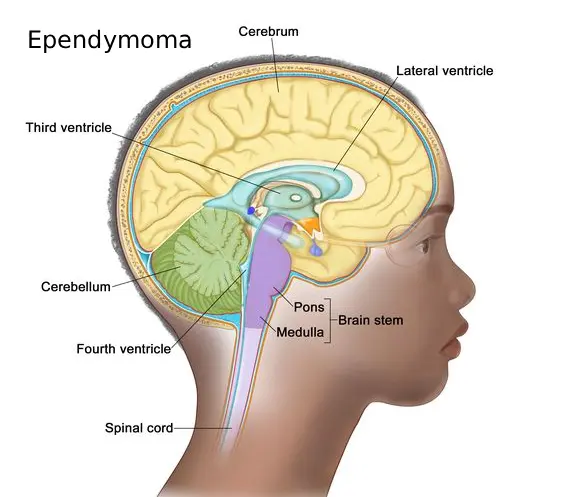
Diagnosis Diagnosis of ependymoma involves a combination of neurological examinations and imaging or lab tests to determine the tumor’s presence, size, and location. Tests and procedures used to diagnose ependymoma include: Neurological exam – A healthcare professional assesses vision, hearing, balance, coordination, strength, and reflexes. Any abnormalities can help identify which part of the brain or spinal cord may be …

Eosinophilic Esophagitis

admin

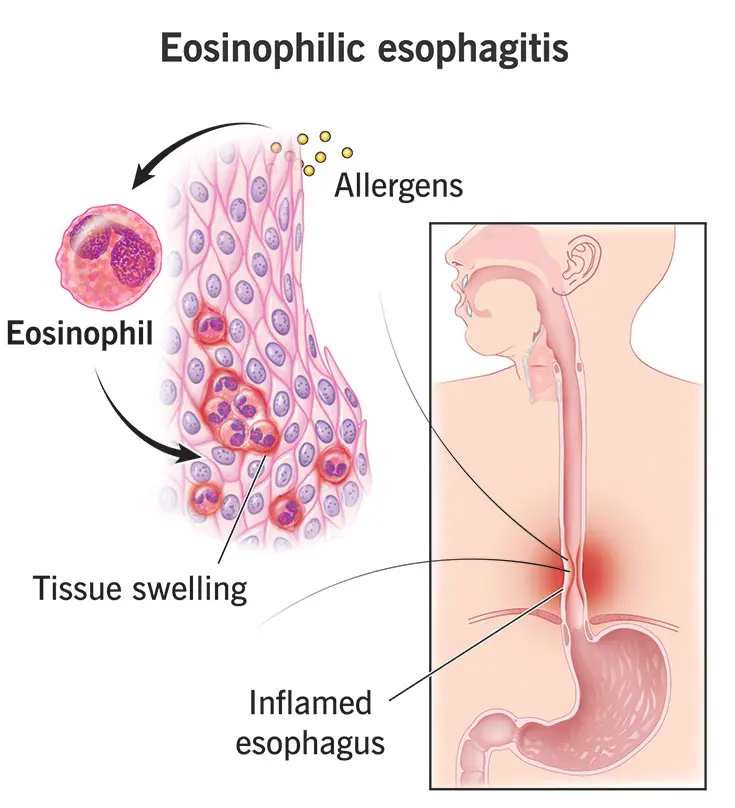
Diagnosis Diagnosis of eosinophilic esophagitis (EoE) involves assessing symptoms, medical history, and specific test results. Your healthcare provider will also check for other possible conditions, such as gastroesophageal reflux disease (GERD), which can cause similar symptoms. Tests used to diagnose eosinophilic esophagitis include: Upper endoscopy – A long, flexible tube (endoscope) with a light and camera is inserted through the …

Entropion

admin

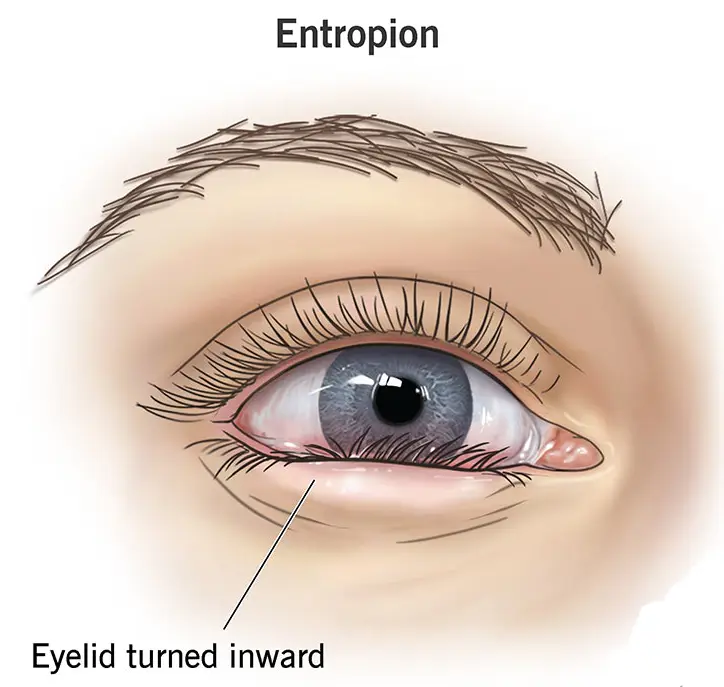
Diagnosis Entropion is typically diagnosed during a routine eye examination and physical evaluation. During the exam, a healthcare provider may gently pull on the eyelids or ask you to blink or close your eyes tightly. This helps assess the eyelid’s position, muscle tone, and tightness. If entropion is linked to scar tissue, a past surgery, or another condition, the doctor …