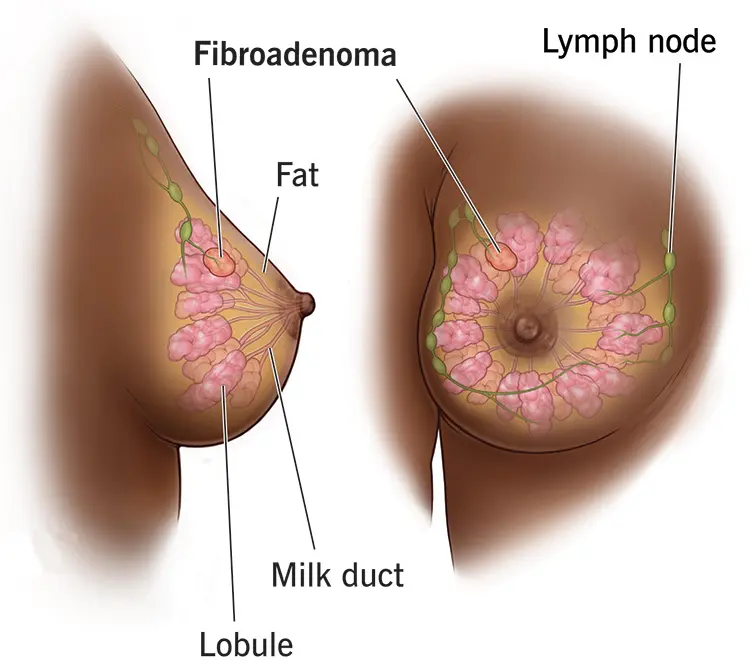
Diagnosis Diagnosis of a breast lump begins with a physical exam and may include imaging tests and biopsies to determine the cause. During the exam, your healthcare professional checks the breasts, chest wall, underarms, and neck while you are sitting upright and lying on your back. Imaging tests often include: Diagnostic mammogram, an X-ray that captures black-and-white images of the …
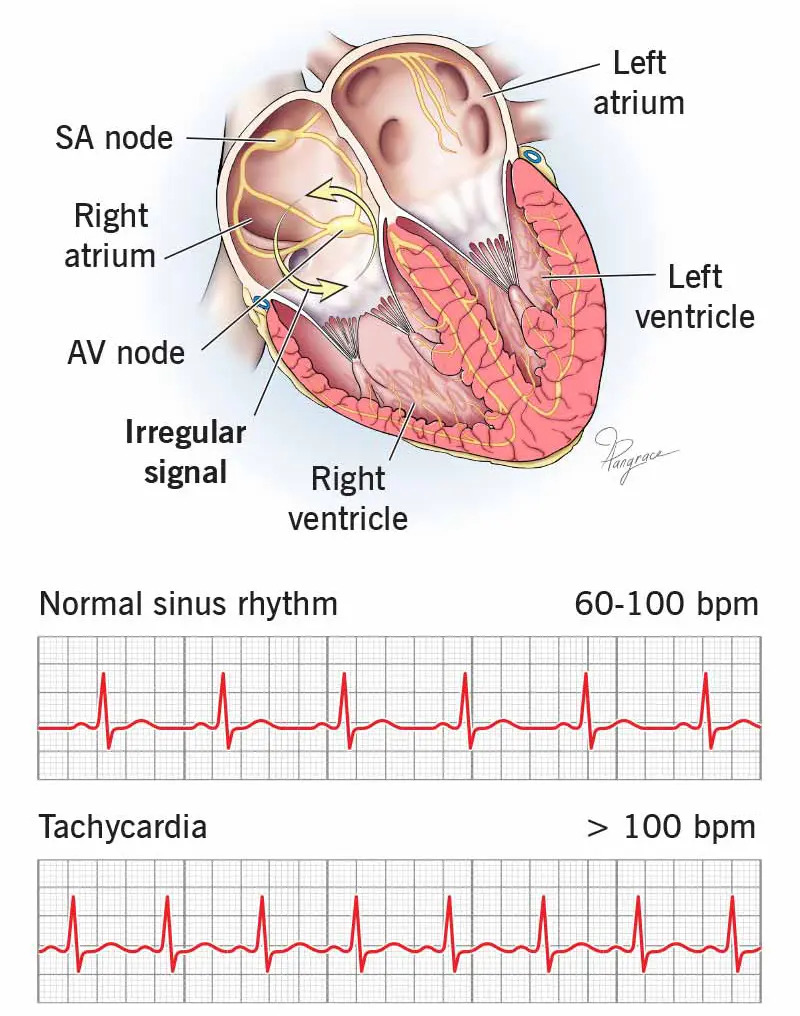
Supraventricular Tachycardia
Diagnosis Supraventricular tachycardia (SVT) is diagnosed by a healthcare professional through a physical examination, listening to the heart, and taking blood pressure. Your provider will ask about your symptoms, medical history, and health habits. Tests to confirm SVT may include: Blood tests to check for causes of a fast heartbeat, such as thyroid disease. Electrocardiogram (ECG or EKG) to measure …
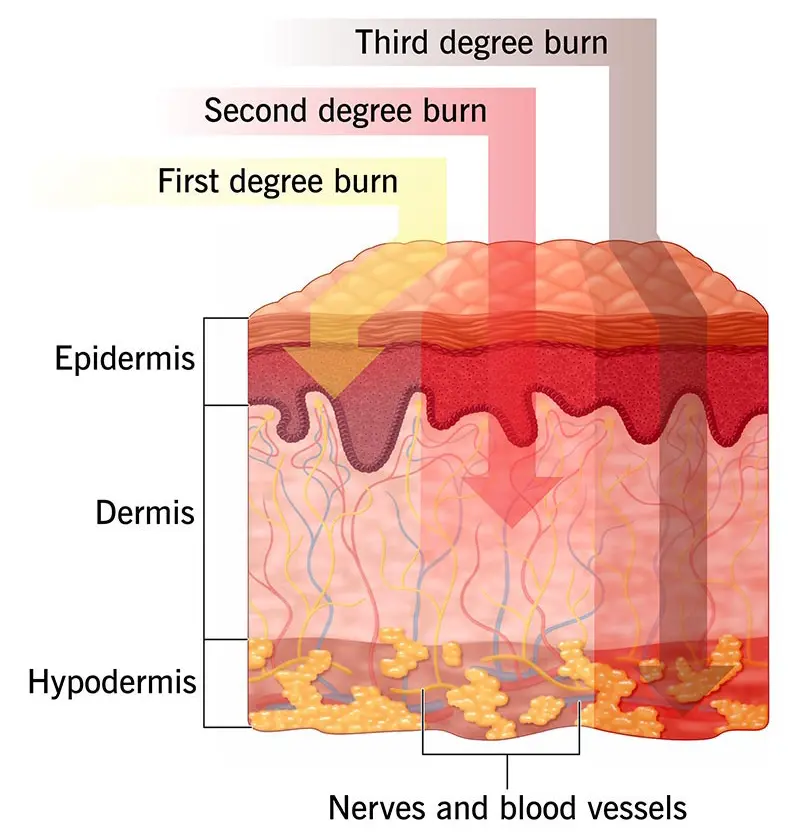
Sunburn
Diagnosis Sunburn is usually diagnosed by a healthcare professional based on the appearance of the skin and a review of recent sun exposure. Your provider may ask about: Duration and intensity of sun exposure. Use of sunscreen or protective clothing. Previous history of sunburn or skin conditions. In most cases, no additional tests are needed, as the redness, pain, and …
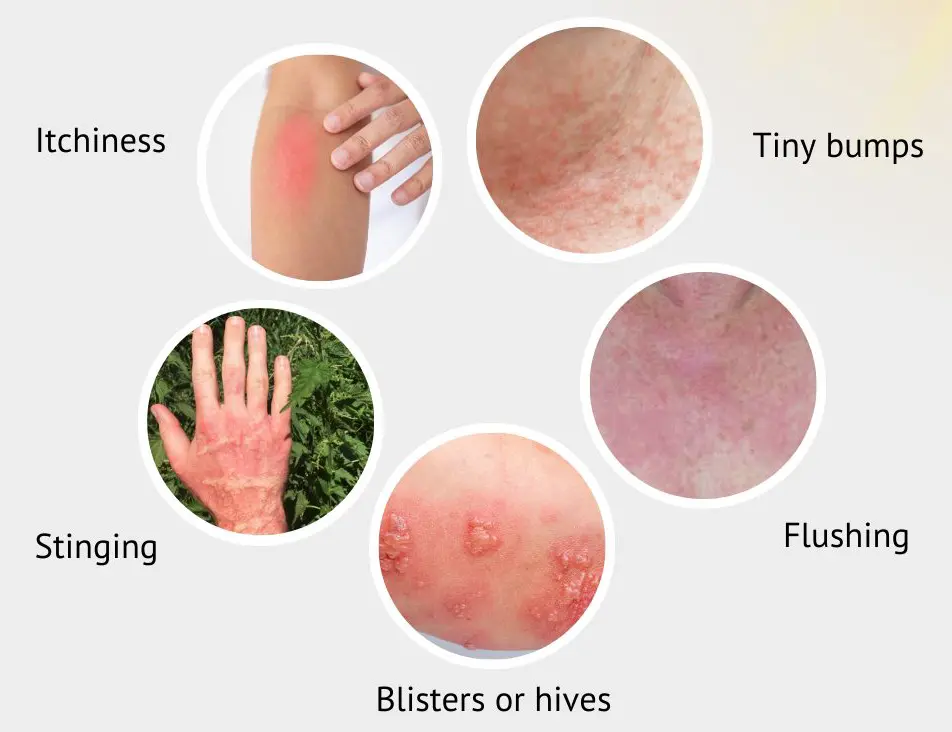
Sun Allergy
Diagnosis Your health care provider may diagnose sun allergy by examining your skin. Additional tests may be recommended to confirm the type of sun allergy or rule out underlying conditions: Ultraviolet (UV) light testing. Also called phototesting, this test uses a special lamp to see how your skin reacts to light and helps identify the type of sun allergy. Photopatch …
Suicide and Suicidal Thoughts
Diagnosis Your doctor evaluates suicidal thoughts by combining a physical exam, mental health assessment, and in-depth questioning about your overall well-being. The goal is to determine potential causes and decide on the most appropriate treatment. Assessments may include: Mental health conditions. Suicidal thoughts are often linked to treatable mental health issues. You may see a psychiatrist or another mental health …
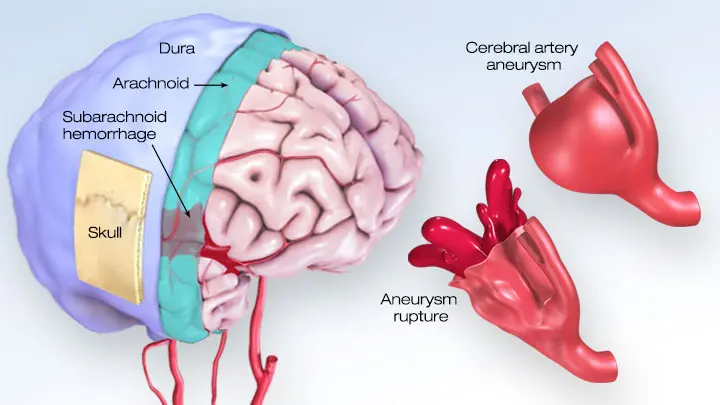
Subarachnoid Hemorrhage
Diagnosis To diagnose a subarachnoid hemorrhage, several tests may be used to confirm bleeding around the brain and identify its cause. A CT scan is often the first test because it can quickly detect bleeding. In some cases, contrast dye is added to create a CT angiogram for a more detailed view of blood vessels. An MRI also can detect …
Stretch Marks
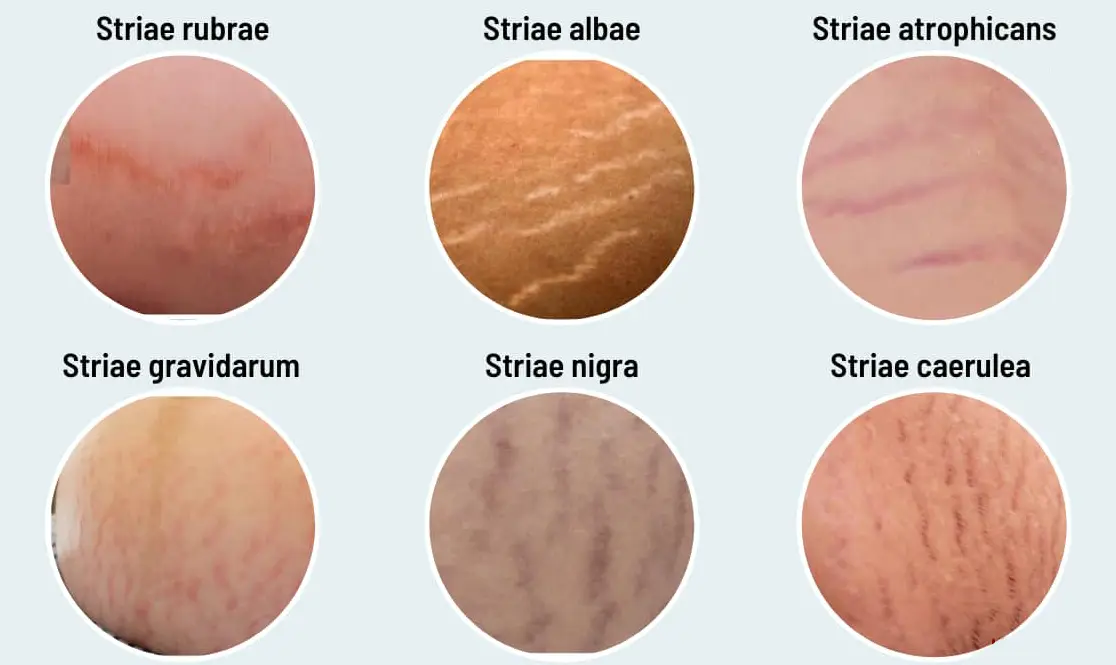
Diagnosis Stretch marks usually do not require a formal diagnosis. A healthcare professional may examine your skin and review your medical history to understand when the marks appeared and whether any health changes may be involved. If there is concern about elevated cortisol levels, additional tests may be recommended to rule out underlying conditions that might contribute to skin changes. …
Stress Incontinence
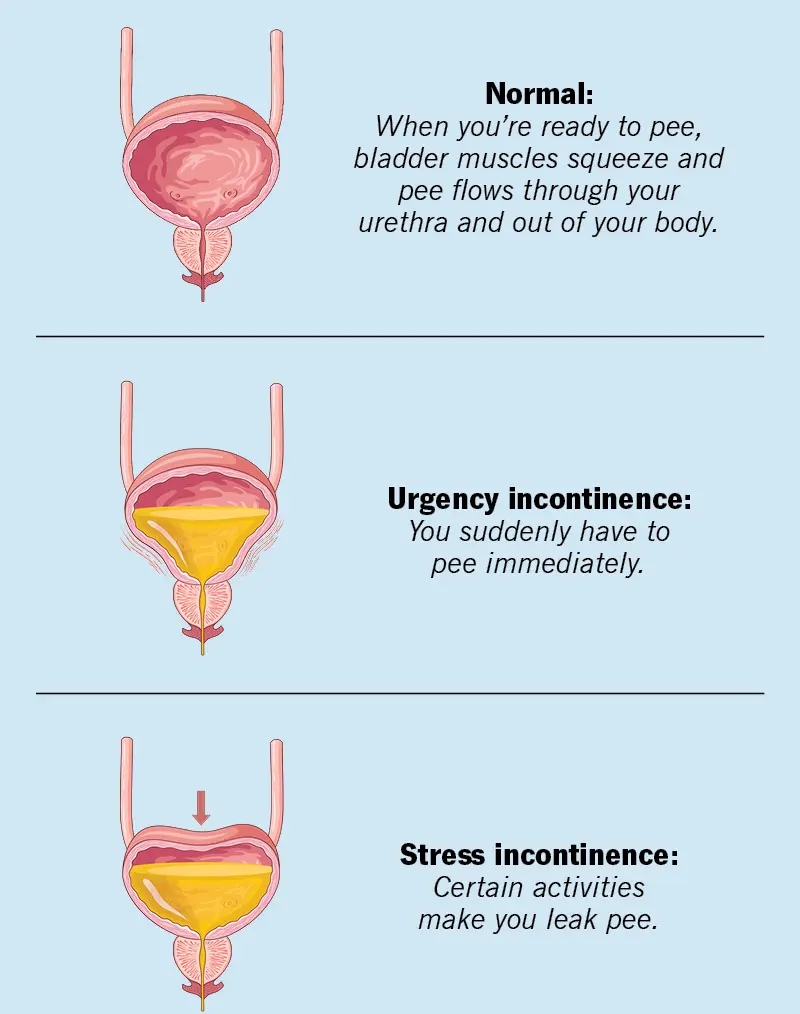
Diagnosis During your visit, the healthcare professional seeks clues to the cause of your symptoms by using a combination of history, exams and tests. Your appointment typically includes a voiding diary to track fluid intake and urination frequency, a medical history review, and a physical exam — which may include a pelvic exam in women or a rectal exam. A …
Strep Throat
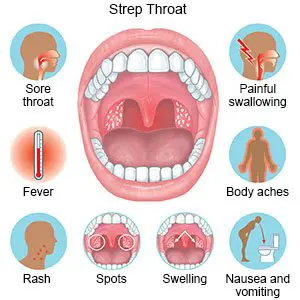
Diagnosis Diagnosis of strep throat begins with a physical exam and a review of symptoms. Your healthcare provider checks the throat for redness, swelling and white patches. To confirm the infection, one or more tests may be used. A rapid antigen test can quickly detect strep bacteria using a swab from the throat, providing results in minutes. If this test …
Trigger Finger
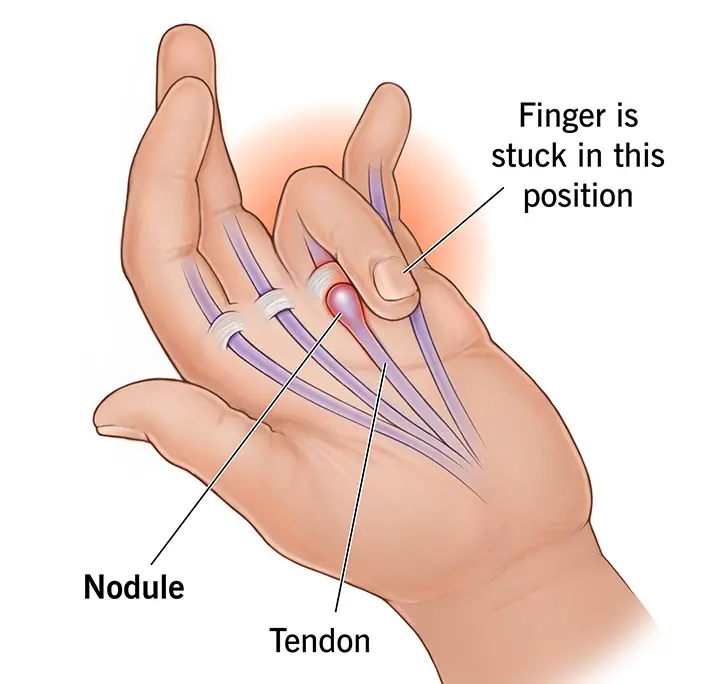
Diagnosis During the exam, a healthcare provider may ask you to open and close your hand. The provider checks for: • Areas of pain• Smoothness of motion• Evidence of locking or catching Additional evaluation may include discussion of your symptoms, hand usage patterns, and any prior injuries or conditions affecting the hand. Treatment Trigger finger treatment depends on the severity …