Diagnosis Screening for colon polyps is essential to detect and remove them before they become cancerous. These screening tests can also help find colorectal cancer early, when treatment is most effective. Screening Methods Colonoscopy A colonoscopy is the most effective screening method for colon polyps and colorectal cancer. A thin, flexible tube with a light and camera is inserted through …

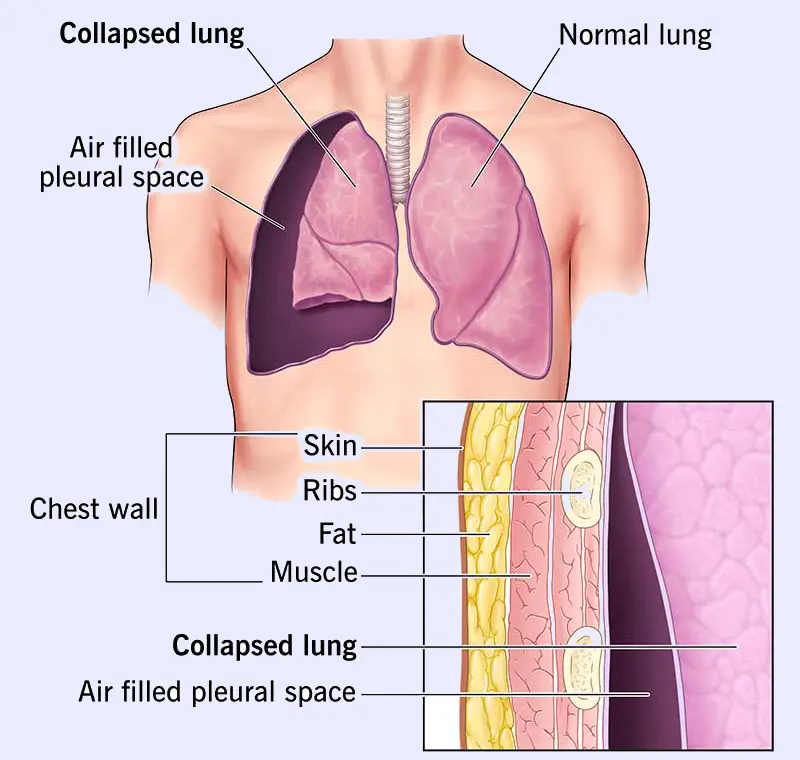
Pneumothorax
Diagnosis A pneumothorax is usually diagnosed using a chest X-ray. In some cases, a computerized tomography (CT) scan may be needed to provide more detailed images. Ultrasound imaging can also be used to identify a pneumothorax. Treatment The primary goal in treating a pneumothorax is to relieve pressure on the lung and allow it to re-expand. A secondary goal, depending …
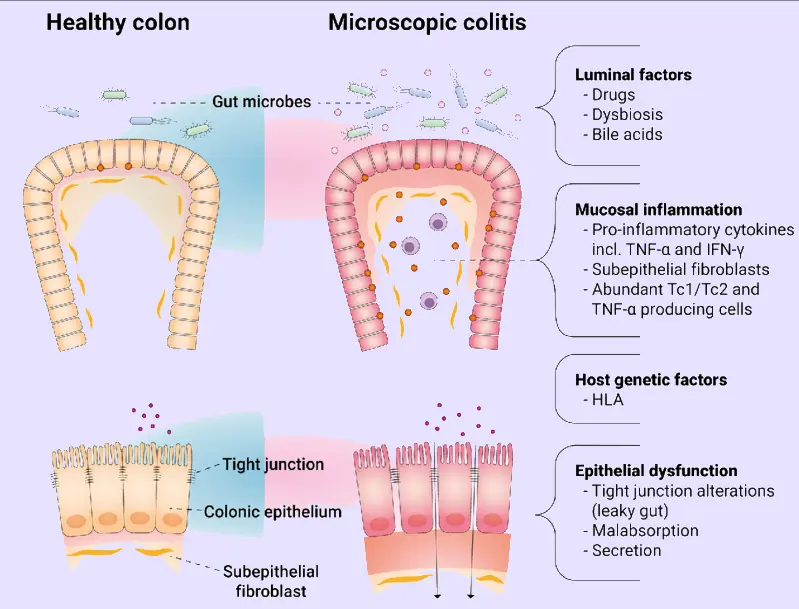
Microscopic Colitis
Diagnosis Diagnosing microscopic colitis involves a complete medical history, a physical examination and appropriate testing. Your healthcare professional will review your symptoms, ask about medicines you take and check for other conditions that can cause long-lasting diarrhea, such as celiac disease. Because the colon often appears normal in people with microscopic colitis, the diagnosis cannot be made by visual inspection …
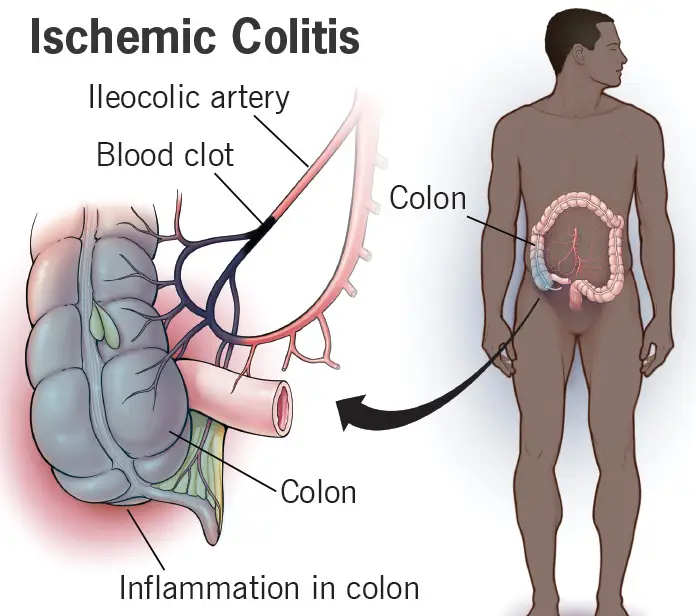
Ischemic Colitis
Diagnosis Ischemic colitis is often mistaken for other digestive conditions, especially inflammatory bowel disease (IBD), because their symptoms overlap. Diagnosis usually involves symptom evaluation and imaging tests to confirm the condition and rule out other causes. Common diagnostic tests include: Abdominal CT scan: Provides detailed images of the colon and helps rule out disorders such as IBD. Colonoscopy: Offers a …
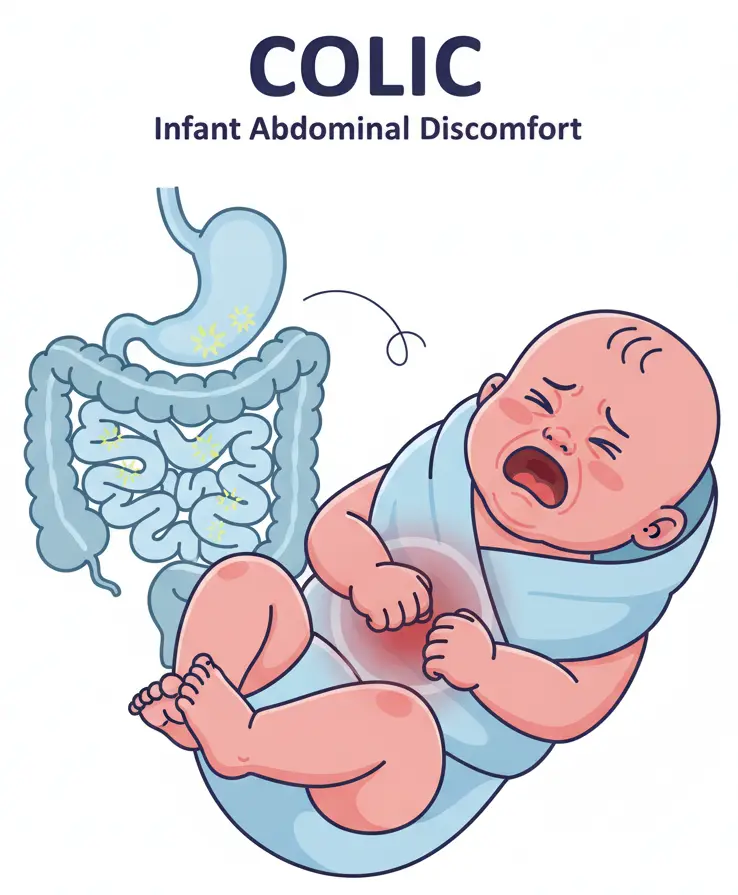
Colic
Diagnosis Your baby’s healthcare provider will perform a complete physical examination to identify possible causes of distress. The evaluation includes: Measuring height, weight, and head circumference Listening to the heart, lungs, and abdomen Examining the limbs, fingers, toes, eyes, ears, and genitals Assessing the baby’s response to touch or movement Checking for rashes, inflammation, infections, or allergies Usually, lab tests …
Common Cold
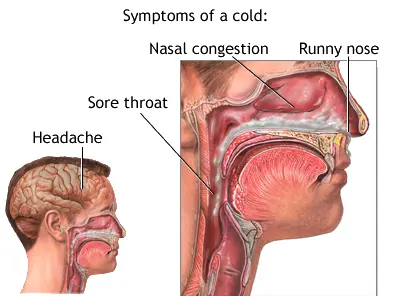
Diagnosis You usually don’t need medical care for a common cold. But if symptoms get worse or do not go away, see your healthcare provider. Most people with a common cold can be diagnosed based on their symptoms. Your healthcare provider may take a nasal or throat swab to rule out other infections. A chest X-ray may be done to …
Cold Sore
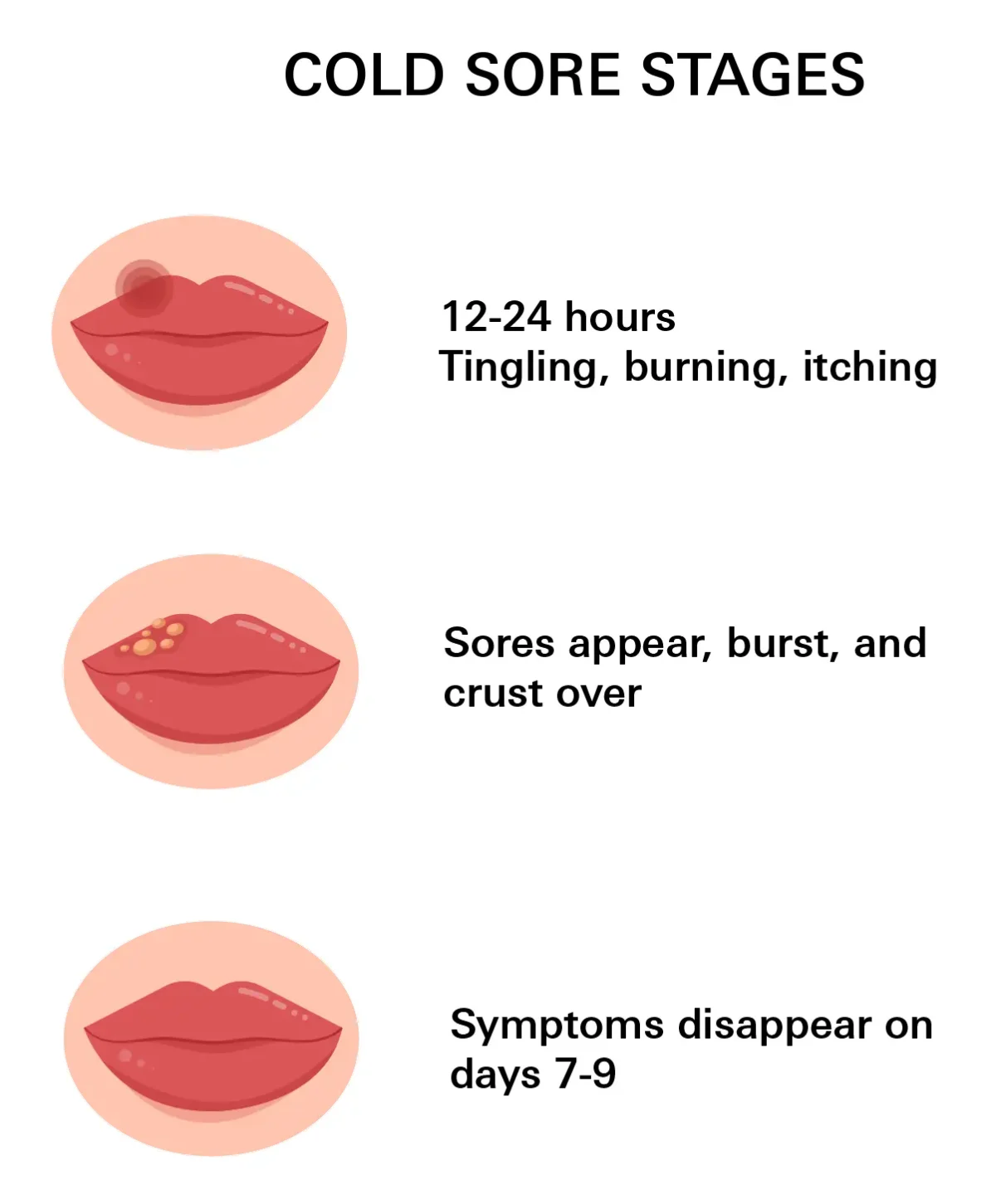
Diagnosis A healthcare provider can usually diagnose cold sores by examining their appearance. In some cases, to confirm the diagnosis, a sample from the blister may be taken and tested in a laboratory. Treatment Cold sores often heal on their own within 2 to 4 weeks. However, antiviral medicines may be prescribed to help speed up the healing process. Common …
Hypothermia
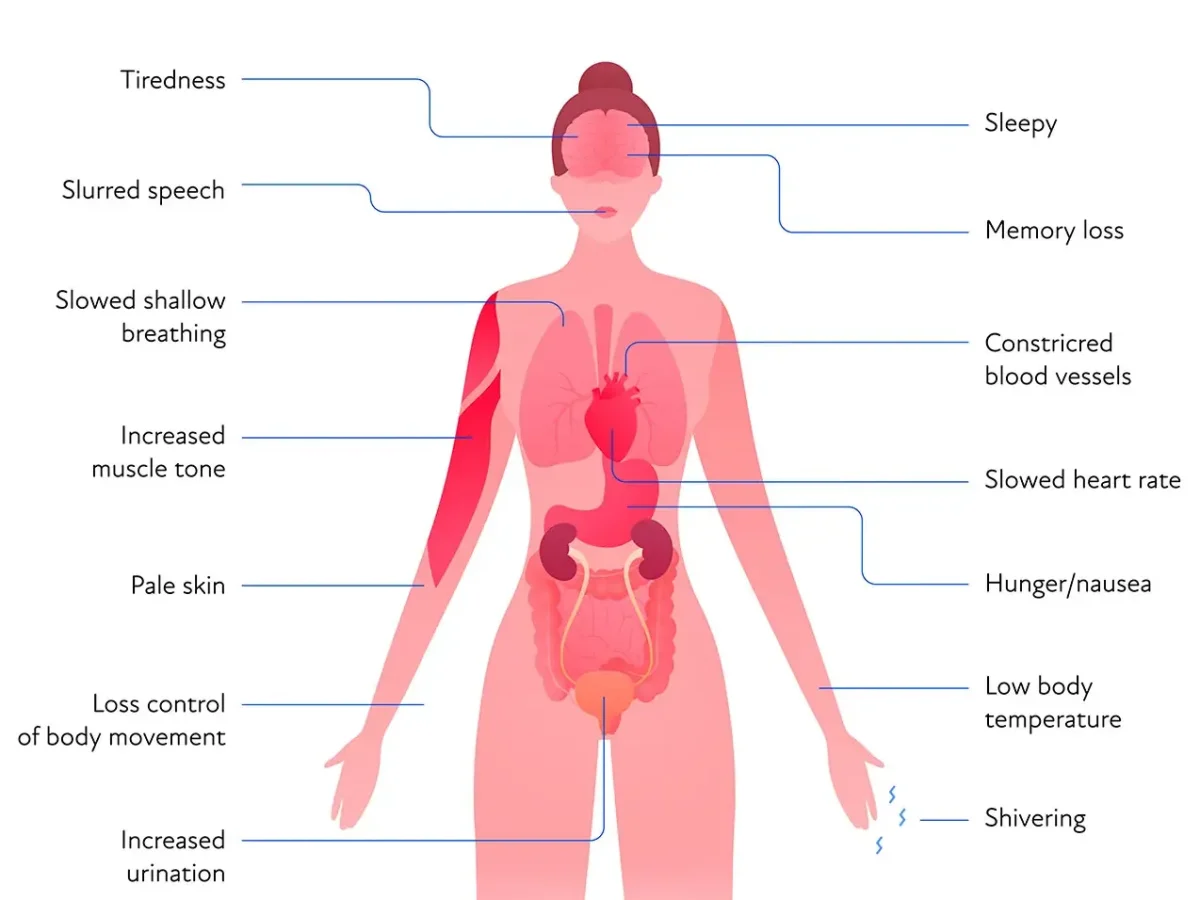
Diagnosis The diagnosis of hypothermia is usually clear based on a person’s symptoms and the conditions in which they became ill or were found. Signs such as shivering, confusion, slow breathing, or drowsiness can indicate low body temperature. Blood tests can confirm hypothermia and determine its severity by measuring core body temperature and related metabolic changes. However, mild cases can …
Cold Urticaria
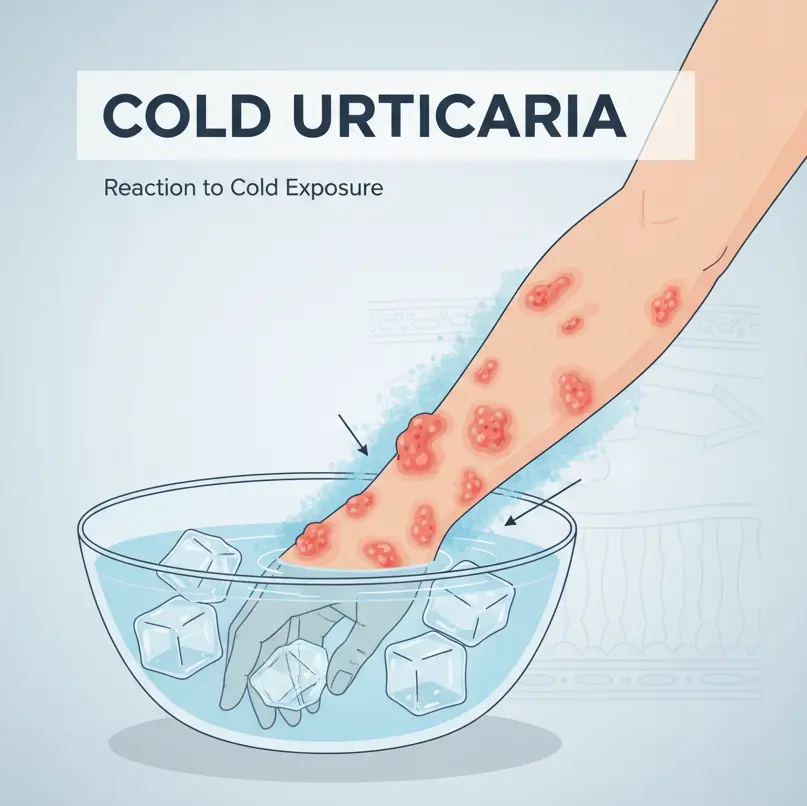
Diagnosis To diagnose cold urticaria, an ice cube test (also known as a cold contact test) is performed. In this test, an ice cube is placed on your skin for about five minutes. If you have cold urticaria, a raised bump (hive) will appear a few minutes after the ice is removed. In some cases, underlying conditions such as infections …
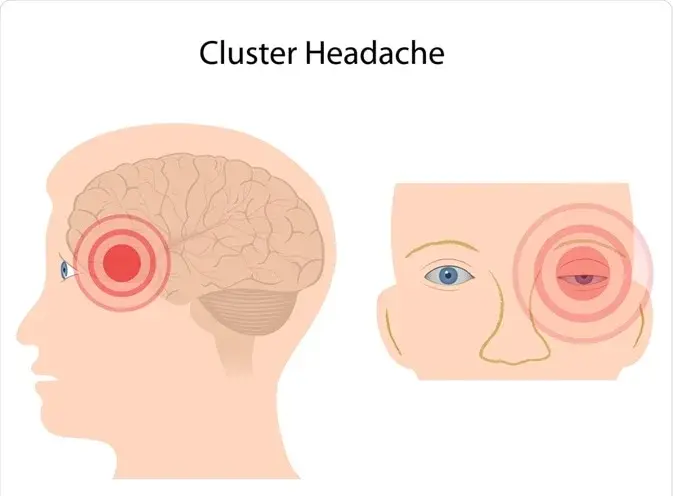
Cluster Headache
Diagnosis Cluster headache has a distinctive type of pain and attack pattern. Diagnosis depends on describing the location, intensity, and nature of the pain, as well as other symptoms. The frequency and duration of the headaches also play an important role. A neurologist, who specializes in brain and nervous system conditions, typically diagnoses cluster headache based on medical history, symptoms, …