Diagnosis Solitary fibrous tumors are diagnosed using imaging tests and procedures that collect tissue samples for examination. These steps help determine the tumor’s size, location and whether it is cancerous. Imaging testsImaging tests provide detailed views of the inside of the body and help identify features of the tumor. Common imaging tests include:• X-rays• CT scans• MRI scans• PET scans …
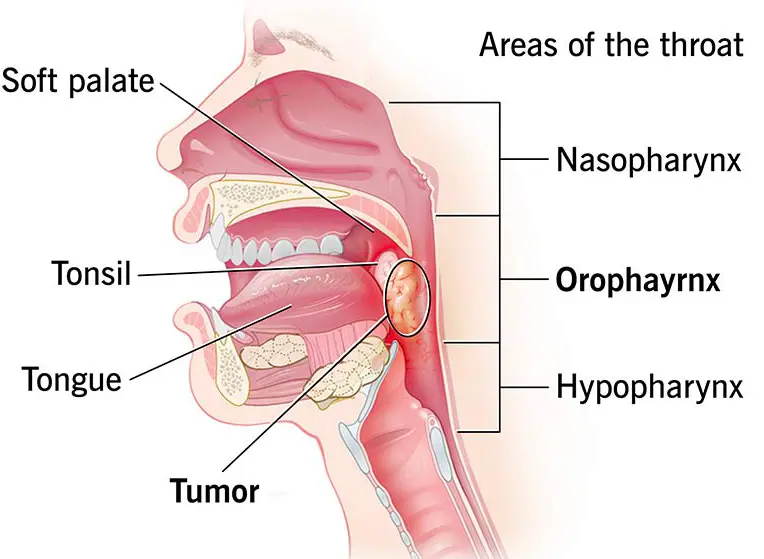
Soft Palate Cancer
Diagnosis Tests and procedures used to diagnose soft palate cancer aim to identify suspicious areas, confirm whether cancer is present and determine the extent of the disease. A healthcare professional examines the mouth and neck using a mirror or a small camera to look for lumps, sores or other changes in the soft palate. The neck may also be checked …
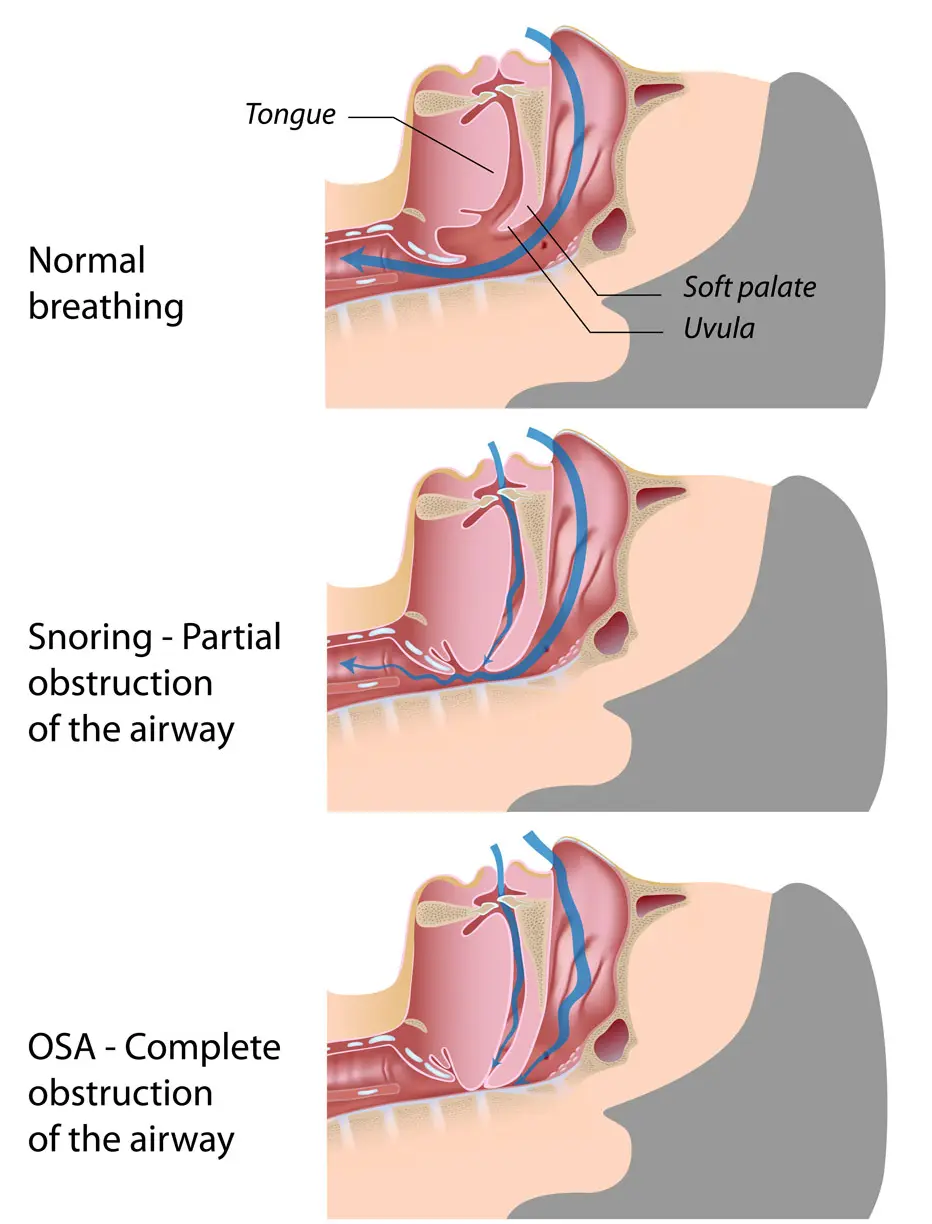
Snoring
Diagnosis To diagnose the cause of snoring, your doctor reviews your symptoms, medical history and performs a physical examination. If you have a partner, your doctor may ask them questions about how often and how loudly you snore. For children who snore, parents are asked to describe the severity and pattern of the snoring. Imaging tests may be recommended to …
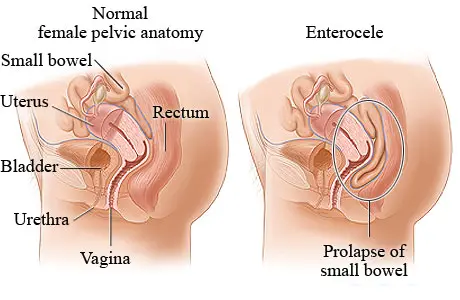
Small Bowel Prolapse (Enterocele)
Diagnosis To confirm a diagnosis of small bowel prolapse, a pelvic exam is typically performed. During this exam, you may be asked to take a deep breath and hold it while bearing down as though having a bowel movement. This action, called the Valsalva maneuver, can make the prolapsed small bowel bulge downward, allowing the doctor to see the prolapse …
Small Bowel Cancer
Diagnosis Small bowel cancers are often challenging to diagnose, which means people may need several tests to locate the cancer or rule it out. Blood tests are commonly used to check overall health. While they cannot detect cancer directly, a complete blood count can reveal low red blood cell levels, which may indicate bleeding in the small intestine. Other blood …
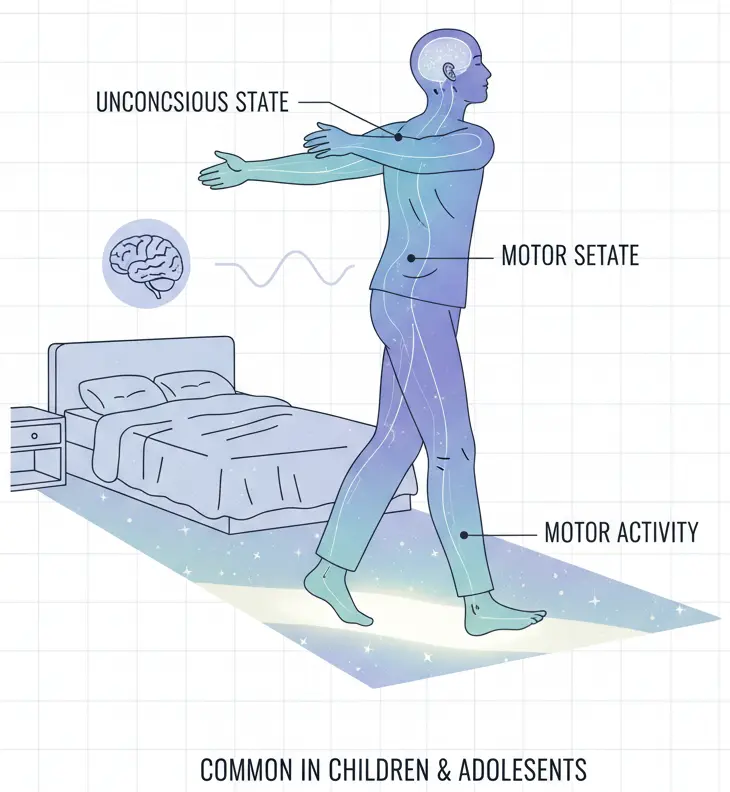
Sleepwalking
Diagnosis To diagnose sleepwalking, a healthcare professional reviews your medical history and the symptoms you experience. This evaluation helps identify whether another condition may be contributing to the episodes. A physical exam is often part of the process, allowing the healthcare professional to look for issues that may be confused with sleepwalking, such as nighttime seizures, panic attacks or other …
Sleep Terrors (Night Terrors)
Diagnosis To diagnose sleep terrors, a healthcare professional may begin by reviewing your medical history. This can include a discussion of any existing health conditions and a physical exam to look for issues that could be contributing to the episodes. You also may be asked about any family history of sleep-related concerns. Diagnosis often relies heavily on your description of …
Sleep Disorders
Diagnosis Sleep disorders are diagnosed through evaluation by a sleep specialist, who reviews your medical history, sleep patterns, and symptoms. Input from a bed partner may help provide additional details. Your specialist may perform a physical exam and ask you to keep a sleep log to track daily activities and sleep patterns. Common tests for diagnosing sleep disorders include: Actigraphy: …
Sleep Apnea
Diagnosis Sleep apnea is usually diagnosed through a combination of medical history, symptom review, and specialized testing. Your healthcare professional may ask about your sleep patterns and gather information from someone who shares your bed or household. Most people are referred to a sleep center, where a sleep specialist can recommend further evaluation. Tests to detect sleep apnea include: Sleep …
Melanoma
Diagnosis The diagnosis of melanoma begins with a thorough review of medical history and a detailed skin examination. Your healthcare professional will look for any suspicious moles or skin changes and ask about risk factors, family history and previous skin cancers. A biopsy is essential to confirm melanoma. The type of biopsy depends on the size and location of the …