Body Dysmorphic Disorder

admin

Diagnosis of Body Dysmorphic Disorder Body dysmorphic disorder (BDD) is diagnosed through a careful evaluation by a healthcare professional. Diagnosis typically involves: Psychological Evaluation: Assesses risk factors, thoughts, feelings, and behaviors related to negative self-image. Personal, Social, Family, and Medical History: Helps identify contributing factors and patterns that may influence symptoms. Referral to a Mental Health Professional: Your healthcare provider …

Basal Cell Carcinoma

admin

Diagnosis To diagnose basal cell carcinoma, your healthcare professional will first ask about your medical history and examine your skin carefully. Medical HistoryYou may be asked several questions to understand your symptoms and risk factors, such as: When did you first notice this growth or spot on your skin? Has it changed in size, color, or shape? Is it painful …

Barrett’s Esophagus

admin

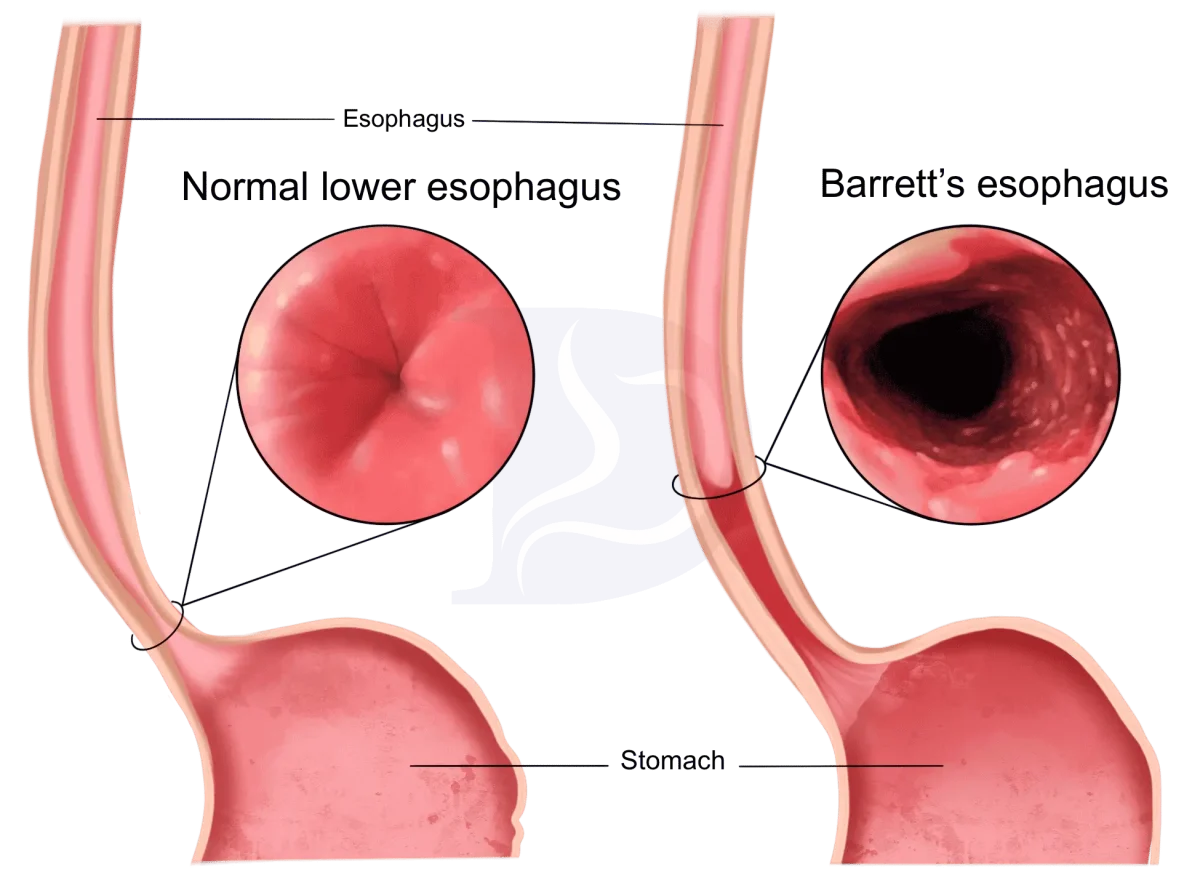
Diagnosis of Barrett’s Esophagus Barrett’s esophagus is diagnosed primarily using endoscopy and biopsy to assess abnormal changes in the esophageal lining: Endoscopy: A lighted tube with a camera (endoscope) is passed through the throat to examine the esophagus. Normal esophagus tissue appears pale and glossy, while Barrett’s tissue looks red and velvety. Biopsy: Tissue samples are removed from the esophagus …

Mitral Valve Prolapse

admin

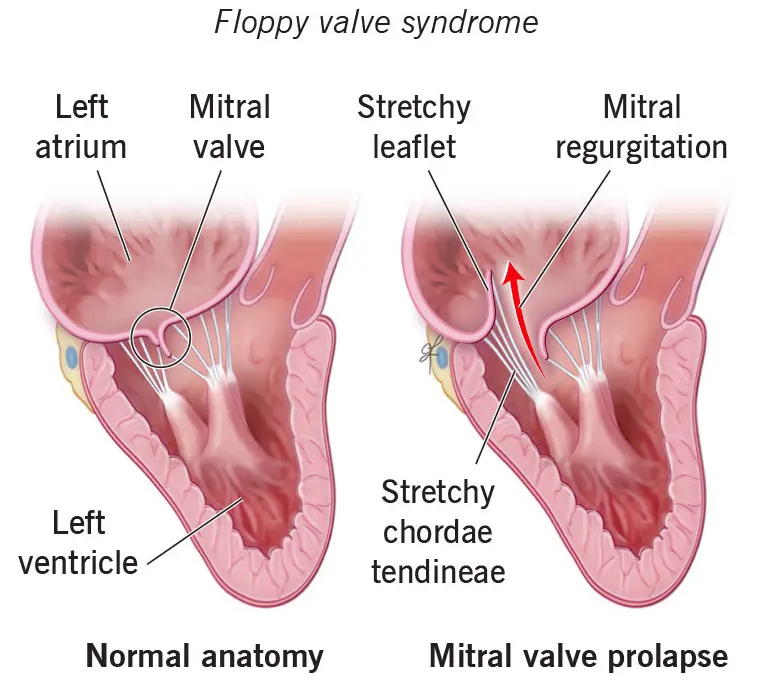
Diagnosis To diagnose mitral valve prolapse, a health care provider typically performs a physical exam and listens to the heart with a stethoscope. A clicking sound may indicate prolapse. If blood is leaking backward through the mitral valve, a whooshing sound called a heart murmur may also be heard. Tests that may be done to confirm mitral valve prolapse and …

Folliculitis

admin

Diagnosis A healthcare provider can usually diagnose folliculitis by visually examining the skin and reviewing your medical history. If the infection does not improve with early treatments, additional tests may be done, such as: Skin scraping to check for yeast under a microscope Swab culture to determine the cause of infection Skin biopsy, in rare cases, to rule out other …

Balance Problems

admin

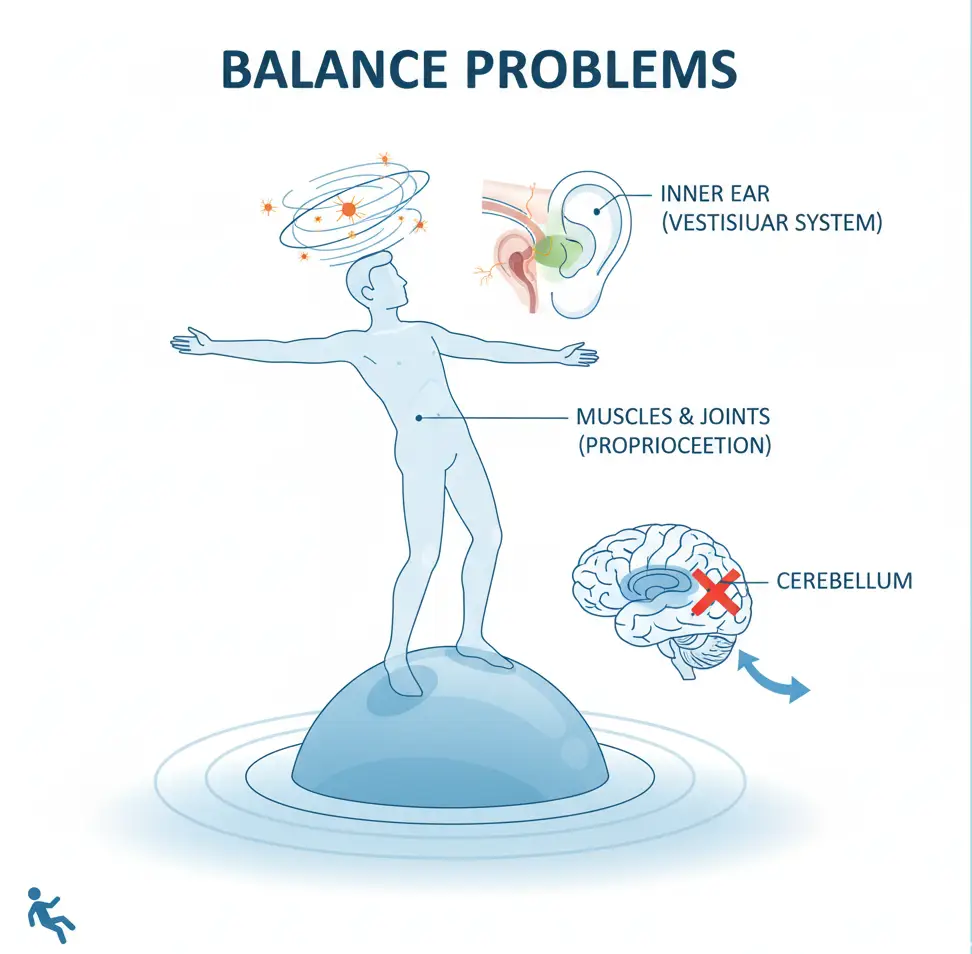
Diagnosis of Balance Problems Diagnosing balance disorders involves a thorough evaluation of your medical history, physical health, and neurological function: Medical and neurological examination: Your doctor assesses posture, gait, and coordination to identify potential causes of imbalance. Hearing tests: Hearing difficulties are often associated with inner ear-related balance problems. Posturography test: Standing on a moving platform while wearing a safety …

Baker Cyst

admin

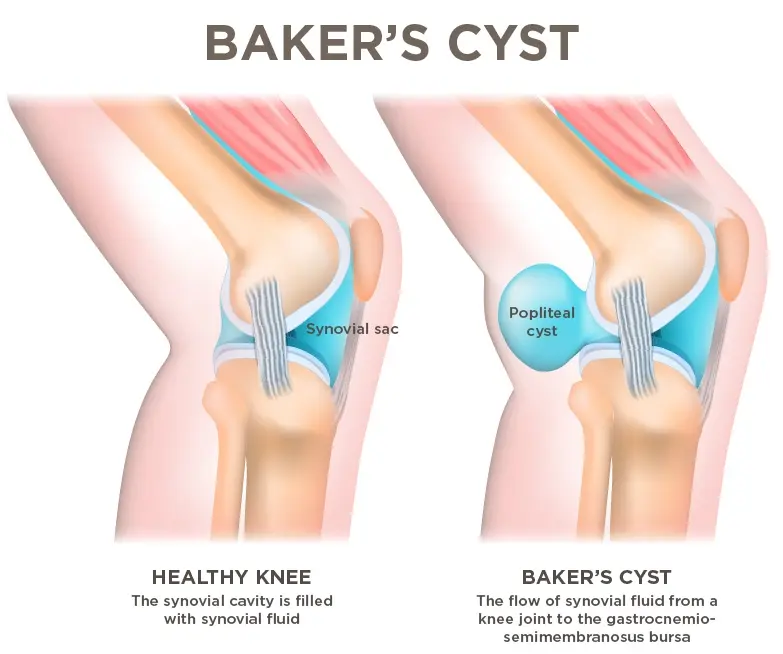
Diagnosis of a Baker Cyst A Baker cyst can often be identified during a physical examination. Because its symptoms may resemble those of more serious conditions such as a blood clot, aneurysm, or tumor, further evaluation may be required: Physical exam: The healthcare professional examines the back of the knee for swelling or a palpable lump. Imaging tests: Ultrasound, X-ray, …

Bad Breath

admin

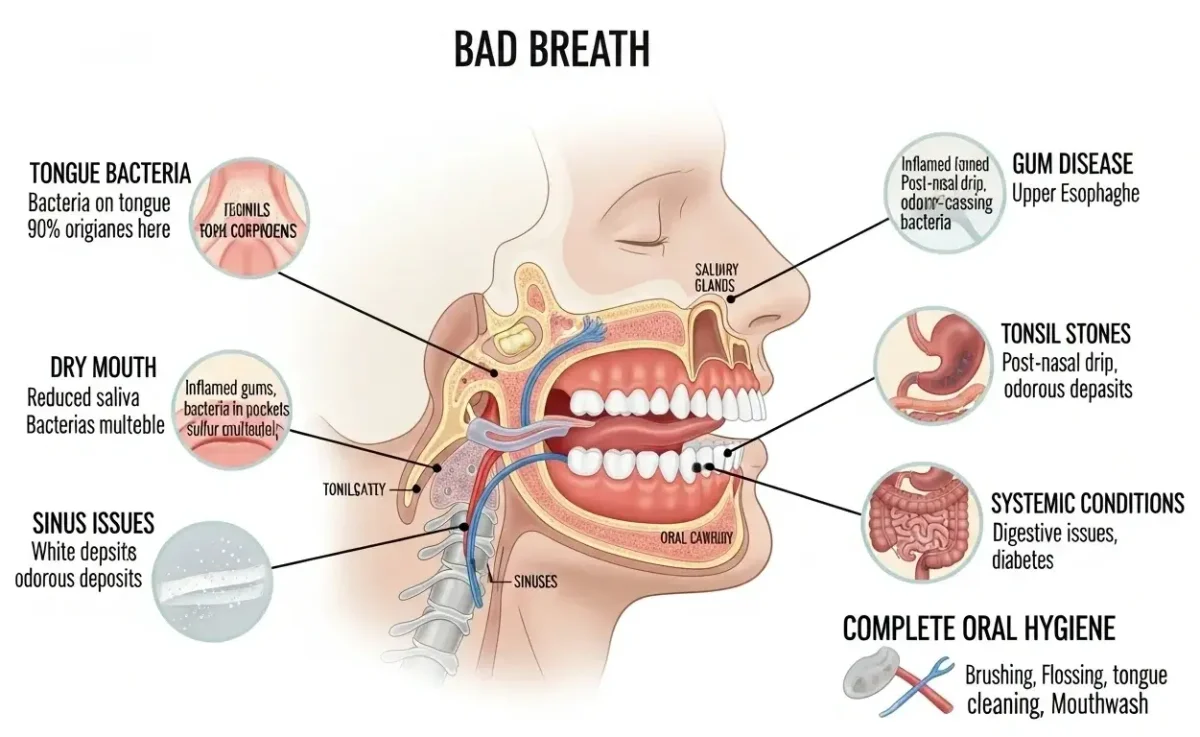
Diagnosis of Bad Breath (Halitosis) Diagnosing halitosis involves a combination of clinical examination and specialized tests: Oral examination: The dentist evaluates the mouth, teeth, gums, and tongue. The back of the tongue is often scraped to detect bacterial activity that produces odor. Odor assessment: Dentists may smell exhaled air from the mouth and nose and rate the intensity on a …

Bacterial Vaginosis

admin

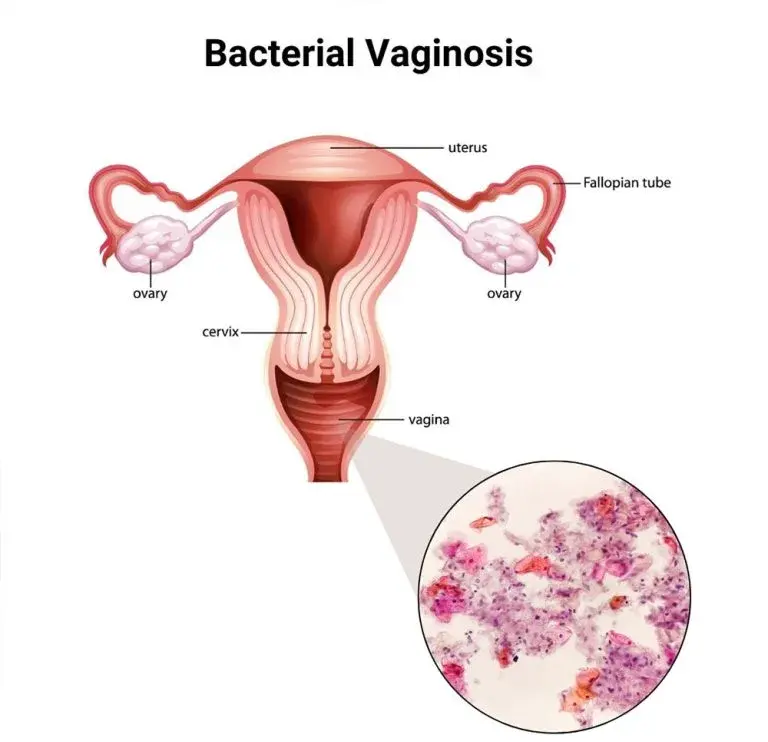
Diagnosis of Bacterial Vaginosis (BV) Bacterial vaginosis is diagnosed through a combination of clinical evaluation and laboratory tests: Medical history review: Your doctor asks about previous vaginal infections, sexually transmitted infections, and risk factors for BV. Pelvic exam: The doctor inspects the vagina for signs of infection and palpates the pelvic organs by inserting two fingers into the vagina while …

Back Pain

admin

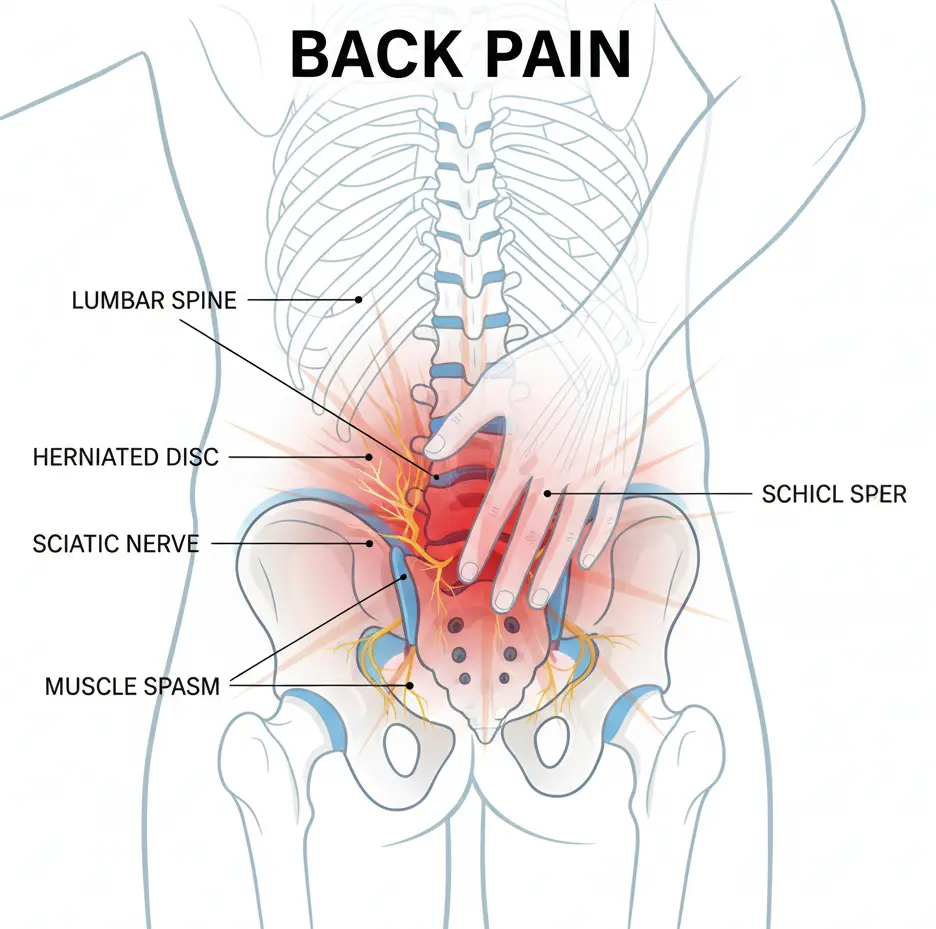
Diagnosis of Back Pain Diagnosing back pain involves a combination of physical examination, patient history, and diagnostic tests: Physical assessment: Your healthcare professional evaluates your ability to sit, stand, walk, and lift your legs. They may ask you to rate your pain on a scale of 0 to 10 and describe how it affects your daily activities. Range of motion …