Urinary Tract Infection (UTI)

admin

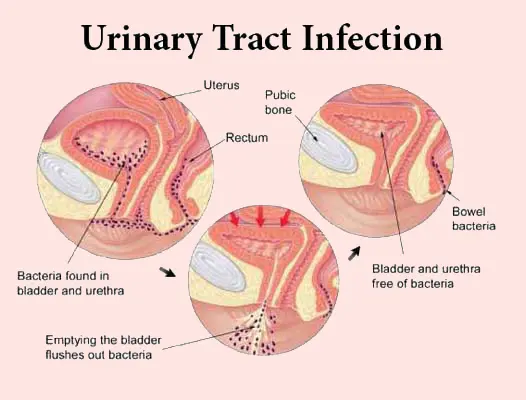
Diagnosis To diagnose a urinary tract infection (UTI), your healthcare provider will evaluate your symptoms and may recommend several tests to confirm the infection and identify its cause. Understanding the type and severity of infection helps guide the best treatment approach. Common diagnostic tests and procedures include: Analyzing a urine sample: You may be asked to provide a midstream urine …
Urinary Incontinence

admin

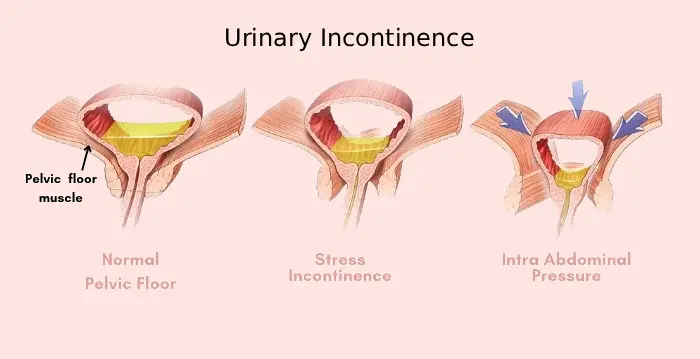
Diagnosis It’s important to determine the type of urinary incontinence you have, as your symptoms often guide the diagnosis and treatment plan. Your doctor will begin with a detailed medical history and physical examination. You may also be asked to perform a simple maneuver, such as coughing, to demonstrate incontinence. Common diagnostic tests and evaluations include: Urinalysis: Checks a urine …

Urethral Stricture

admin

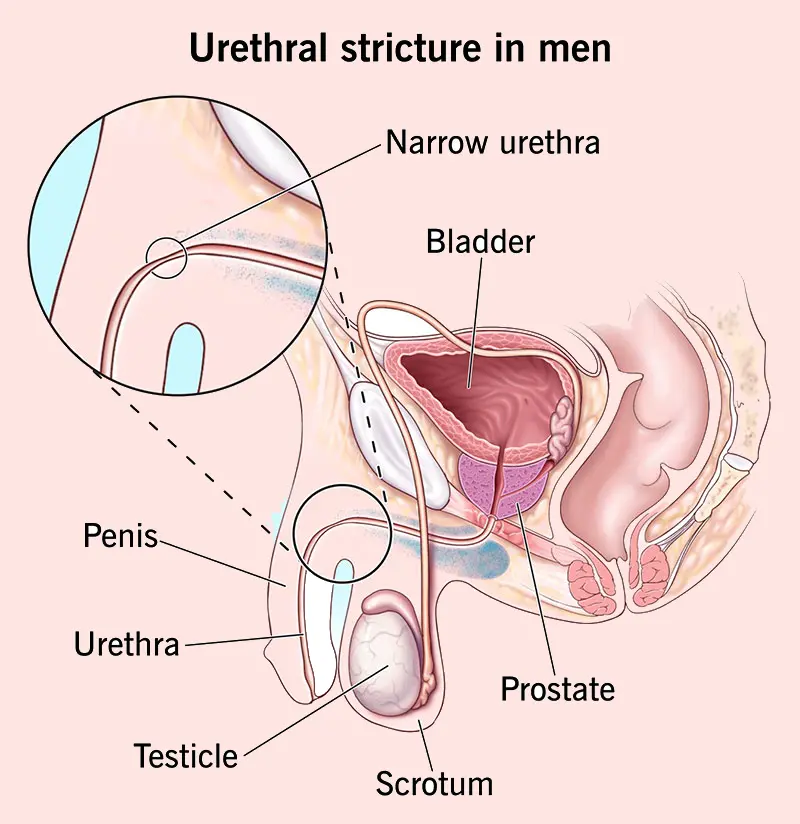
Diagnosis To diagnose a urethral stricture, a healthcare professional will ask about your symptoms, review your medical history, and perform a physical examination. Several diagnostic tests can help identify where the stricture is located, how long it is, and what might be causing it. Common tests include: Urine tests: Used to check for signs of infection, blood, or cancer in …

Ureteral Obstruction

admin

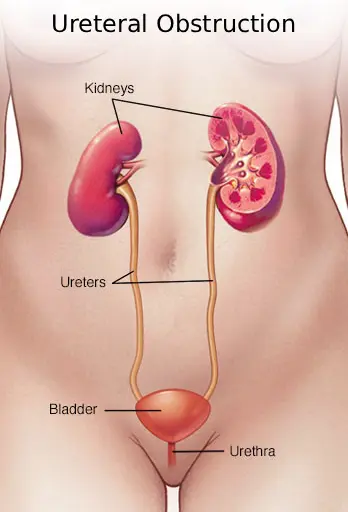
Diagnosis Ureteral obstruction disorders are often diagnosed before birth during routine prenatal ultrasounds, which can show details of the developing fetus, including the kidneys, ureters, and bladder. After birth, another ultrasound may be performed to reevaluate the kidneys. If a ureteral obstruction is suspected, several tests and scans may be used to confirm the diagnosis: Blood and urine tests: These …

Ureteral Cancer

admin

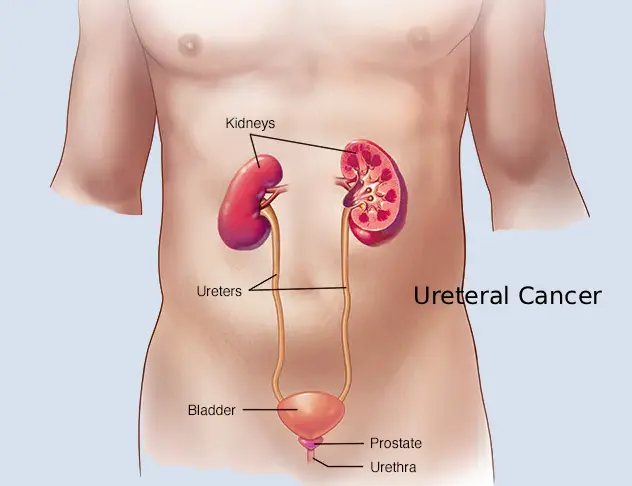
Diagnosis To diagnose ureteral cancer, a healthcare professional usually begins by reviewing your symptoms and performing a physical exam. They may use various imaging and lab tests to detect cancer and determine its stage. Physical examA healthcare professional may perform a physical examination and ask questions about your symptoms to understand your condition better. Imaging testsImaging tests create detailed pictures …

Indigestion

admin

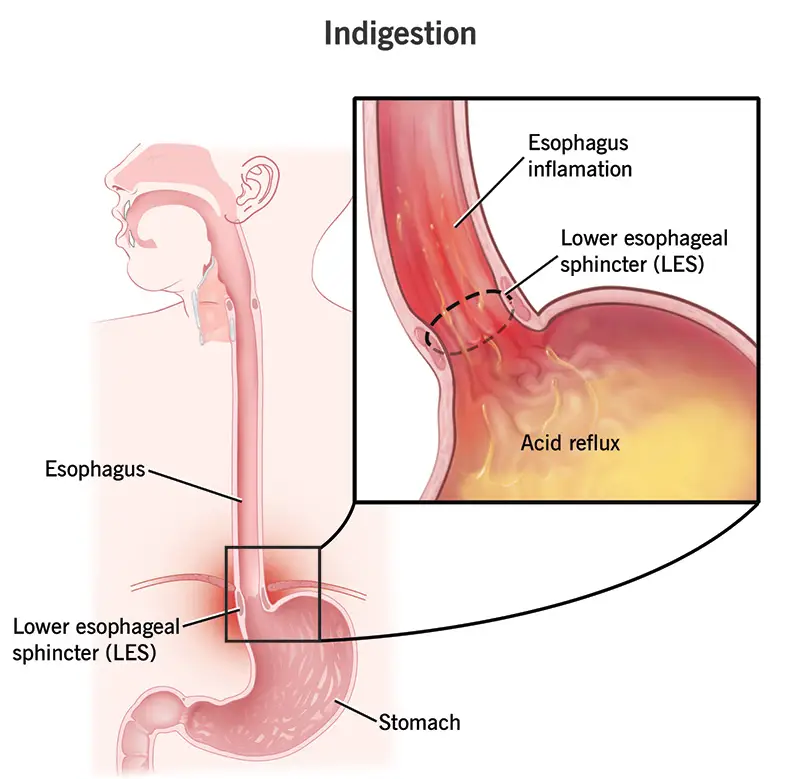
Diagnosis Diagnosing indigestion involves discussing your symptoms, recent meals, eating patterns, lifestyle factors and medical history with your healthcare professional. You also undergo a physical exam that may include pressing on the abdomen and listening to digestive sounds. Functional indigestion can often be diagnosed solely through symptoms, history and physical exam findings. H. pylori testing may be recommended to identify …

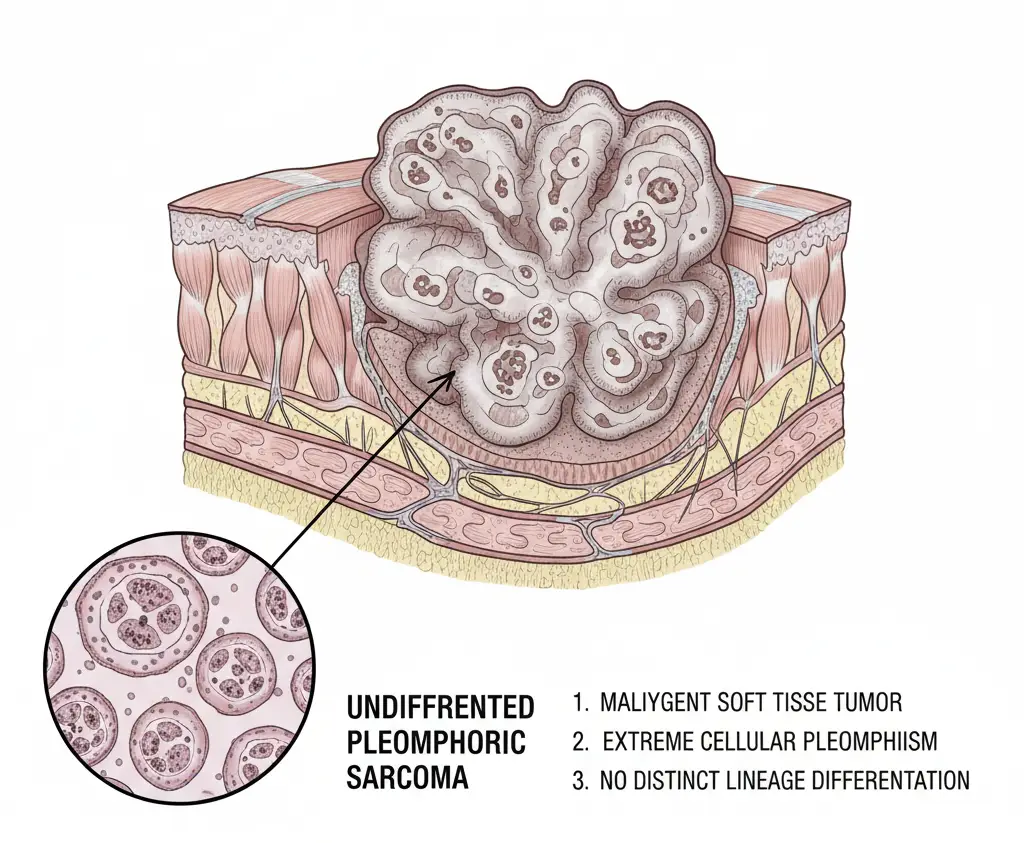
Undifferentiated Pleomorphic Sarcoma

admin

Diagnosis Diagnosis of undifferentiated pleomorphic sarcoma begins with a review of symptoms and a physical examination. This cancer is typically diagnosed after ruling out other possible cancer types. Tests and procedures that may be performed include: Physical exam: Your healthcare provider will ask about your symptoms, when they began, and how they have changed. The affected area will be examined …

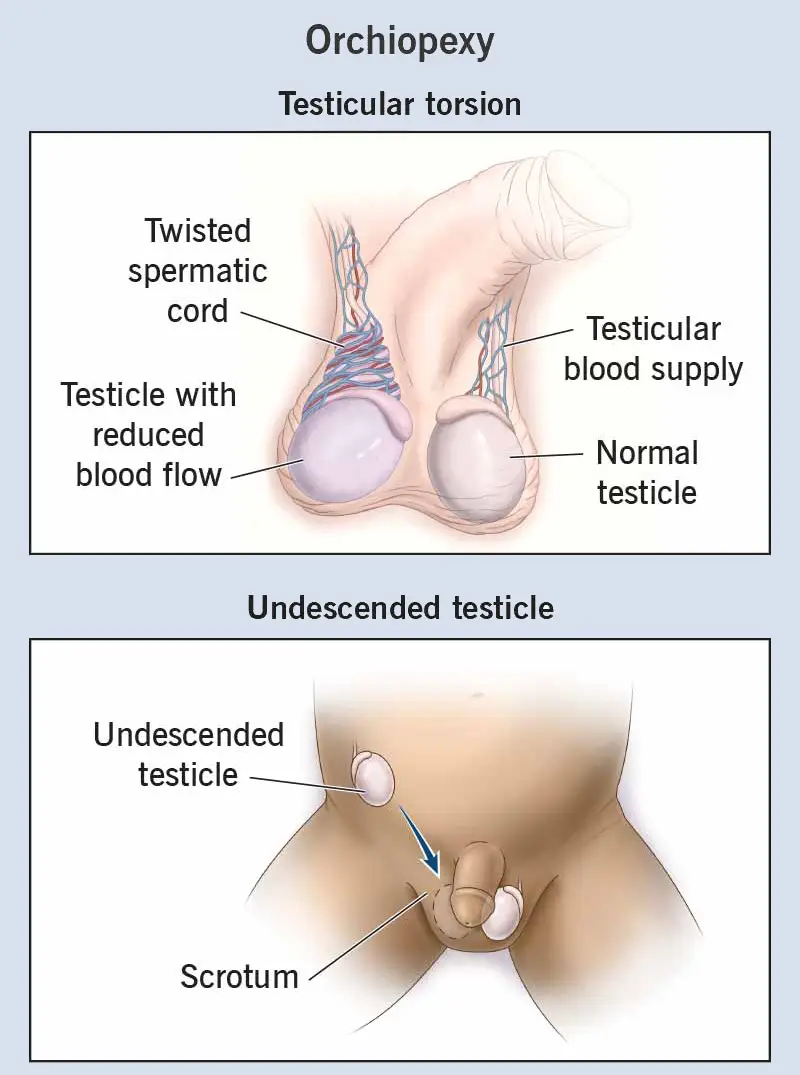
Undescended Testicle

admin

Diagnosis Diagnosis of an undescended testicle often involves a physical exam shortly after birth. If the testicle is not felt in the scrotum, further evaluation may be needed. In some cases, surgery is required both to locate the testicle and to treat the condition. There are two main surgical approaches: Laparoscopy: A small tube with a camera is inserted through …

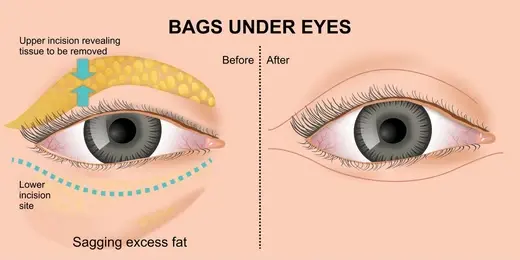
Bags Under Eyes

admin

Diagnosis of Bags Under Eyes Bags under the eyes are usually noticeable without medical testing. A healthcare professional can evaluate the skin and underlying structures to determine possible causes or to discuss cosmetic or surgical options: Visual examination: Assessment of under-eye skin for puffiness, fat pads, or sagging. Review of contributing factors: Lifestyle, aging, allergies, fluid retention, or genetic predisposition …

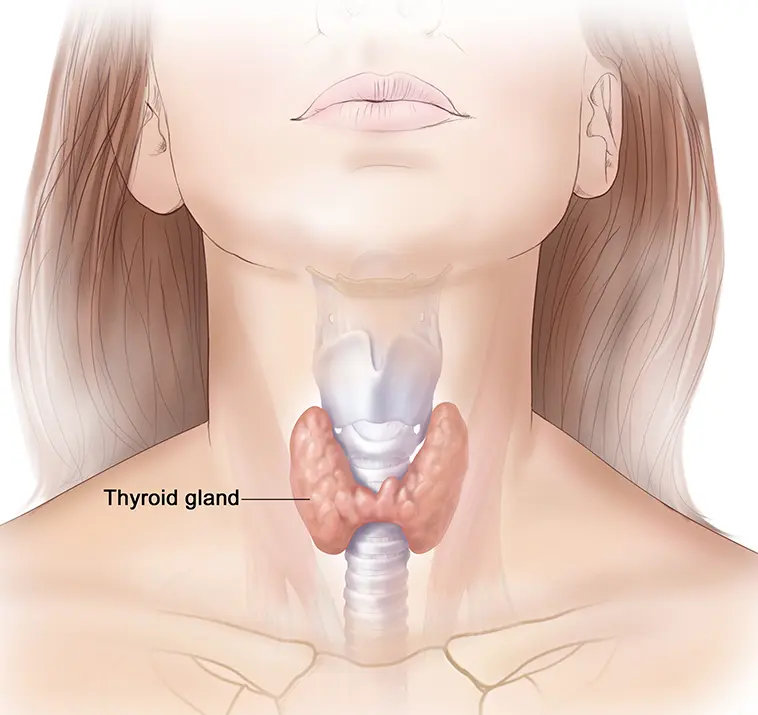
Hypothyroidism (Underactive Thyroid)

admin

Diagnosis Diagnosing hypothyroidism involves more than just evaluating symptoms, as they can vary from person to person and resemble other medical conditions. Therefore, healthcare providers rely primarily on blood tests to confirm the diagnosis. The first test typically measures the level of thyroid-stimulating hormone (TSH) in the blood. A high TSH level suggests that the thyroid gland is underactive. To …