Diagnosis X-Linked Agammaglobulinemia (XLA), also known as Bruton’s agammaglobulinemia, is a rare genetic disorder that affects the immune system’s ability to produce antibodies. It primarily occurs in males due to mutations in the BTK (Bruton’s tyrosine kinase) gene on the X chromosome. Diagnosis is typically made in infancy or early childhood when a child develops frequent or severe infections. The …
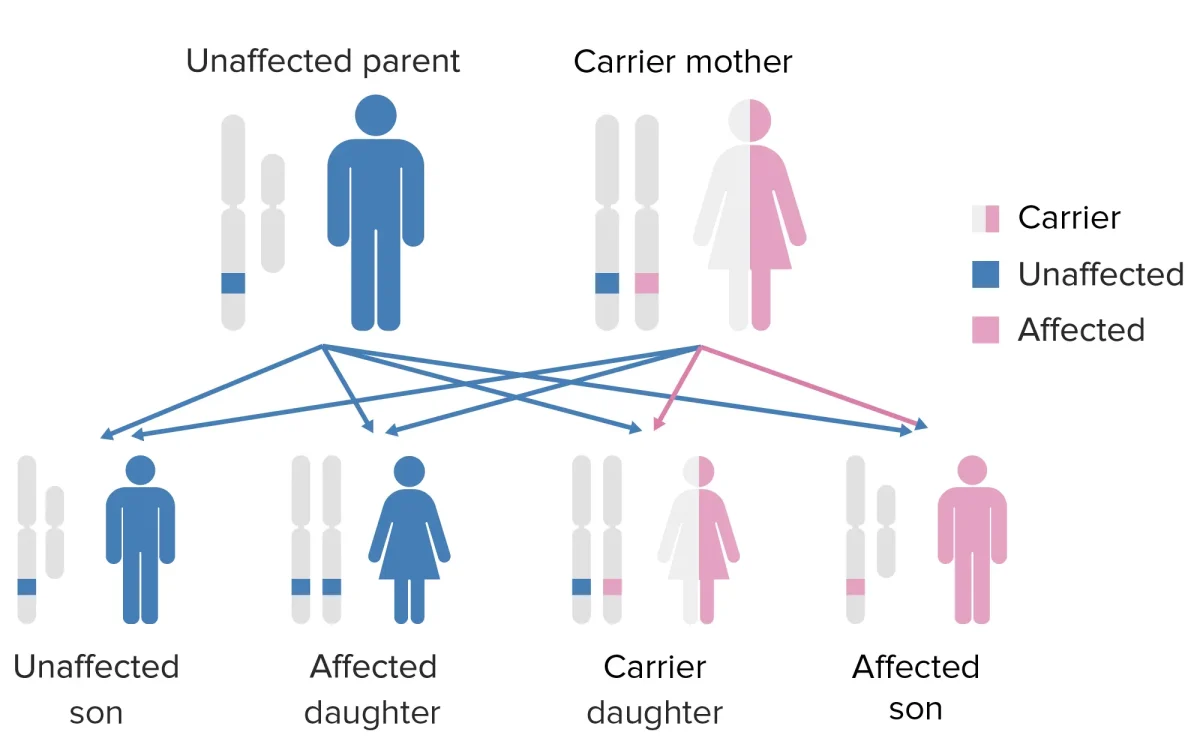
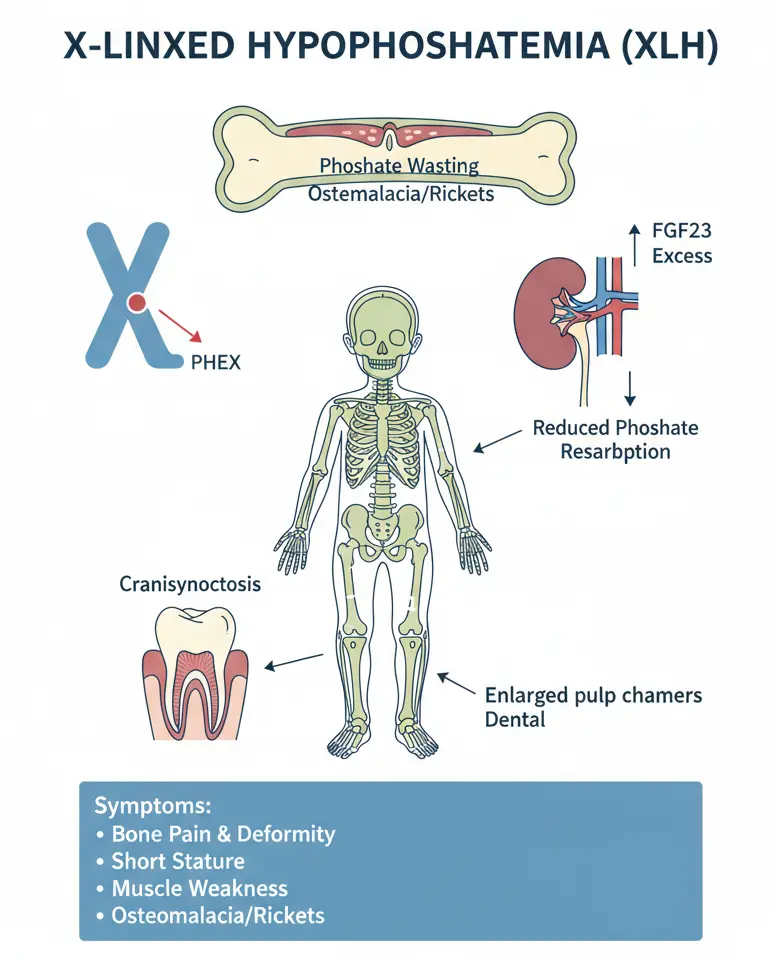
XLH (X-Linked Hypophosphatemia)
Diagnosis Diagnosis of X-Linked Hypophosphatemia involves clinical evaluation, blood tests, and genetic analysis. Symptoms such as bowed legs, short stature, and bone pain in childhood often prompt testing. Blood tests typically show low phosphate levels with normal calcium and low levels of active vitamin D. Urine tests reveal excess phosphate loss. Genetic testing confirms mutations in the PHEX gene, which …
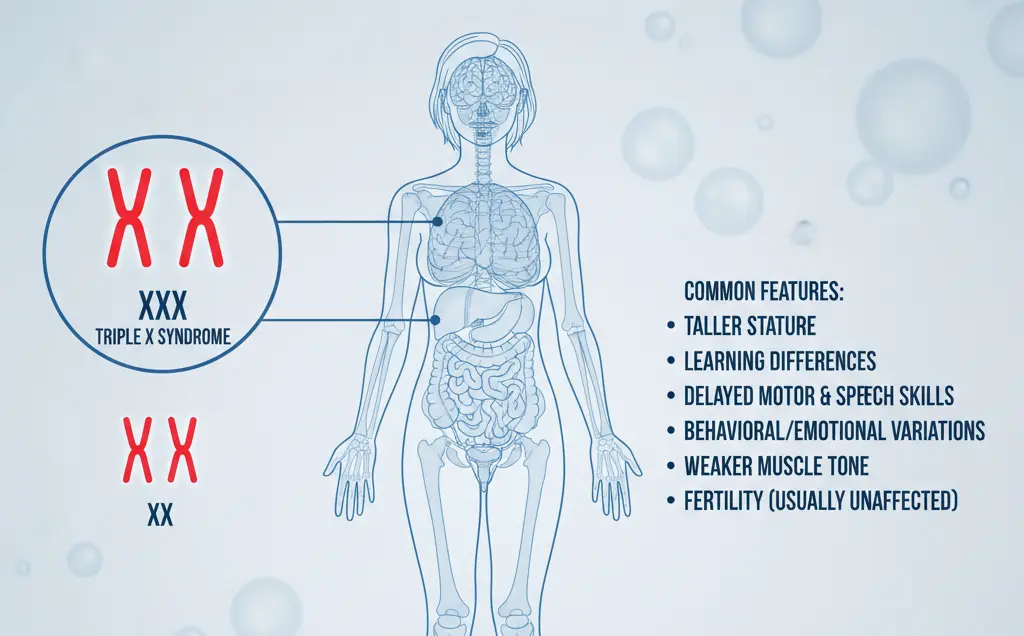
Triple X Syndrome
Diagnosis Many girls and women with triple X syndrome are healthy and show no outward signs, so the condition may remain undiagnosed throughout life. The diagnosis may also be discovered during evaluations for other issues or through prenatal testing. During pregnancy, a sample of the mother’s blood can be tested to examine the baby’s DNA. If there is an increased …
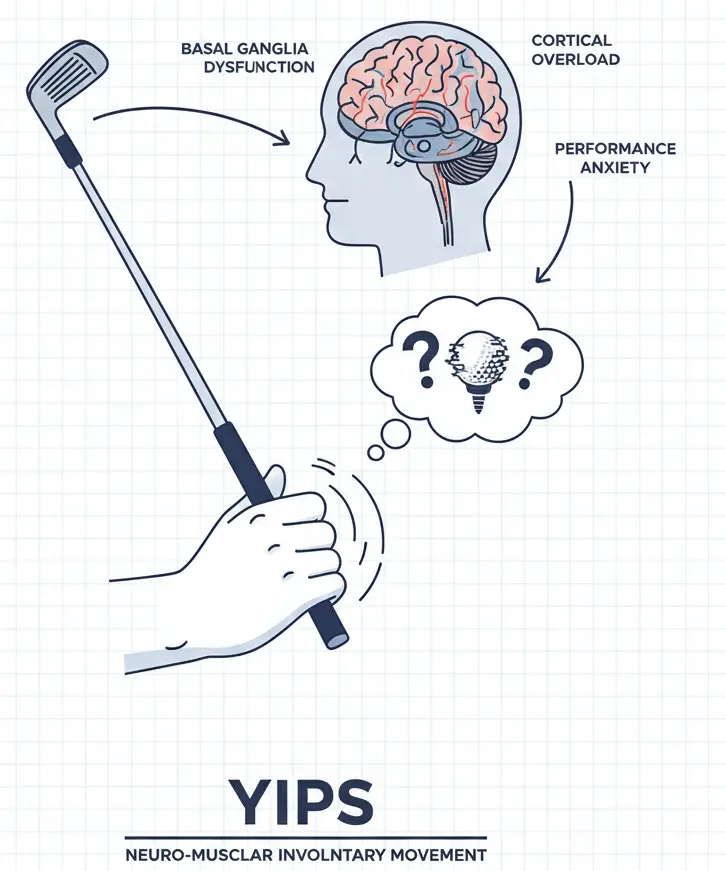
Yips
Diagnosis There is no specific or standard test used to diagnose the yips. Diagnosis is generally based on a detailed description of symptoms and movement patterns. A healthcare professional, often a sports medicine or neurology specialist, may perform a neurological examination to rule out other possible causes such as focal dystonia, tremors, or nerve conditions. In some cases, video recording …
Yersiniosis
Diagnosis Diagnosis of yersiniosis is made through a combination of clinical evaluation and laboratory testing. A healthcare professional will begin by asking about recent food consumption, especially undercooked pork, unpasteurized milk, or contaminated water, and by reviewing symptoms such as fever, abdominal pain, and diarrhea. To confirm the diagnosis, the following tests may be performed: Stool culture: This is the …
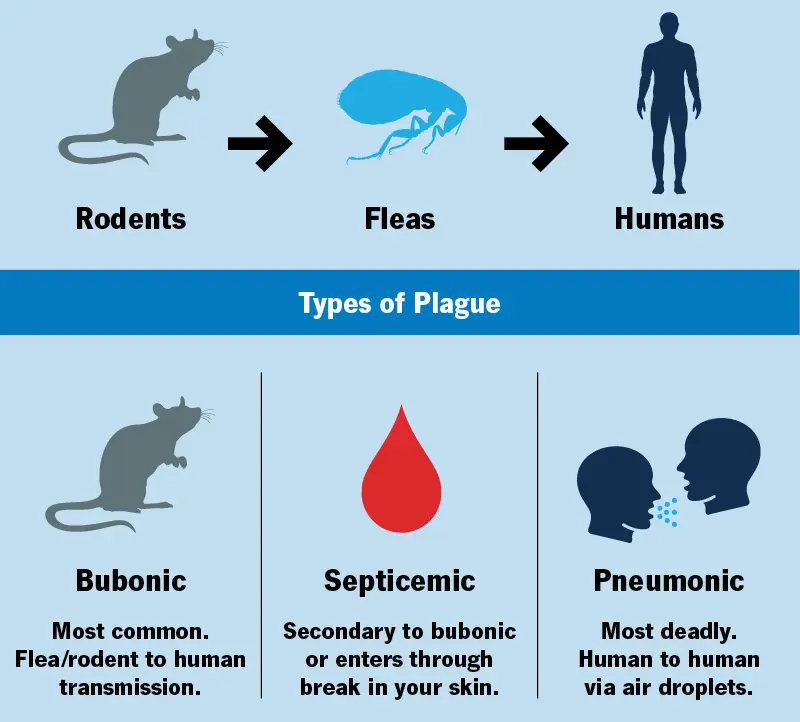
Plague
Diagnosis A health care provider can often make a probable diagnosis of plague based on a combination of factors: • Symptoms experienced by the patient• Recent outdoor activity or travel that could lead to exposure• Contact with dead or sick animals• Known flea bites or exposure to rodents Laboratory tests are used to confirm the presence of the Yersinia pestis …
Yellow Tongue
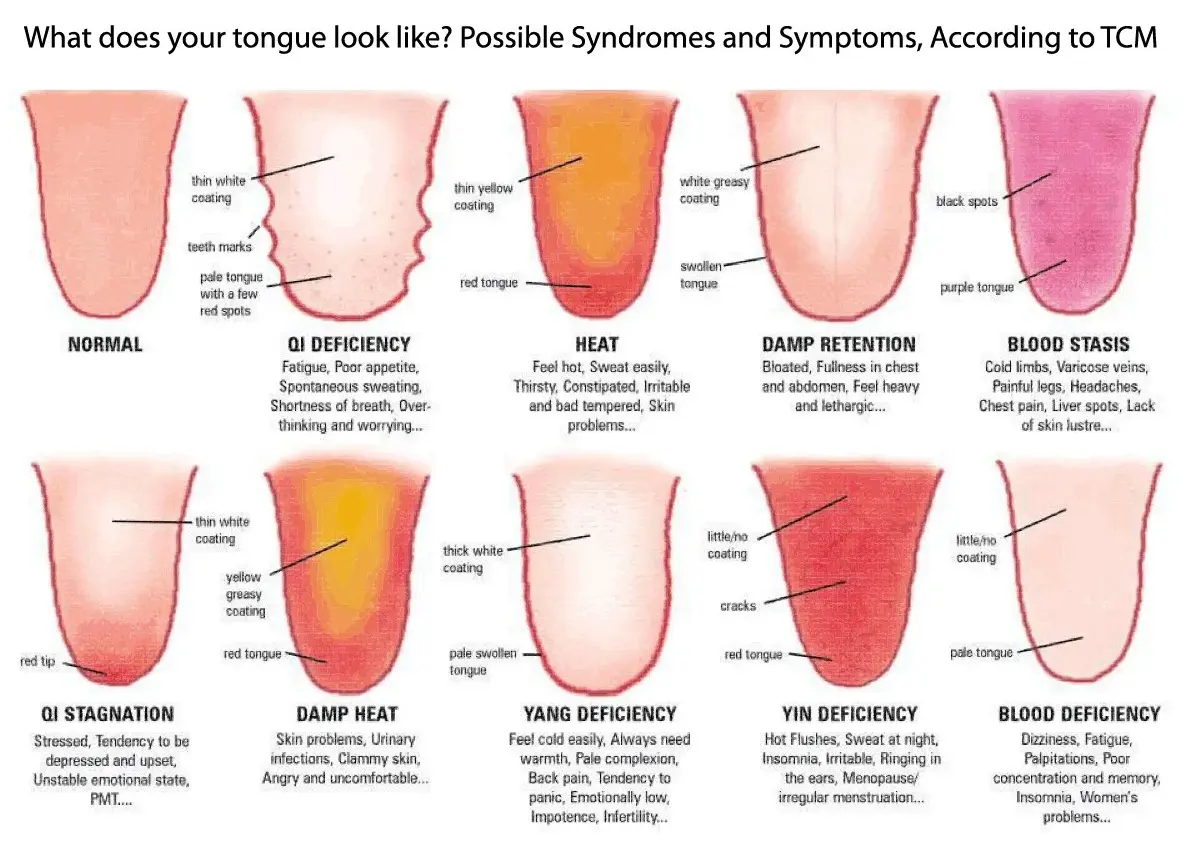
Diagnosis Diagnosis of yellow tongue is primarily clinical, meaning it is based on how the tongue looks and the person’s medical history. A healthcare professional will usually start by performing a visual examination of the tongue and asking about oral hygiene habits, diet, smoking, and recent medication use. If yellow tongue persists or is accompanied by other symptoms, additional evaluation …
Yellow Nail Syndrome
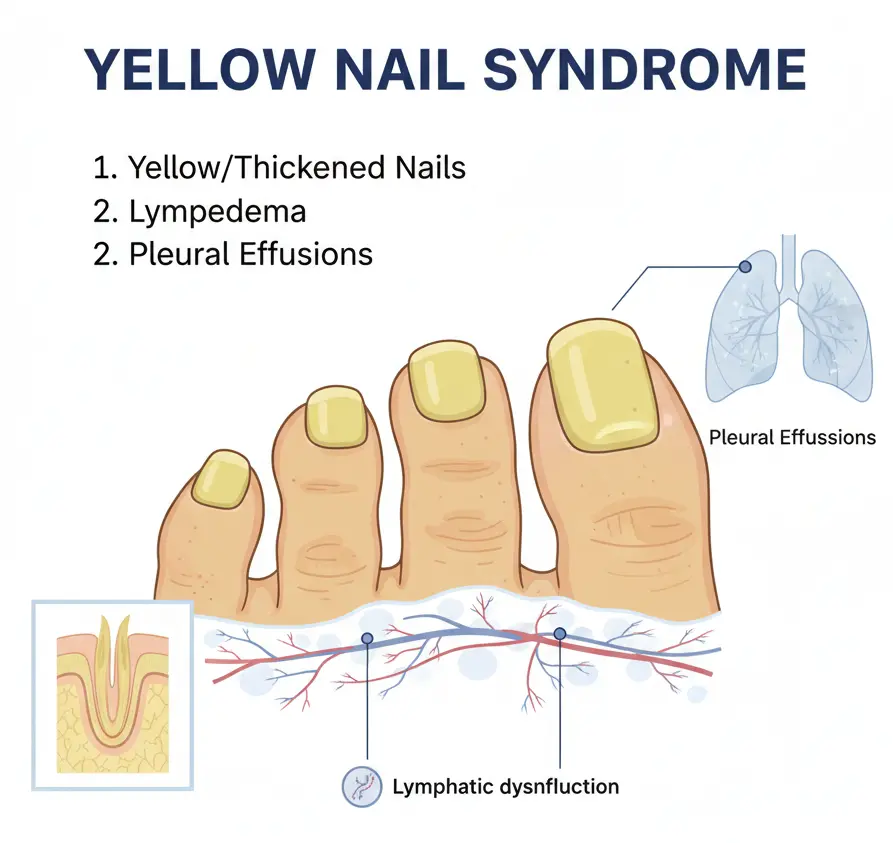
Diagnosis Diagnosis of yellow nail syndrome is based on the combination of nail changes and symptoms affecting the lungs or lymphatic system. There is no single test to confirm the condition, so healthcare professionals rely on clinical evaluation and supporting tests. Your healthcare professional may: Examine the nails for yellow discoloration, thickening, slowed growth, and separation from the nail bed. …
Yellow Jacket Sting
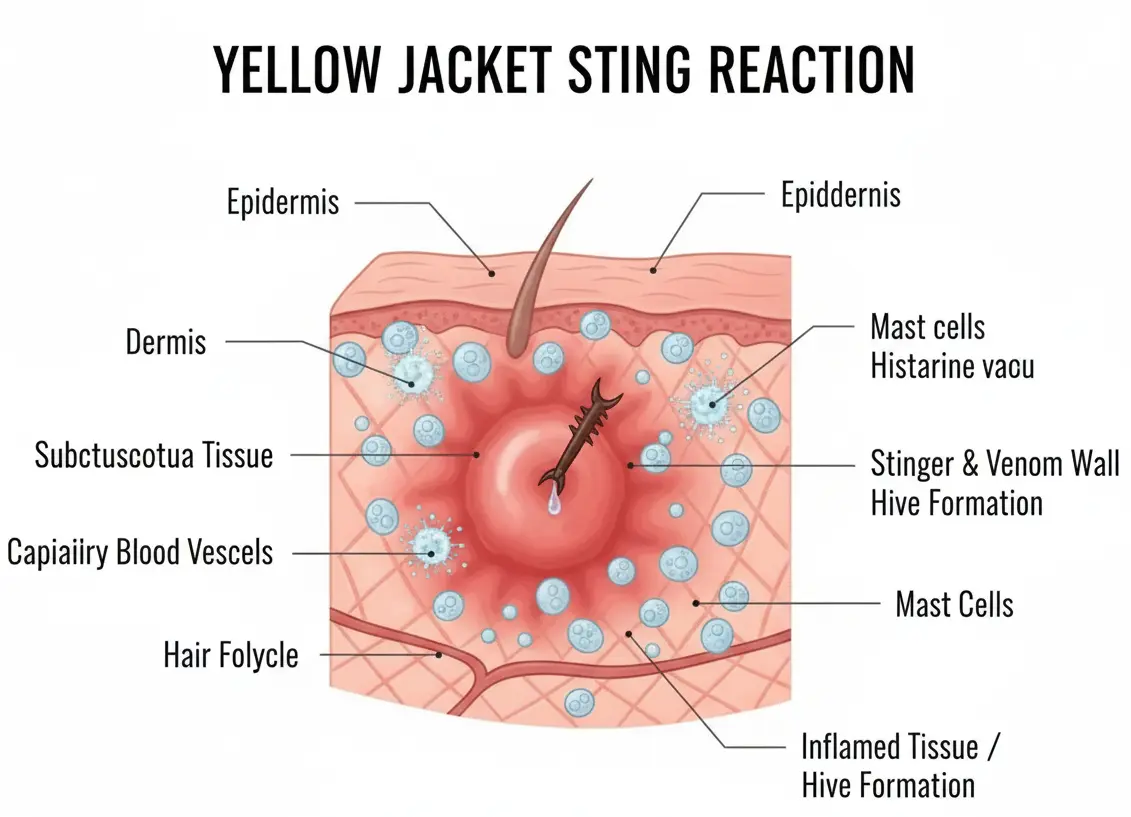
Diagnosis Diagnosis of a yellow jacket sting is typically based on symptoms and a visual inspection of the affected area. Most people know they’ve been stung because the sting is immediate and painful. However, if you didn’t see the insect, your healthcare professional can still identify a yellow jacket sting by examining the wound and your reaction to it. Your …
Yellow Fever
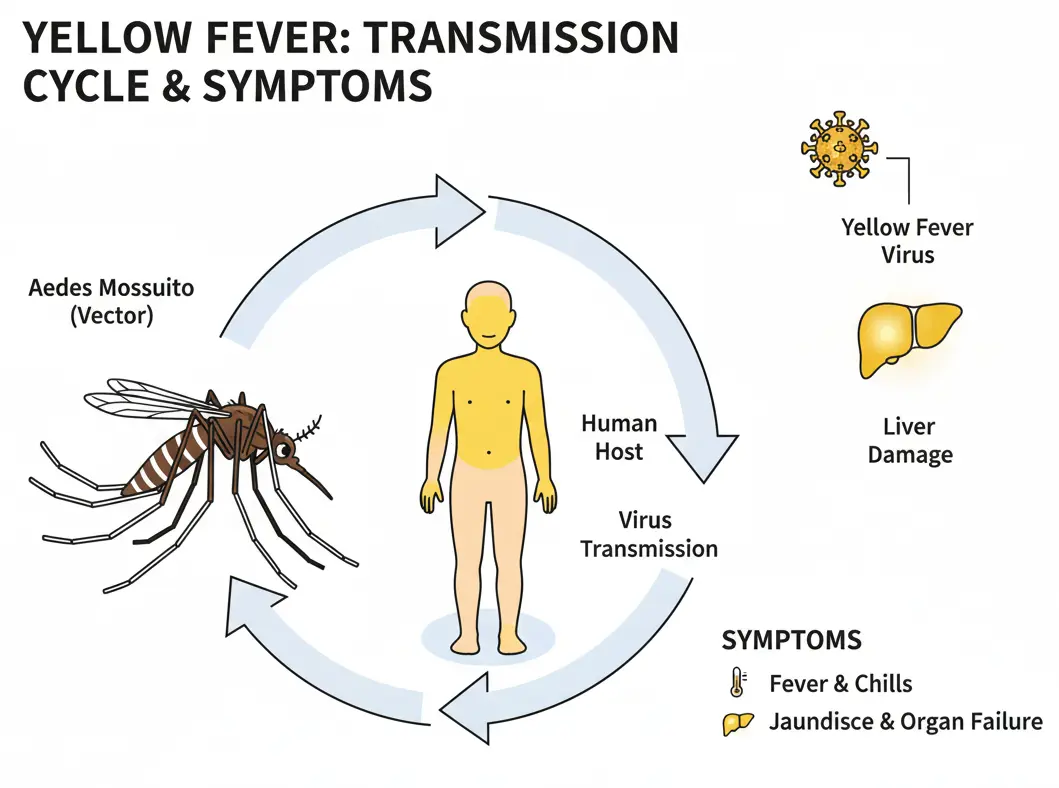
Diagnosis Diagnosis of yellow fever involves assessing symptoms, travel history, and laboratory tests. Since early symptoms resemble those of other infections like malaria or dengue, accurate testing is essential. Your healthcare professional may: Review your travel and vaccination history, especially if you have been to areas where yellow fever is common, such as parts of Africa or South America. Perform …