Diagnosis Diagnosis of neuroendocrine tumors usually begins with a physical exam. A healthcare professional may check for signs of cancer, including swollen lymph nodes or indications that the tumor is producing excess hormones. A review of symptoms and medical history is also part of the evaluation. Tests to look for excess hormones Some neuroendocrine tumors produce extra hormones. Blood or …

Entropion
Your eye care specialist will start by asking you about your symptoms and medical history. They’ll perform an eye exam, looking for any signs of skin irritation, infection or scarring. They’ll pay close attention to the edges of your eyelid, as there are other medical conditions that can mimic entropion. They want to ensure they make the correct diagnosis to decide …
CTCL
Diagnosis Cutaneous T-cell lymphoma can be difficult to diagnose because its symptoms often resemble other skin conditions such as eczema or psoriasis. A healthcare professional may perform a combination of physical examinations, blood tests, skin biopsies, and imaging studies to confirm the diagnosis. Physical exam A healthcare professional carefully examines the skin for scaly patches, rashes, or unusual growths. The …
Conjunctivitis
Diagnosis Diagnosis of conjunctivitis is usually made through a physical examination and medical history review. Tests may include: Eye examination: The doctor examines the eye with a light and magnifying instrument to look for inflammation. Sample analysis: In severe or chronic cases, a swab of eye discharge may be taken to identify bacteria, viruses, or allergens. Allergy testing: If allergic …
Chronic Fatigue Syndrome
Diagnosis There’s no single test to confirm a diagnosis of myalgic encephalomyelitis/chronic fatigue syndrome (ME/CFS). The symptoms often overlap with other health problems, making diagnosis challenging. Possible causes and conditions that may mimic ME/CFS include: Sleep disorders: Fatigue can result from issues such as obstructive sleep apnea, restless legs syndrome, or insomnia. A sleep study can help identify these conditions. …
Atrioventricular Septal Defect
Diagnosis Atrioventricular septal defect (AVSD) can sometimes be detected before birth during a pregnancy ultrasound or with specialized fetal heart imaging. After birth, symptoms of complete AVSD often appear within the first few weeks. A healthcare provider may hear a heart murmur, a whooshing sound caused by abnormal blood flow through the heart. Tests to Diagnose AVSD Pulse oximetryA sensor …
Aseptic Necrosis
Diagnosis During a physical exam, a healthcare professional examines your joints for tenderness, swelling, and reduced movement. They may move the joint through various positions to assess whether the range of motion is limited. Imaging testsImaging can help confirm avascular necrosis and identify the extent of bone damage: X-rays. Can reveal bone changes in the later stages. Early-stage avascular necrosis …
Arrhythmia
Diagnosis To diagnose a heart arrhythmia, a healthcare professional will examine you, ask about your symptoms, and review your medical history. Tests may be done to evaluate your heart and identify conditions that could cause an irregular heartbeat. TestsTests used to diagnose heart arrhythmias may include: Electrocardiogram (ECG or EKG). This quick test records the electrical activity of the heart. …
Acanthosis Nigricans
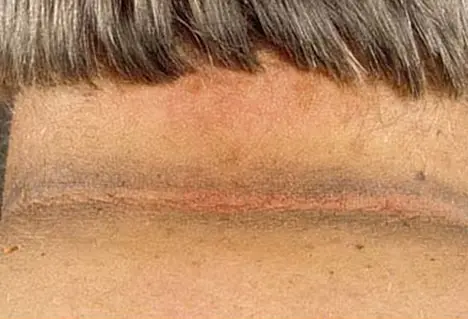
Diagnosis The diagnosis of acanthosis nigricans is primarily clinical, based on characteristic changes in the skin. Physical Examination:A healthcare professional can typically identify acanthosis nigricans by observing areas of hyperpigmentation and thickened, velvety skin—commonly seen on the neck, axillae, groin, or other flexural regions. Skin Biopsy:If the clinical presentation is uncertain or if additional evaluation is required, a small sample …
Acanthosis Nigricans
Acanthosis Nigricans Acanthosis nigricans is a skin condition that leads to darkened, thick, and velvety patches, often appearing in body folds and creases. Common areas affected include the neck, armpits, and groin. This condition is most frequently seen in individuals with obesity. In rare cases, it may indicate an underlying health problem, such as a tumor in an internal organ …