If you have signs and symptoms of liver failure, a healthcare provider will run tests to confirm it. These may include: Blood tests. Liver function tests measure different liver products in your blood to determine how well your liver is functioning. Blood tests may also help identify the cause of your liver failure and some of its complications, like reduced blood clotting …

Acute Kidney Injury
You might have the following tests to diagnose acute kidney injury: Blood tests. A sample of your blood may show fast-rising levels of urea and creatinine. This helps show how your kidneys are working. Urine output measures. Measuring how much urine you pass in 24 hours may help find the cause of your kidney failure. Urine tests. A sample of your urine may …
Acute Flaccid Myelitis (AFM)
It can be difficult for healthcare providers to diagnose AFM, as it’s rare and resembles other neurological conditions, such as transverse myelitis, Guillain-Barré syndrome and polio. Your provider will ask about your symptoms and medical history. They’ll likely perform or order several tests to help diagnose AFM and/or rule out other conditions. Tests include: Physical exam. Neurological exam. MRI of your …
Acute Coronary Syndrome
Acute coronary syndrome (ACS) is a broad term for three types of coronary artery disease that affect millions of people each year. These potentially life-threatening conditions occur when a blockage causes blood flow to your heart to suddenly slow or stop. People with ACS can experience unstable angina or a heart attack (myocardial infarction). Common signs include chest pain or pressure (angina), shortness of breath (dyspnea) or dizziness. Acute …
Actinic Keratosis
Your primary care provider, a dermatologist, (provider specializing in skin conditions) or other healthcare provider can often diagnose actinic keratosis by carefully examining your skin and using magnification. If your healthcare provider is uncertain or the skin looks unusual, she/ he may recommend a skin biopsy. This short, minimally invasive procedure enables your skin cells to be examined under a …
Acromegaly
Symptoms of acromegaly often show up very slowly over many years. This makes it hard to diagnose. Your healthcare provider may recommend you see an endocrinologist, a healthcare provider who specializes in hormone-related conditions. They’ll make a diagnosis based on your medical history, a thorough clinical evaluation and specialized tests like blood tests and imaging tests.
Acoustic Neuroma
Your healthcare provider will ask you about your symptoms and perform a physical exam. They may do the following: Imaging tests, like magnetic resonance imaging (MRI) and computed tomography (CT) scans. Hearing tests, including auditory brainstem response. Balance tests. Electronystagmography.
ACL Injury
An ACL tear is an injury to the anterior cruciate ligament (ACL) in your knee. The ACL is one of your knee ligaments. It connects your thigh bone (femur) to your shin bone (tibia). You have one ACL in each knee. It forms an “X” shape inside your knee with your posterior cruciate ligament (PCL). The ACL is closer to …
Achilles Tendon Rupture
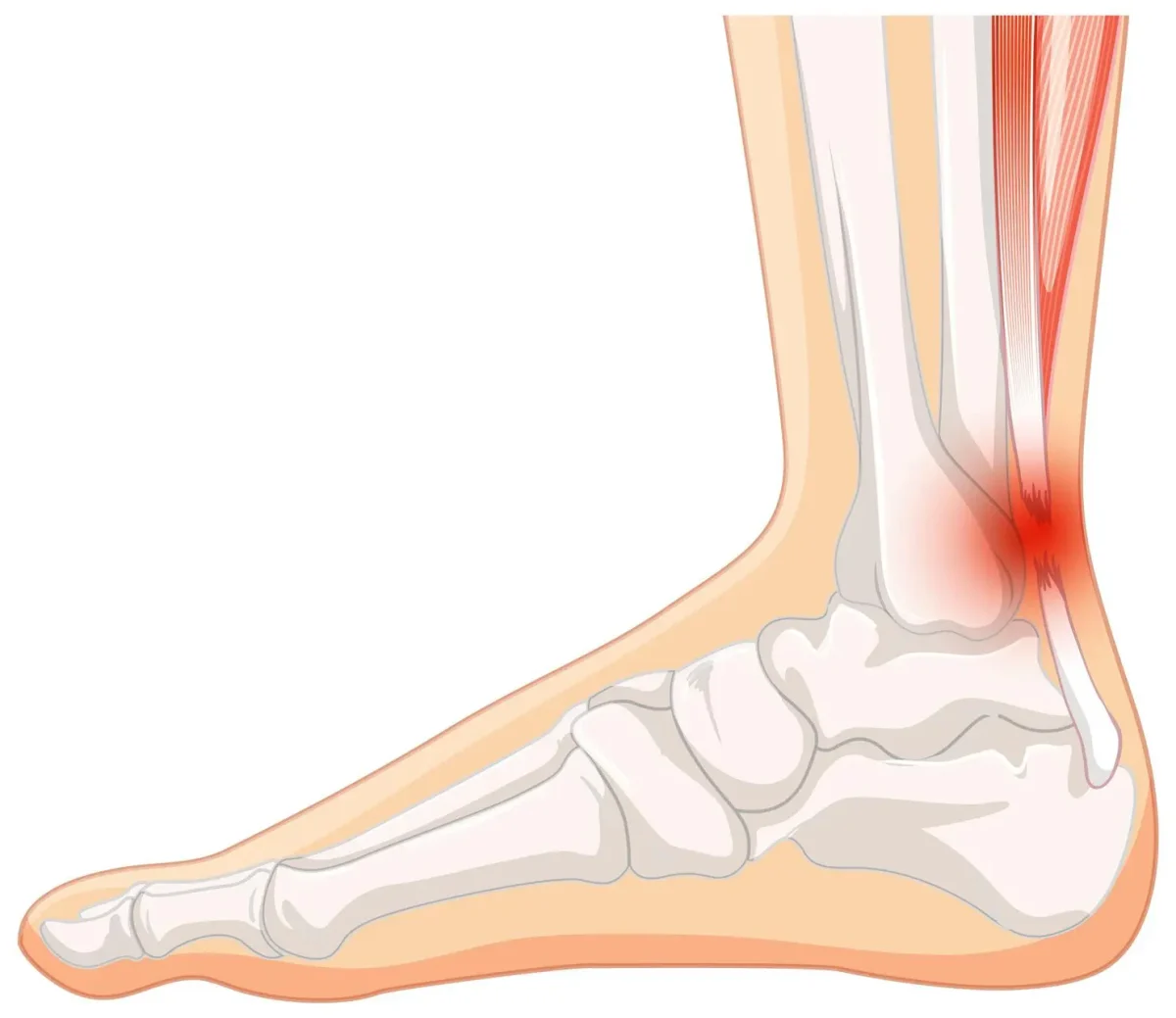
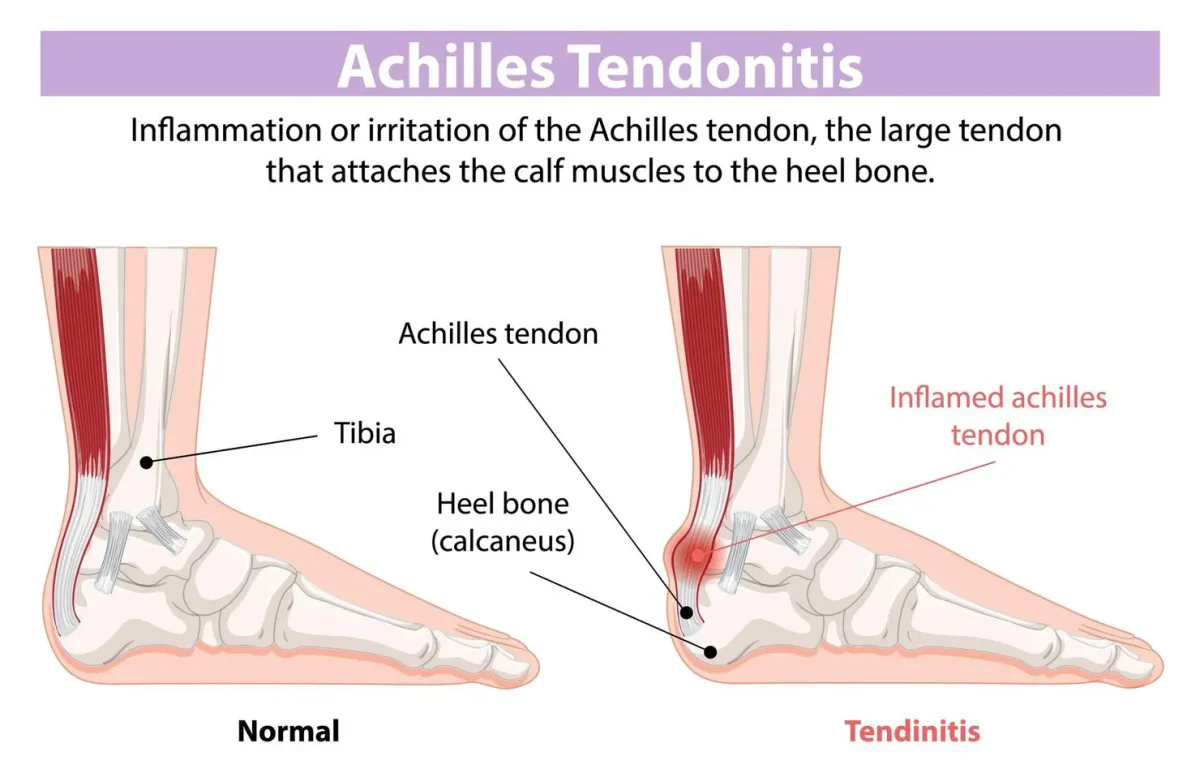
The Achilles tendon attaches the calf muscle to the heel bone. This thick band of tissue is very strong. In fact the Achilles tendon is the largest and strongest tendon in the body. The Achilles tendon gives your leg strength to walk, run and jump. An Achilles tendon rupture is a full or partial tear of the Achilles tendon. This acute (sudden) …
Achilles Tendinitis
Diagnose Your healthcare provider will ask you about your symptoms and recent activity. They’ll perform a physical examination and look for signs of Achilles tendinitis or Achilles tendon rupture. They’ll check your range of motion and look for signs of bone spurs.