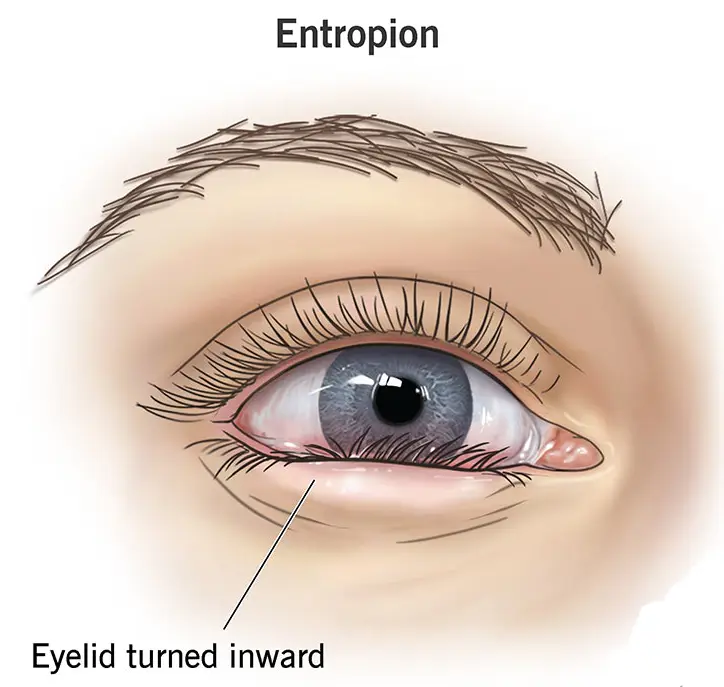
Entropion is an eye condition in which the eyelid, most commonly the lower eyelid, turns inward toward the eye. This inward turning causes the eyelashes and skin to rub against the surface of the eye, leading to irritation and discomfort. Entropion is more common in older adults but can occur at any age due to congenital factors, injury, or inflammation. …
Acanthosis Nigricans
Symptoms The main sign of acanthosis nigricans is the development of darkened, thickened skin with a velvety texture. These skin changes usually appear gradually and may become more noticeable over time. Acanthosis nigricans most commonly affects areas where the skin naturally folds or creases, including the armpits, groin, and the back of the neck. In some cases, other body folds …
Thrombocytopenia
Thrombocytopenia (pronounced “THROM-bo-sigh-toe-PEE-ne-ah”) occurs when your bone marrow doesn’t make enough platelets. Platelets are blood cells that form blood clots to help stop bleeding. If you have thrombocytopenia, you may bleed a lot, and the bleeding may be hard to stop. Thrombocytopenia often affects people with certain medical conditions, like autoimmune disease or who take certain medications. Healthcare providers typically treat thrombocytopenia by treating the underlying …
Yolk Sac Tumor
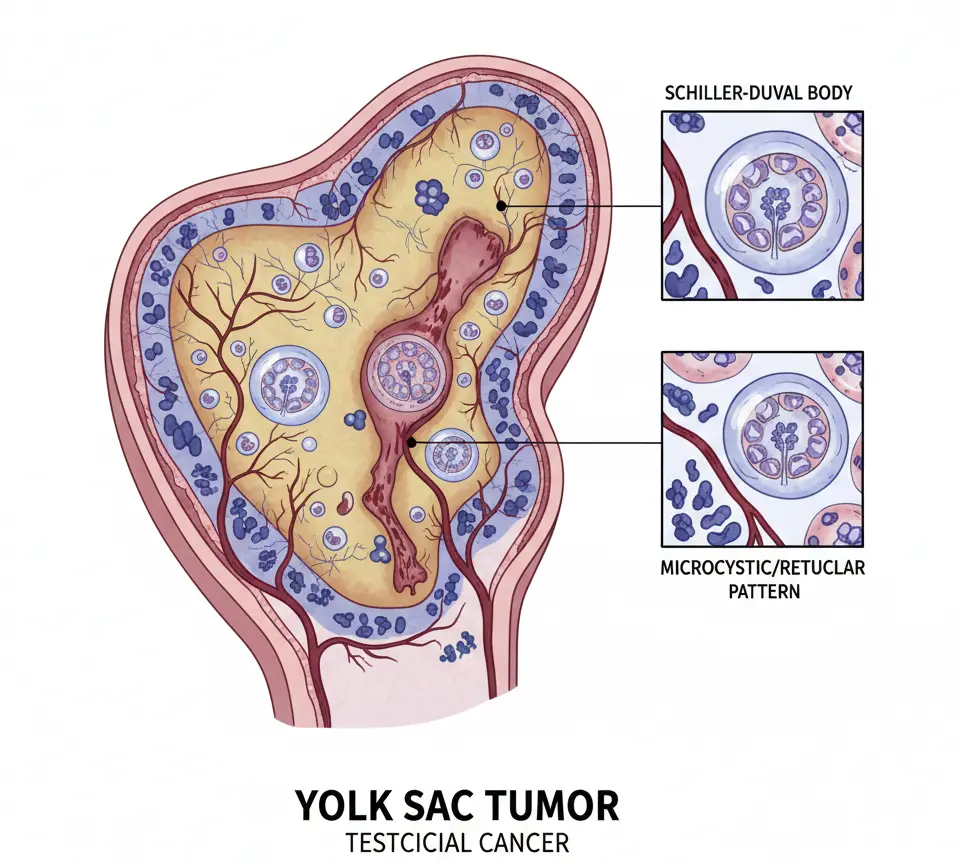
A yolk sac tumor is a rare and aggressive type of germ cell tumor that most often affects the ovaries or testes. It is also known as an endodermal sinus tumor. Yolk sac tumors are more common in children and young adults, but they can occur at any age. These tumors grow quickly and can spread if not treated promptly. …
Autoimmune Encephalitis
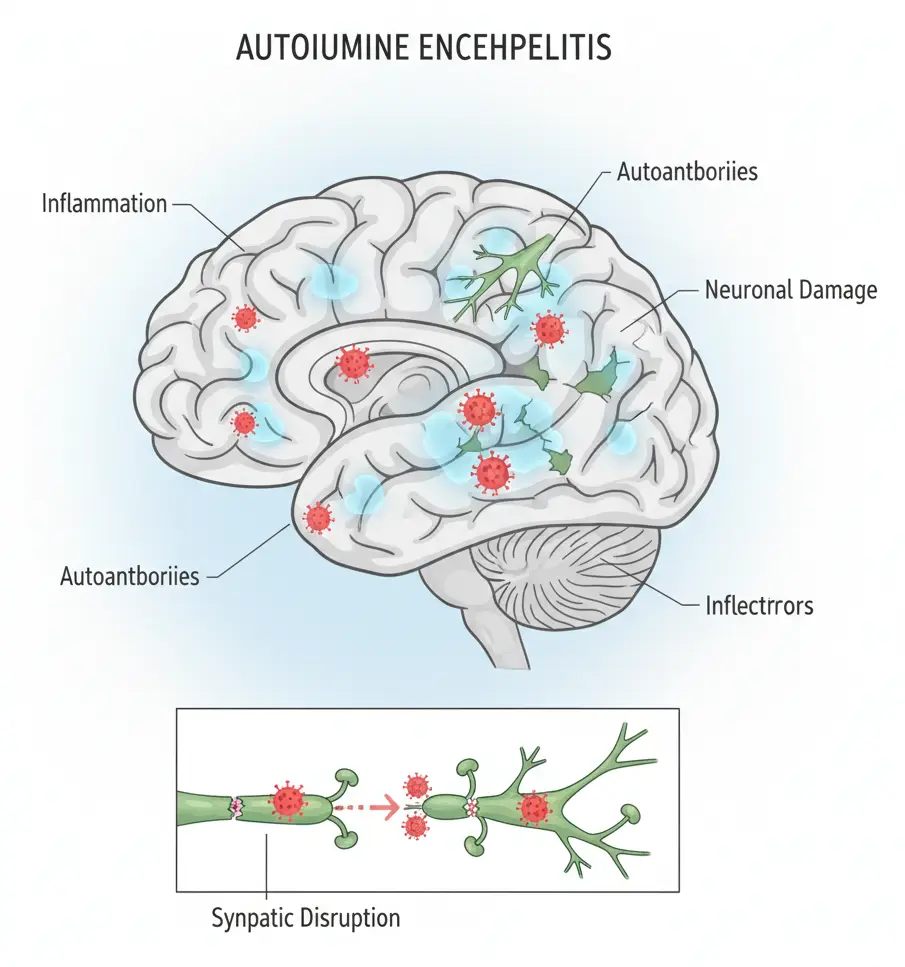
Autoimmune encephalitis (AE) is a group of conditions that causes inflammation in the brain. This occurs when the immune system mistakenly attacks healthy brain cells. Symptoms can vary but often include memory loss, changes in thinking, changes in behavior, and seizures. Autoimmune encephalitis differs from infectious encephalitis, which is caused by viruses or bacteria and requires different treatments. Research suggests …
Autoimmune Epilepsy
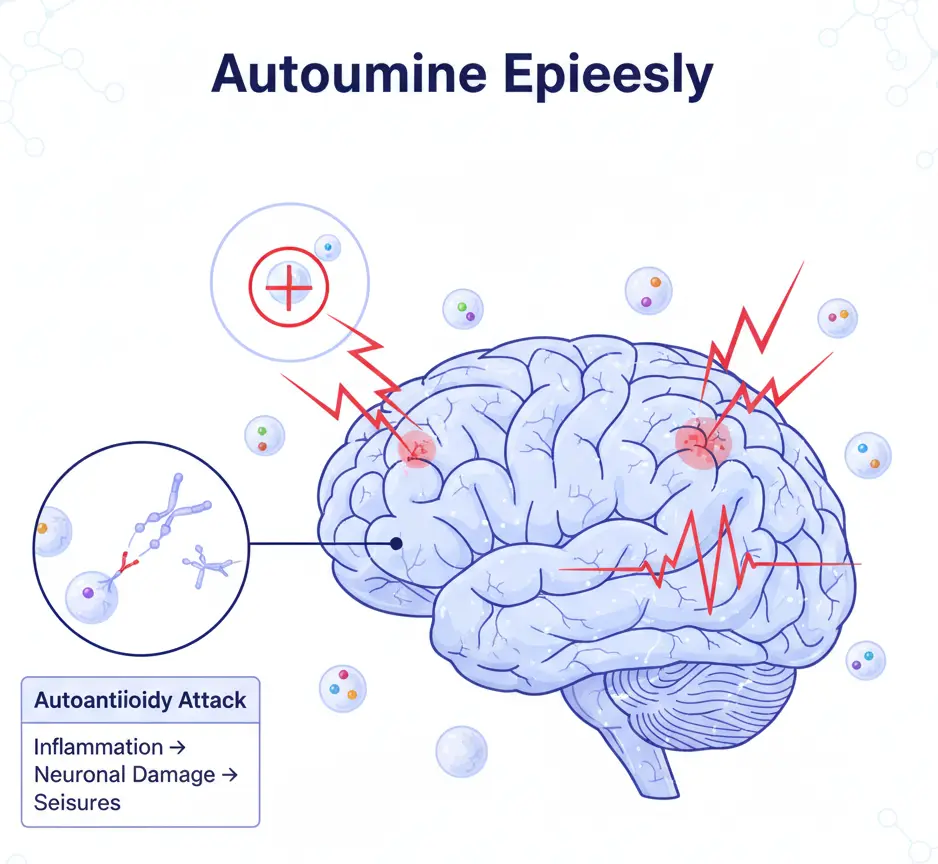
Autoimmune epilepsy is a type of epilepsy in which seizures are caused by the immune system mistakenly attacking brain cells. It can occur alongside conditions affecting the immune system, particularly autoimmune encephalitis. This condition is also referred to as autoimmune associated epilepsy or acute symptomatic seizures secondary to autoimmune encephalitis. Antibodies, which usually protect the body from infections, target receptors …
Trachoma
Trachoma is an eye disease caused by a bacterium called Chlamydia trachomatis. The infection can cause irreversible blindness. It’s an issue in poor and rural areas throughout the world with poorer hygiene, limited access to clean water and sanitation, and problems with crowding. How common is trachoma? In 2020, there were an estimated 32.8 million people in the world treated with antibiotics for trachoma, …
Severe Acute Respiratory Syndrome (SARS)
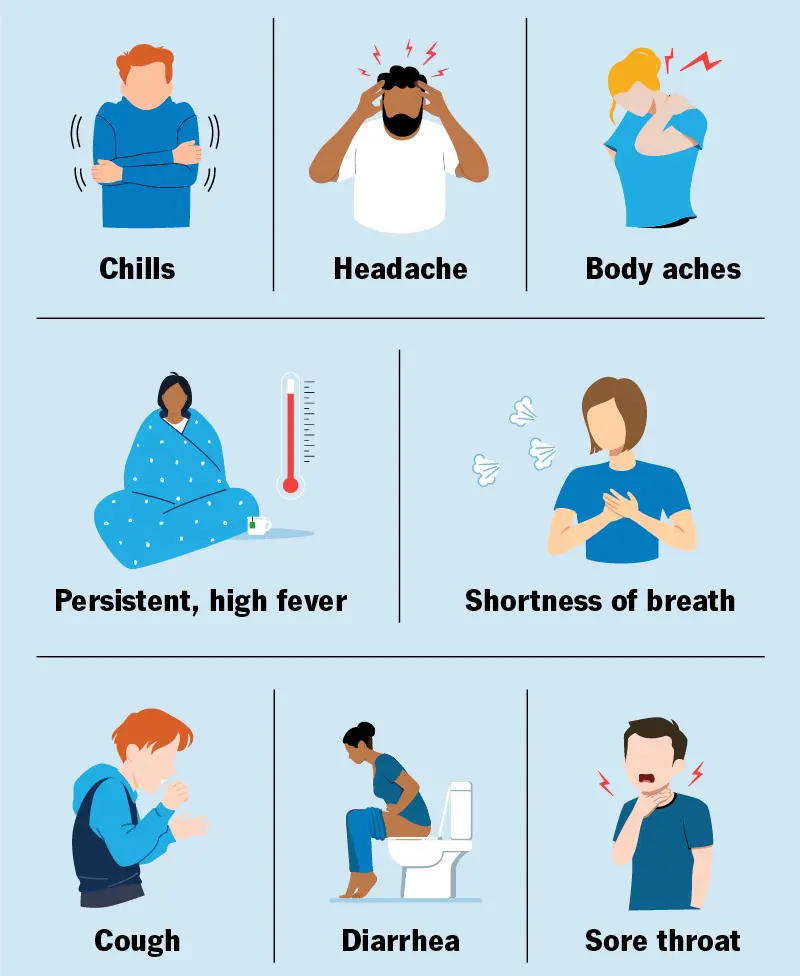
Severe Acute Respiratory Syndrome is a contagious viral respiratory illness caused by a coronavirus. It was first identified in the early 2000s and is known for causing severe pneumonia and respiratory failure in some individuals. The illness spreads mainly through close person-to-person contact and respiratory droplets. Although large outbreaks are currently rare, SARS remains an important example of how rapidly …
Serotonin Syndrome
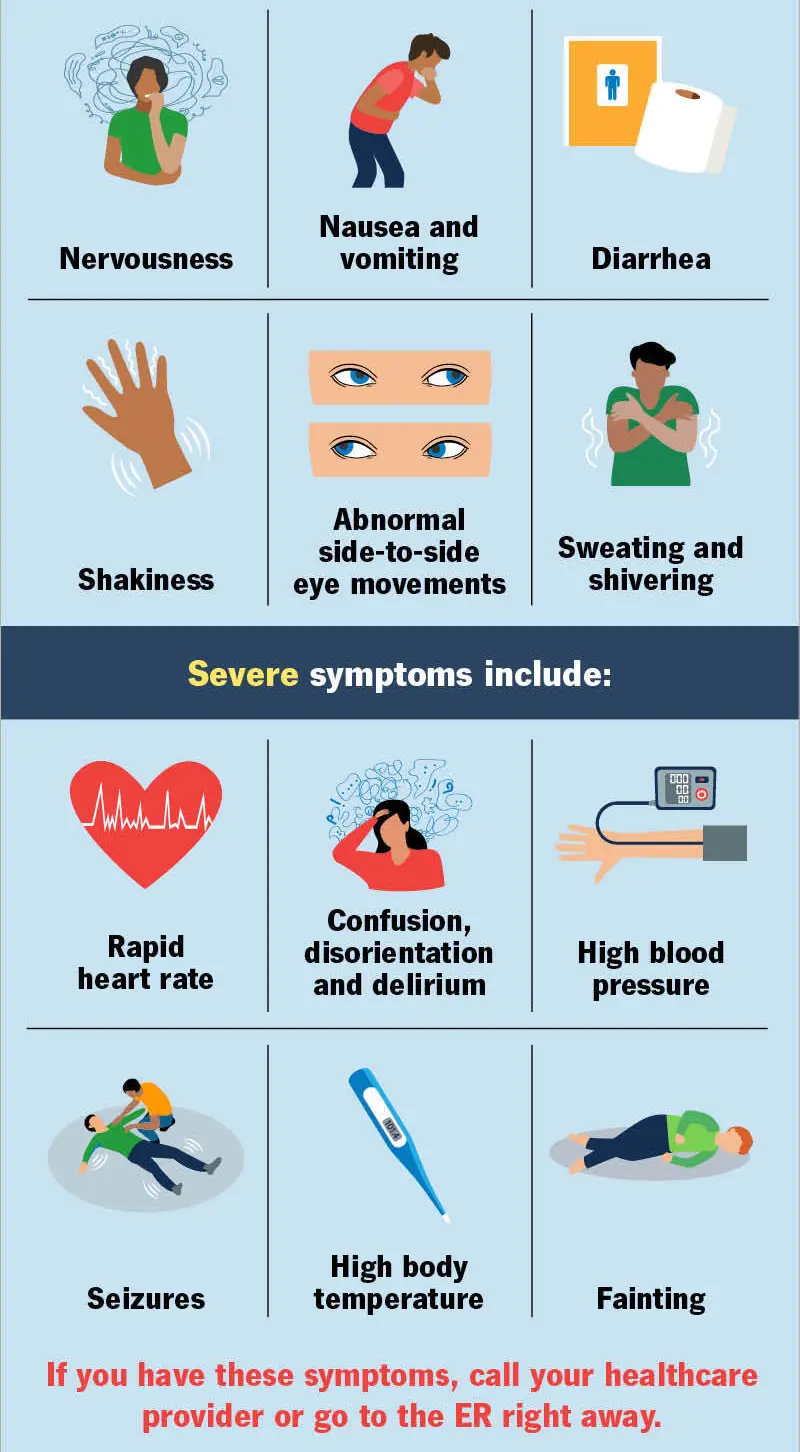
Serotonin syndrome is a potentially serious condition caused by excessive levels of serotonin in the body. Serotonin is a chemical that helps regulate mood, digestion, and other important functions. When too much serotonin builds up, usually due to medications or drug interactions, it can overstimulate the nervous system. The condition can range from mild to life-threatening and requires prompt medical …
Sepsis
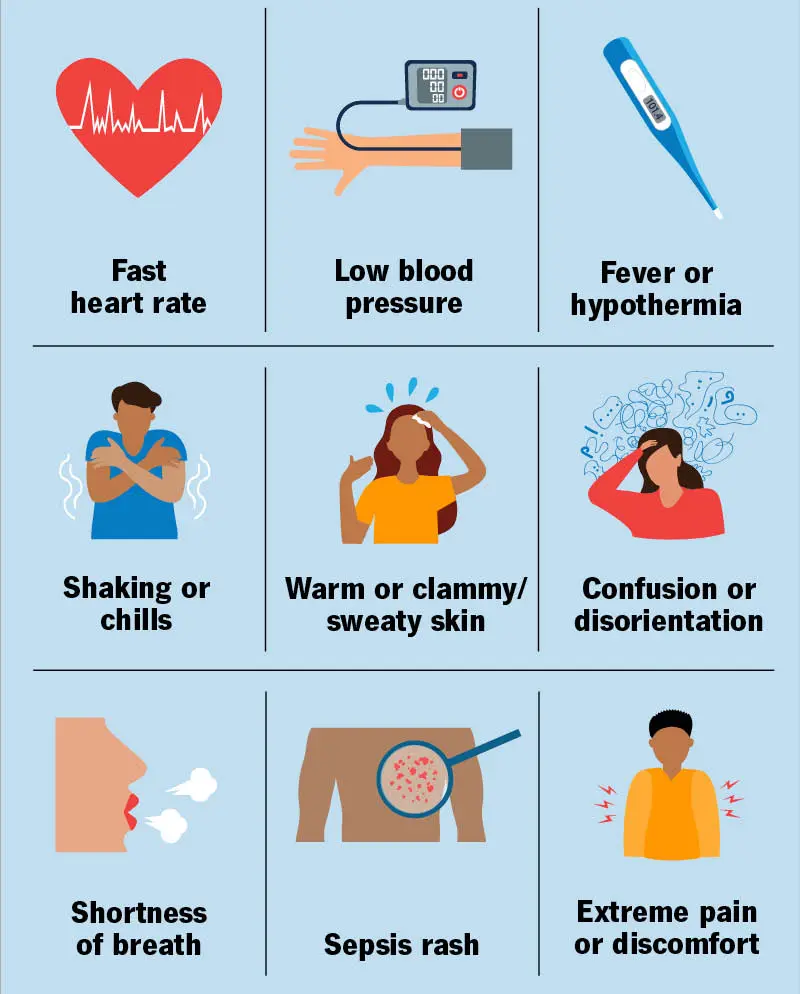
Sepsis is a life-threatening medical emergency that occurs when the body has an extreme and dysregulated response to an infection. Instead of fighting the infection in a controlled way, the immune response triggers widespread inflammation that can damage tissues and organs. Sepsis can progress rapidly and may lead to septic shock, organ failure, and death if not treated promptly. Sepsis …