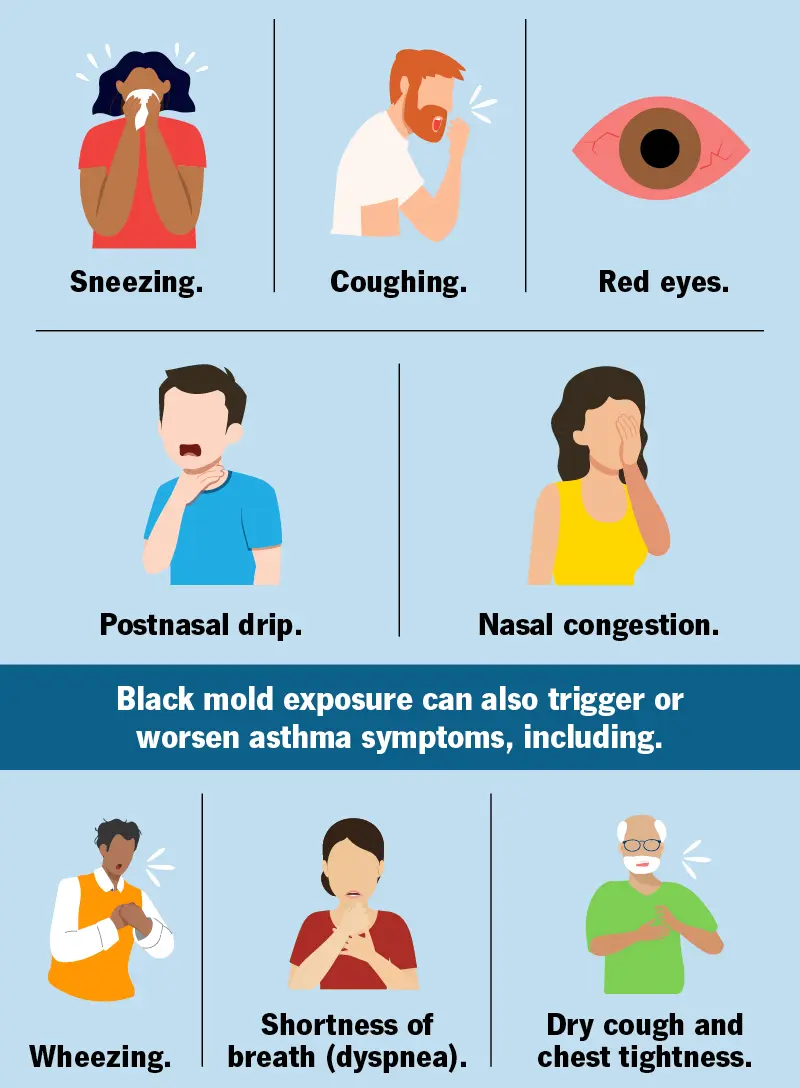
Mold allergy is an allergic reaction that occurs when the immune system becomes sensitive to mold spores in the environment. Molds are fungi that grow indoors and outdoors, especially in damp, warm, or humid conditions. When mold spores are inhaled, they can trigger allergy symptoms in sensitive individuals. Mold allergy is common and can affect people of all ages. Symptoms …
Nickel Allergy
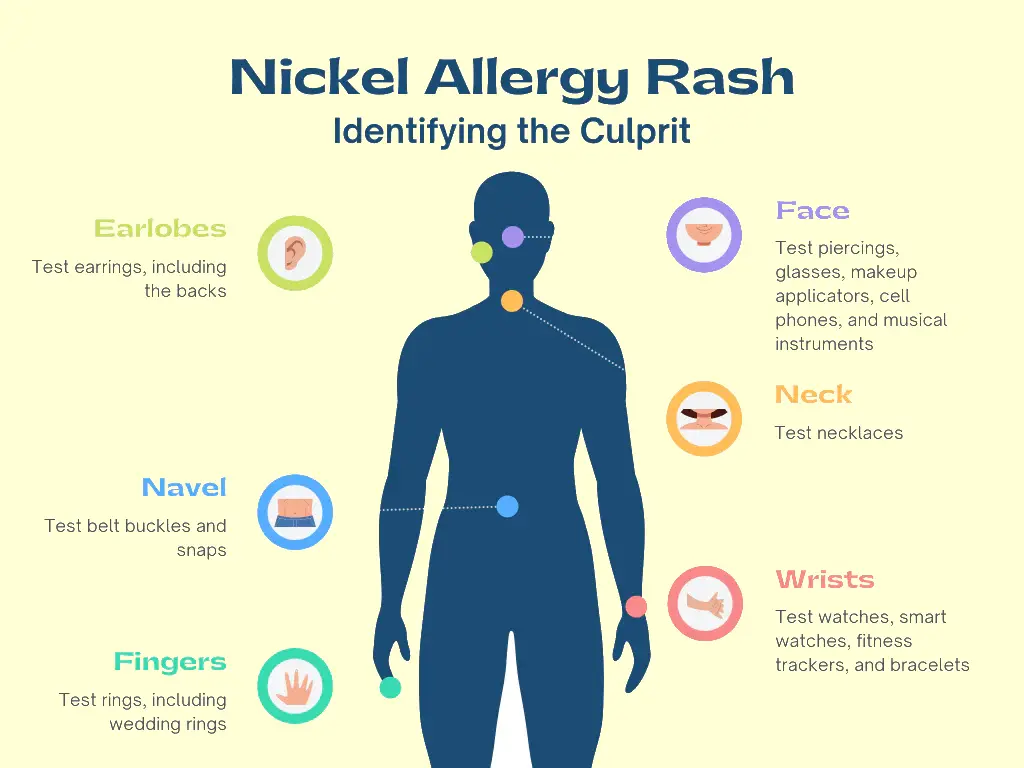
Nickel allergy is a common form of contact dermatitis that occurs when the skin comes into contact with nickel-containing materials. Nickel is a metal widely used in jewelry, watches, eyeglass frames, coins, buttons, zippers, and electronic devices. In people with a nickel allergy, exposure triggers an immune response that leads to skin inflammation. The condition is not contagious and may …
Peanut Allergy
Peanut allergies happen when your body mistakes peanut protein for something harmful. Your immune system responds by causing an allergic reaction, which could include hives, vomiting and swelling. Peanut allergies are the most common food-related cause of anaphylaxis, which can lead to swelling in your airways or a severe drop in blood pressure. Call 911 (or your local emergency service number) or get to an …
Albinism
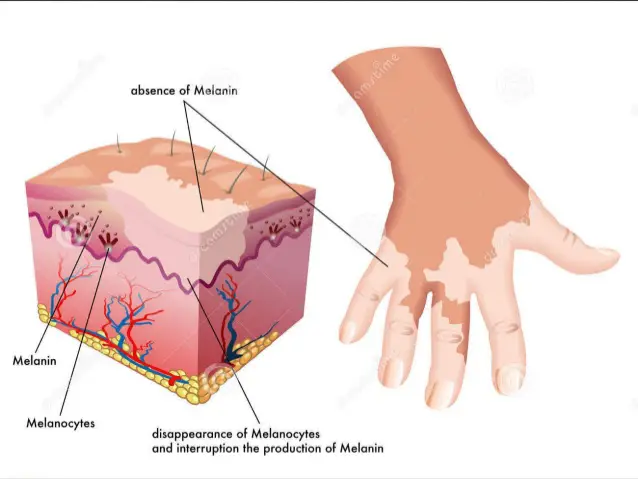
Albinism most often refers to oculocutaneous albinism, or OCA. OCA is a group of inherited conditions in which the body produces little or no melanin. Melanin is the natural pigment that gives color to the skin, hair, and eyes. It also plays an important role in the normal development and functioning of the eyes. Because of this, people with albinism …
Penicillin Allergy
A penicillin allergy occurs when your immune system reacts negatively to the antibiotic penicillin or an antibiotic in the penicillin family (beta-lactam antibiotics). Penicillin is a medicine that treats infections. When you take penicillin, the medicine destroys the outer wall of bacterial cells. This ultimately kills and removes a bacterial infection from your body. Just because you have a penicillin allergy today doesn’t …
Alcohol Intolerance
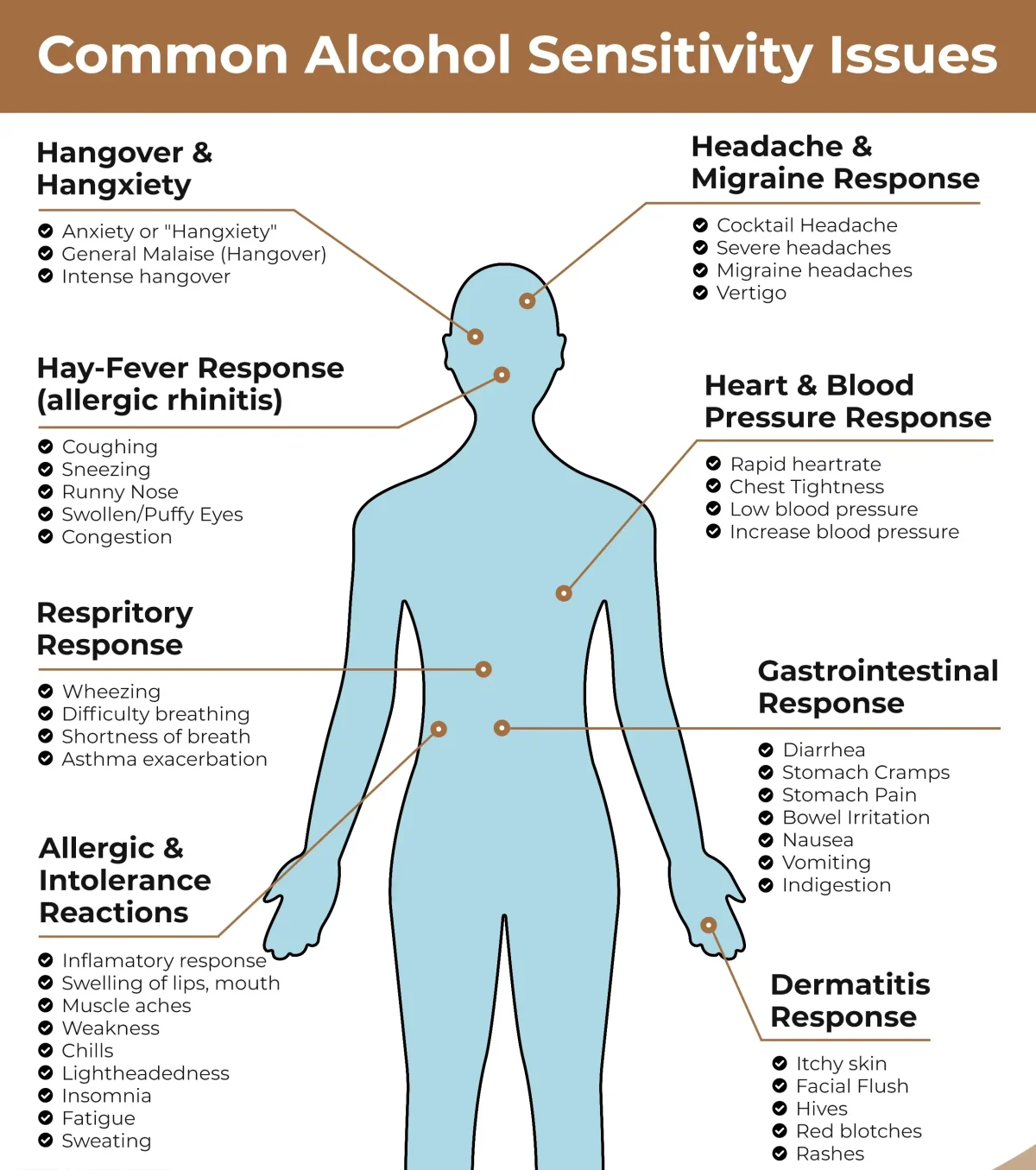
Alcohol intolerance is an inherited condition in which the body is unable to properly break down alcohol. This happens because the body lacks certain enzymes needed to process alcohol efficiently. As a result, drinking alcohol can trigger uncomfortable and sometimes immediate reactions. The most common signs include facial flushing and a stuffy or runny nose. The most effective way to …
Pet Allergy
If you notice you have allergy symptoms after being around pets, it’s a good idea to see your healthcare provider. They may refer you to an allergist. An allergist is a healthcare provider who specializes in allergies. They can help diagnose your pet allergies through specific tests. Before conducting pet allergy tests, they may ask you questions, including: Do you …
Alcohol Poisoning
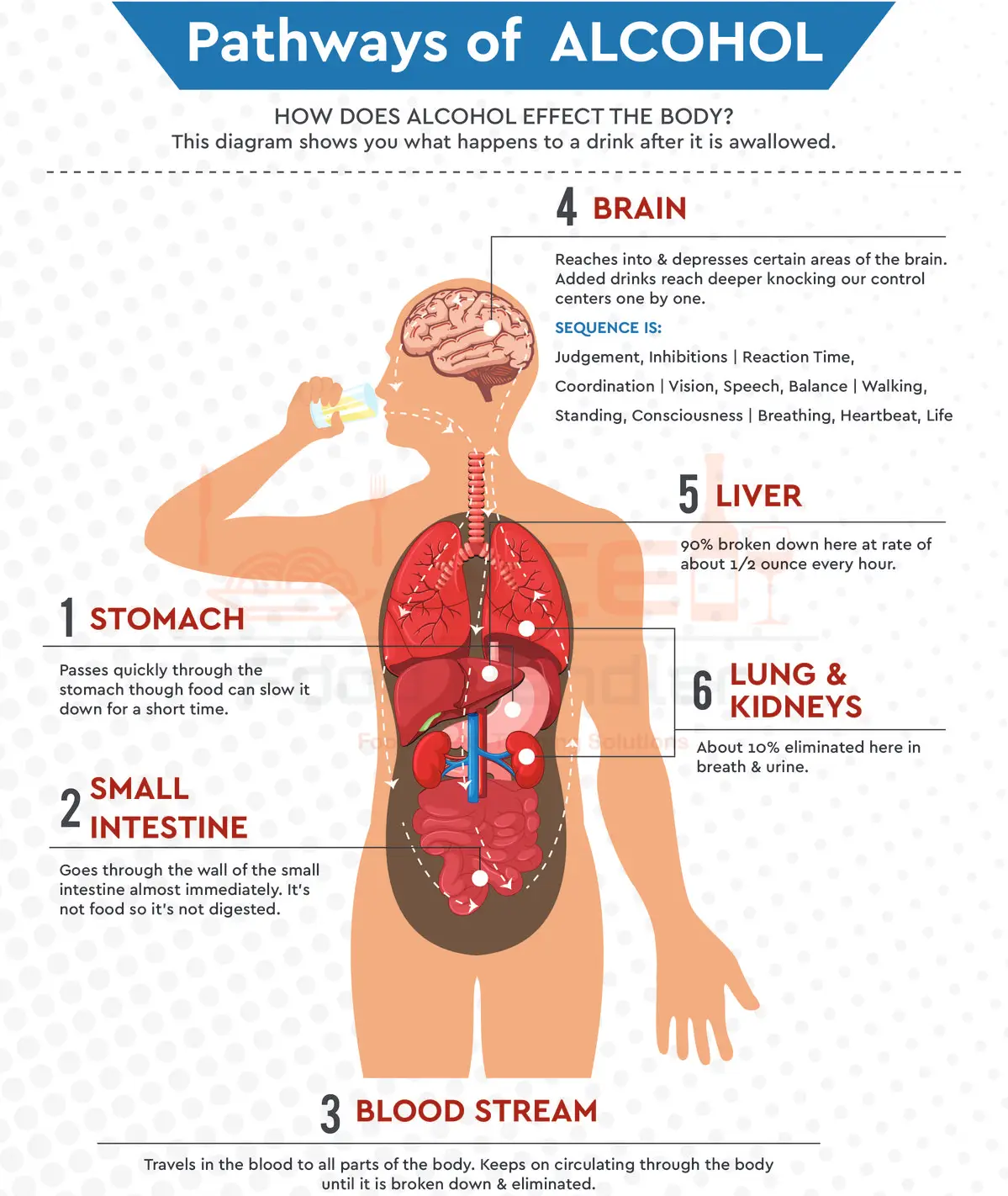
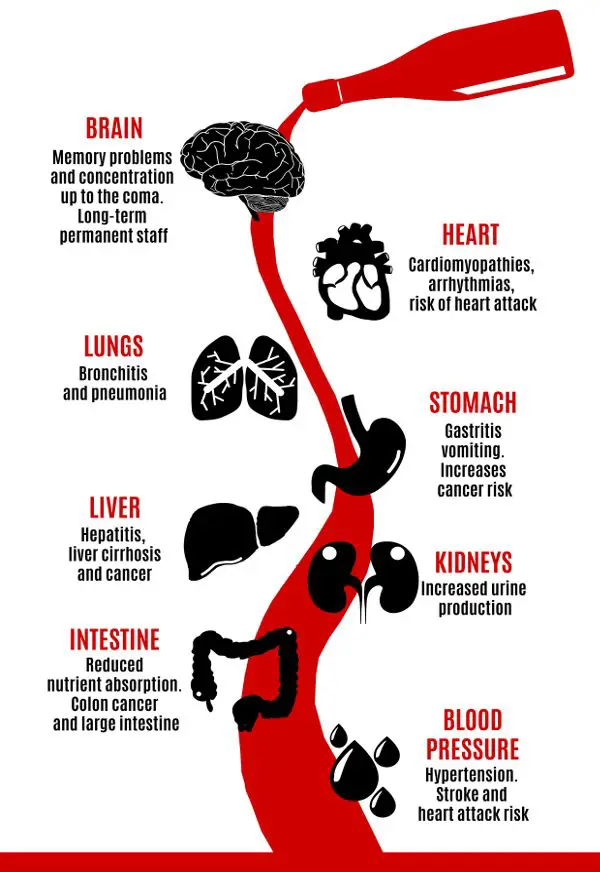
Alcohol poisoning is a serious and potentially life-threatening condition caused by consuming large amounts of alcohol in a short period of time. Drinking too much too quickly can interfere with vital body functions, including breathing, heart rate, body temperature, and the gag reflex. In severe cases, alcohol poisoning can lead to coma, permanent damage, or death. Alcohol poisoning does not …
Shellfish Allergy
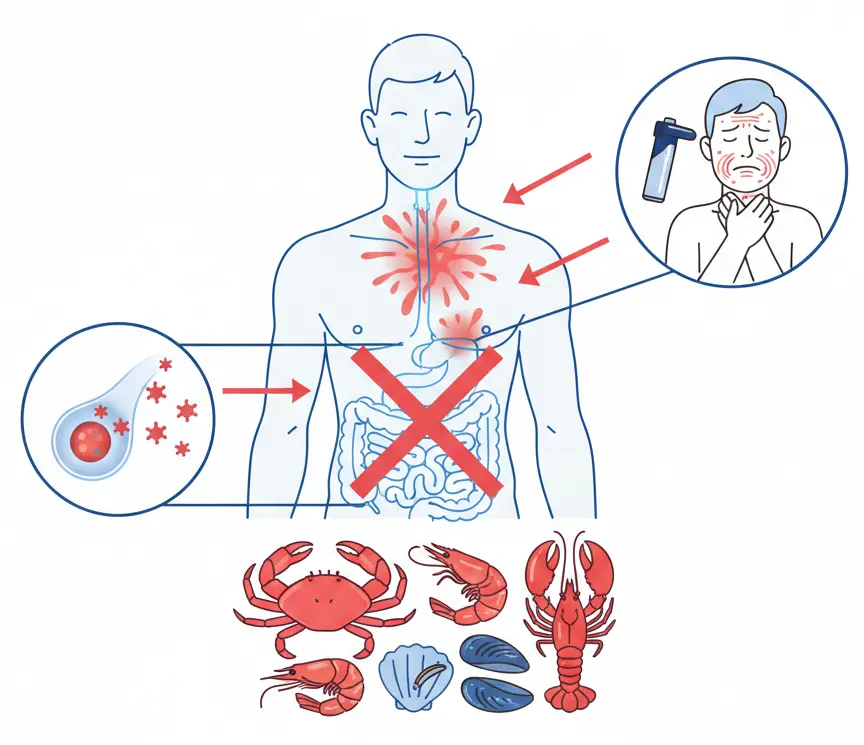
Shellfish allergy is a common food allergy that occurs when the immune system reacts abnormally to proteins found in certain marine animals. It can develop at any age and often persists throughout life. Reactions may range from mild symptoms to severe, life-threatening responses. Shellfish allergy is one of the leading causes of food-induced anaphylaxis in adults. Symptoms Symptoms usually appear …
Alcohol Use Disorder
Alcohol use disorder is a medical condition marked by an ongoing pattern of alcohol use that leads to difficulty controlling drinking, strong cravings for alcohol, or continued use despite clear negative consequences. It also includes physical dependence, such as needing to drink more alcohol to achieve the same effect or experiencing withdrawal symptoms when alcohol intake is reduced or stopped. …