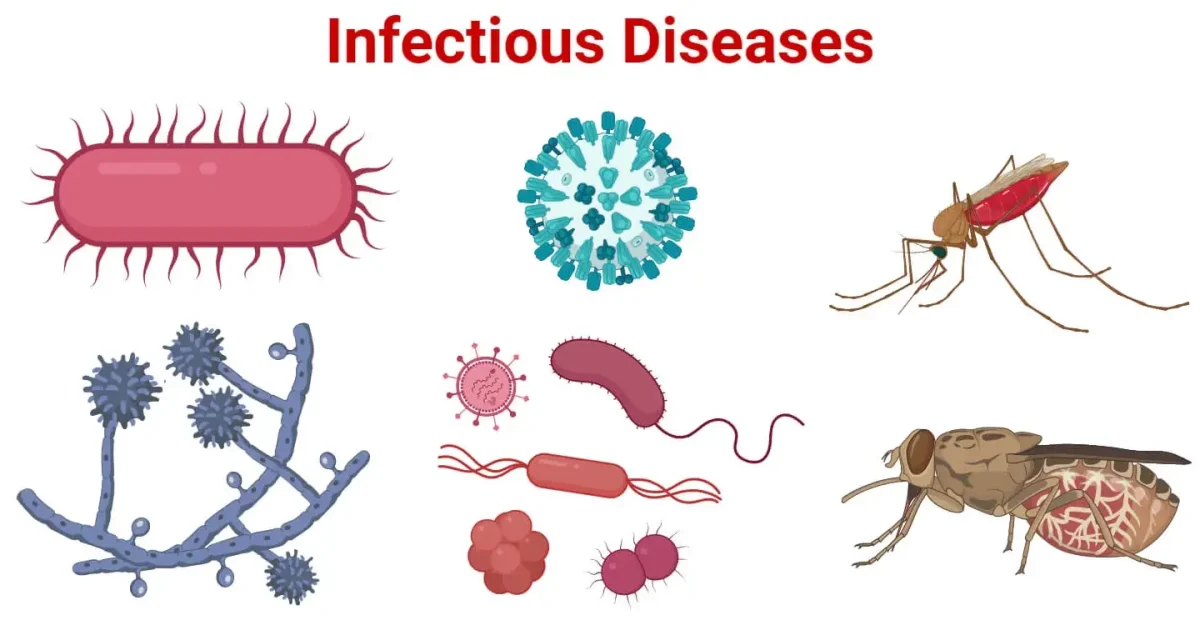
Infectious diseases are illnesses caused by pathogenic microorganisms such as bacteria, viruses, fungi, or parasites. These organisms can invade the body, multiply, and disrupt normal bodily functions. Infectious diseases can spread through direct contact, contaminated food or water, insect bites, respiratory droplets, or contact with infected bodily fluids. They range from mild, self-limiting illnesses to severe, life-threatening conditions. Symptoms Symptoms …
Infant Jaundice
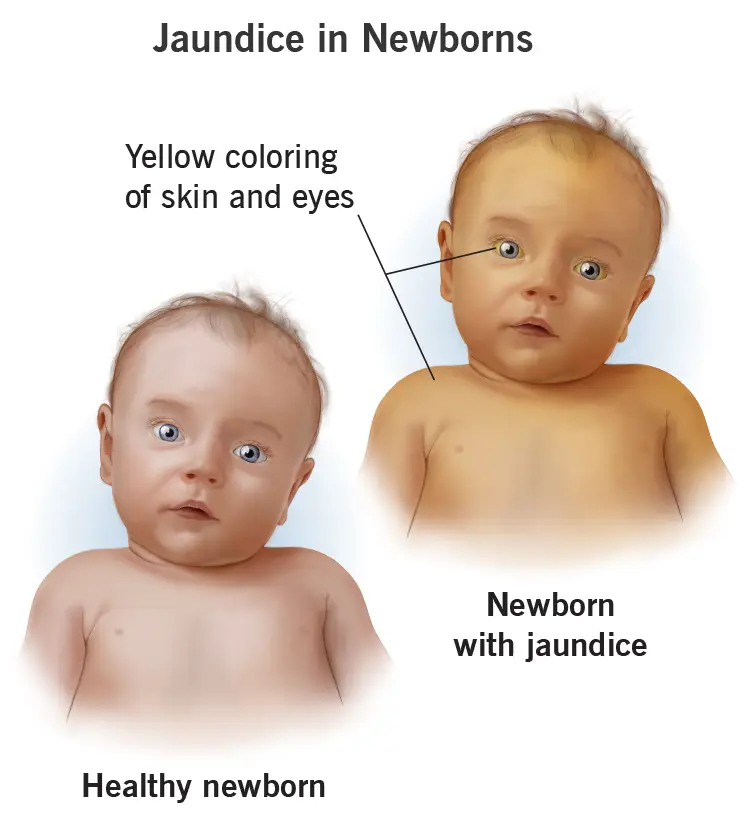
Infant jaundice is a common condition in newborns characterized by yellowing of the skin and the whites of the eyes. It occurs due to elevated levels of bilirubin, a yellow pigment produced during the normal breakdown of red blood cells. Newborns often have immature livers that are not yet efficient at removing bilirubin from the bloodstream. Infant jaundice usually appears …
Incompetent Cervix
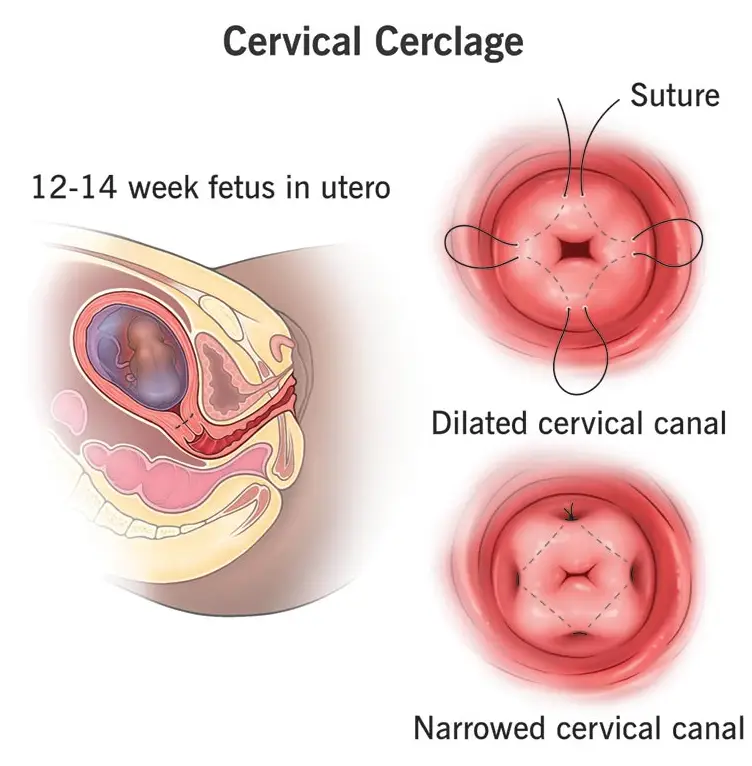
Incompetent cervix, also known as cervical insufficiency, is a condition in which the cervix weakens and opens too early during pregnancy without contractions or pain. This can lead to premature birth or pregnancy loss, usually during the second trimester. The condition often goes unnoticed until pregnancy complications occur, making early recognition and monitoring important for high-risk individuals. Symptoms Mild pelvic …
Inherited Metabolic Disorders
Inherited metabolic disorders are a group of genetic conditions in which the body is unable to properly convert food into energy due to missing or malfunctioning enzymes. These disorders are usually present from birth and can affect how the body processes proteins, carbohydrates, fats, or other substances. If not diagnosed and managed early, inherited metabolic disorders can lead to serious …
Impetigo
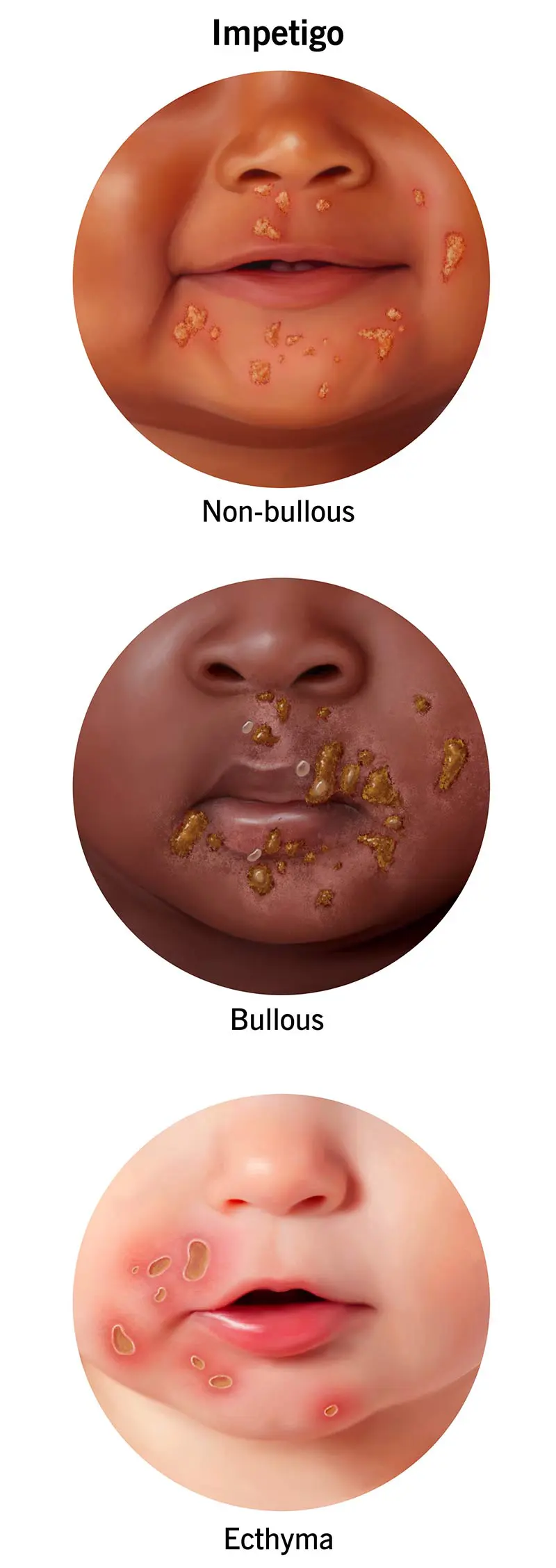
Impetigo is a highly contagious bacterial skin infection that primarily affects children, though it can occur at any age. It is usually caused by Staphylococcus aureus or Streptococcus pyogenes bacteria. The infection commonly appears on the face, hands, and other exposed areas, leading to red sores that can ooze, crust over, and spread rapidly through direct contact or contaminated objects. …
Prediabetes
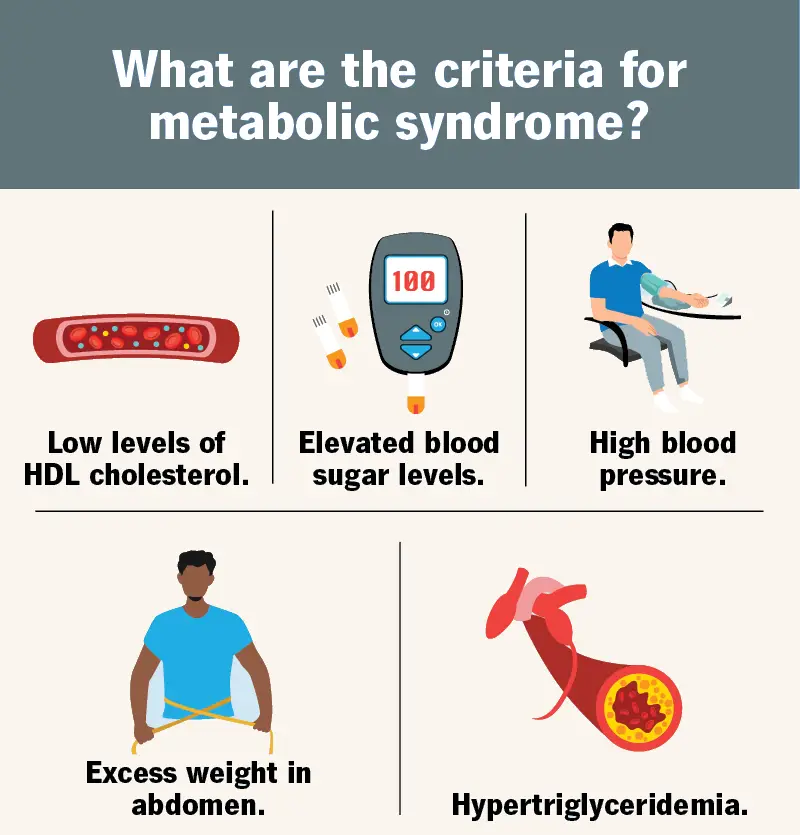
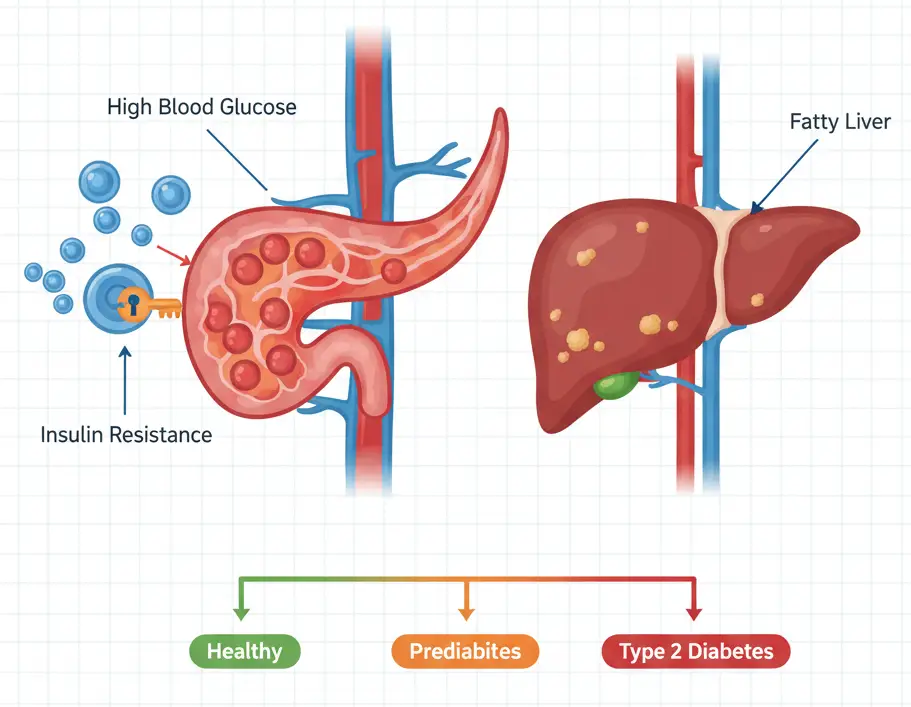
Prediabetes is a health condition in which blood sugar levels are higher than normal but not high enough to be diagnosed as diabetes. It is considered an early warning sign that the body is beginning to have difficulty managing glucose effectively. Without lifestyle changes or medical management, prediabetes can progress to type 2 diabetes. In prediabetes, the body may become …
Toe Walking in Children
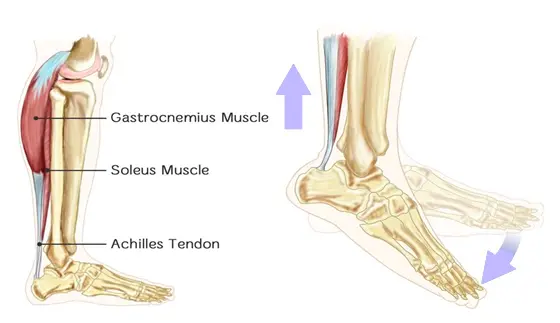
Toe walking is a walking pattern in which a child walks on the balls of the feet without the heels touching the ground. It is common in toddlers who are learning to walk and often resolves on its own as the child grows and develops a normal walking pattern. In some children, toe walking may continue beyond the early walking …
Immune Thrombocytopenia (ITP)
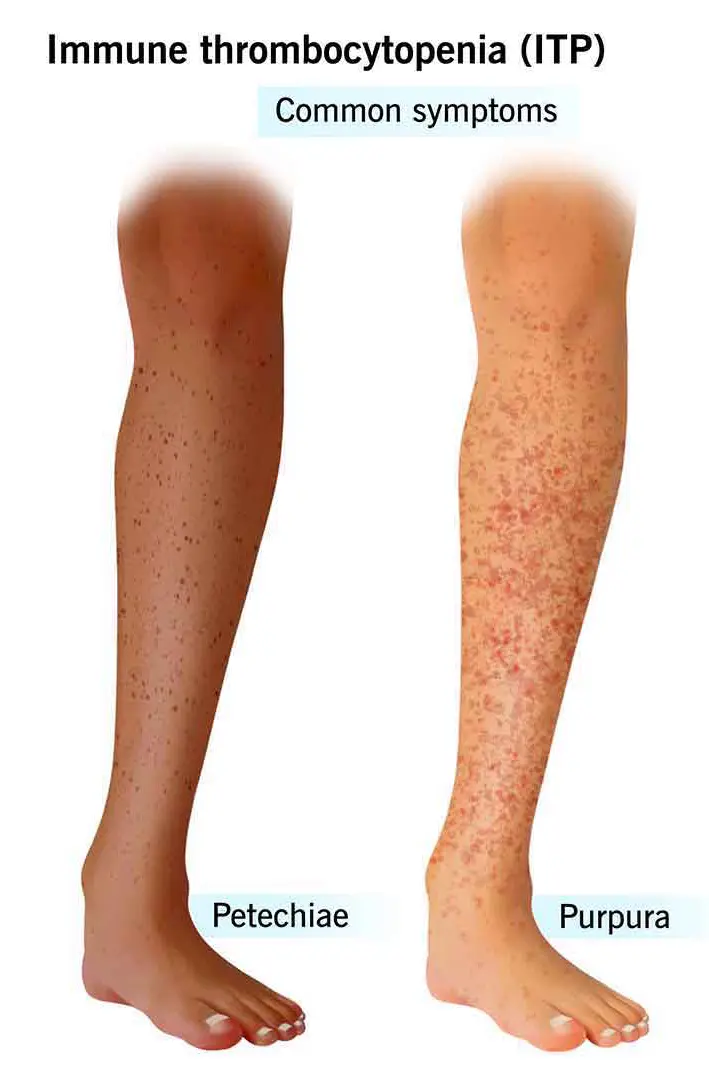
Immune thrombocytopenia (ITP) is a blood disorder in which the immune system mistakenly attacks and destroys platelets, the cells responsible for blood clotting. This leads to a low platelet count (thrombocytopenia) and an increased risk of bleeding and bruising. ITP can occur in both children and adults. In children, it often follows a viral infection and may resolve on its …
Pseudotumor Cerebri (Idiopathic Intracranial Hypertension)
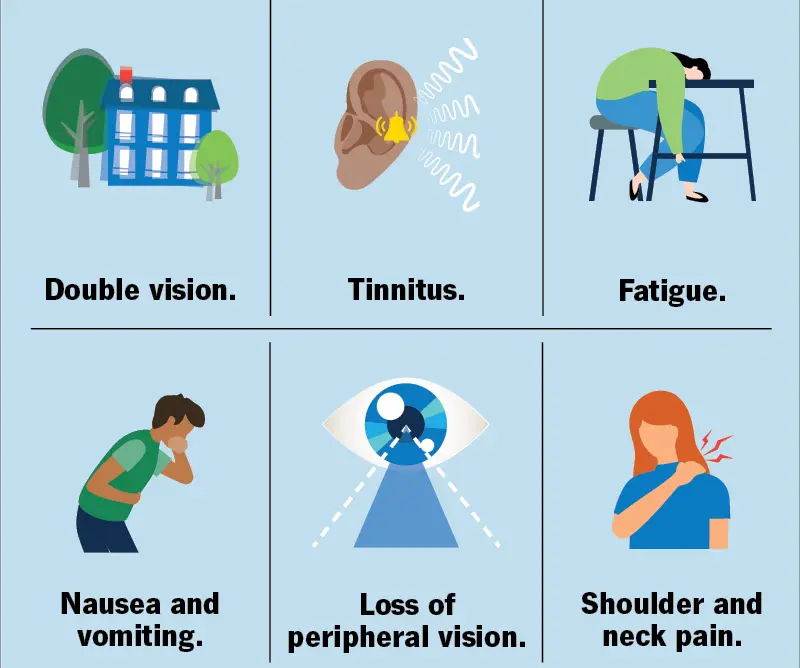
Pseudotumor Cerebri, also known as Idiopathic Intracranial Hypertension, is a condition in which pressure inside the skull increases without the presence of a brain tumor or other obvious cause. The increased pressure around the brain can lead to symptoms similar to those caused by a brain tumor, which is why the condition is called pseudotumor, meaning false tumor. This condition …
Idiopathic Hypersomnia
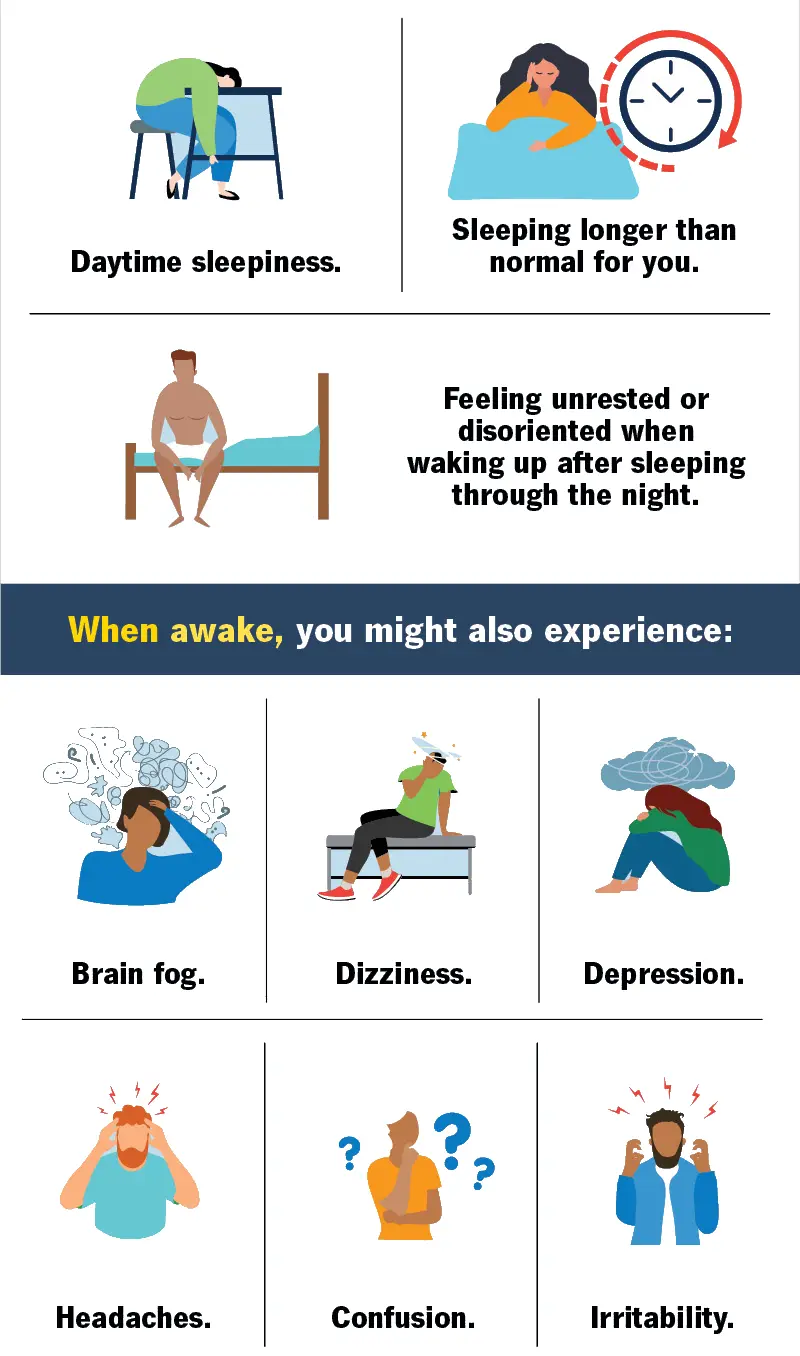
Idiopathic hypersomnia (IH) is a chronic neurological sleep disorder characterized by excessive daytime sleepiness despite getting sufficient or prolonged nighttime sleep. Unlike narcolepsy, individuals with IH do not experience sudden muscle weakness (cataplexy). The exact cause of idiopathic hypersomnia is unknown, but it is believed to involve dysfunction in the brain’s sleep-wake regulation. The condition can significantly impact daily life, …