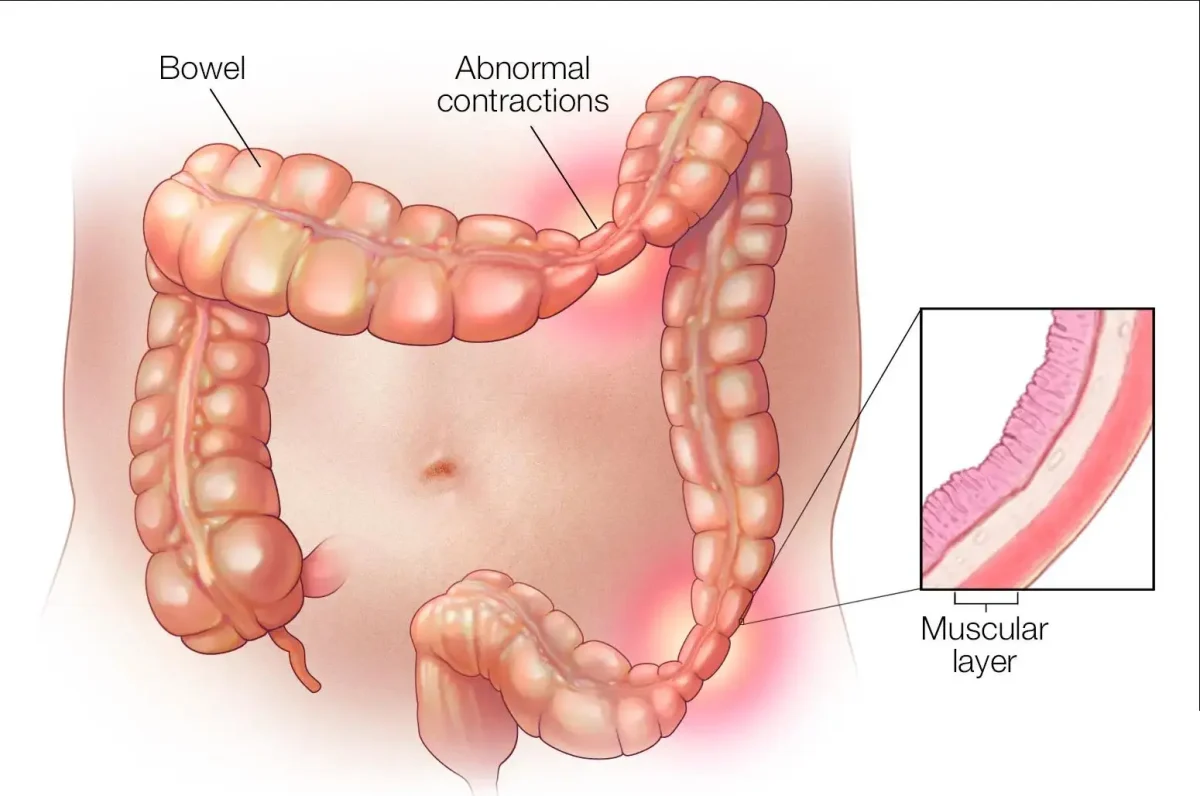
Irritable bowel syndrome is a common chronic disorder that affects the large intestine and disrupts normal bowel function. It is considered a functional gastrointestinal condition, meaning symptoms occur without visible structural damage to the digestive tract. Irritable bowel syndrome is characterized by recurring abdominal discomfort and changes in bowel habits. While it can significantly affect quality of life, it does …
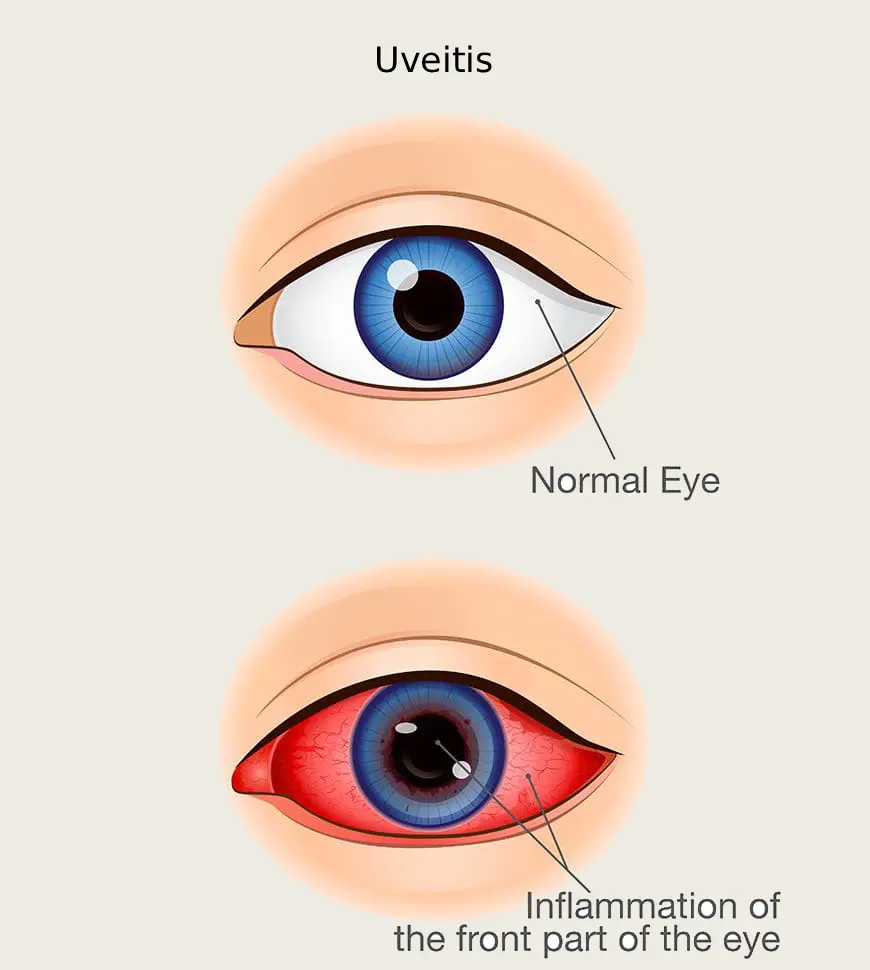
Uveitis
Uveitis is inflammation of the uvea, the middle layer of the eye that includes the iris, ciliary body, and choroid. This condition can affect one or both eyes and may develop suddenly or gradually. Uveitis can occur at any age and ranges from mild to severe. If not treated promptly, it can lead to serious eye complications, including vision loss. …
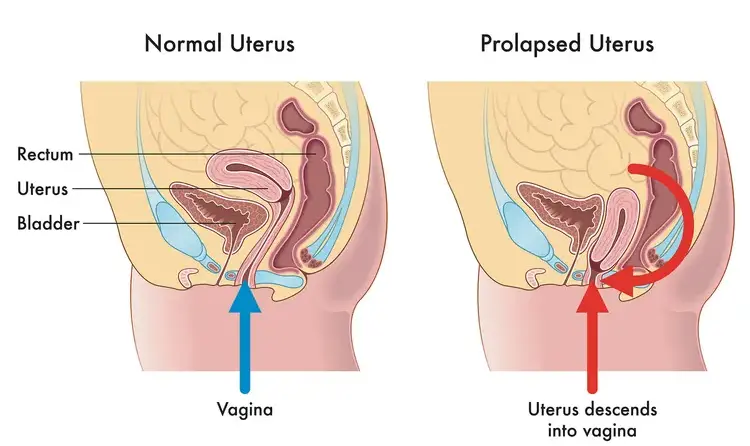
Uterine Prolapse
Uterine prolapse occurs when the uterus descends from its normal position into the vaginal canal due to weakened pelvic floor muscles and supportive tissues. This condition can range from mild, where the uterus has shifted slightly, to severe, where it protrudes outside the vagina. Uterine prolapse most commonly affects women who have given birth vaginally and those who are postmenopausal. …
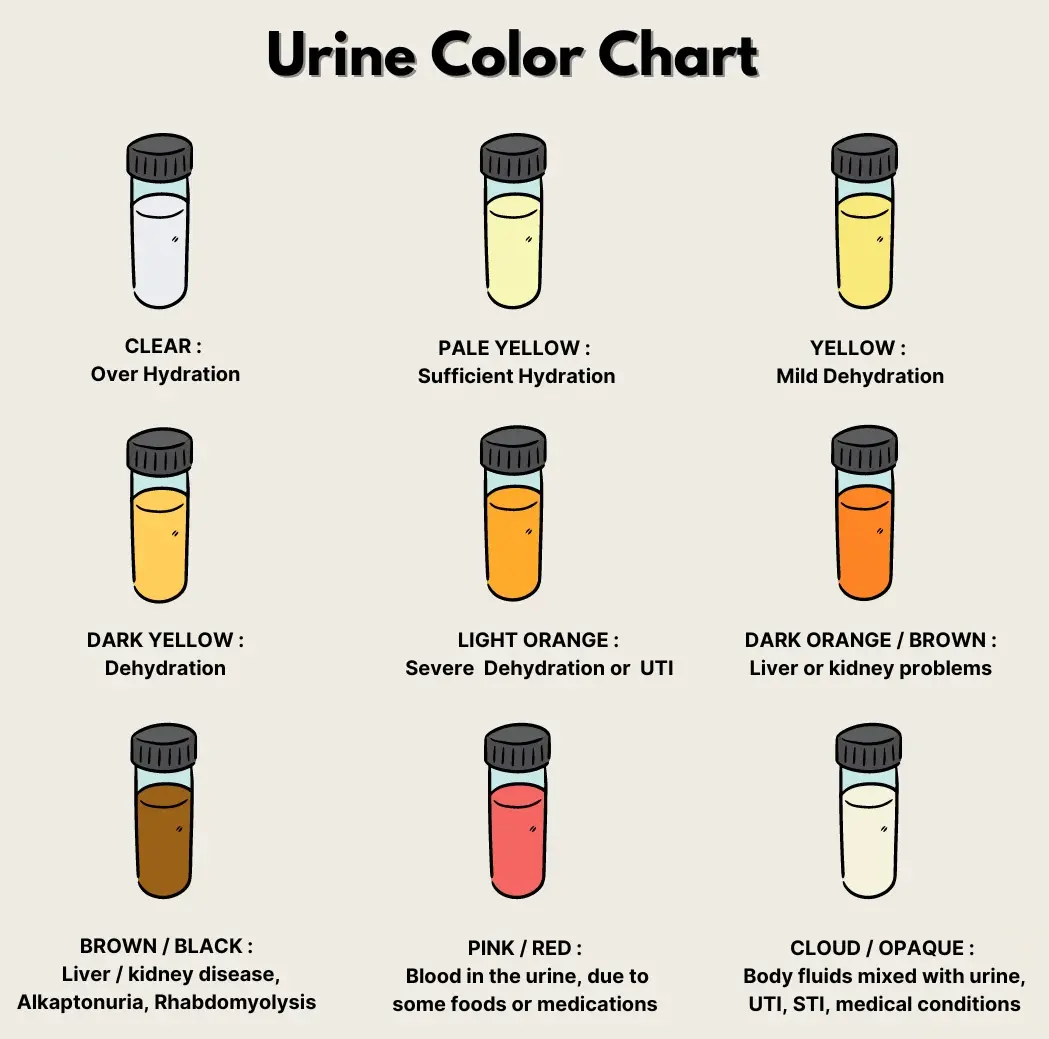
Urine Color
Urine color refers to the appearance of urine, which can vary from pale yellow to deep amber and may change based on hydration, diet, medications, and health conditions. Normal urine gets its yellow color from a pigment called urochrome, produced as the body breaks down hemoglobin. Changes in urine color are often harmless and temporary, but in some cases, they …
Urinary Tract Infection (UTI)
A urinary tract infection is an infection that affects any part of the urinary system, including the kidneys, ureters, bladder, or urethra. Most infections involve the lower urinary tract, particularly the bladder and urethra. Urinary tract infections are commonly caused by bacteria entering the urinary tract and multiplying. They are more frequent in women, but men, children, and older adults …
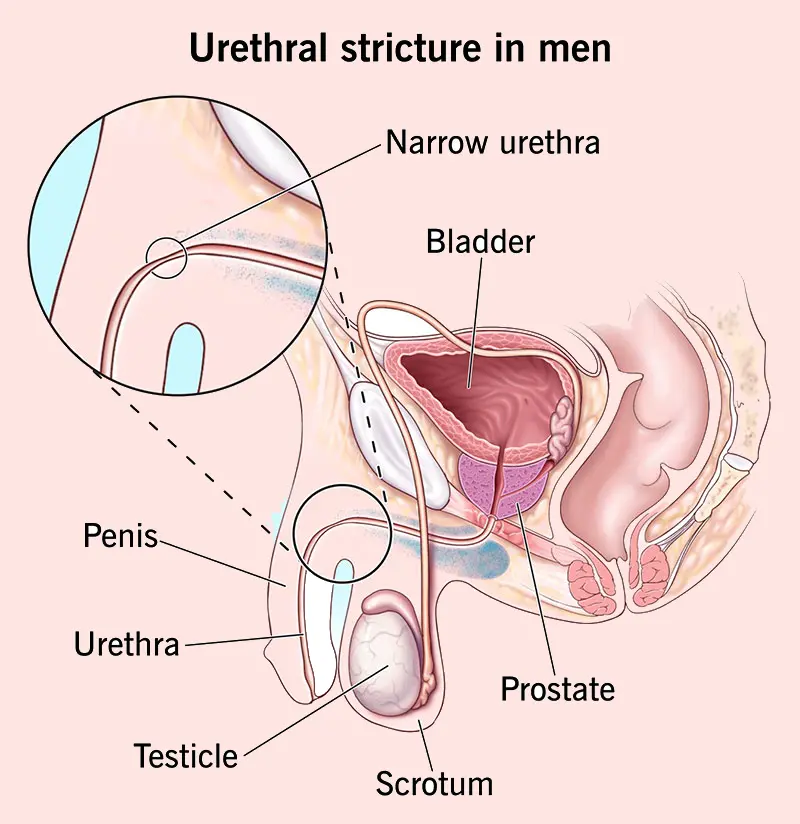
Urethral Stricture
Urethral stricture is a condition in which the urethra becomes narrowed due to scarring, restricting the normal flow of urine from the bladder out of the body. The urethra carries urine through the penis in males and opens just above the vaginal opening in females. This condition is more common in men because their urethra is longer. Urethral strictures can …
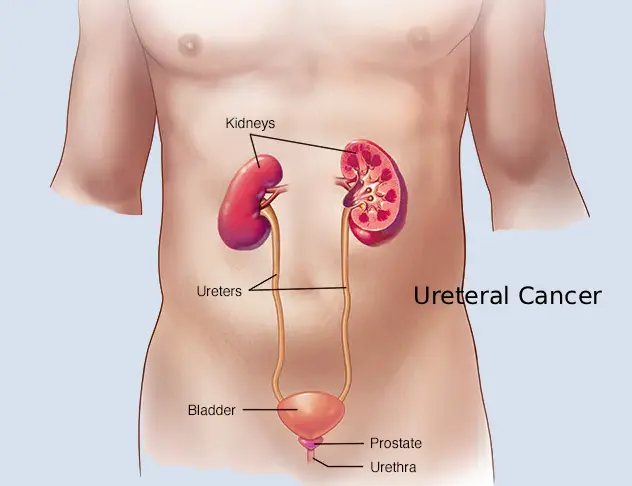
Ureteral Cancer
Ureteral cancer is a rare type of cancer that develops in the ureters, the thin tubes that carry urine from the kidneys to the bladder. Most ureteral cancers are urothelial carcinomas, meaning they arise from the cells lining the inside of the ureter. This condition is more common in older adults and is often associated with cancers of the bladder …
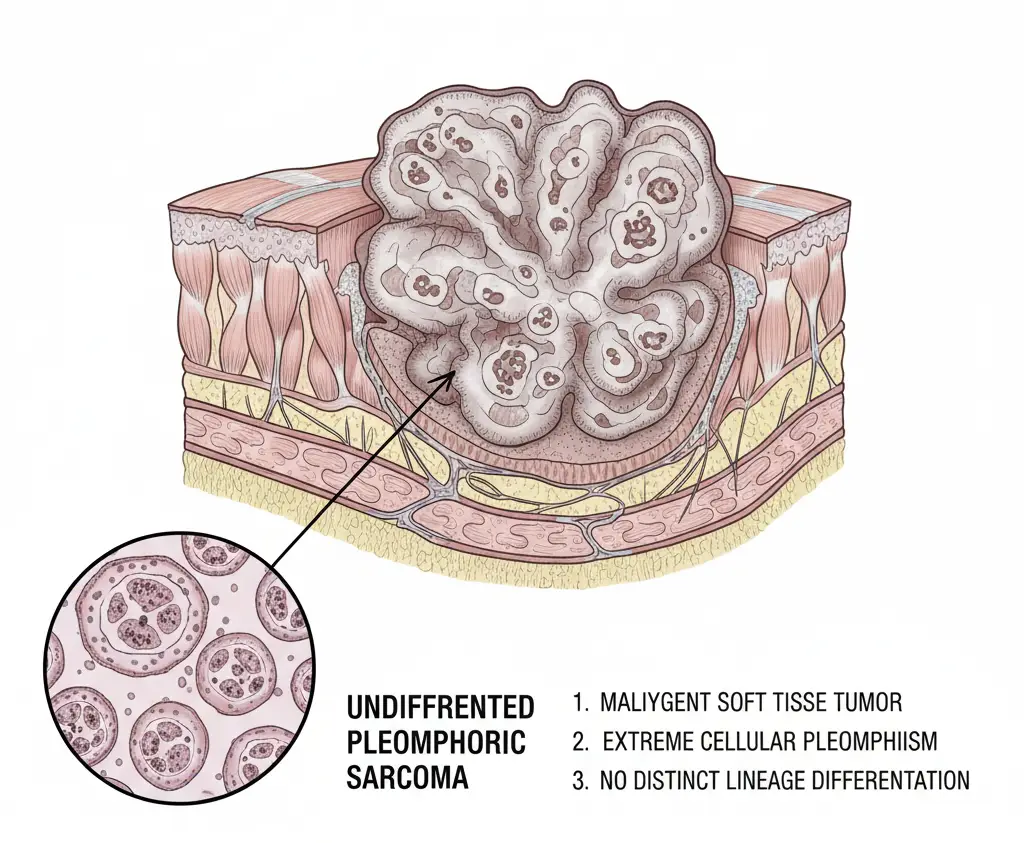
Undifferentiated Pleomorphic Sarcoma
Undifferentiated pleomorphic sarcoma is a rare and aggressive type of soft tissue cancer that develops from connective tissues such as muscle, fat, fibrous tissue, or blood vessels. It was previously known as malignant fibrous histiocytoma. The tumor is called undifferentiated because the cancer cells do not resemble normal mature cells under a microscope, making the exact tissue of origin unclear. …
Pseudobulbar Affect
Pseudobulbar Affect is a neurological condition characterized by sudden, uncontrollable episodes of laughing or crying that are disproportionate or unrelated to the person’s actual emotions. It often occurs in individuals with neurological disorders or brain injuries, such as stroke, multiple sclerosis, amyotrophic lateral sclerosis (ALS), or traumatic brain injury. The condition is not a mood disorder, although it can significantly …
Ulnar Wrist Pain
Ulnar wrist pain refers to pain located on the pinky finger side of the wrist. It is a common complaint and can result from injury, overuse, or underlying medical conditions affecting the bones, ligaments, tendons, or cartilage of the wrist. The pain may develop suddenly after trauma or gradually due to repetitive movements and can interfere with daily activities that …