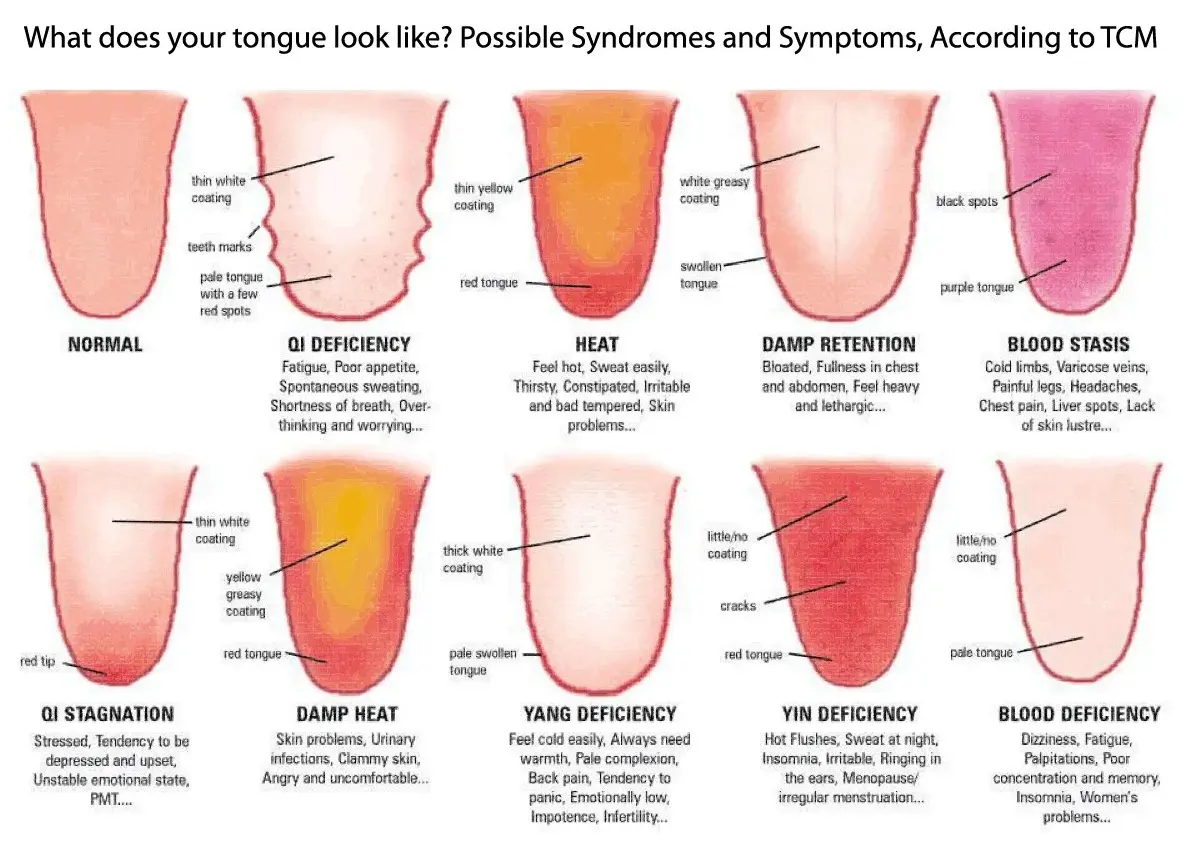
Yellow tongue is a condition in which the surface of the tongue appears yellow instead of its usual pink color. It is usually harmless and temporary, but it can sometimes signal an underlying issue related to oral hygiene, lifestyle habits, infections, or digestive problems. The yellow color often develops when dead skin cells build up on the tongue and trap …
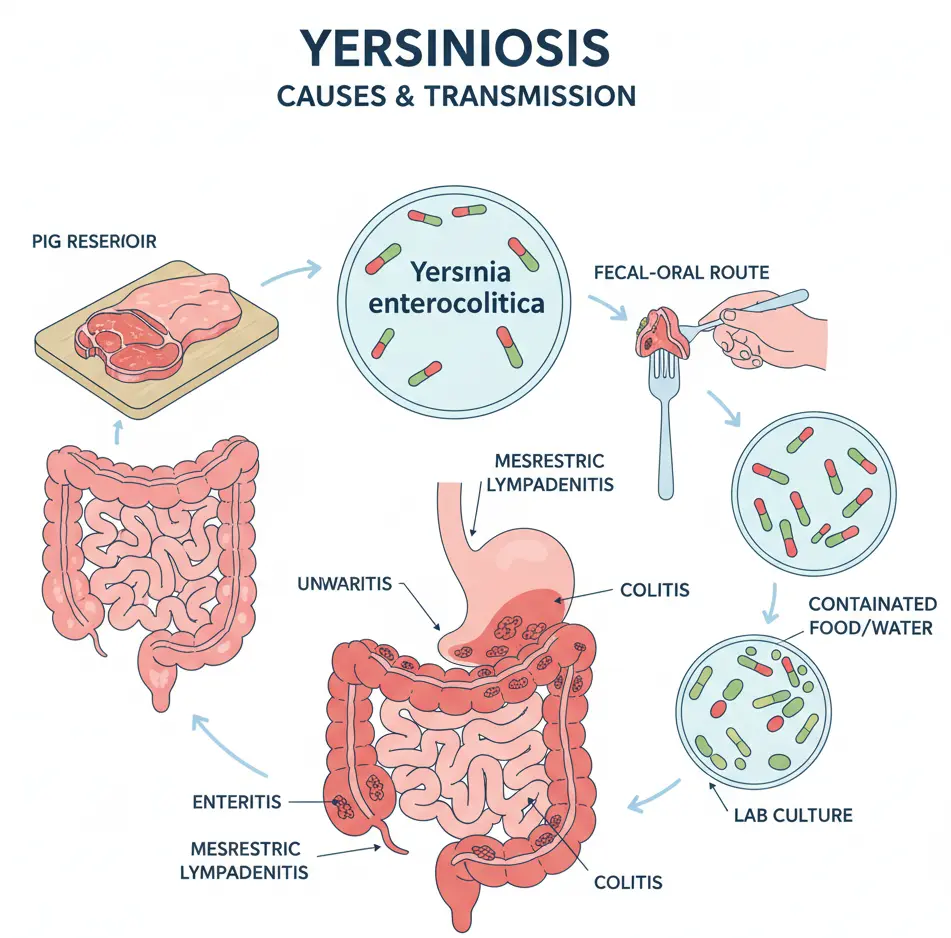
Yersiniosis
Yersiniosis is an infection caused by bacteria of the genus Yersinia, most commonly Yersinia enterocolitica. The infection usually affects the digestive system and is a cause of gastroenteritis. Yersiniosis is more common in infants and children, but it can occur at any age. People usually get yersiniosis by eating contaminated food, especially undercooked pork, or by drinking unpasteurized milk. Infection …
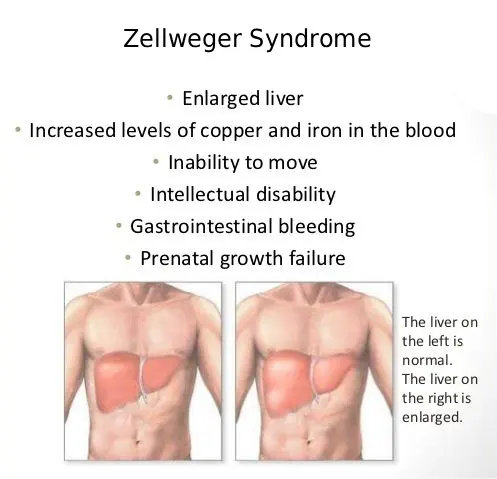
Zellweger Syndrome
Zellweger syndrome is a rare, inherited genetic disorder that affects many parts of the body, especially the brain, liver and kidneys. It belongs to a group of conditions called Zellweger spectrum disorders, which result from problems with structures inside cells known as peroxisomes. Peroxisomes play a key role in breaking down fatty acids and toxins and in supporting normal brain …
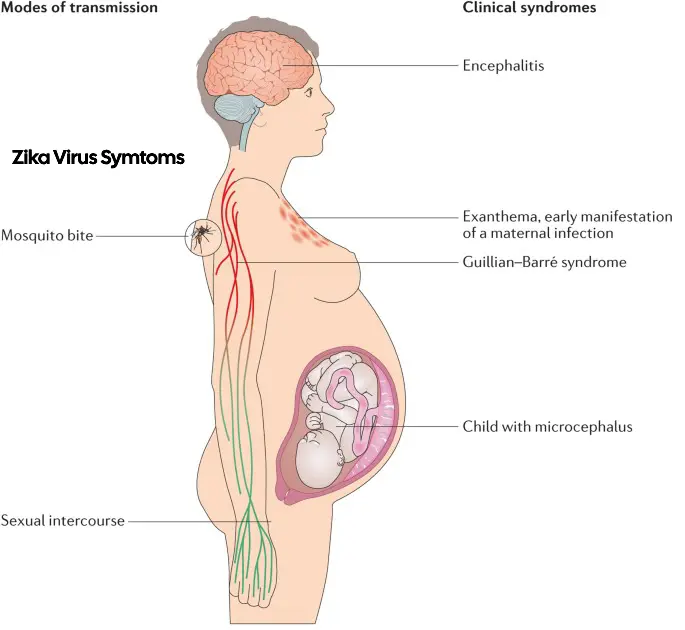
Zika Virus
Zika virus disease is an infection caused by the Zika virus, which is primarily spread through the bite of an infected Aedes species mosquito. These mosquitoes are most active during the daytime. Zika virus was first identified in Africa but has since spread to many parts of the world, including tropical and subtropical regions. Most people infected with Zika virus …
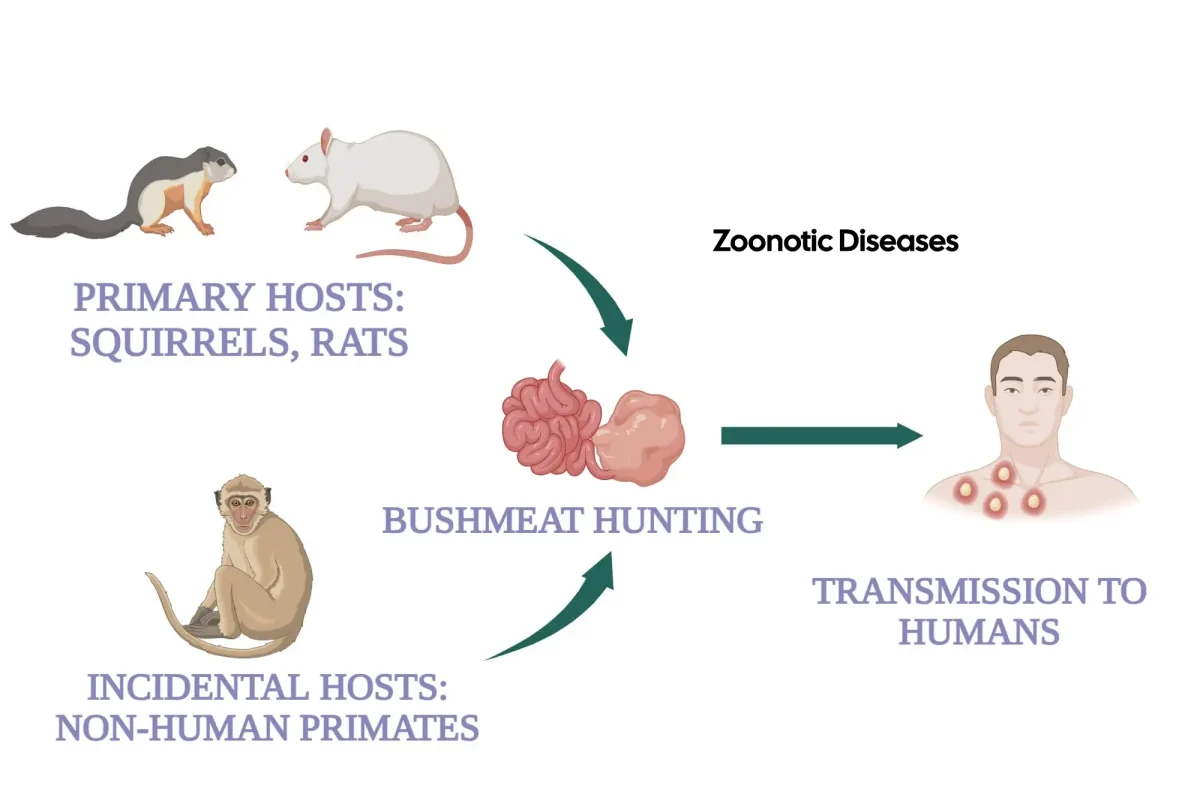
Zoonotic Diseases
Zoonotic diseases are infections that spread between animals and humans. These diseases can be caused by bacteria, viruses, parasites or fungi. Transmission may occur through direct contact with animals, contact with animal waste, consumption of contaminated food or water, or through vectors such as mosquitoes, ticks and fleas. Zoonotic diseases are common worldwide and range from mild illnesses to serious, …
Zoophobia (Fear of Animals)
Zoophobia is an intense and persistent fear of animals. It is a type of specific phobia, which is an anxiety disorder marked by excessive fear triggered by a particular object or situation. The fear may involve all animals or be limited to certain types, such as dogs, snakes, insects or birds. People with zoophobia may feel overwhelming anxiety even when …
X-Linked Agammaglobulinemia
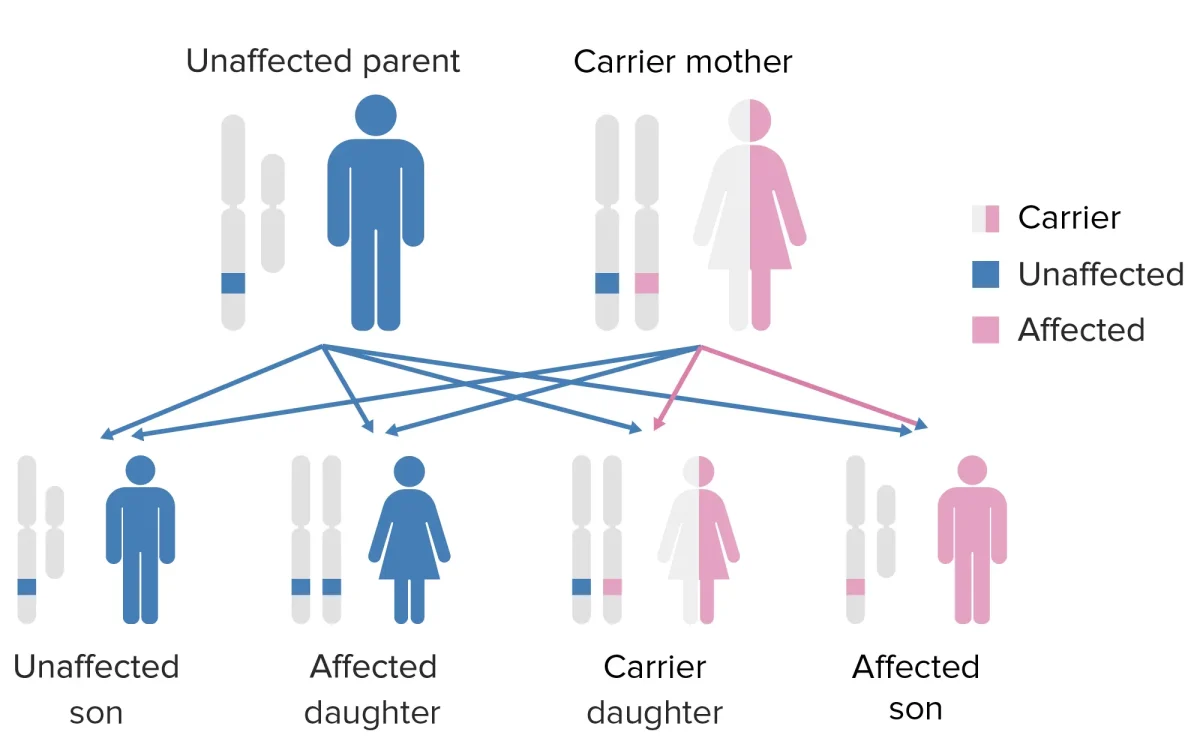
X-linked agammaglobulinemia is a rare inherited disorder of the immune system that affects the body’s ability to fight infections. It primarily occurs in males and is usually diagnosed in infancy or early childhood. The condition prevents the normal development of B lymphocytes, which are white blood cells responsible for producing antibodies. Because antibodies play a key role in defending against …
Triple X Syndrome
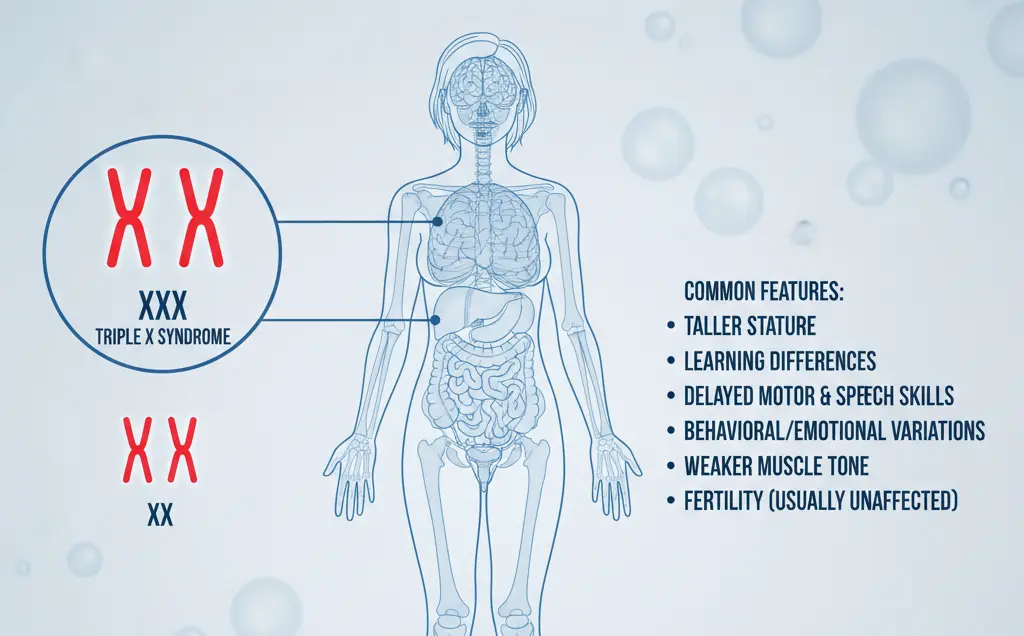
Triple X syndrome is a genetic condition that affects females and occurs when a person has an extra X chromosome in their cells. Instead of the typical two X chromosomes found in females, individuals with this condition have three X chromosomes. This chromosomal variation usually occurs randomly during the formation of reproductive cells or early development. Many females with triple …
Plague
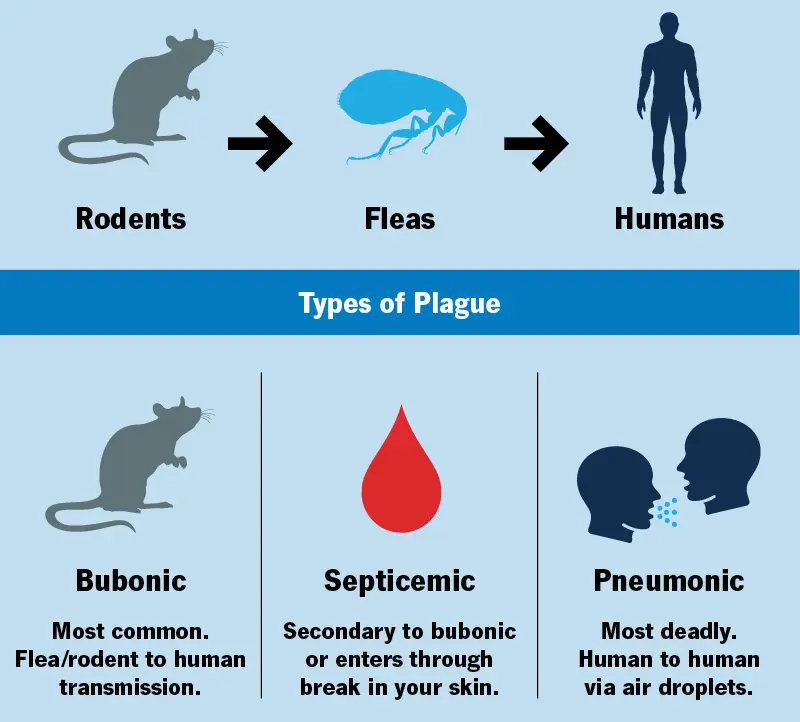
Plague is a serious infectious disease caused by the bacterium Yersinia pestis. It primarily affects animals such as rodents but can spread to humans through the bites of infected fleas or through direct contact with infected animals. Although plague is rare today, it still occurs in some parts of the world. Historically, plague caused major pandemics, including the Black Death …
Yips
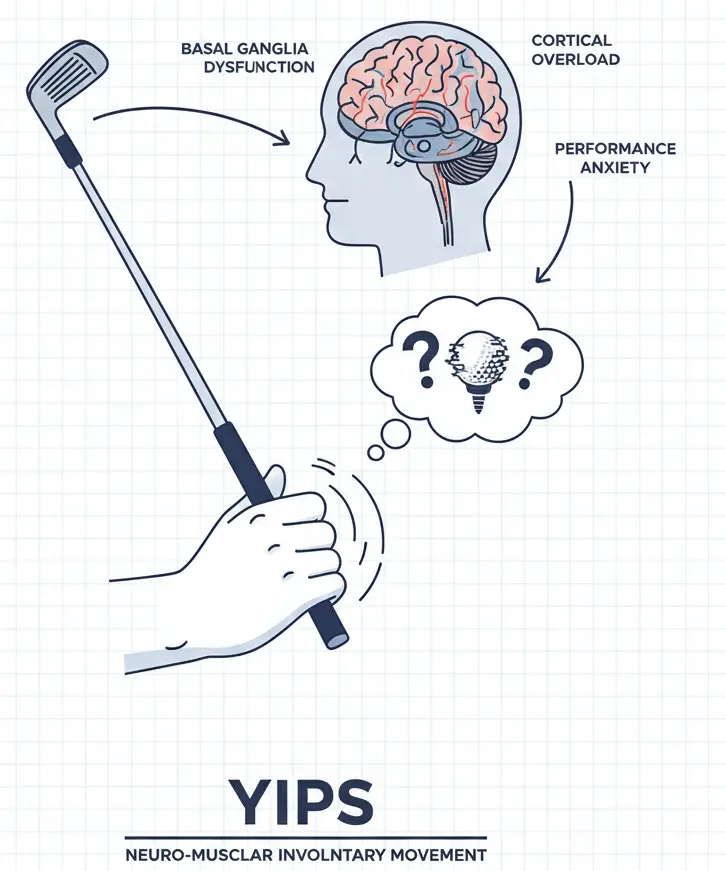
The yips are a movement disorder that causes a sudden loss of fine motor control during specific, well-learned activities. The condition is most commonly seen in athletes, especially golfers, baseball pitchers, cricket bowlers, and darts players. It typically affects precise movements such as putting, throwing, or releasing an object. The yips may appear unexpectedly after years of normal performance. In …