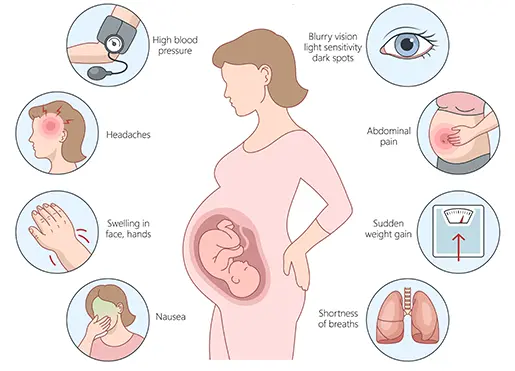
Preeclampsia is a pregnancy-related condition characterized by high blood pressure and signs of damage to organs, most commonly the liver and kidneys. It usually develops after the 20th week of pregnancy in women whose blood pressure had previously been normal. Preeclampsia can affect both the mother and the developing baby and requires careful medical monitoring. The condition is associated with …
Hyperparathyroidism
Hyperparathyroidism is a condition in which one or more of the parathyroid glands produce too much parathyroid hormone. These small glands are located in the neck near the thyroid and help regulate calcium, phosphorus, and vitamin D levels in the body. Excess parathyroid hormone causes calcium levels in the blood to rise. High calcium can affect bones, kidneys, digestive organs, …
Hyperoxaluria and Oxalosis
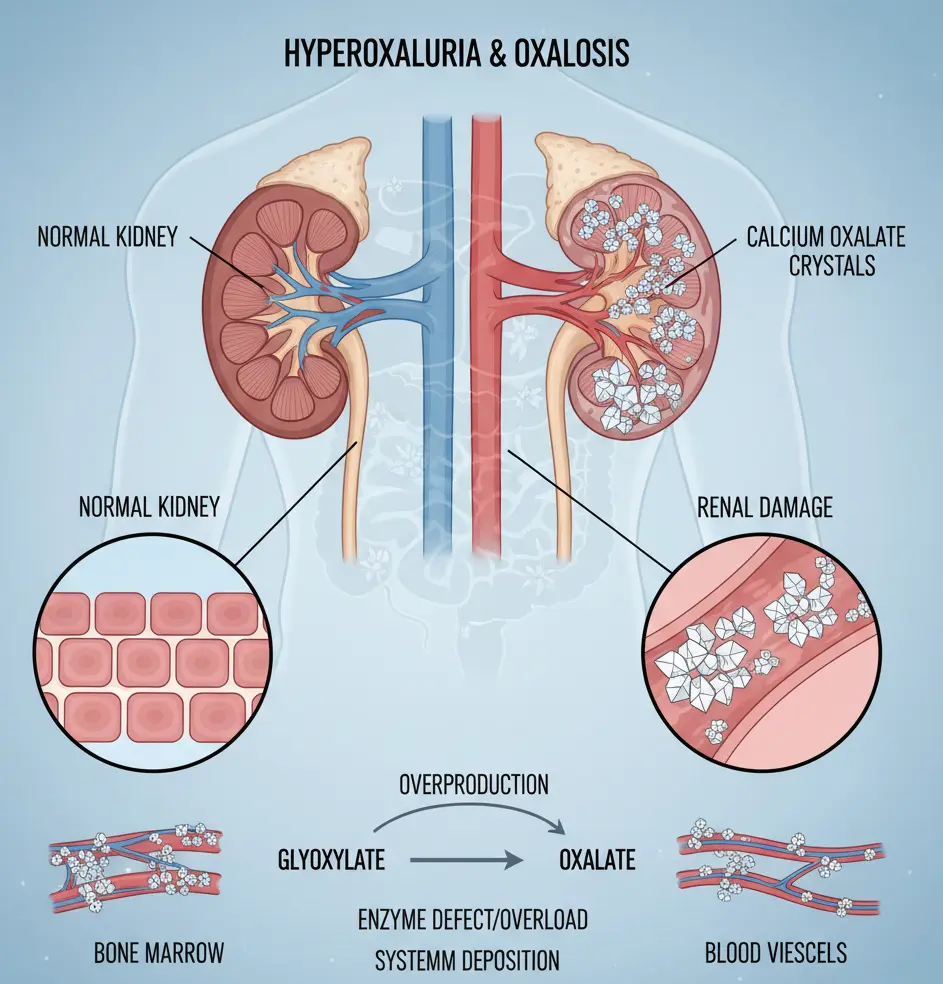
Hyperoxaluria is a rare condition in which the body produces too much oxalate or cannot properly eliminate it through the kidneys. Oxalate is a natural substance found in certain foods and is also produced by the liver. Excess oxalate combines with calcium to form crystals, which can build up in the kidneys and other organs. Oxalosis is a severe complication …
Hyperglycemia in Diabetes
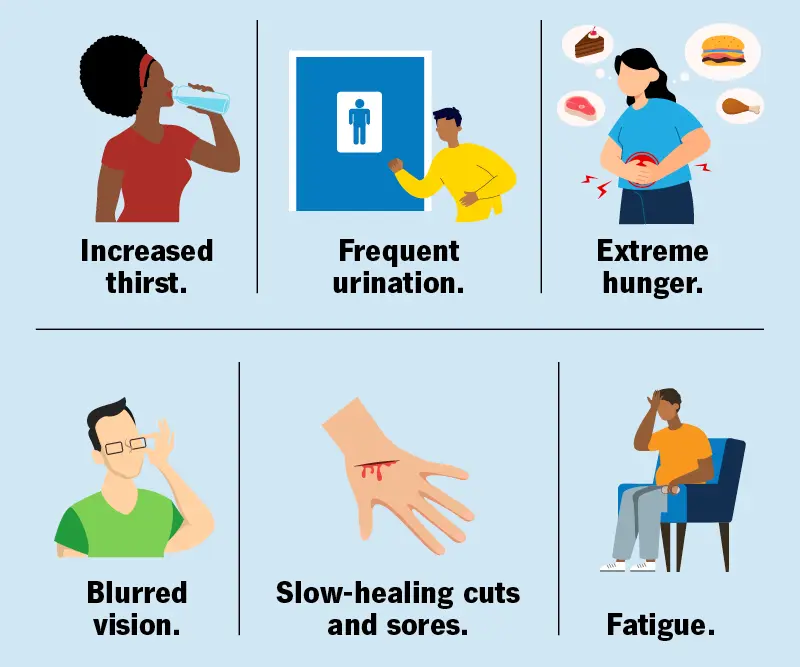
Hyperglycemia in diabetes refers to high levels of glucose, or sugar, in the blood. It occurs when the body has too little insulin, cannot use insulin properly, or both. Insulin is a hormone that helps move glucose from the bloodstream into the body’s cells for energy. When this process does not work correctly, glucose builds up in the blood. Hyperglycemia …
Hypereosinophilic Syndrome
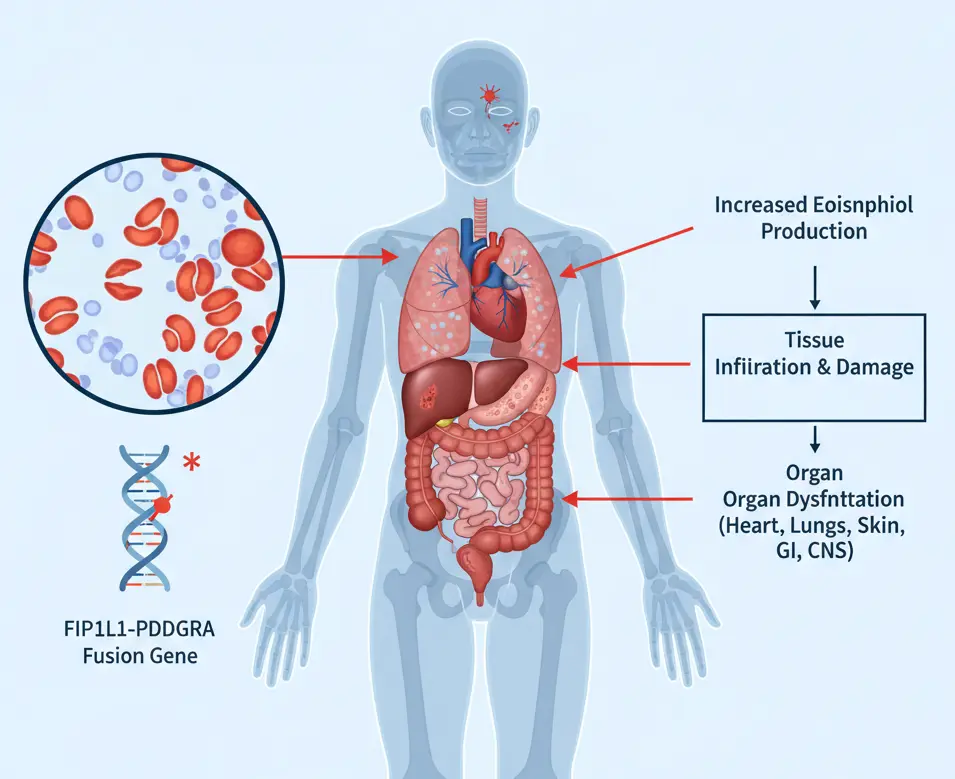
Hypereosinophilic syndrome is a rare group of disorders characterized by persistently high levels of eosinophils, a type of white blood cell, in the blood or tissues. Eosinophils play a role in immune responses, especially in allergies and parasitic infections. When their levels remain abnormally high for a long time, they can cause inflammation and damage to organs. Hypereosinophilic syndrome is …
High Cholesterol
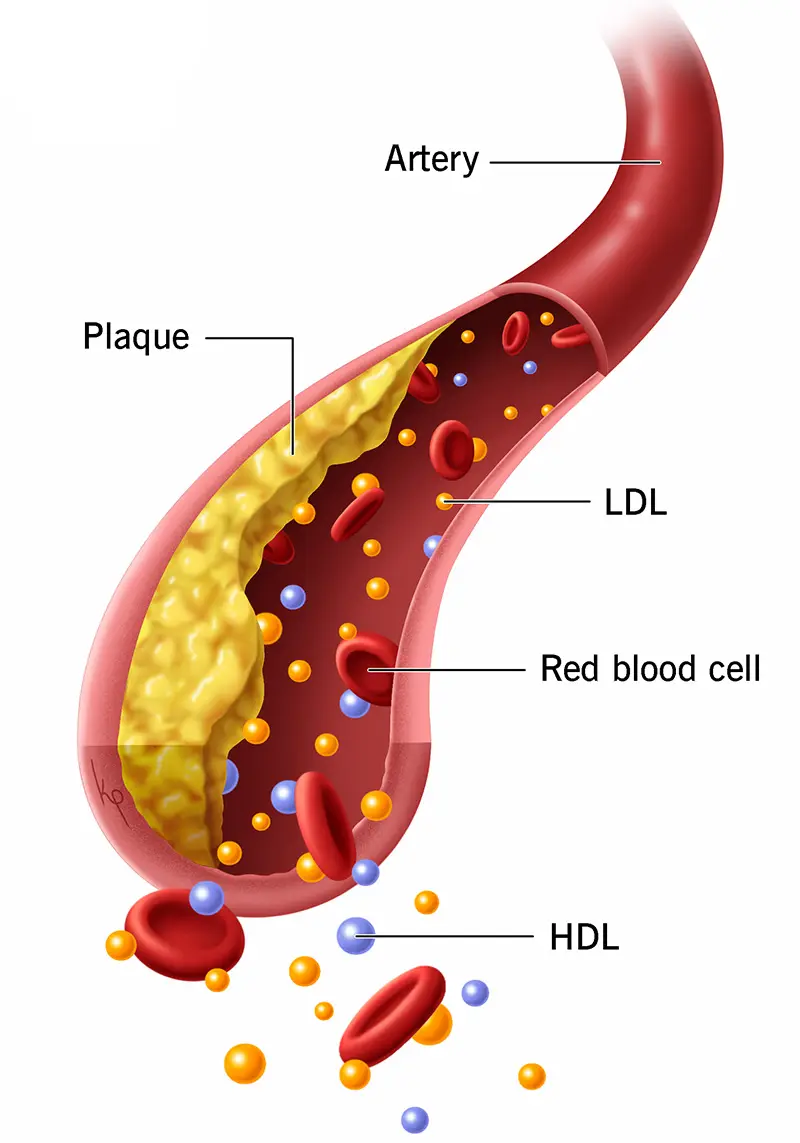
High Cholesterol is a condition in which there are elevated levels of cholesterol in the blood. Cholesterol is a waxy, fat-like substance that is essential for building healthy cells, producing hormones, and supporting digestion. However, when cholesterol levels become too high, it can increase the risk of heart disease and stroke. Cholesterol travels through the bloodstream in two main forms: …
Hypercalcemia
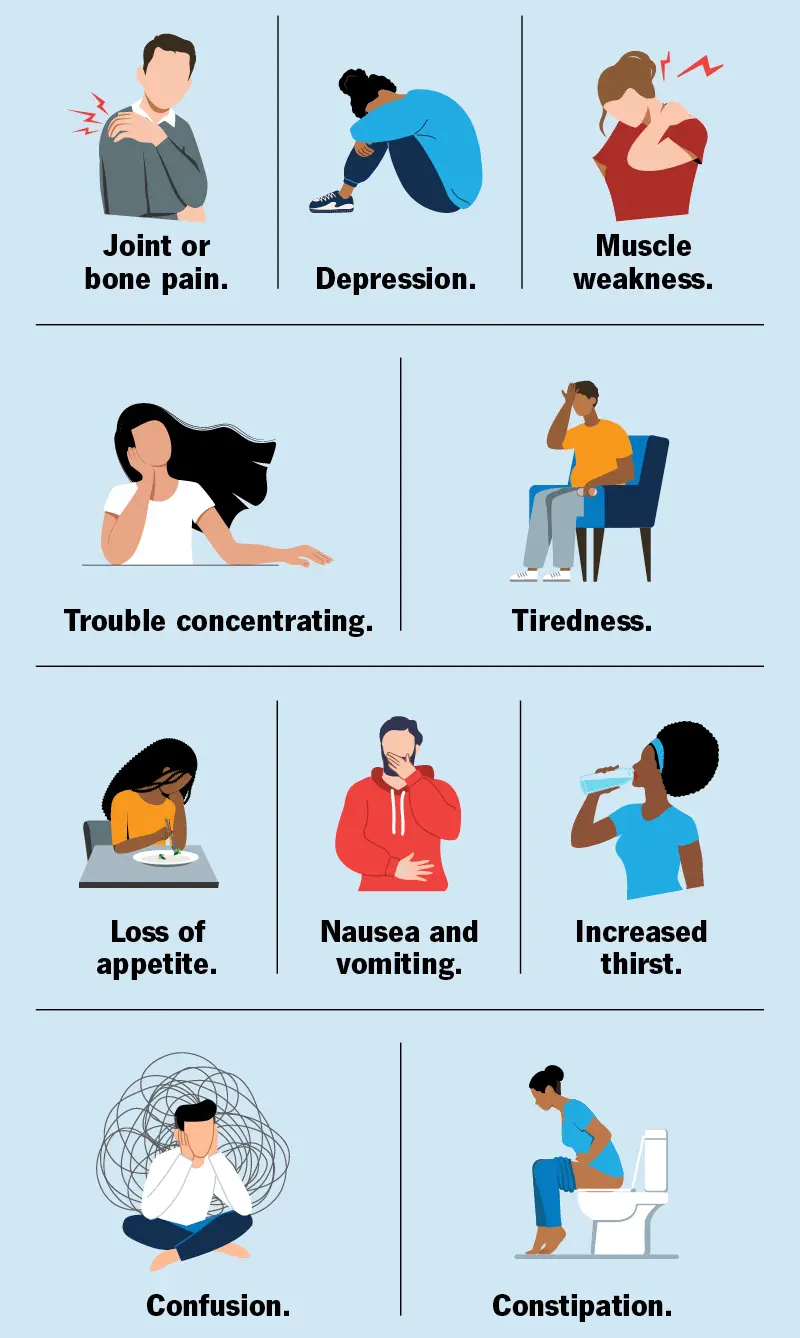
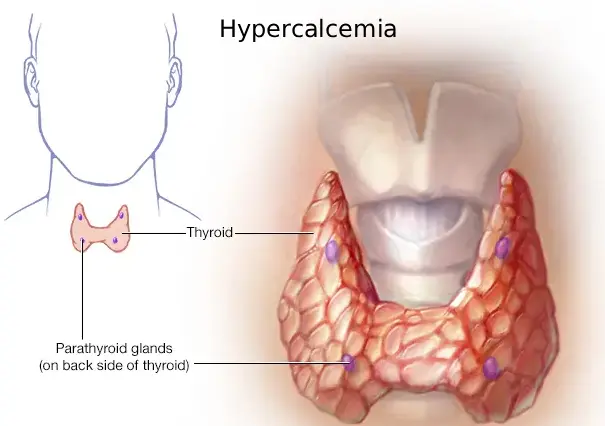
Hypercalcemia is a condition in which the level of calcium in the blood is higher than normal. Calcium is essential for strong bones, muscle movement, nerve signaling, and proper heart function. When calcium levels become too high, it can interfere with these normal body processes. Hypercalcemia can range from mild to severe. Mild cases may not cause noticeable symptoms, while …
Hydronephrosis
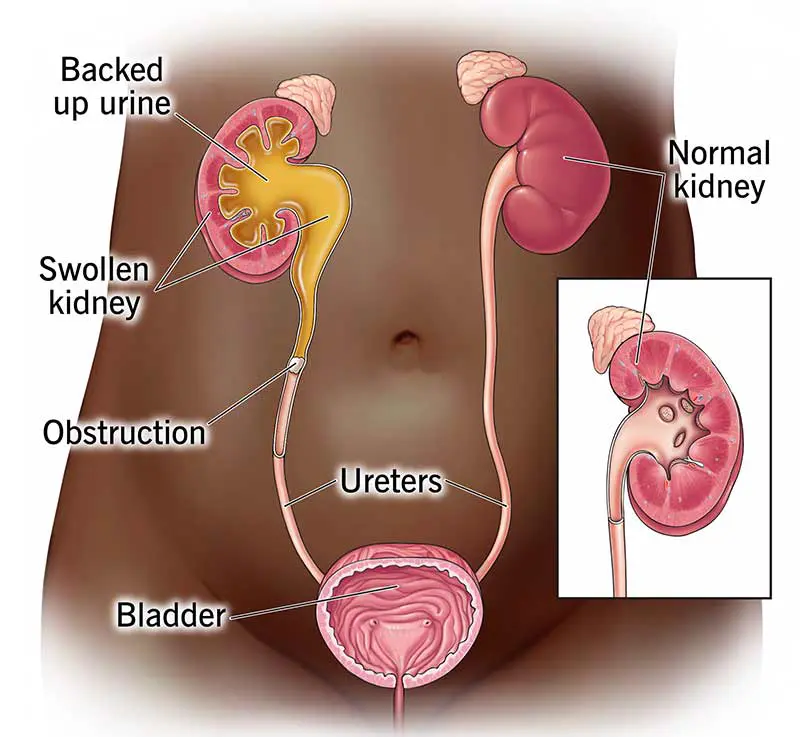
Hydronephrosis is a condition in which one or both kidneys become swollen due to a buildup of urine. This happens when urine cannot drain properly from the kidney to the bladder, causing pressure to increase inside the kidney. Over time, this pressure can damage kidney tissues and reduce kidney function. Hydronephrosis can affect people of all ages, including infants, children, …
Hydrocephalus
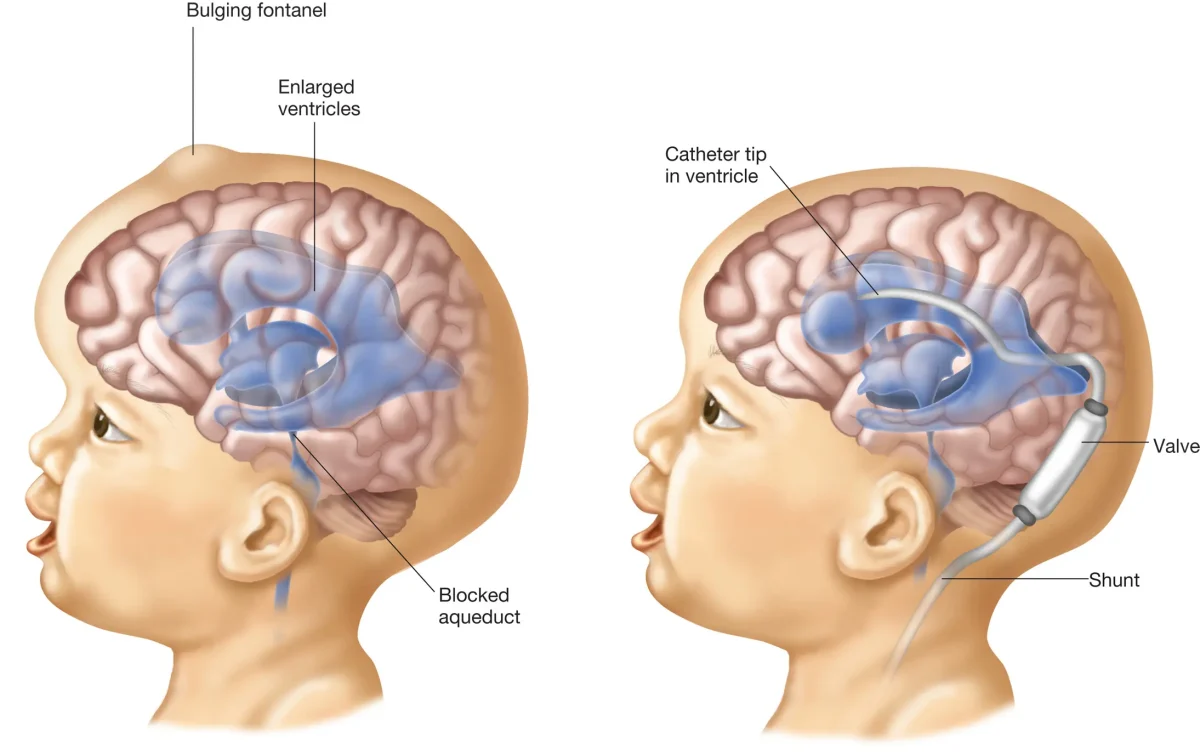
Hydrocephalus is a condition in which excess cerebrospinal fluid builds up within the cavities, called ventricles, of the brain. This buildup increases pressure inside the skull and can damage brain tissues. Cerebrospinal fluid normally flows through the brain and spinal cord, cushioning and protecting them, but problems with its flow, absorption, or production can lead to hydrocephalus. Hydrocephalus can occur …
Hydrocele
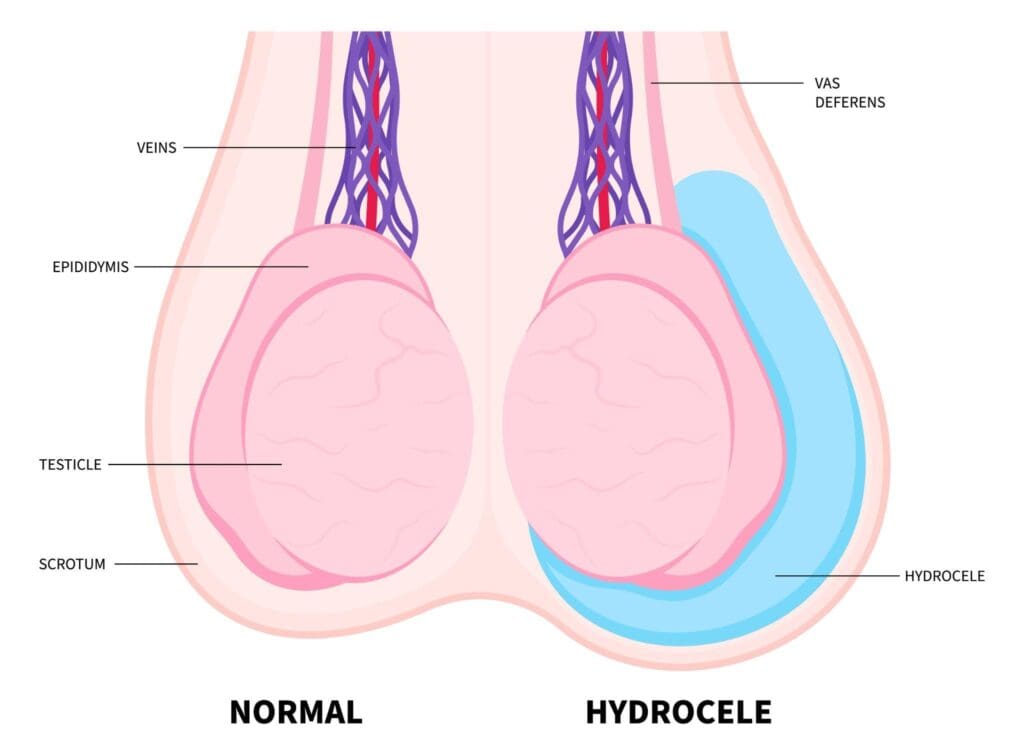
A hydrocele (HI-dra-seel) is a fluid-filled sac in your scrotum that causes swelling. Your scrotum is the pouch of skin behind your penis that holds your testes (testicles). A hydrocele may affect one side of your scrotum or both sides. Another name for hydroceles around both of your testicles is a bilateral hydrocele. Hydroceles can affect anyone assigned male at birth …