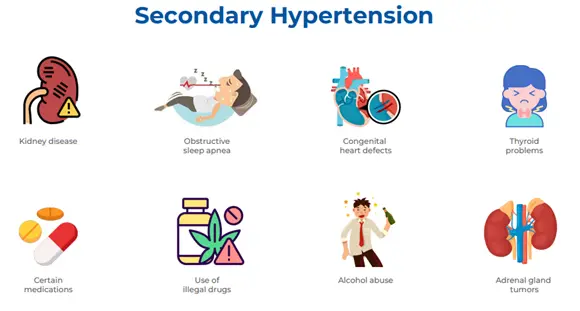
Secondary hypertension is high blood pressure caused by an identifiable underlying medical condition or medication. Unlike primary hypertension, which develops gradually without a clear cause, secondary hypertension results from specific problems that affect the kidneys, hormones, blood vessels, or other body systems. This type of hypertension may appear suddenly, be more severe, or be difficult to control with standard blood …
High Blood Pressure in Children
Overview High Blood Pressure in Children, also known as pediatric hypertension, is a condition in which a child’s blood pressure is consistently higher than normal for their age, sex, and height. Although commonly associated with adults, hypertension can affect infants, children, and adolescents. Blood pressure in children is interpreted differently than in adults. Instead of fixed numbers, healthcare providers compare …
High Blood Pressure (Hypertension)
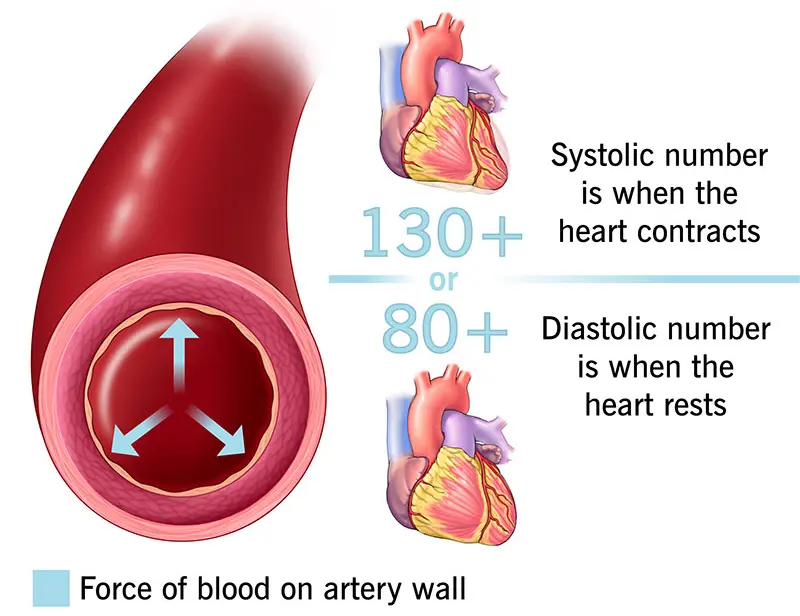
High Blood Pressure, also known as Hypertension, is a common medical condition in which the force of blood against the walls of the arteries remains consistently too high. Over time, this increased pressure can damage blood vessels and vital organs, including the heart, brain, kidneys, and eyes. Blood pressure is measured using two numbers: Systolic pressure: the top number, representing …
Hiccups
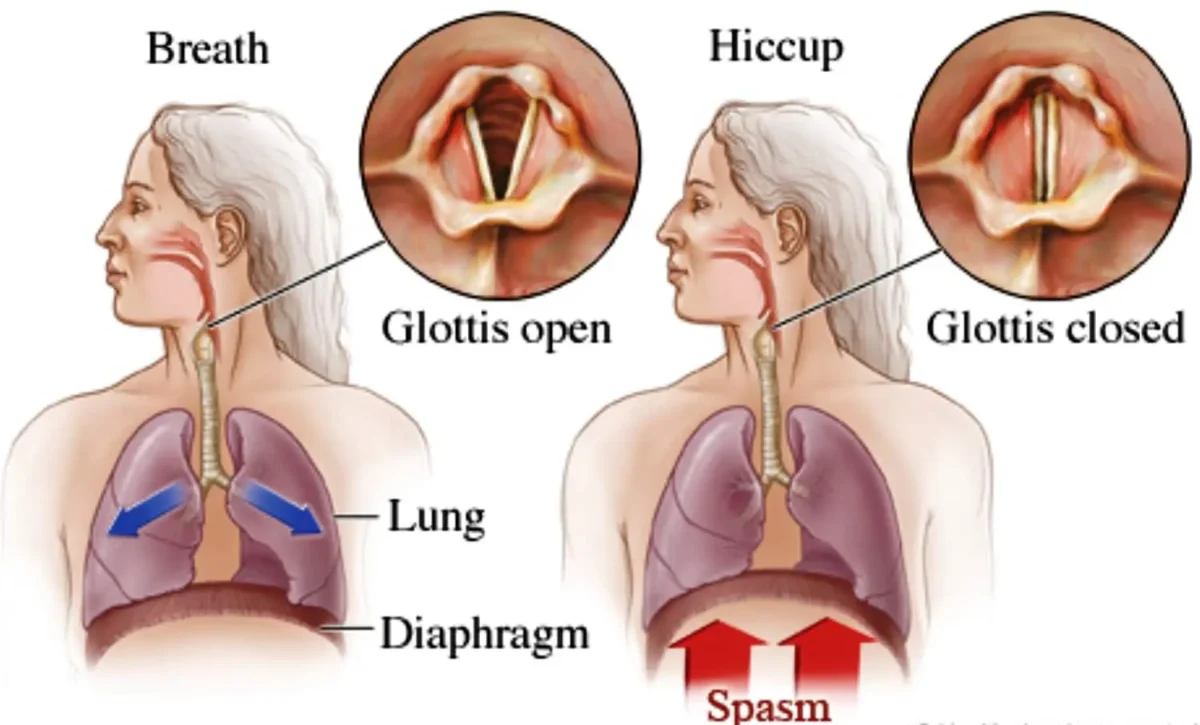
Hiccups are sudden, involuntary contractions of the diaphragm, the muscle that separates the chest from the abdomen and plays a key role in breathing. Each contraction is followed by a quick closure of the vocal cords, producing the characteristic “hic” sound. Most hiccups are harmless and last only a few minutes. However, persistent hiccups that last more than 48 hours …
Ramsay Hunt Syndrome
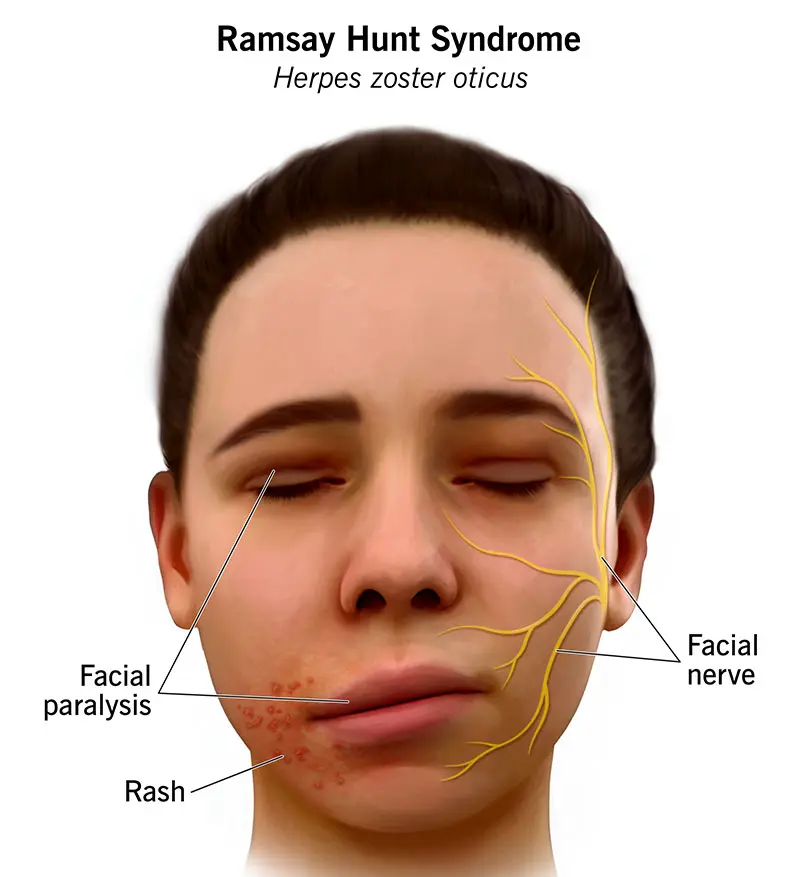
Ramsay Hunt syndrome is a neurological disorder caused by reactivation of the varicella-zoster virus, the same virus responsible for chickenpox and shingles. It occurs when the virus reactivates in the facial nerve near the inner ear. The condition leads to facial paralysis and a painful rash involving the ear, face, or mouth. Ramsay Hunt syndrome is generally more severe than …
Shingles
Shingles is a painful viral infection that causes a distinctive rash and nerve pain. It occurs when the varicella-zoster virus, which causes chickenpox, becomes active again after lying dormant in the body for years. Shingles usually affects one side of the body or face and is more common in older adults and people with weakened immune systems. Early treatment can …
Herniated Disk
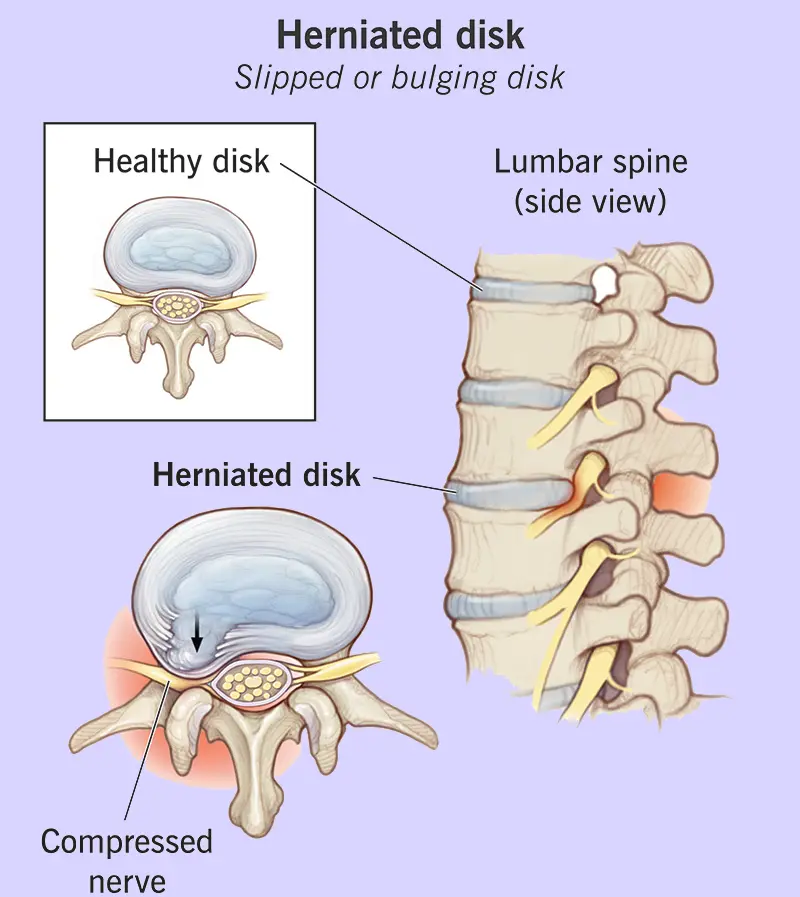
A herniated disk is a condition in which the soft, gel-like center of a spinal disk pushes through a tear in the tougher outer layer. Spinal disks act as cushions between the bones of the spine and help absorb shock during movement. A herniated disk is sometimes called a slipped disk or ruptured disk. This condition most often affects the …
Umbilical Hernia
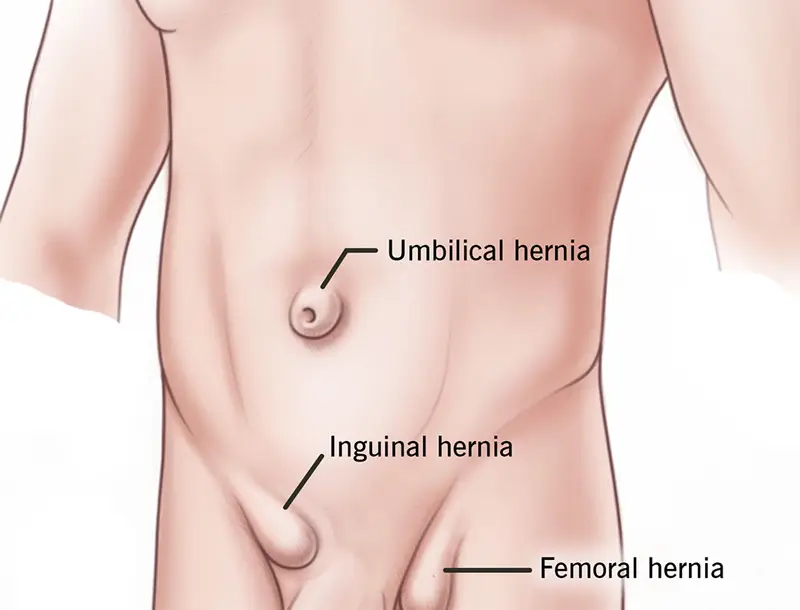
An umbilical hernia occurs when part of the intestine or fatty tissue pushes through a weak spot in the abdominal muscles near the belly button (umbilicus). It is common in infants and usually harmless, often closing on its own within the first few years of life. Umbilical hernias can also occur in adults, where they are more likely to cause …
Inguinal Hernia
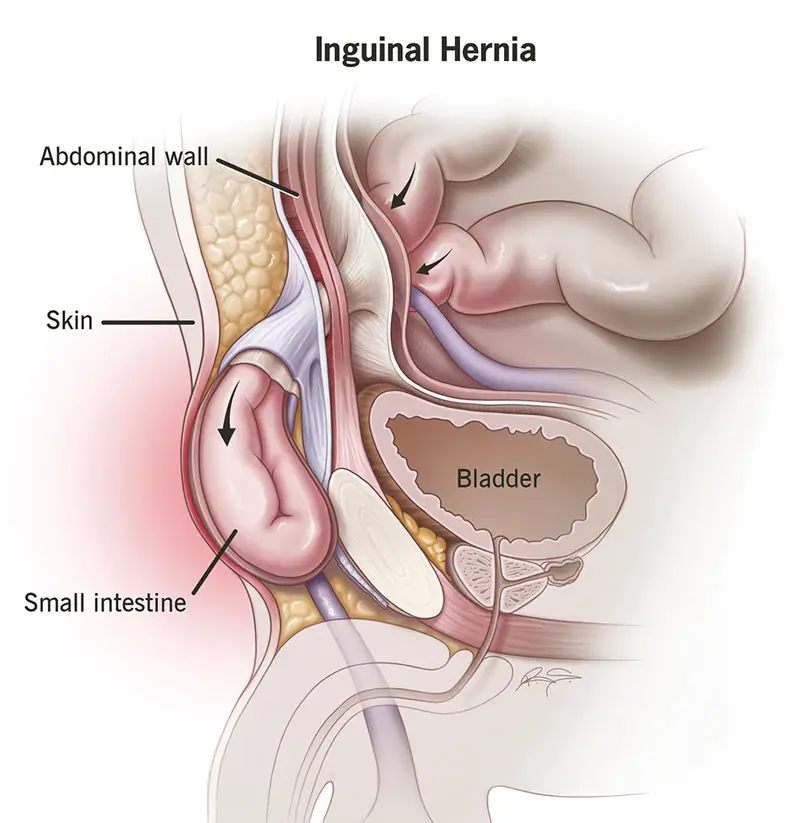
An inguinal hernia occurs when tissue, such as part of the intestine, pushes through a weak area in the abdominal muscles near the groin. It is one of the most common types of hernia and can affect both men and women, though it is more frequent in men. Inguinal hernias may be present at birth or develop over time and …
Hiatal Hernia
A hiatal hernia occurs when the top of your stomach pushes up through an opening in your diaphragm into your chest. Your diaphragm is the muscle barrier that separates your abdominal cavity from your chest cavity. A hernia is when any organ or tissue pushes through a weakness in the tissue barrier that normally contains it. Hernias are common, and hiatal hernias are among the most common …