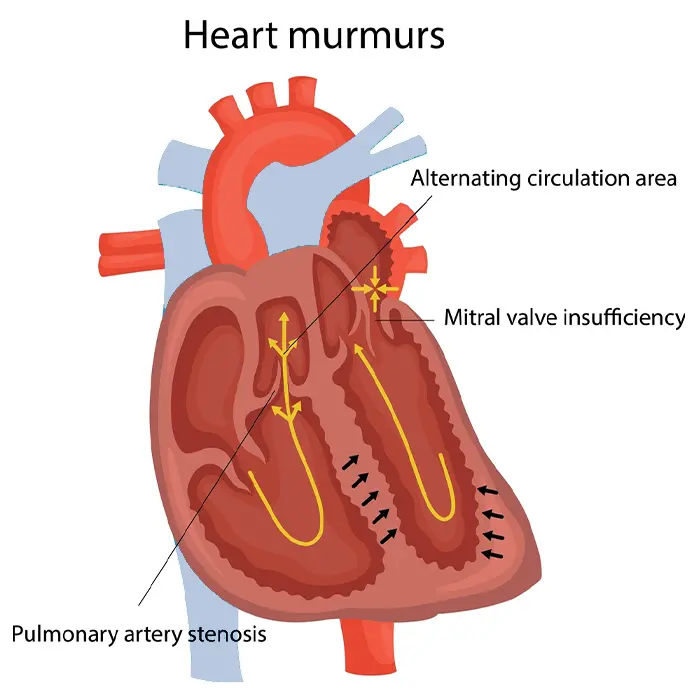
A heart murmur is an unusual sound heard during a heartbeat, often described as a whooshing or swishing noise. It is caused by turbulent blood flow within the heart or nearby blood vessels. Heart murmurs are usually detected during a physical examination using a stethoscope. Heart murmurs can be harmless, known as innocent or functional murmurs, and may occur in …
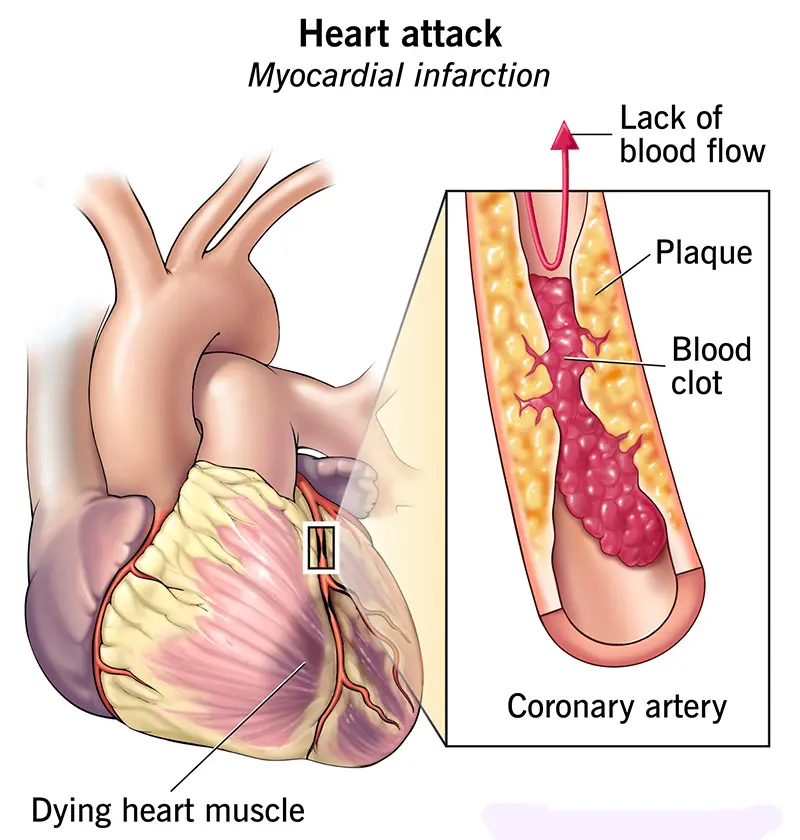
Heart Attack
A heart attack, also known as myocardial infarction, occurs when blood flow to a part of the heart muscle is blocked for a prolonged period. This blockage is usually caused by a buildup of fat, cholesterol, and other substances that form a plaque in the coronary arteries. When a plaque ruptures, a blood clot can form and completely obstruct blood …
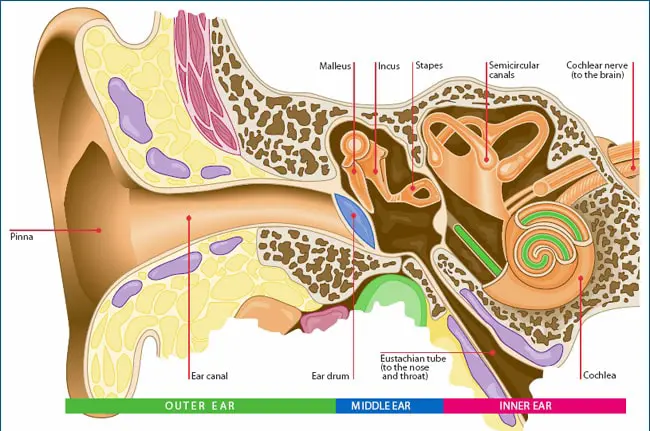
Hearing Loss
Hearing loss refers to a partial or complete inability to hear sounds in one or both ears. It can develop gradually over time or occur suddenly, depending on the underlying cause. Hearing loss affects people of all ages, from newborns to older adults, and can range from mild difficulty hearing soft sounds to total deafness. The condition may interfere with …
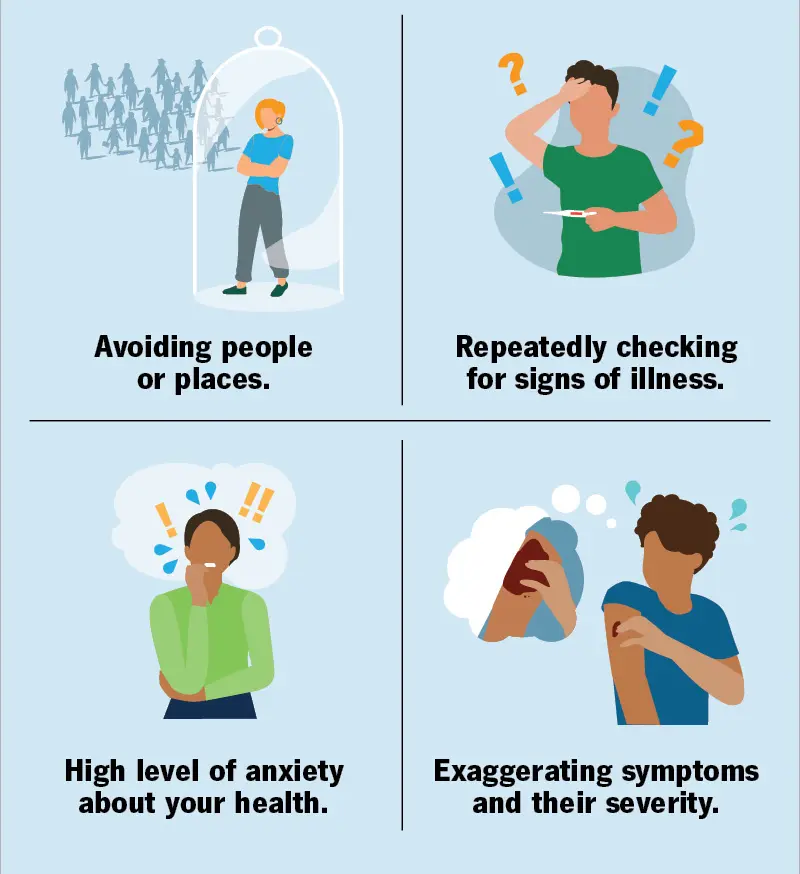
Illness Anxiety Disorder
Illness Anxiety Disorder (IAD), previously known as hypochondriasis, is a mental health condition characterized by excessive worry about having or developing a serious medical illness. People with IAD often misinterpret normal bodily sensations or minor symptoms as signs of a severe disease, leading to significant anxiety and distress. The condition can interfere with daily life, work, and relationships, even when …
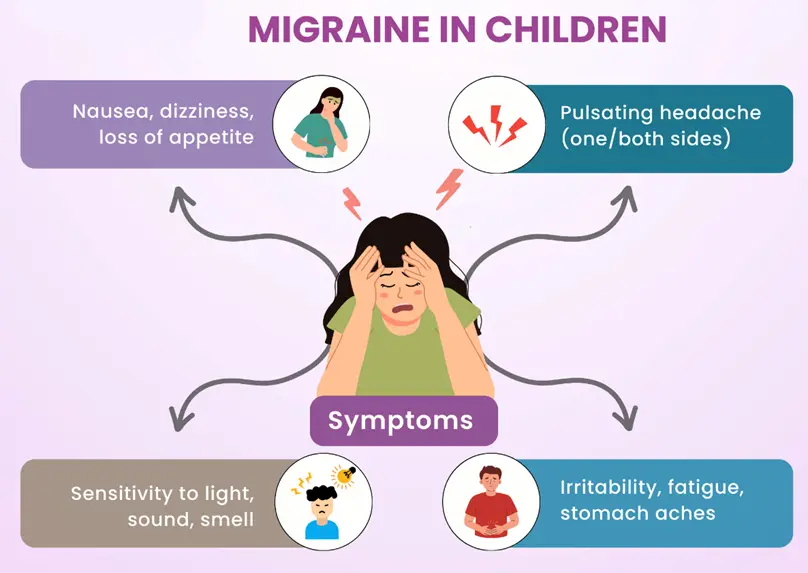
Headaches in Children
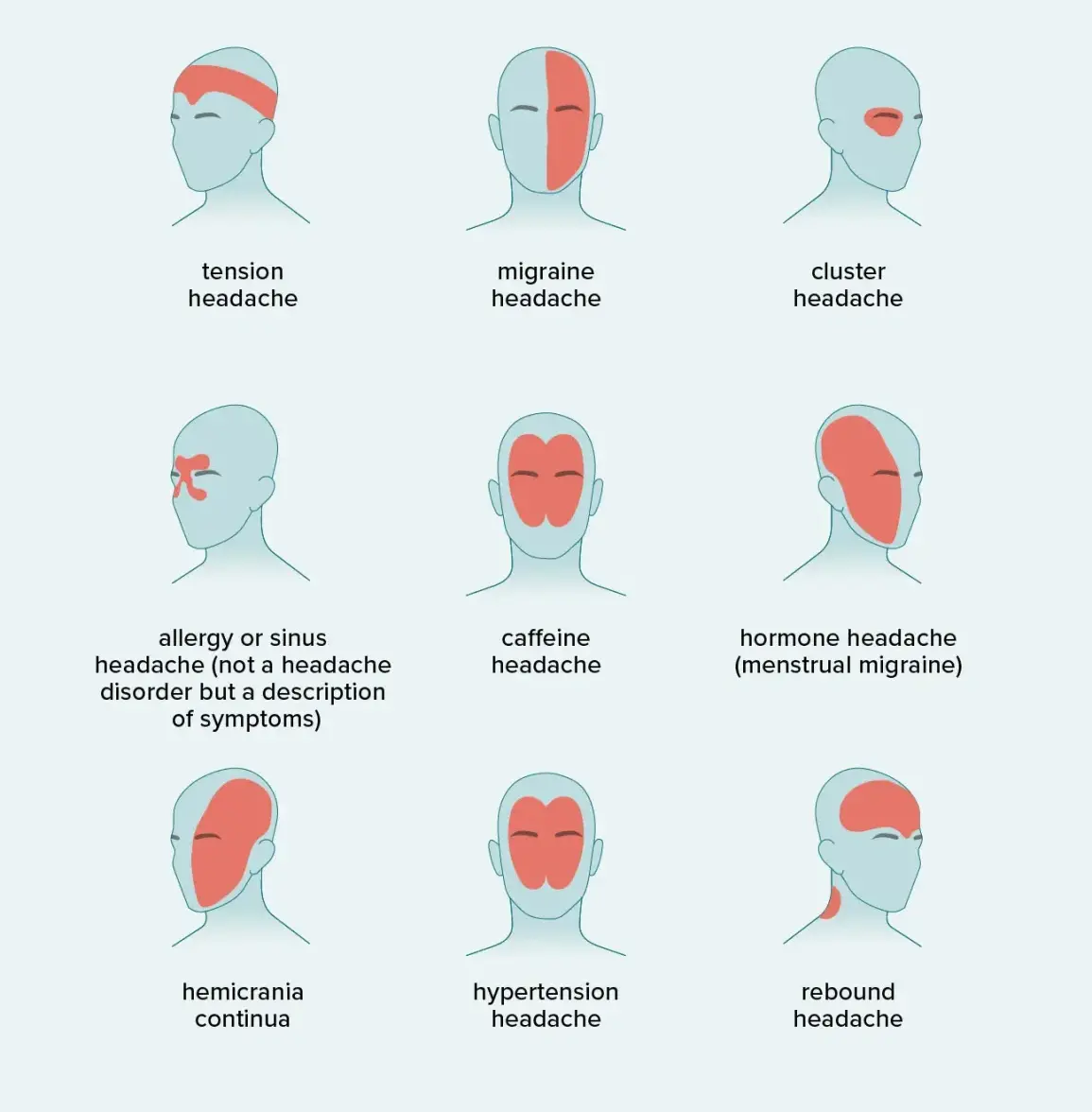
Headaches in children are common and usually not a sign of a serious medical condition. They can occur at any age, including early childhood, and may vary in frequency, intensity, and cause. Most childhood headaches are related to minor issues such as stress, fatigue, dehydration, or viral infections. In some cases, children may experience recurrent headaches, including migraines or tension-type …
Thunderclap Headaches
Thunderclap headaches are sudden and extremely severe headaches that reach maximum intensity within seconds to a minute. The pain is often described as the worst headache a person has ever experienced. Because of their sudden onset and intensity, thunderclap headaches can signal a serious underlying medical condition and require immediate medical evaluation. These headaches may occur on their own or …
Tension Headache
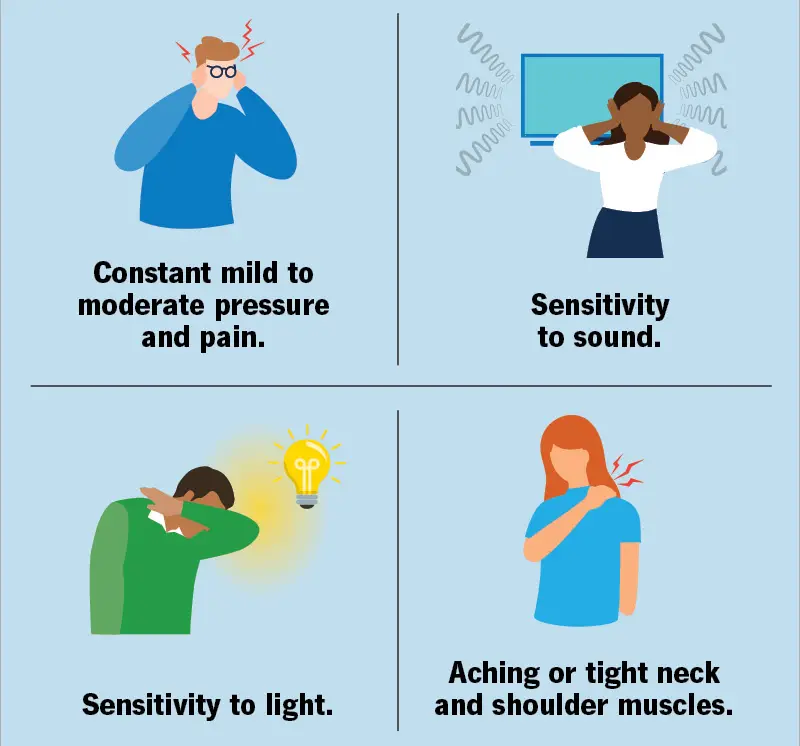
Tension headache is the most common type of headache and is often described as a constant, mild to moderate pain that feels like a tight band around the head. The discomfort usually affects both sides of the head and may extend to the neck and shoulders. Unlike migraines, tension headaches typically do not cause nausea or severe sensitivity to light …
Spinal Headaches
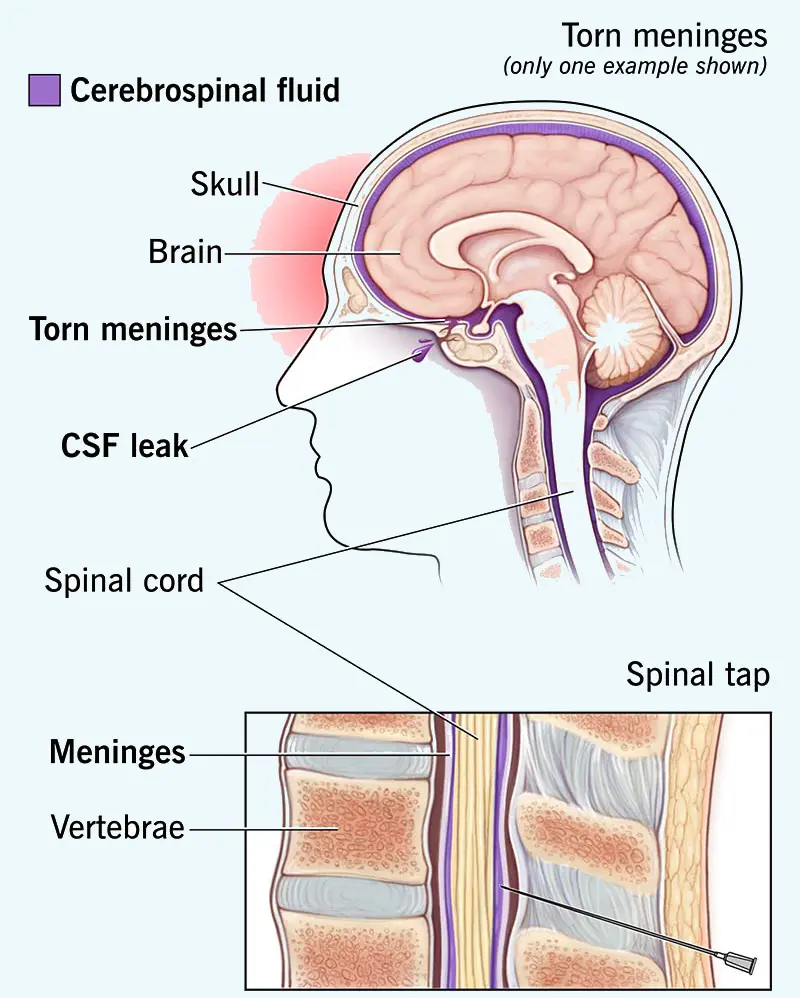
Spinal headaches, also known as post-dural puncture headaches, occur when cerebrospinal fluid leaks from the area surrounding the spinal cord after a spinal procedure. This fluid loss lowers pressure around the brain and spinal cord, leading to a characteristic headache. Spinal headaches commonly develop after spinal anesthesia, lumbar puncture, or epidural injections and usually appear within a few days of …
Sinus Headaches
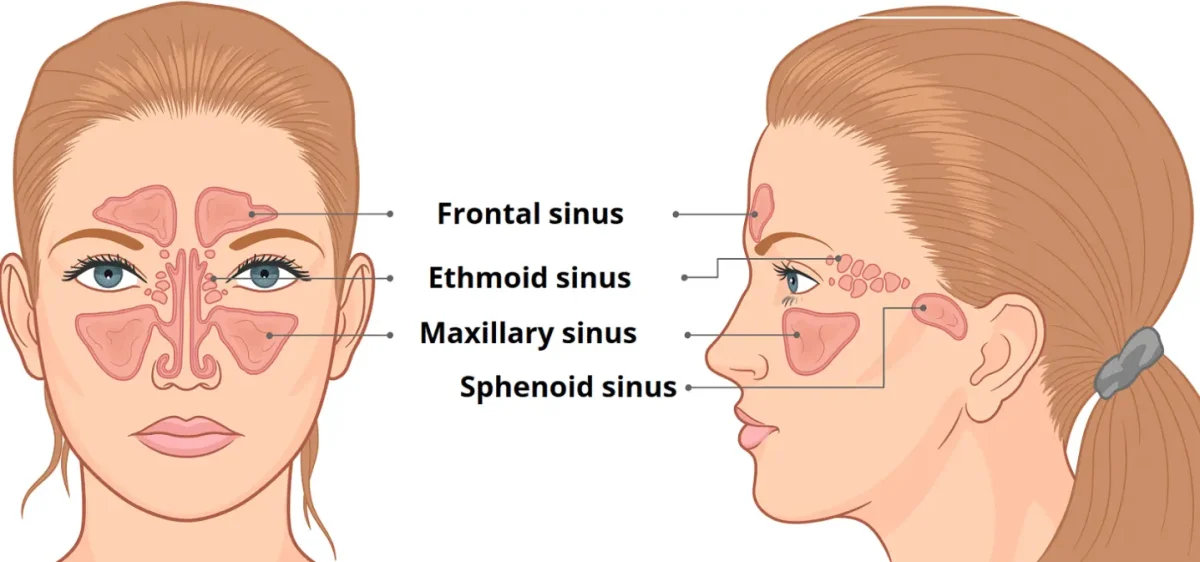
Sinus headaches are headaches caused by inflammation or congestion in the sinuses, which are air-filled spaces around the nose and eyes. They are often associated with sinus infections, allergies, or colds that block normal sinus drainage. The pressure buildup in the sinuses leads to pain and discomfort, typically felt in the face and head. Sinus headaches are commonly mistaken for …
Sex Headaches
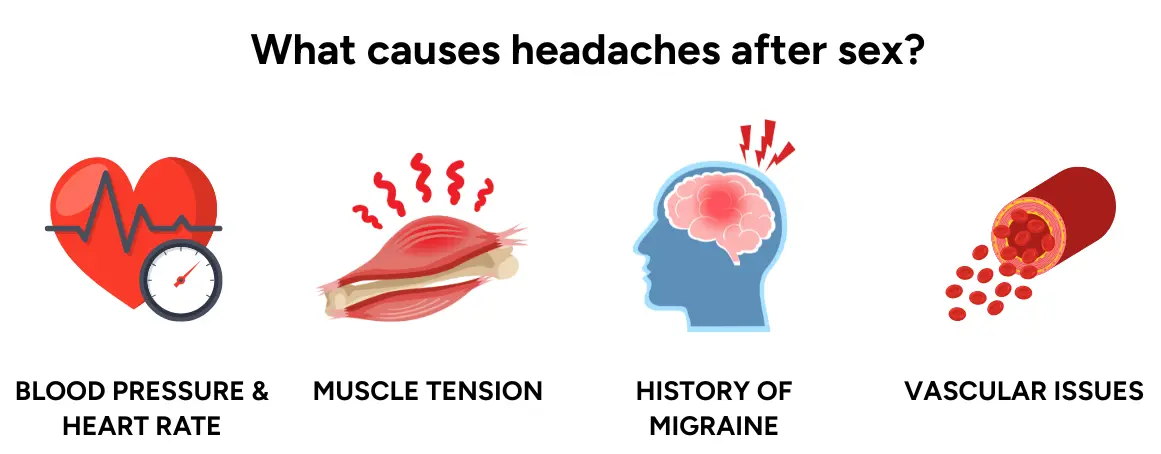
Sex headaches are sudden headaches that occur in connection with sexual activity. They may begin as a dull ache that builds with sexual excitement or appear abruptly as a severe headache at the time of orgasm. While many sex headaches are harmless, some can be intense and alarming. Because similar symptoms can be associated with serious conditions, proper medical evaluation …