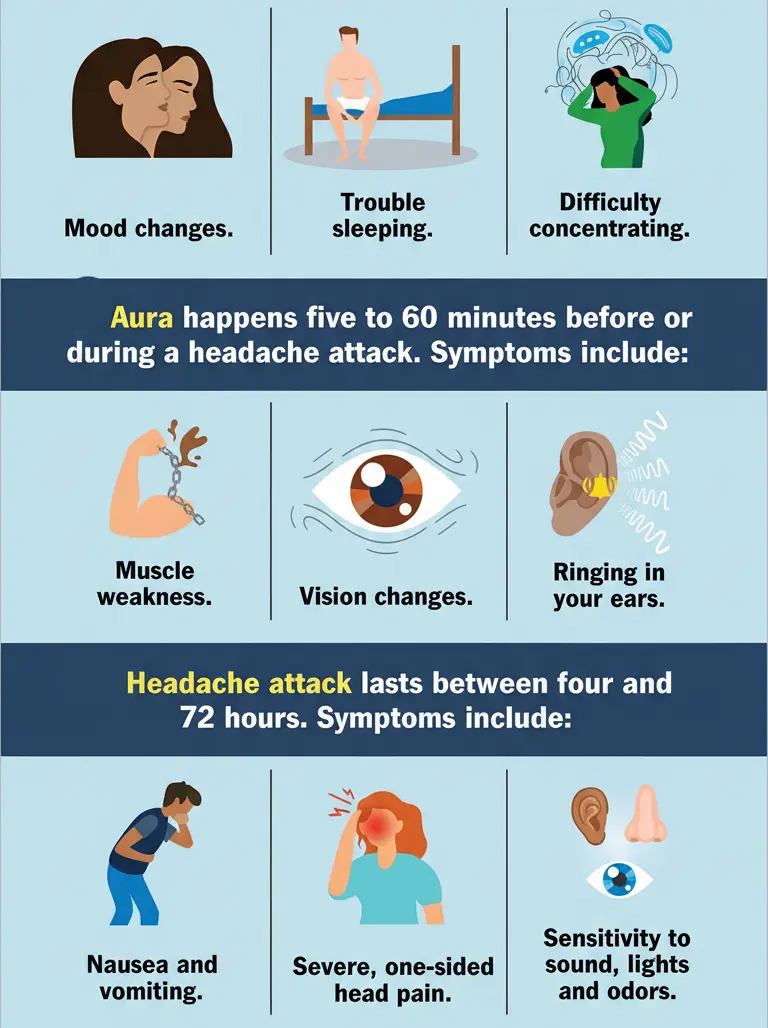
Migraine is a neurological condition characterized by recurring episodes of moderate to severe headache, often accompanied by other symptoms such as nausea and sensitivity to light or sound. Migraine headaches typically affect one side of the head and can last from a few hours to several days. Migraine is more than just a headache. It is a complex disorder involving …
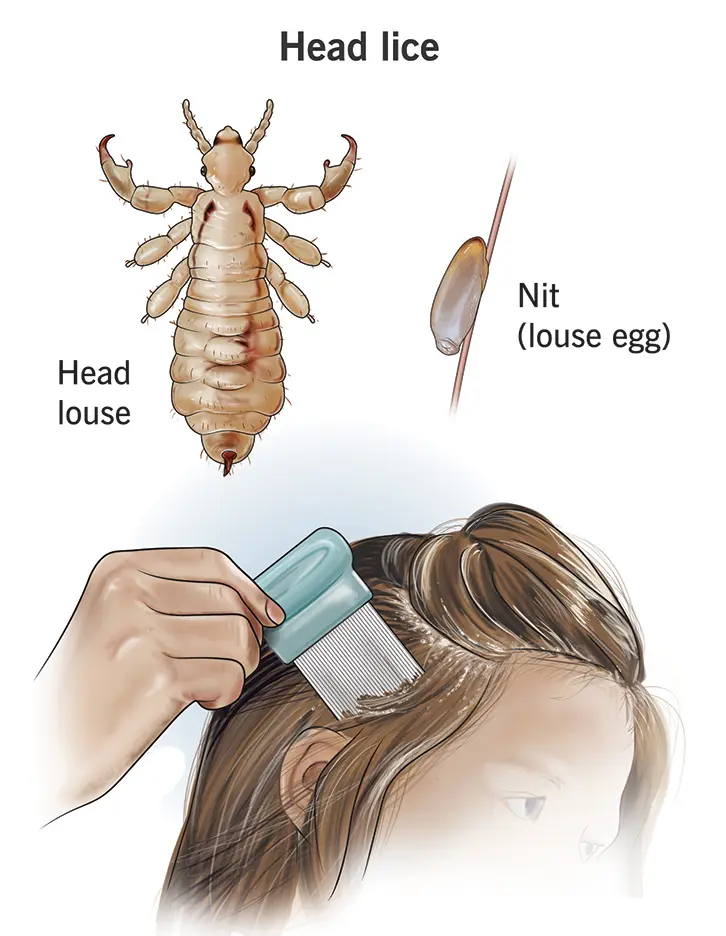
Head Lice
Head lice are tiny, wingless insects that live on the scalp and feed on small amounts of blood. They are most commonly found in children, especially those of school-going age, but anyone can get head lice. The condition is not related to poor hygiene and can affect people of all backgrounds. Head lice spread easily through close head-to-head contact and, …
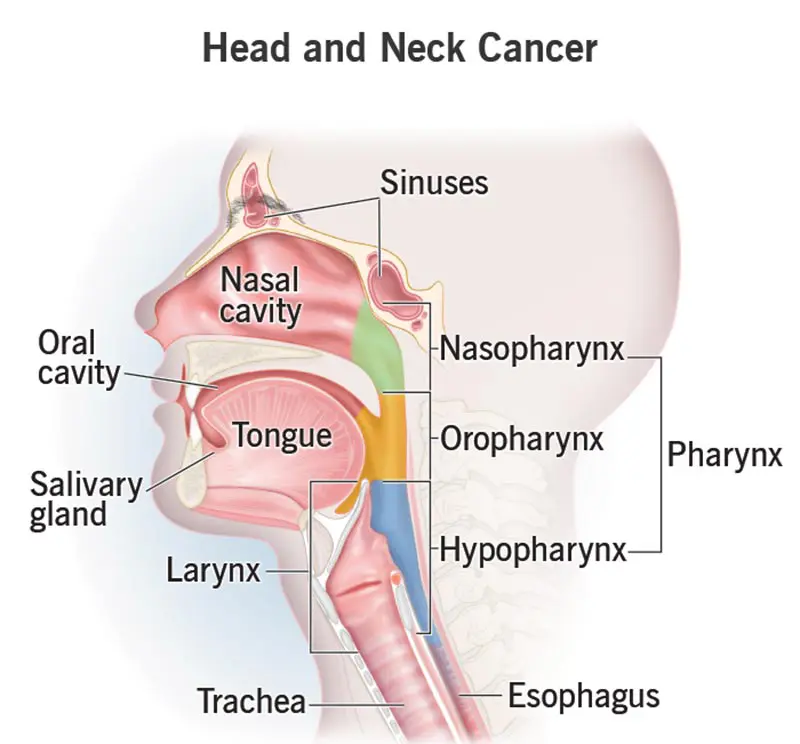
Head and Neck Cancers
Head and neck cancers are a group of cancers that develop in the tissues of the head and neck region. These cancers most commonly begin in the squamous cells that line the moist surfaces inside the mouth, throat, and voice box. Areas affected may include the lips, mouth, nasal cavity, sinuses, throat, salivary glands, and larynx. Head and neck cancers …
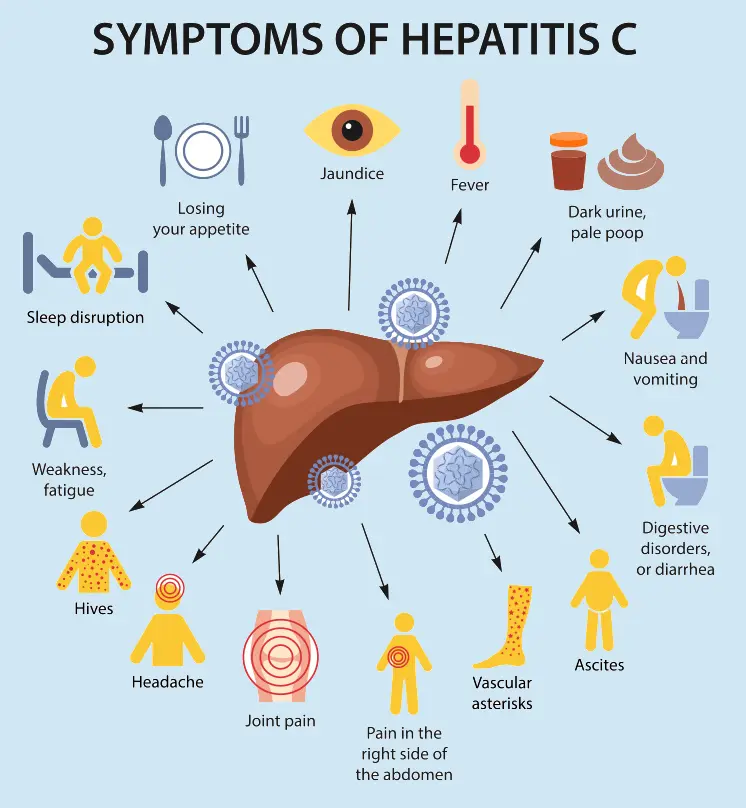
Hepatitis C
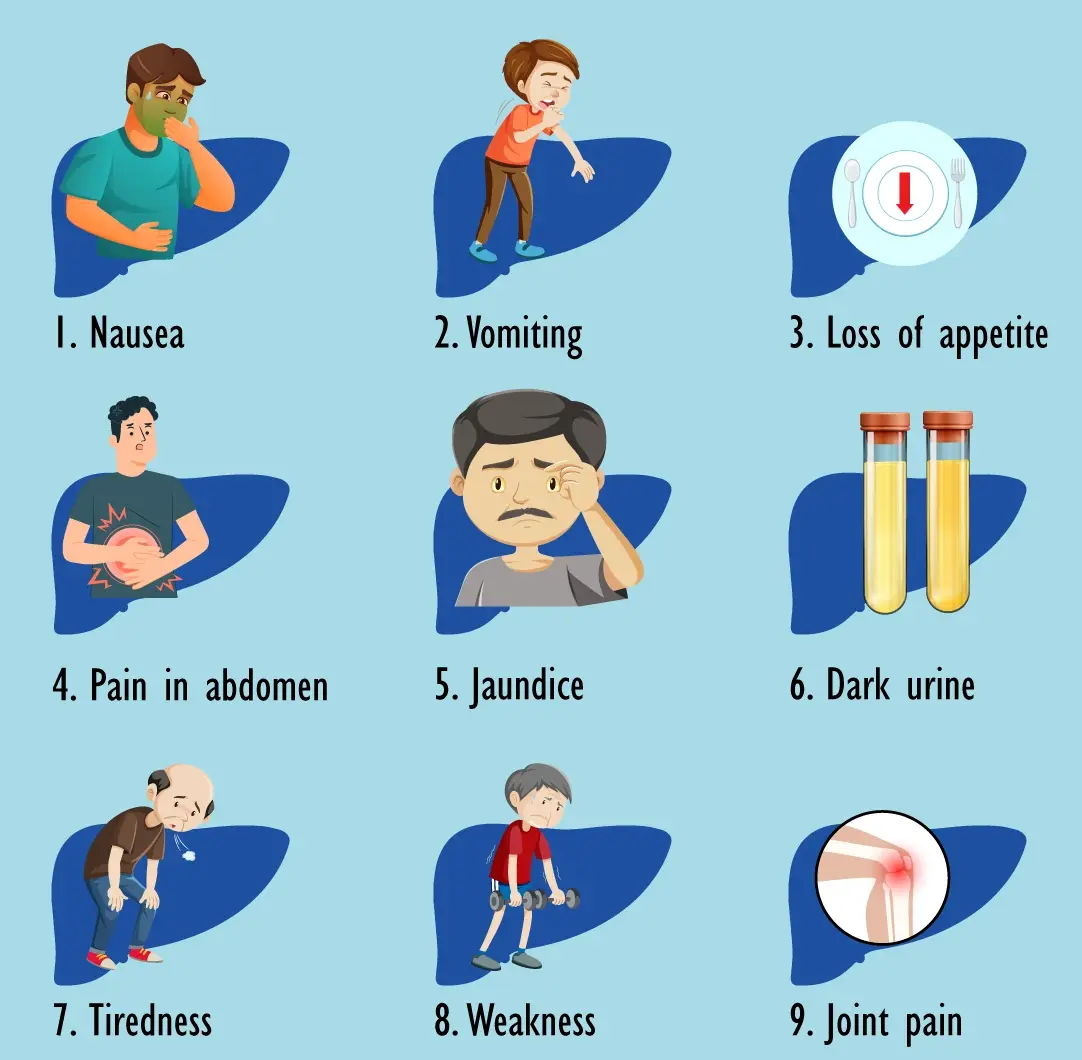
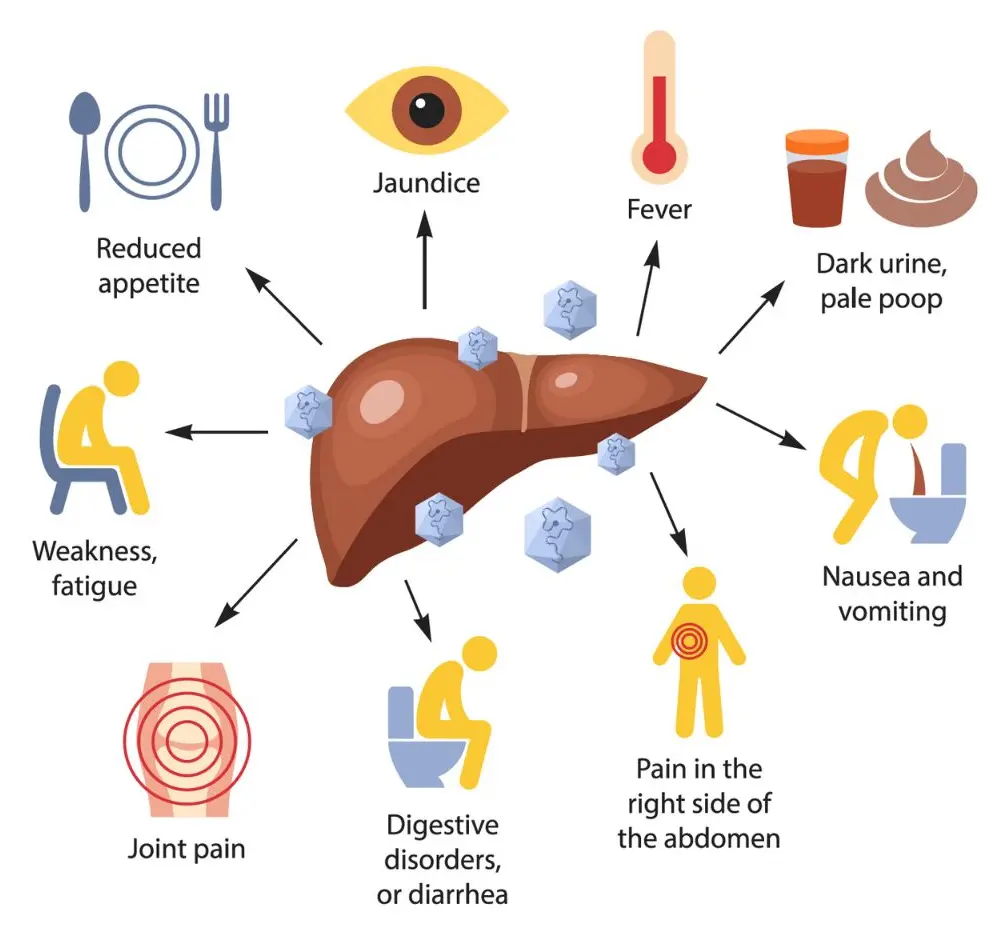
Hepatitis C is a viral infection that primarily affects the liver. It is caused by the hepatitis C virus and can lead to inflammation and damage of liver tissue. Many people with hepatitis C are unaware they are infected because symptoms may not appear for years. The infection can be short-term or become chronic. Chronic hepatitis C can result in …
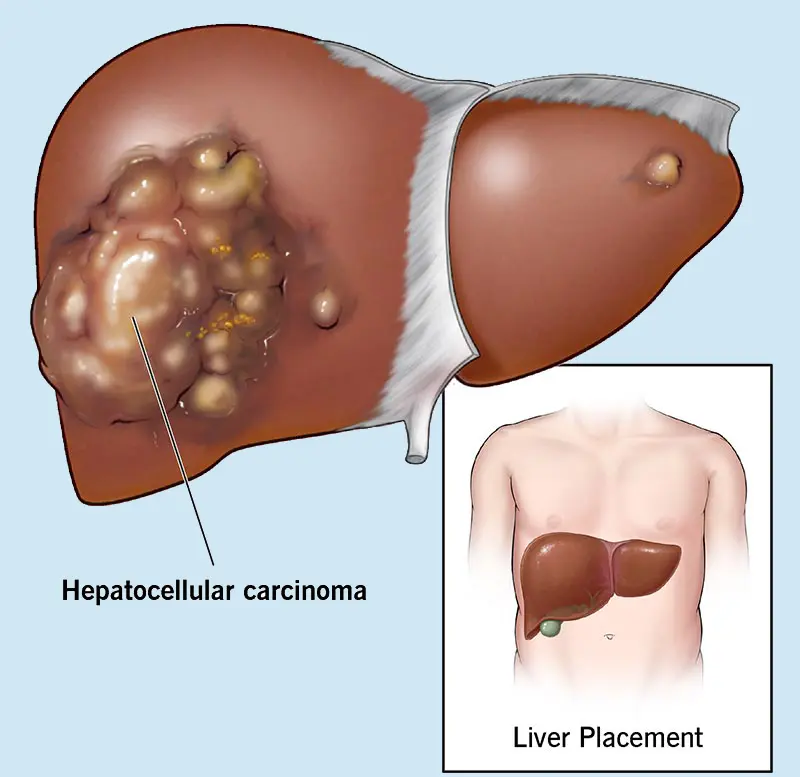
Hepatocellular Carcinoma
Hepatocellular carcinoma is the most common type of primary liver cancer. It begins in the main cells of the liver, called hepatocytes. This cancer often develops in people who already have long-term liver disease, such as cirrhosis caused by chronic hepatitis or heavy alcohol use. Hepatocellular carcinoma usually grows slowly at first and may not cause noticeable symptoms in its …
Hepatitis B
Hepatitis B is a serious liver infection caused by the hepatitis B virus. The virus attacks the liver and can cause both acute and chronic disease. Some people clear the virus on their own, while others develop long-term infection that may lead to severe liver damage. Hepatitis B spreads through contact with infected blood or certain body fluids. Chronic hepatitis …
Hepatitis A
Hepatitis A is a contagious liver infection caused by the hepatitis A virus. The virus leads to inflammation of the liver, which can affect how well the liver works. Hepatitis A is usually spread through close contact with an infected person or by consuming contaminated food or water. Unlike other types of hepatitis, hepatitis A does not cause long-term liver …
Hantavirus Pulmonary Syndrome
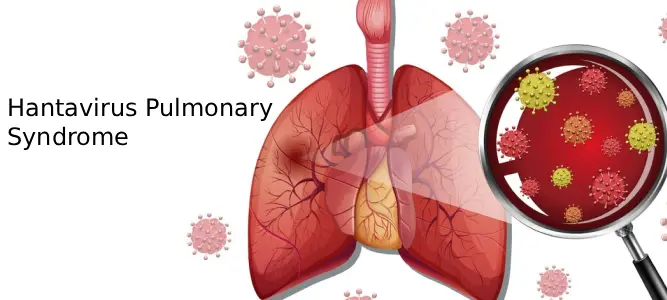
Hantavirus pulmonary syndrome is a rare but severe viral illness that primarily affects the lungs and can be life-threatening. It is caused by infection with hantaviruses, which are carried by certain rodents. Humans become infected through contact with rodent urine, droppings, or saliva, especially when these materials become airborne. The disease progresses rapidly and requires immediate medical attention. Symptoms Symptoms …
Hangovers
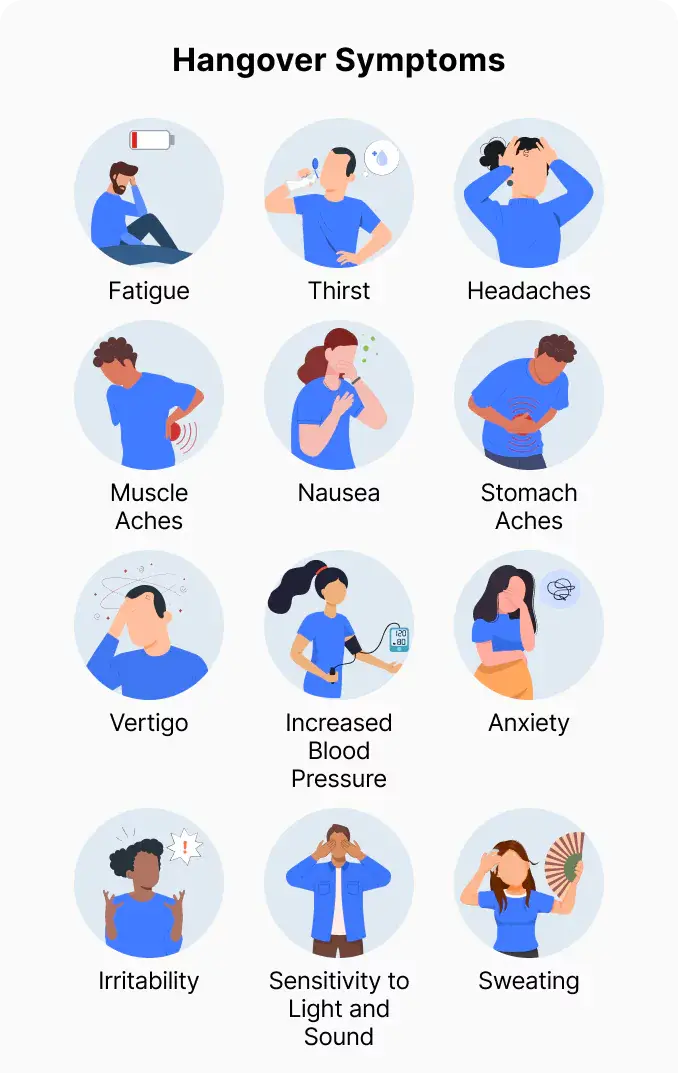
A hangover is a collection of unpleasant physical and mental symptoms that occur after consuming excessive amounts of alcohol. It typically develops as blood alcohol levels return to zero and can affect overall well-being, daily functioning, and productivity. Hangovers vary in severity depending on the amount of alcohol consumed, individual tolerance, hydration status, and general health. Symptoms Hangover symptoms usually …
Hand-Foot-and-Mouth Disease
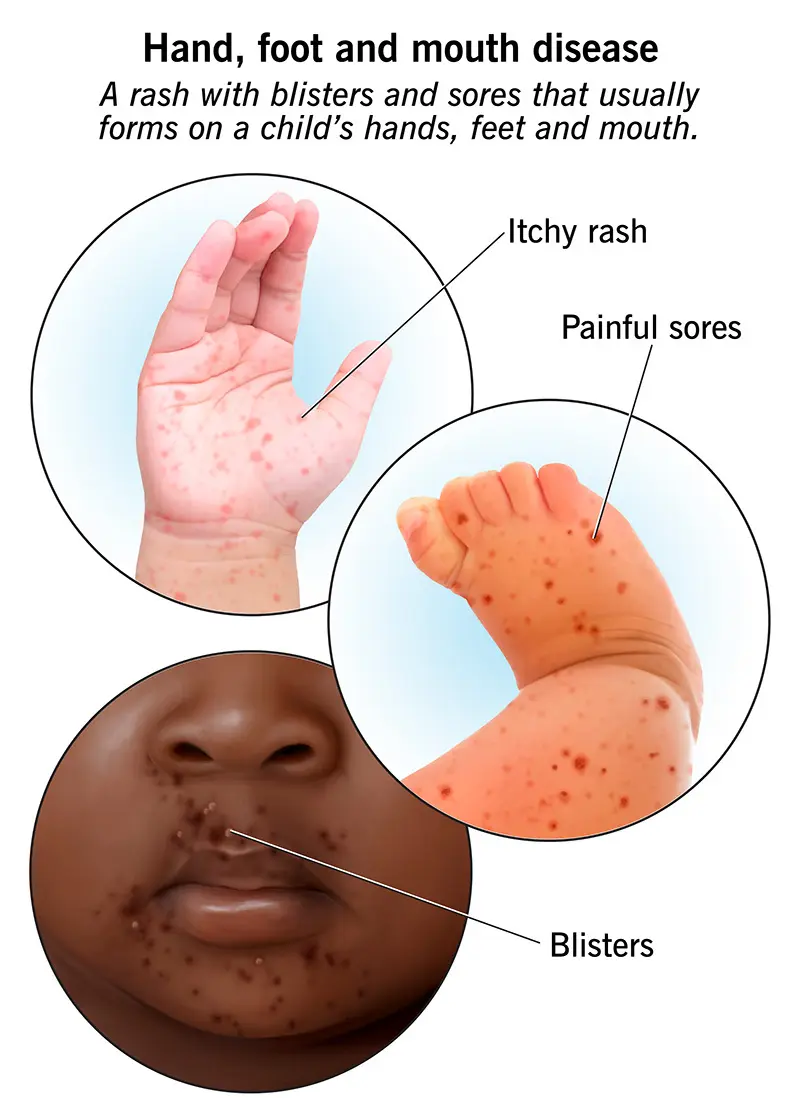
Hand-foot-and-mouth disease is a common viral illness that mainly affects infants and young children, though adults can also become infected. It is most often caused by enteroviruses, particularly coxsackievirus. The condition is usually mild and self-limiting, but it is highly contagious and spreads easily in childcare settings, schools, and households. Symptoms Symptoms typically appear 3 to 6 days after exposure …