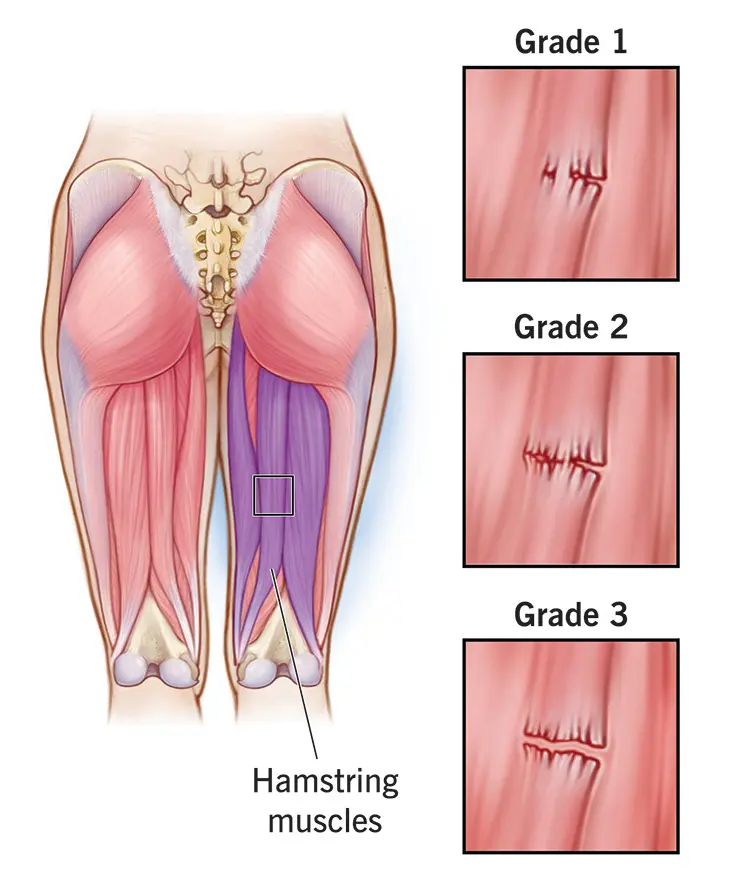
A hamstring injury is a strain or tear of one or more of the hamstring muscles located at the back of the thigh. These muscles play a key role in bending the knee and extending the hip. Hamstring injuries are common in athletes and physically active individuals, particularly in sports that involve sprinting, jumping, or sudden stops and starts. The …
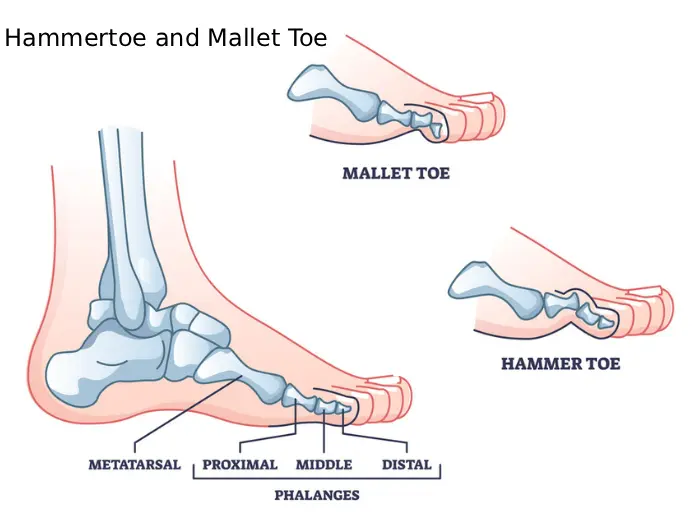
Hammertoe and Mallet Toe
Hammertoe and mallet toe are common foot deformities in which one or more toes bend abnormally due to muscle and tendon imbalance. Hammertoe typically affects the middle joint of a toe, causing it to bend downward, while mallet toe affects the joint closest to the tip of the toe. These conditions often develop gradually and may become fixed over time …
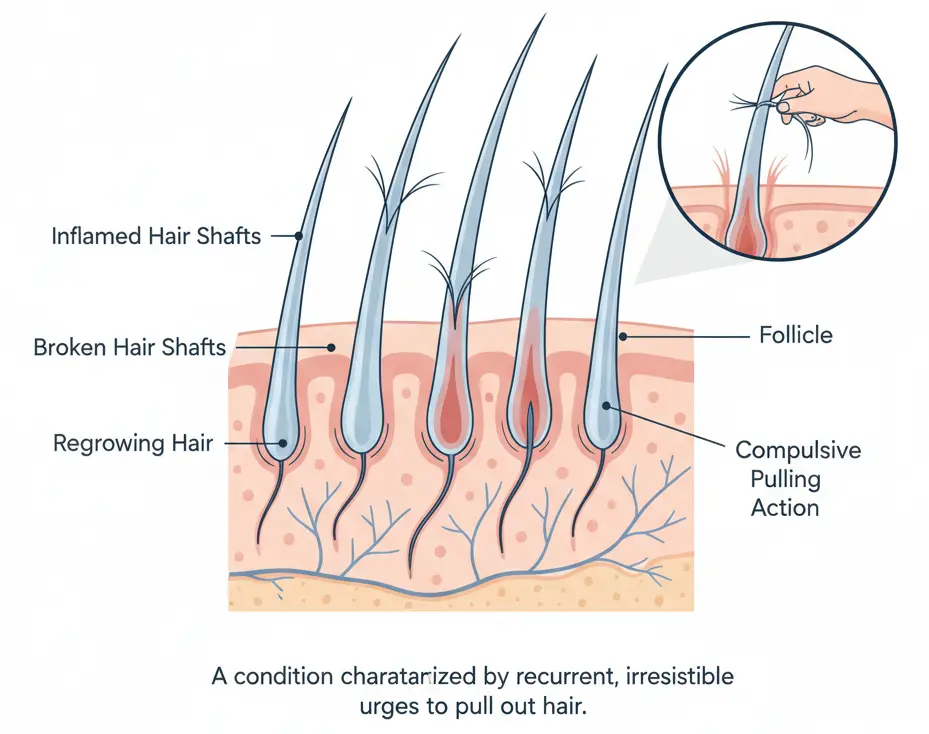
Trichotillomania (Hair-Pulling Disorder)
Trichotillomania, also known as hair pulling disorder, is a mental health condition in which a person feels a strong urge to pull out their own hair. The behavior is often difficult to control and can lead to noticeable hair loss on the scalp, eyebrows, eyelashes, or other parts of the body. People with trichotillomania may pull hair as a response …
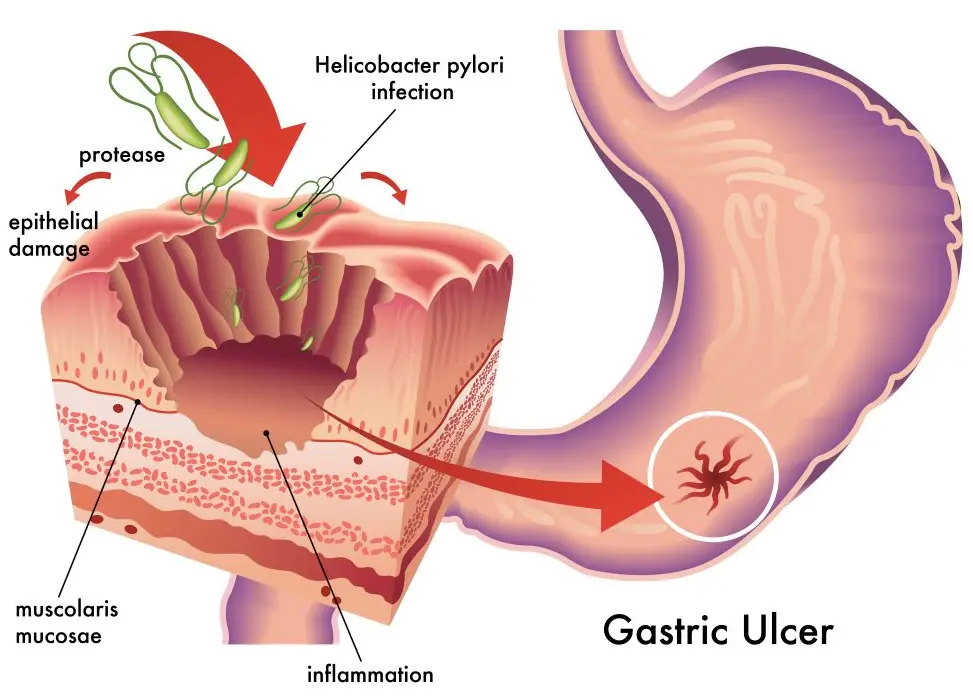
Helicobacter Pylori (H. Pylori) Infection
Helicobacter pylori infection is a common bacterial infection of the stomach caused by Helicobacter pylori. The bacteria damage the protective lining of the stomach and duodenum, leading to inflammation and increasing the risk of ulcers. Many people with H. pylori infection have no symptoms, but long-term infection can result in serious digestive conditions if left untreated. Symptoms Many individuals with …
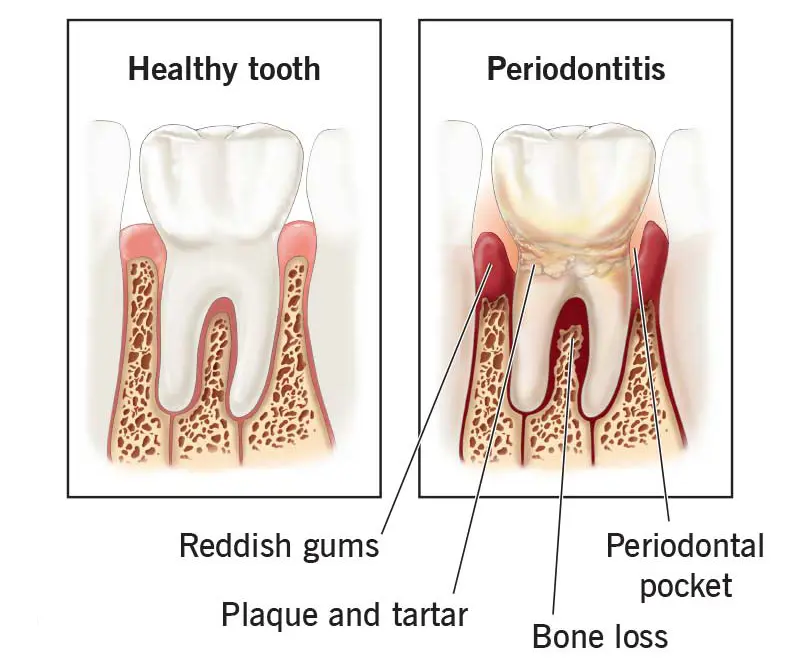
Periodontitis
Periodontitis is a serious gum infection that damages the soft tissue and can destroy the bone that supports the teeth. It usually develops from untreated gingivitis, a milder form of gum disease. If not treated properly, periodontitis can lead to tooth loosening or tooth loss. The condition occurs when bacteria accumulate in dental plaque and cause inflammation in the gums. …
Growing Pains
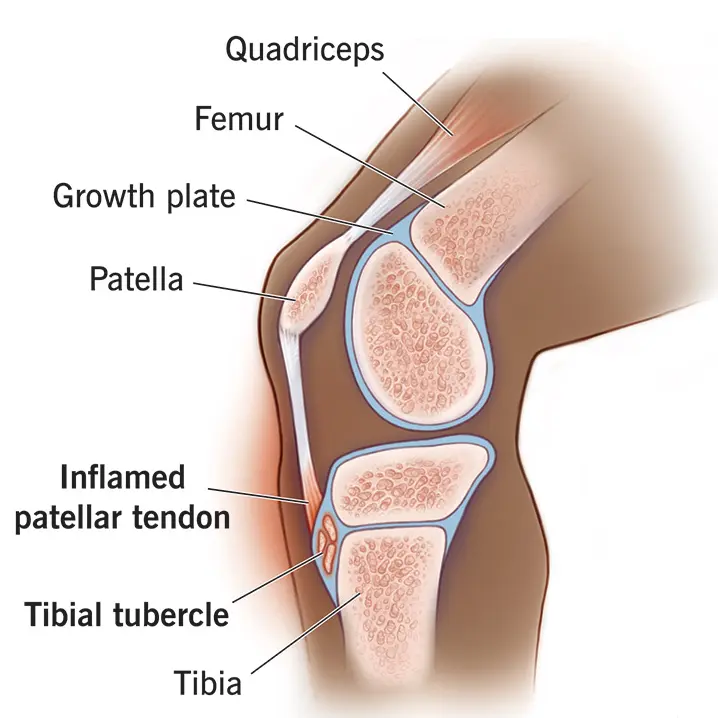
Growing pains are common, benign musculoskeletal pains that typically affect children, usually between the ages of 3 and 12. They are not caused by growth itself, but the discomfort often occurs in the legs during periods of rapid growth or after physical activity. Growing pains usually appear in the evening or at night and resolve by morning. They do not …
Group B Strep Disease
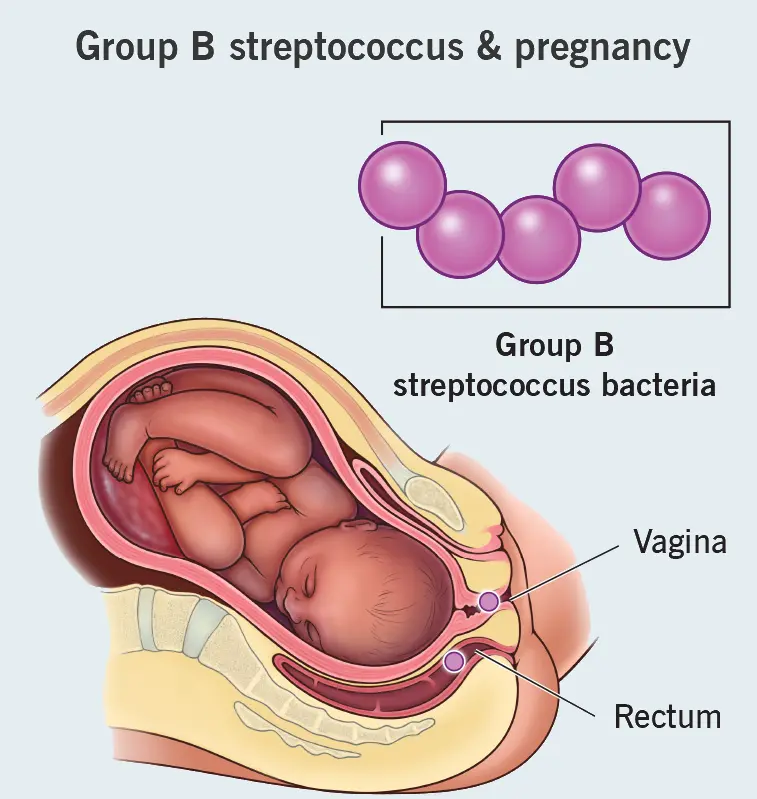
Group B Streptococcus (GBS) disease is an infection caused by the bacterium Streptococcus agalactiae. It commonly affects newborns, pregnant women, and adults with certain chronic medical conditions. In newborns, it can lead to serious complications such as sepsis, pneumonia, and meningitis. GBS is a leading cause of infection in infants during the first week of life (early-onset) and can also …
Graves’ Disease
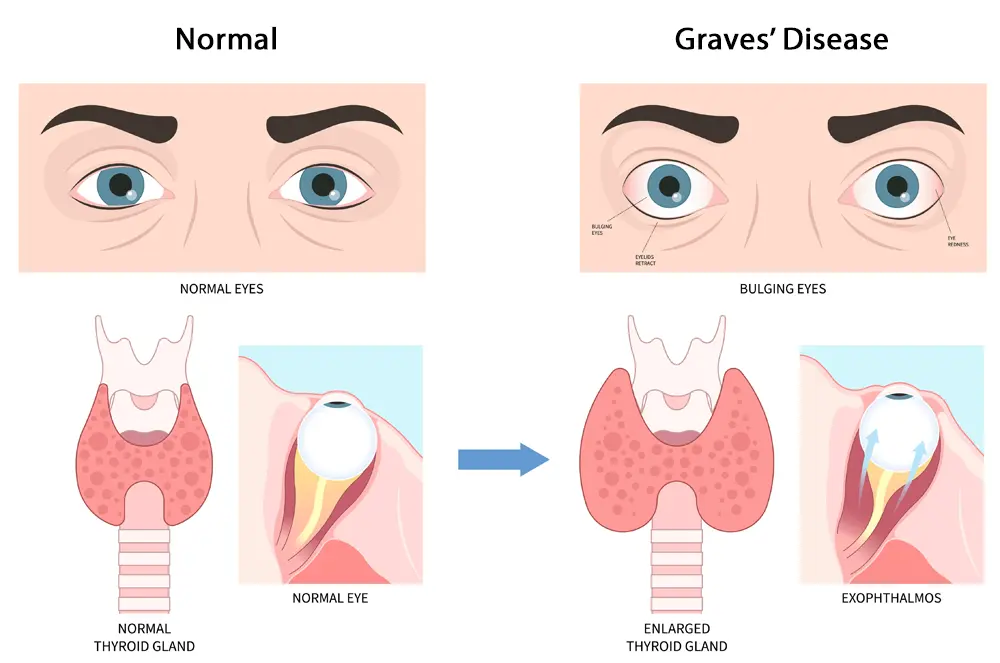
Graves’ disease is an autoimmune disorder that causes hyperthyroidism, a condition in which the thyroid gland produces excessive thyroid hormones. It is one of the most common causes of an overactive thyroid and primarily affects the metabolism, heart, and other body systems. The disease is more common in women and typically occurs between the ages of 30 and 50, though …
Granulomatosis with Polyangiitis
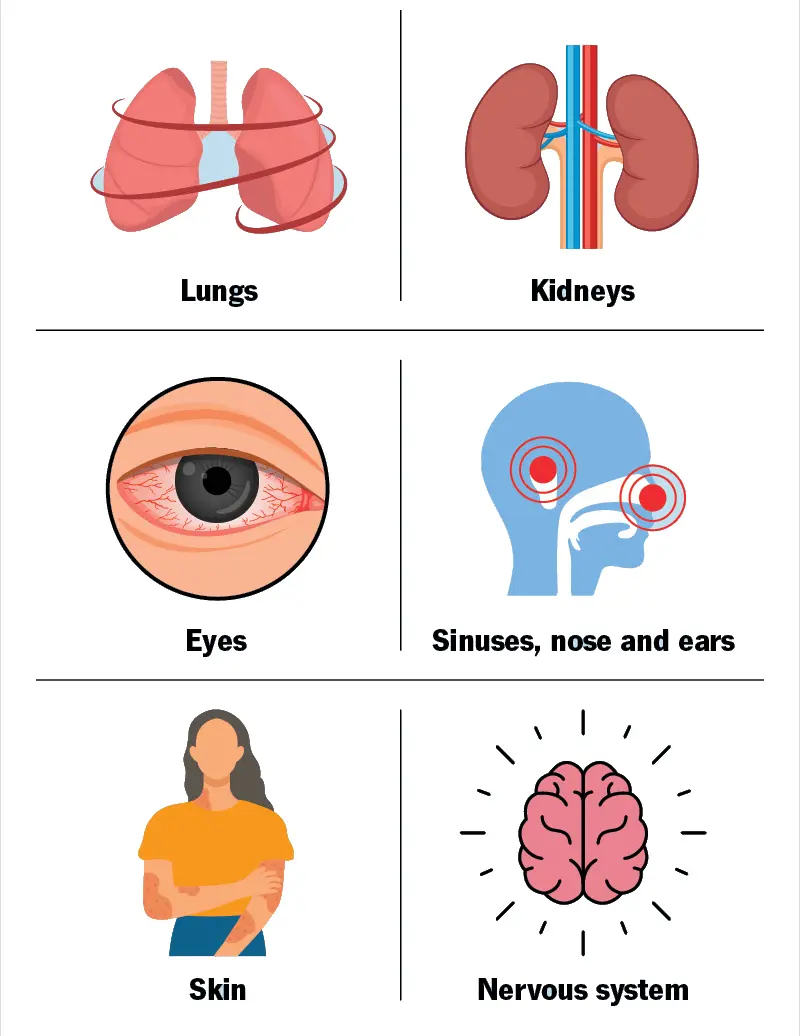
Granulomatosis with polyangiitis is a rare autoimmune disorder that causes inflammation of blood vessels (vasculitis), primarily affecting the respiratory tract and kidneys. The inflammation can restrict blood flow, damage tissues, and lead to organ dysfunction. Early diagnosis and treatment are crucial to prevent serious complications. The condition was formerly known as Wegener’s granulomatosis. Symptoms Symptoms of granulomatosis with polyangiitis can …
Granuloma Annulare
Granuloma annulare is a benign, chronic skin condition characterized by ring-shaped or circular patches on the skin. These lesions are usually raised, firm, and smooth, and they often appear on the hands, feet, elbows, or knees. The condition is not contagious and is generally harmless. In many cases, granuloma annulare resolves on its own without treatment. Symptoms Symptoms of granuloma …