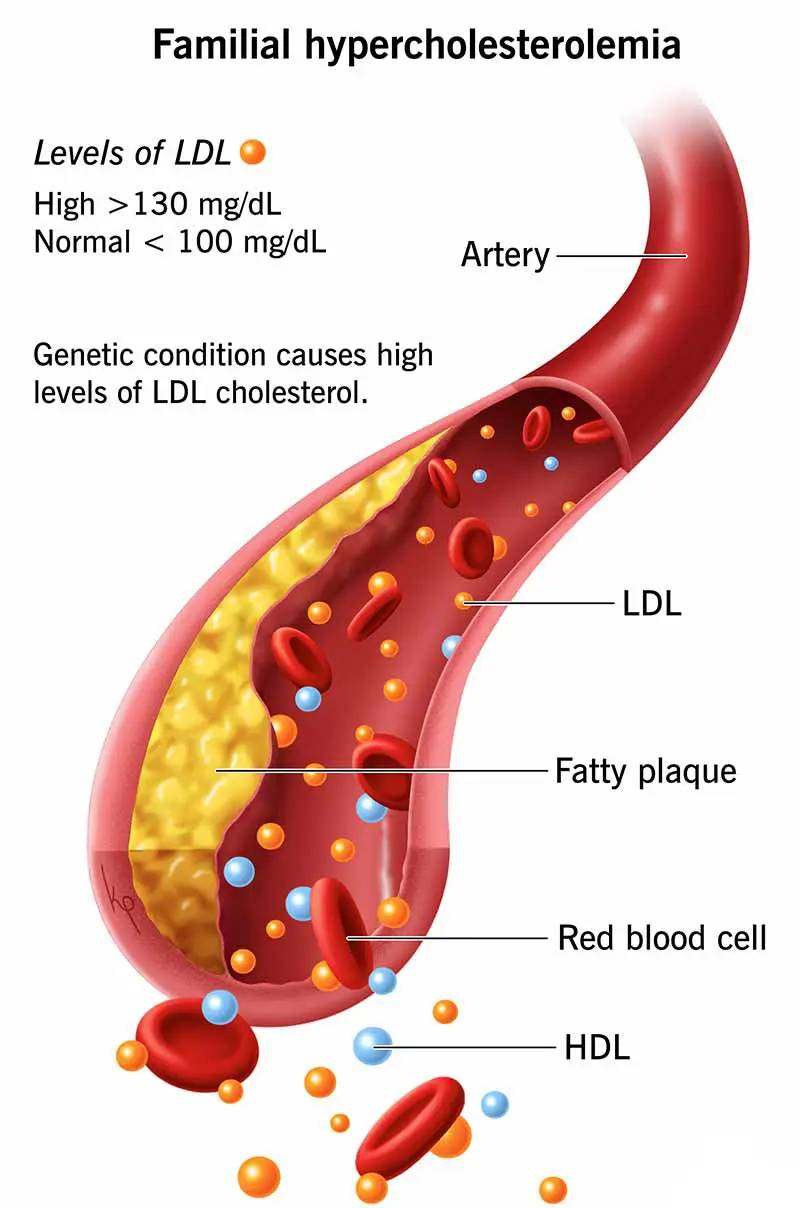
Familial Hypercholesterolemia is an inherited genetic condition that causes abnormally high levels of low-density lipoprotein cholesterol from birth. Elevated cholesterol leads to the early development of atherosclerosis, significantly increasing the risk of heart attack, stroke, and other cardiovascular diseases at a young age. The condition is commonly inherited in an autosomal dominant pattern, meaning one affected parent can pass it …
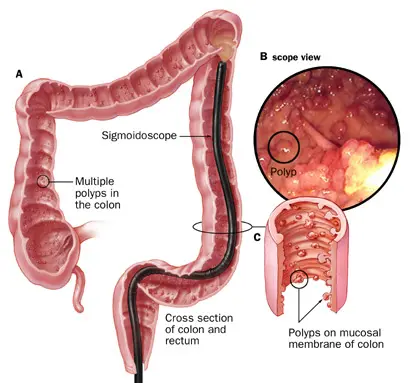
Familial Adenomatous Polyposis
Familial Adenomatous Polyposis is a rare inherited disorder that causes the development of hundreds to thousands of adenomatous polyps in the colon and rectum, usually beginning in adolescence or early adulthood. If left untreated, these polyps have an almost 100 percent risk of progressing to colorectal cancer, often by middle age. The condition is caused by a mutation in the …
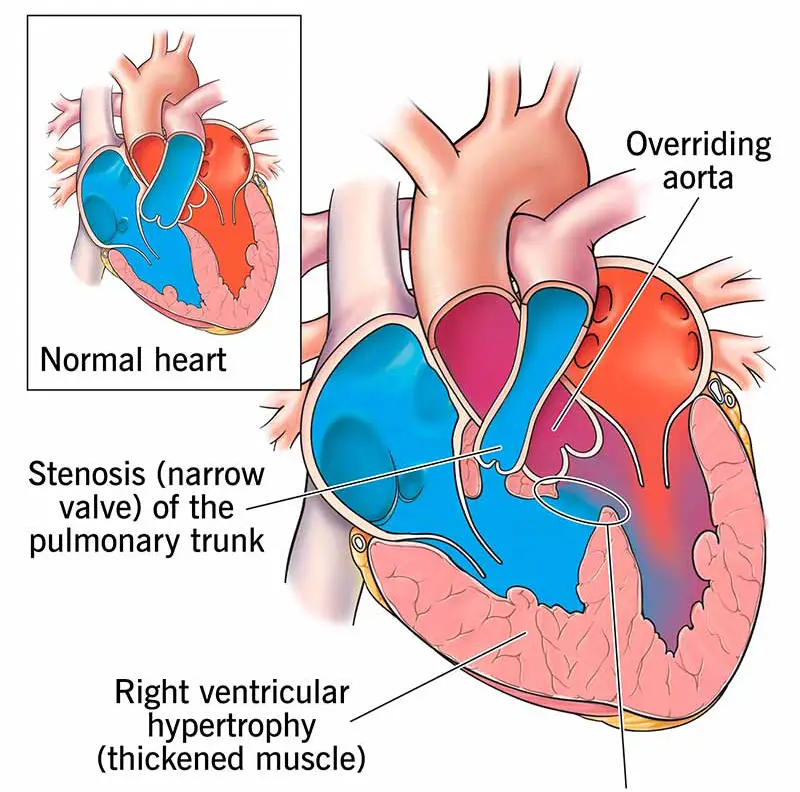
Tetralogy of Fallot
Tetralogy of Fallot is a rare congenital heart defect that is present at birth. It involves four structural abnormalities in the heart that affect normal blood flow. These defects cause oxygen-poor blood to flow out of the heart and into the rest of the body, which can lead to low oxygen levels in the blood. Because of reduced oxygen circulation, …
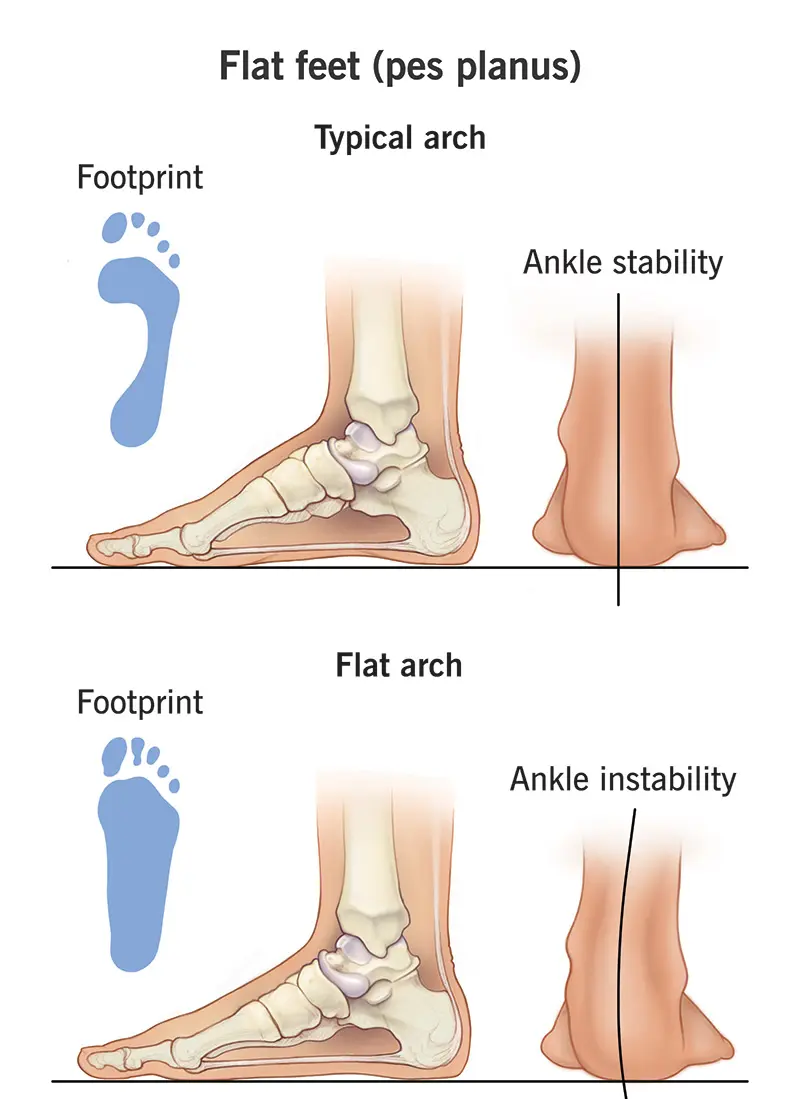
Flatfeet
Flatfeet, also known as fallen arches, is a condition in which the arches of the feet are low or absent, causing the soles to touch the ground fully or nearly fully when standing. Flatfeet can be present from childhood or develop later in life due to injury, aging, or medical conditions. Many people with flatfeet do not experience symptoms, while …
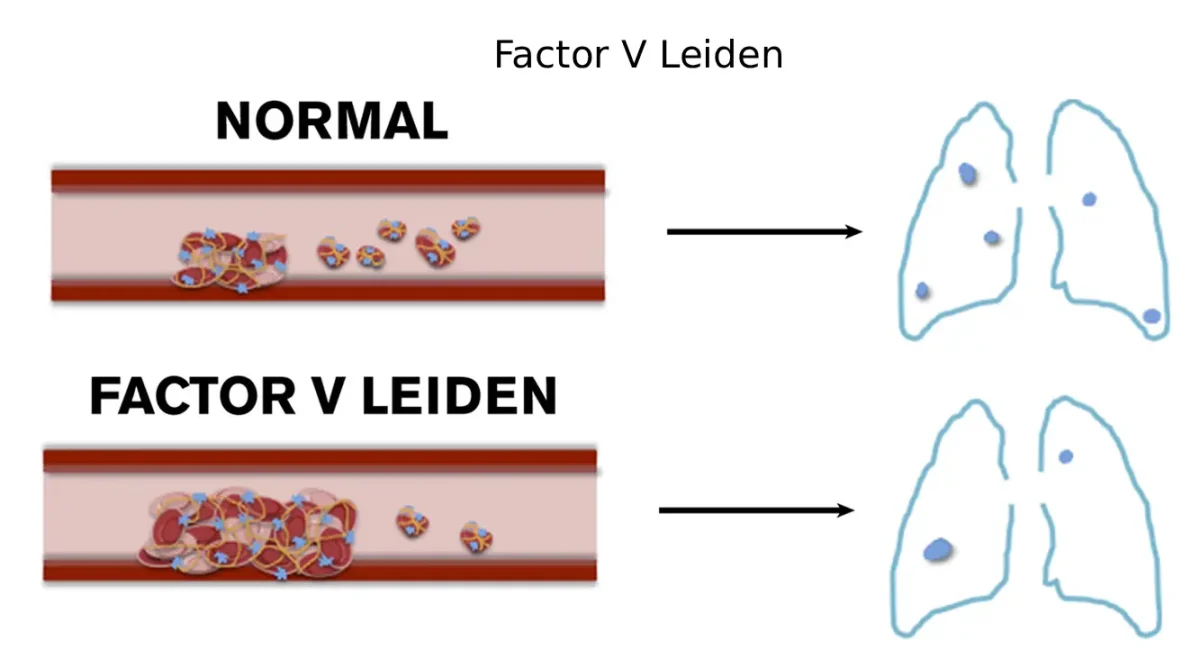
Factor V Leiden
Factor V Leiden is a genetic blood clotting disorder that increases the risk of developing abnormal blood clots, especially in the veins. It is caused by a mutation in the factor V gene, which makes the clotting protein resistant to being broken down by activated protein C. As a result, blood clots can form more easily than normal. Many people …
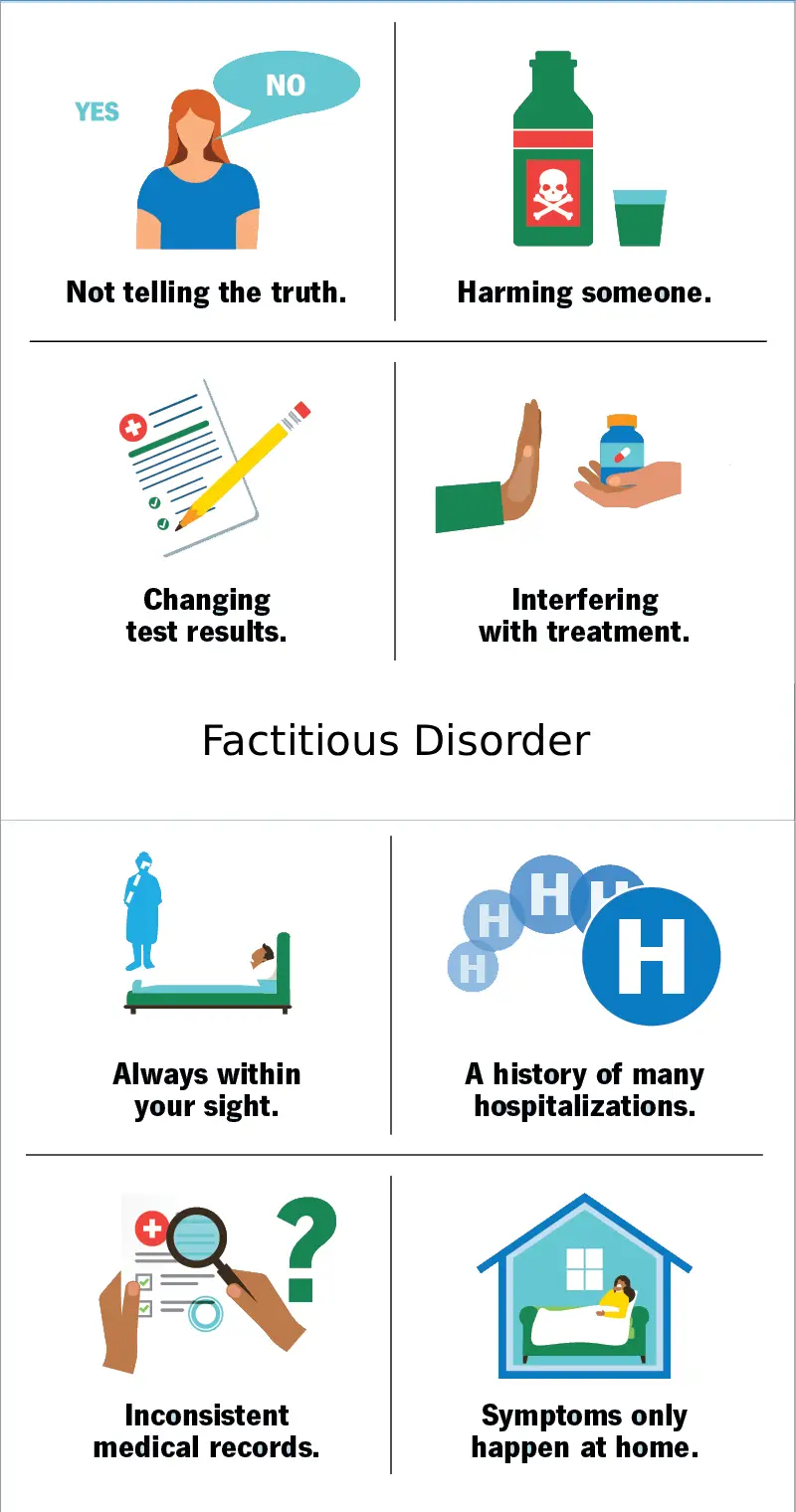
Factitious Disorder
Factitious Disorder is a mental health condition in which an individual deliberately produces, exaggerates, or feigns physical or psychological symptoms without obvious external rewards such as financial gain or avoiding responsibilities. The primary motivation is to assume the sick role, gain attention, sympathy, or care from others, especially healthcare providers. It is different from malingering, where symptoms are faked for …
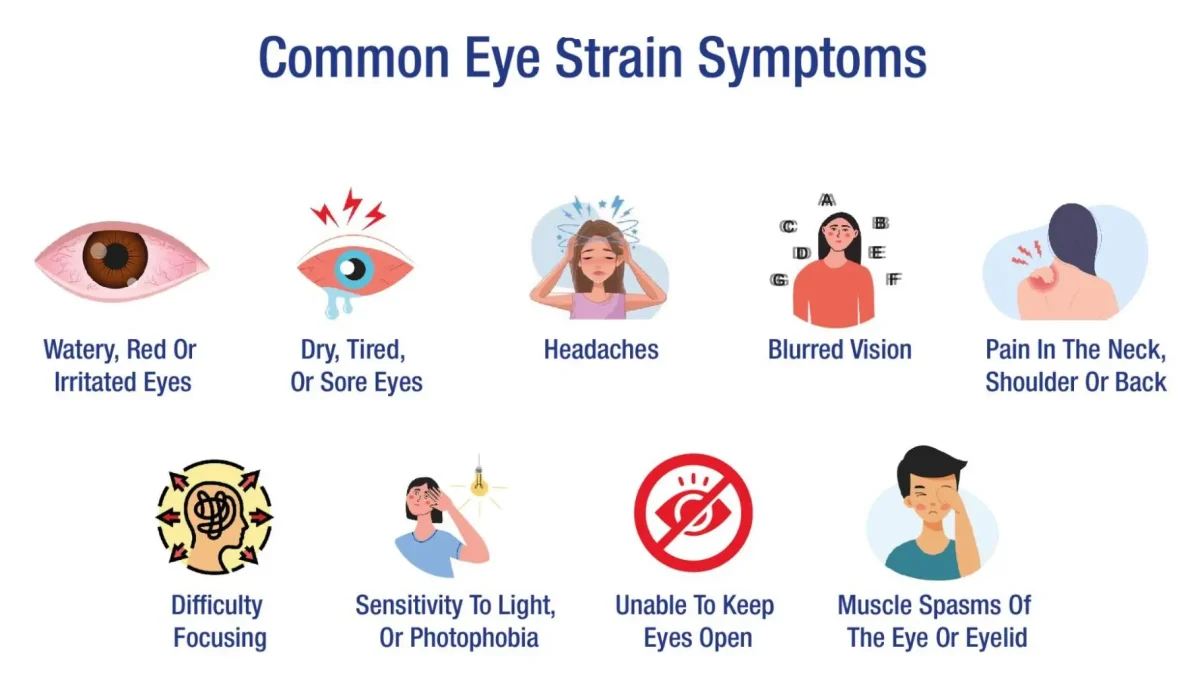
Eyestrain
Eyestrain, also known as digital eye strain or asthenopia, is a common condition caused by prolonged or intense use of the eyes. It often occurs after extended periods of screen time, reading, driving, or focusing on detailed tasks. Eyestrain is usually temporary and does not cause permanent eye damage, but it can be uncomfortable and affect daily productivity. Symptoms Symptoms …
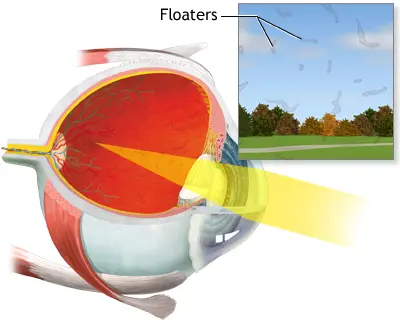
Eye Floaters
Eye floaters are small shapes that appear to drift across the field of vision. They may look like spots, threads, cobwebs, or squiggly lines and are most noticeable when looking at a bright background such as a clear sky or white wall. Eye floaters are usually harmless and are caused by age-related changes inside the eye, but in some cases …
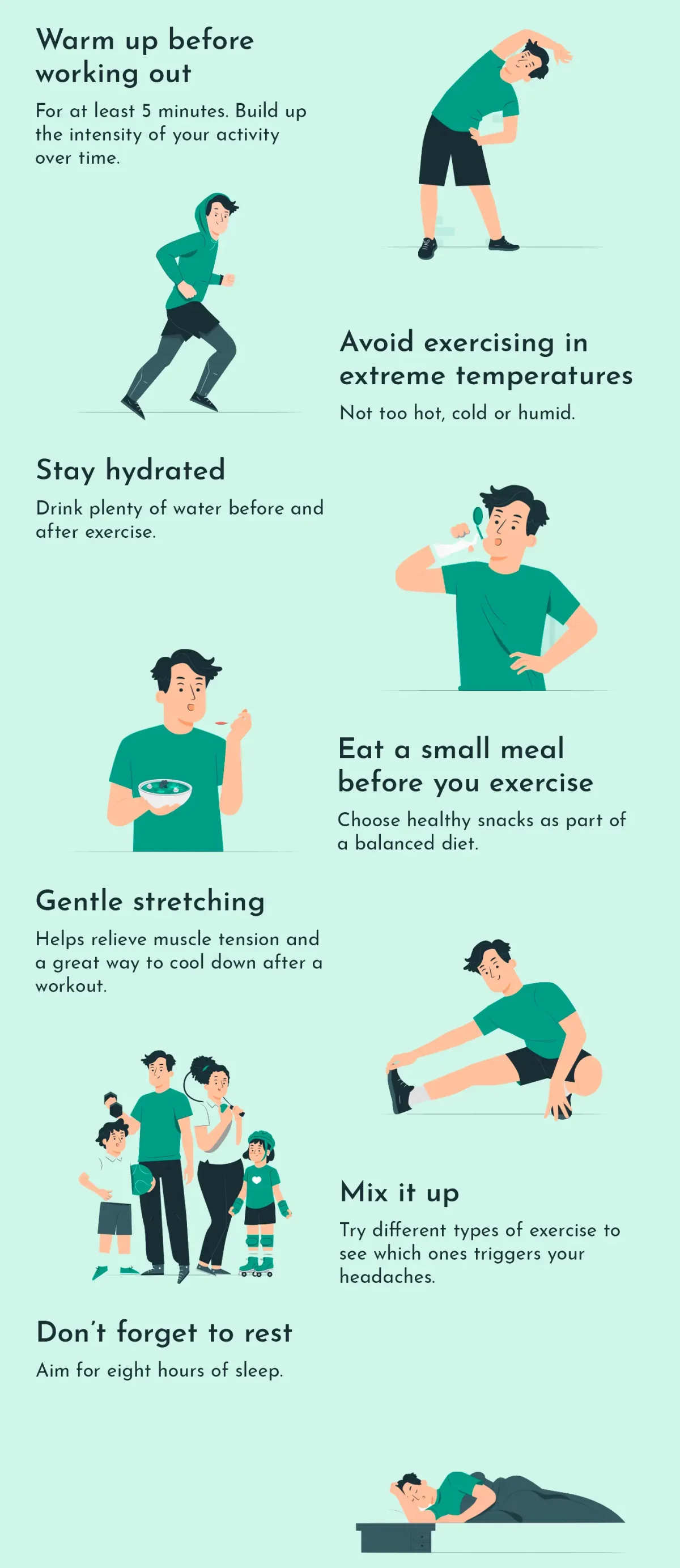
Exercise Headaches
Exercise headaches are headaches triggered by physical activity, particularly strenuous or intense exercise. They can occur during or after activities such as running, weightlifting, cycling, or sexual activity. Exercise headaches are usually benign and short-lived, but in some cases they may signal an underlying medical condition. They are classified as primary exercise headaches when no other cause is found. Symptoms …
Heavy Menstrual Bleeding
Heavy menstrual bleeding, also known as menorrhagia, is a condition in which menstrual periods involve excessive blood loss or last longer than normal. It can interfere with daily activities, work, and quality of life. While occasional heavy periods may occur, persistent heavy menstrual bleeding often indicates an underlying medical or hormonal issue and may require medical evaluation. Symptoms Symptoms of …