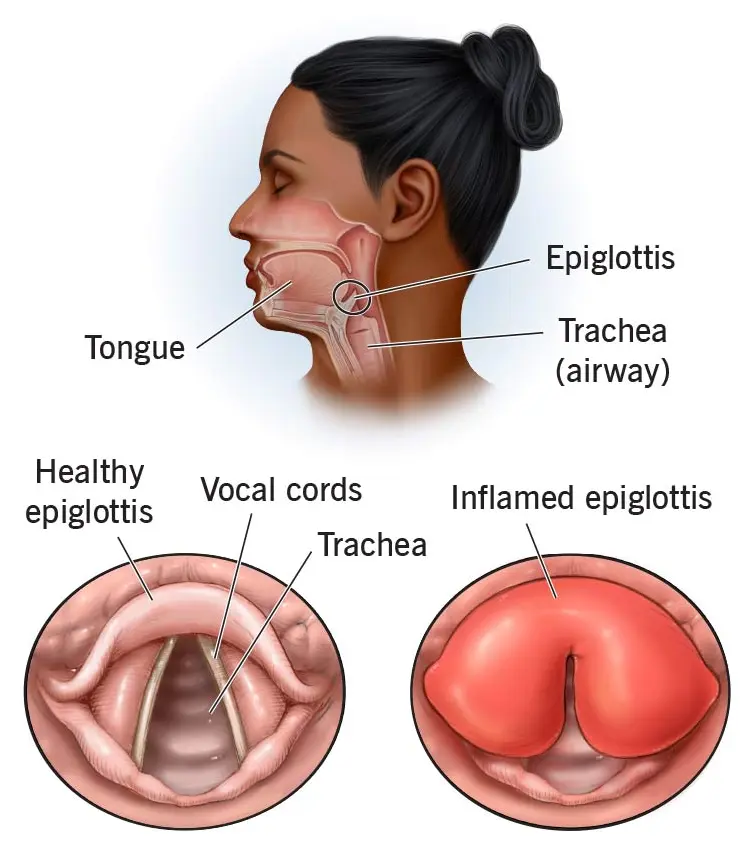
Epiglottitis is a serious and potentially life-threatening condition characterized by inflammation and swelling of the epiglottis, the flap of tissue that covers the windpipe during swallowing. When the epiglottis becomes swollen, it can block airflow to the lungs, making breathing difficult. Epiglottitis can affect both children and adults and requires immediate medical attention. Symptoms Symptoms of epiglottitis usually develop rapidly …
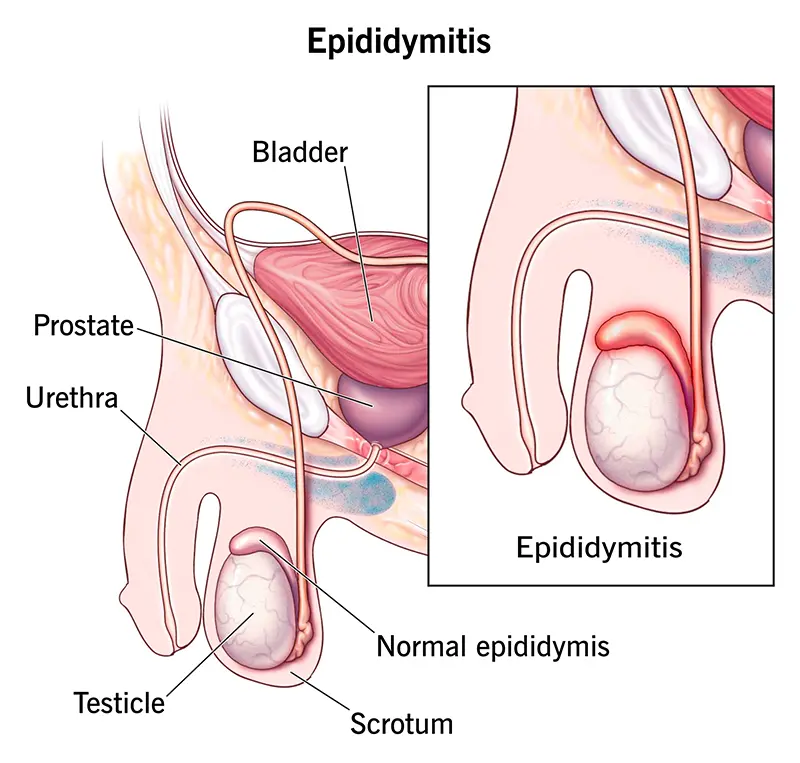
Epididymitis
Epididymitis is an inflammatory condition affecting the epididymis, a coiled tube located at the back of the testicle that stores and carries sperm. It commonly occurs due to bacterial infections and can affect males of all ages, though it is more frequent in sexually active men and older adults. Epididymitis may develop suddenly or gradually and can cause significant discomfort …
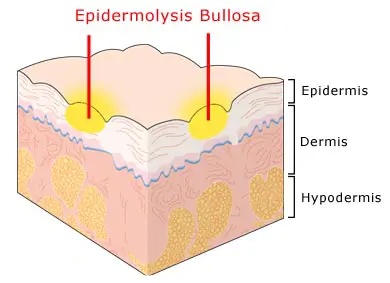
Epidermolysis Bullosa
Epidermolysis bullosa is a rare genetic condition that causes extremely fragile skin and mucous membranes. In people with this disorder, the skin blisters and tears easily in response to minor friction, pressure, or trauma. The condition is usually present at birth or appears in early childhood and can range from mild to severe forms. Epidermolysis bullosa affects not only the …
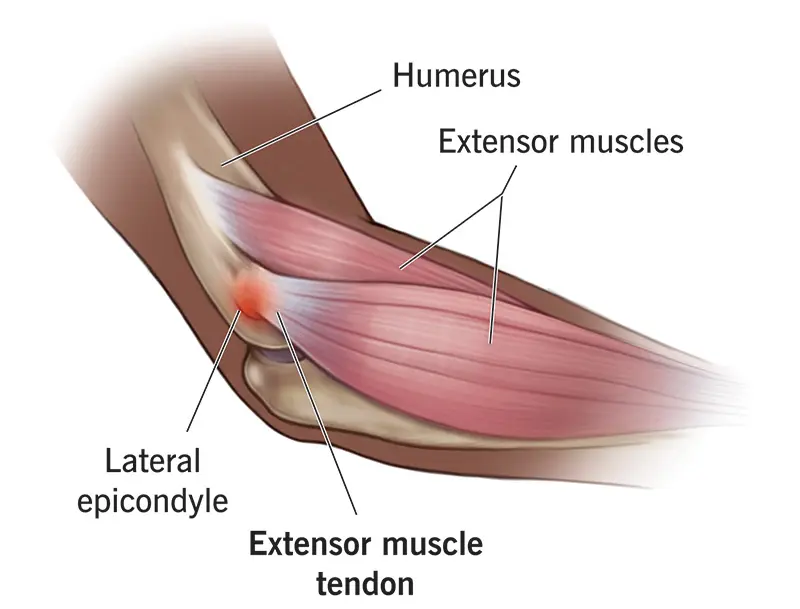
Tennis Elbow
Tennis elbow is a painful condition that occurs when the tendons in the elbow become inflamed due to overuse. It is medically known as lateral epicondylitis. The condition affects the tendons that connect the forearm muscles to the outer part of the elbow. Despite its name, tennis elbow does not only affect tennis players. It commonly occurs in people who …
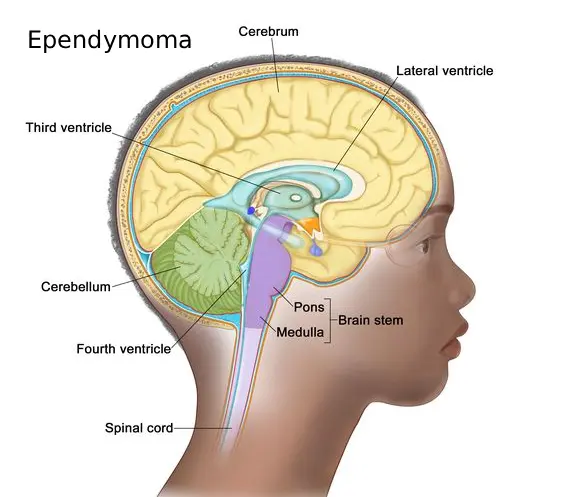
Ependymoma
Ependymoma is a rare type of tumor that develops from ependymal cells, which line the fluid-filled spaces of the brain and the central canal of the spinal cord. These tumors are classified as central nervous system tumors and can occur in both children and adults. Ependymomas may be slow-growing or more aggressive, depending on their type and location. Early diagnosis …
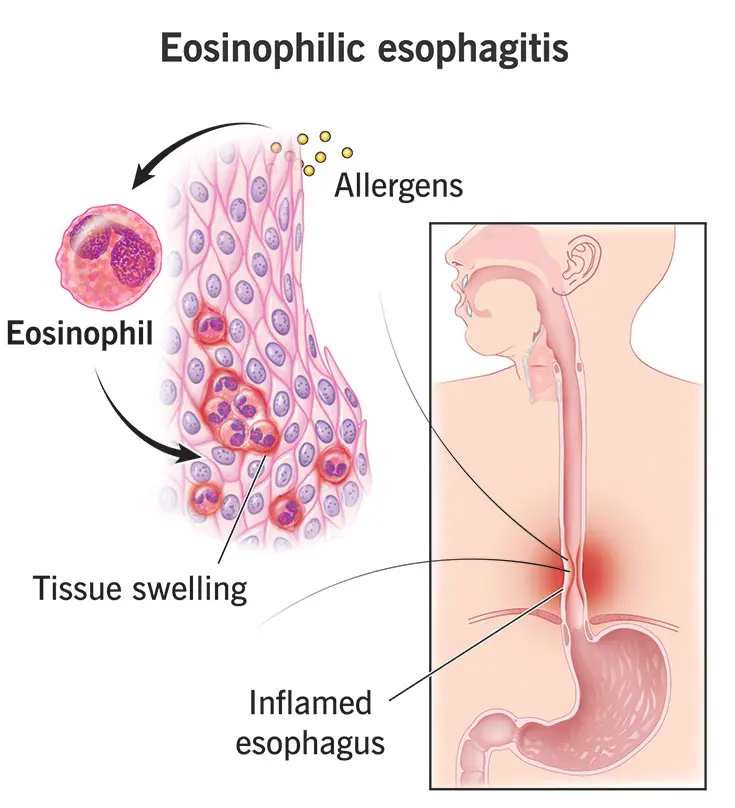
Eosinophilic Esophagitis
Eosinophilic esophagitis is a chronic inflammatory condition of the esophagus caused by an accumulation of eosinophils, a type of white blood cell involved in allergic reactions. This inflammation leads to irritation, swelling, and structural changes in the esophagus, making swallowing difficult. The condition is often associated with food allergies, environmental allergies, or asthma and can affect both children and adults. …
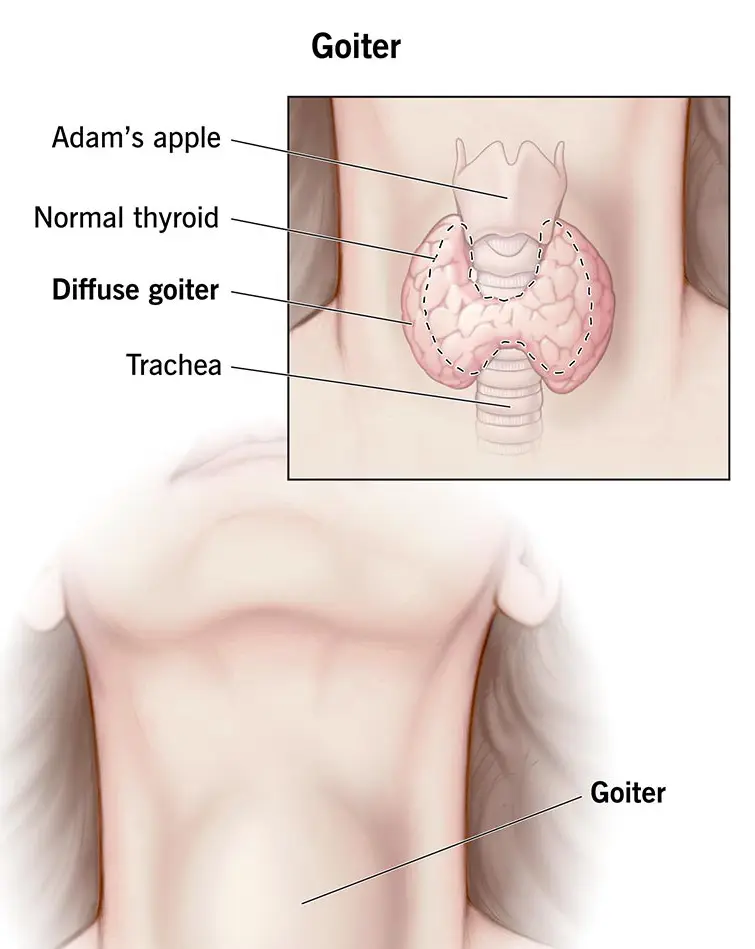
Goiter
Goiter is an abnormal enlargement of the thyroid gland, a butterfly-shaped gland located at the base of the neck. The thyroid plays a key role in regulating metabolism through the production of hormones. A goiter can develop when the thyroid produces too much or too little hormone, or when the gland is stimulated to grow due to iodine deficiency or …
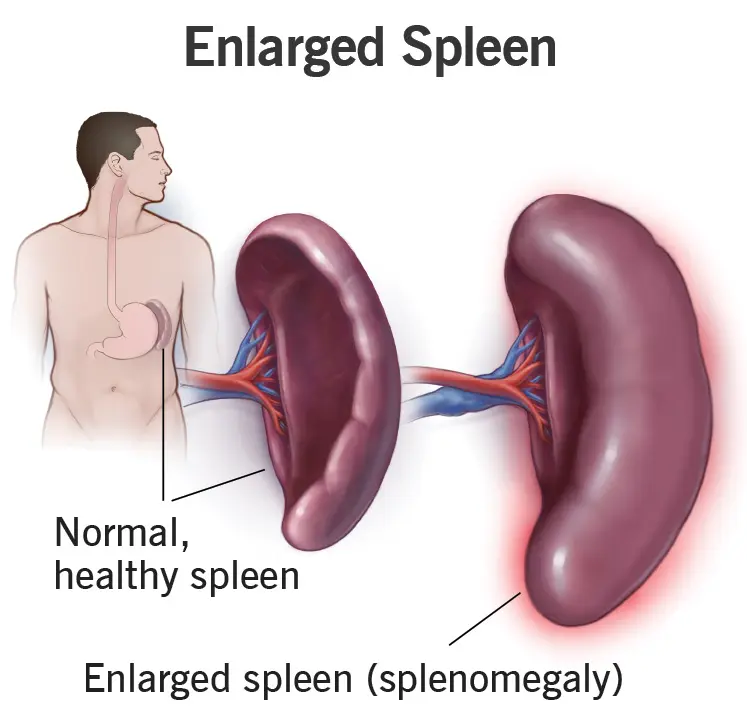
Enlarged Spleen (Splenomegaly)
An enlarged spleen, medically known as splenomegaly, is a condition in which the spleen increases in size beyond its normal dimensions. The spleen plays an important role in filtering blood, supporting immune function, and recycling old red blood cells. Splenomegaly itself is not a disease but a sign of an underlying condition affecting the blood, immune system, liver, or infections. …
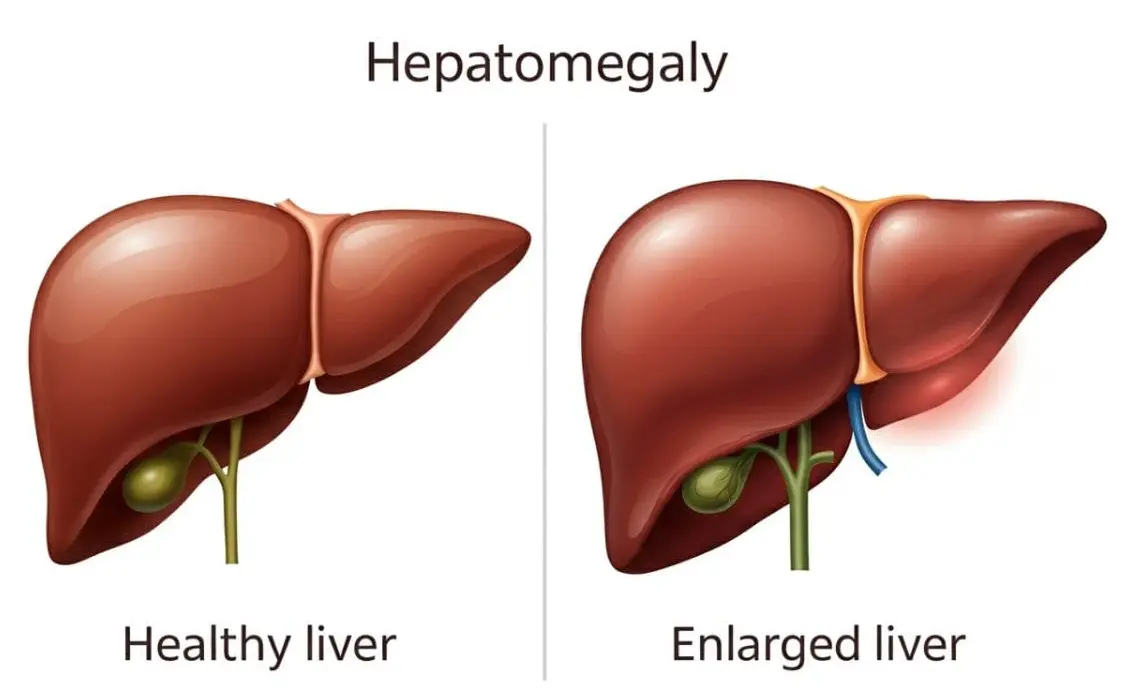
Enlarged Liver
An enlarged liver, medically known as hepatomegaly, is a condition in which the liver becomes larger than its normal size. It is not a disease on its own but a sign of an underlying health problem affecting the liver or other organs. The liver plays a vital role in metabolism, detoxification, and digestion, so enlargement often indicates inflammation, congestion, or …
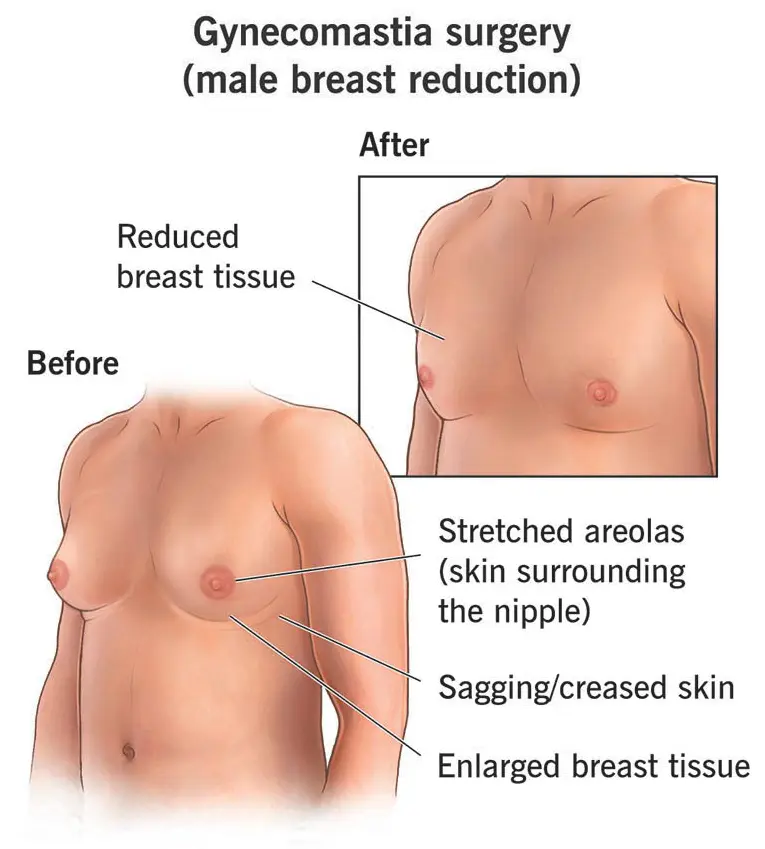
Enlarged Breasts in Men (Gynecomastia)
Enlarged breasts in men, medically known as gynecomastia, is a condition characterized by the benign enlargement of male breast tissue. It occurs due to an imbalance between the hormones estrogen and testosterone. Gynecomastia can affect one or both breasts and may develop at different stages of life, including infancy, adolescence, and older adulthood. While it is not usually a serious …