Eisenmenger Syndrome

admin

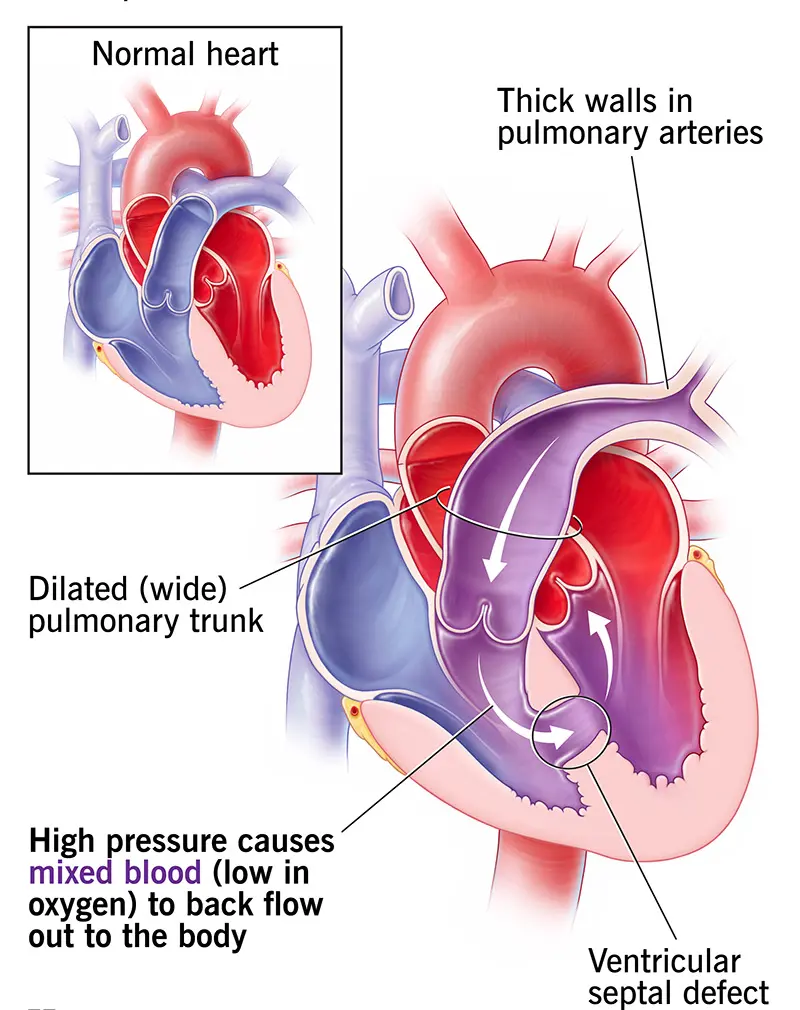
Eisenmenger syndrome is a serious and progressive condition that develops as a complication of certain congenital heart defects present from birth. It occurs when a long-standing abnormal blood flow between the heart chambers or major blood vessels leads to high blood pressure in the lungs. Over time, this increased pressure causes the direction of blood flow to reverse, allowing oxygen-poor …
Ehrlichiosis and Anaplasmosis

admin

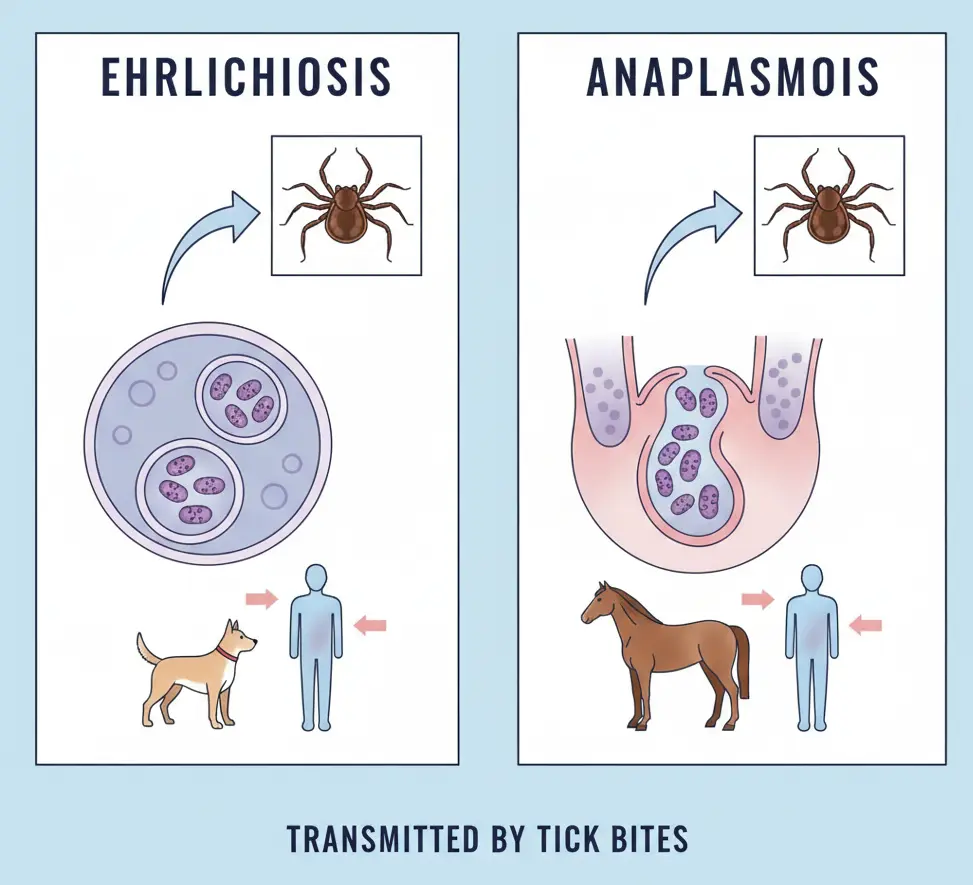
Ehrlichiosis and anaplasmosis are tick-borne bacterial infections that affect white blood cells and can cause flu-like illness ranging from mild to severe. Ehrlichiosis is caused by Ehrlichia species, while anaplasmosis is caused by Anaplasma phagocytophilum. These infections are transmitted through the bite of infected ticks and are most common during warmer months when tick activity is high. Early diagnosis and …

Ehlers-Danlos Syndrome

admin

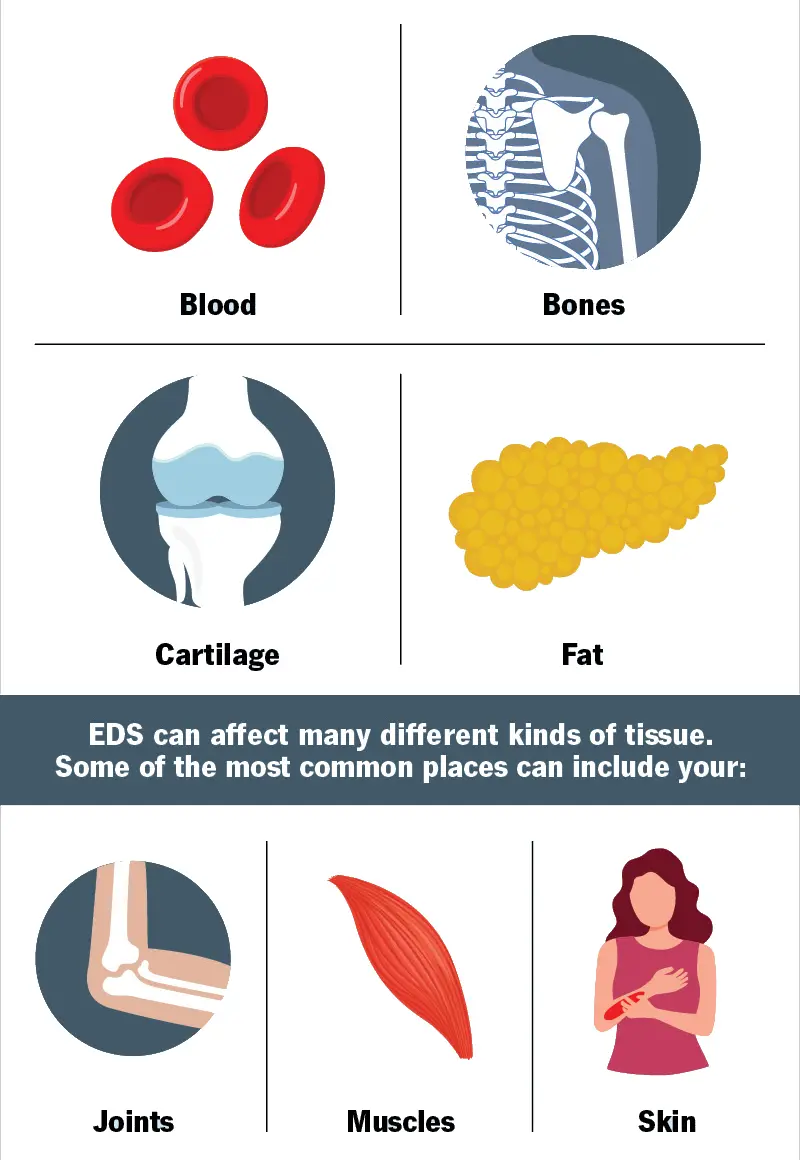
Ehlers-Danlos syndrome is a group of inherited connective tissue disorders that affect the skin, joints, and blood vessels. It is caused by genetic changes that interfere with the production or structure of collagen, a protein that provides strength and elasticity to connective tissues throughout the body. The severity of Ehlers-Danlos syndrome varies widely, with some individuals experiencing mild symptoms and …

Pulmonary Edema

admin

Pulmonary edema is the abnormal buildup of “fluid in the lungs.” Fluid buildup in your lungs can lead to shortness of breath, coughing up of foam and loose mucus, wheezing, chest tightness and difficulty breathing. Pulmonary edema can be life-threatening and requires immediate medical treatment. What is high altitude pulmonary edema (HAPE)? High altitude pulmonary edema (HAPE) occurs when you’re at high …

Edema

admin

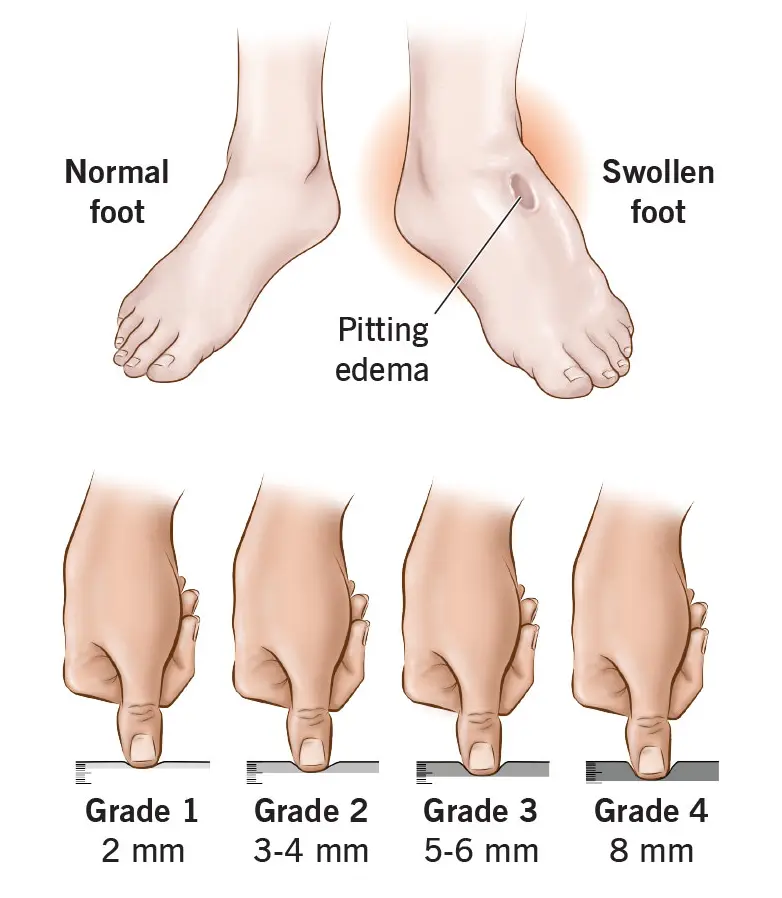
Edema is a condition characterized by the accumulation of excess fluid in the body’s tissues, leading to swelling. It most commonly affects the feet, ankles, legs, hands, and arms, but it can occur in any part of the body. Edema may be temporary or chronic and can result from a wide range of medical conditions, medications, or lifestyle factors. Identifying …

Erectile Dysfunction

admin

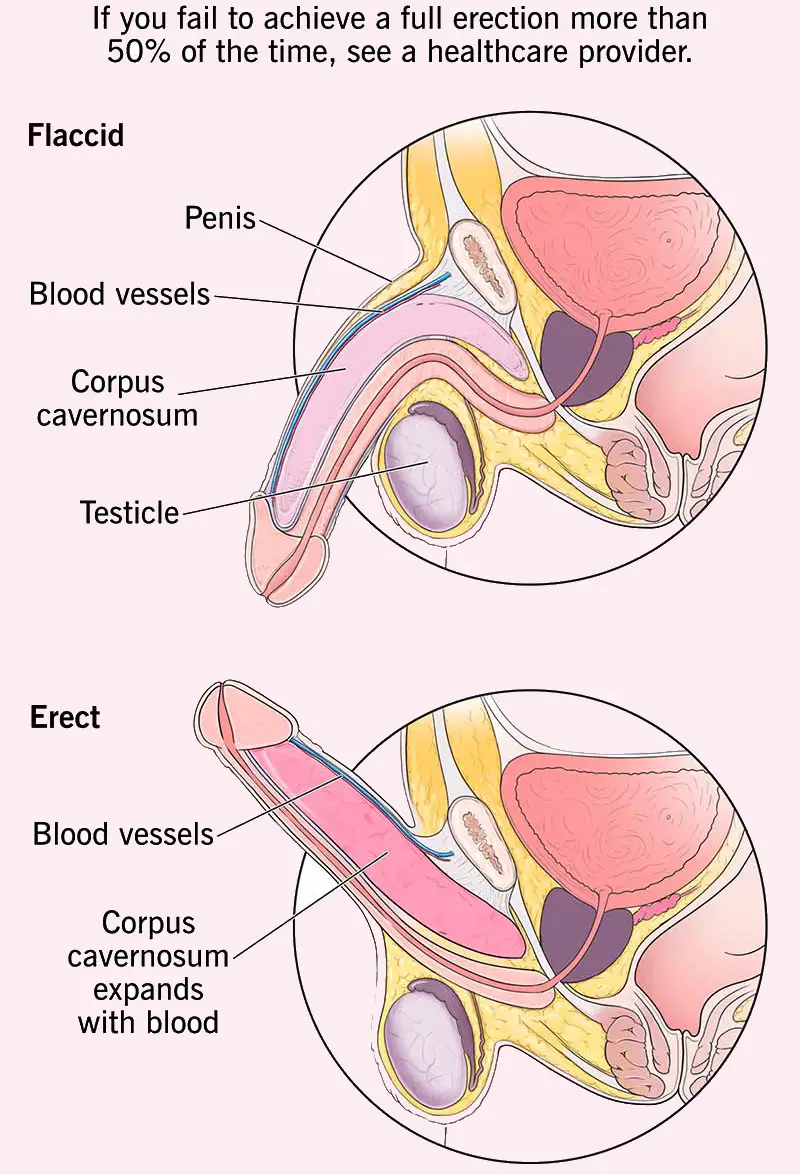
Erectile dysfunction is a common condition in which a man has difficulty achieving or maintaining an erection sufficient for satisfactory sexual activity. It can occur occasionally or persist over time, affecting physical health, emotional well-being, and relationships. Erectile dysfunction is not a normal part of aging, although the likelihood increases with age. In many cases, it is a symptom of …

Ectropion

admin

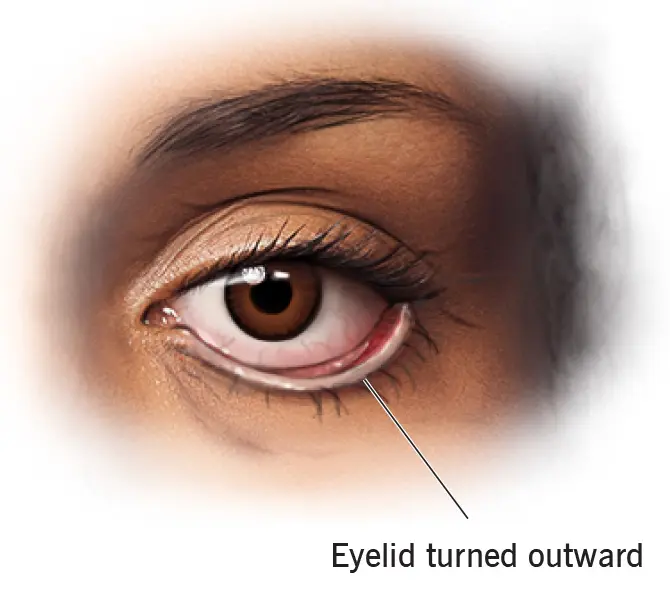
Ectropion is a condition in which the lower eyelid turns outward and away from the eye, exposing the inner eyelid surface. This abnormal position prevents the eyelid from properly protecting the eye and distributing tears, leading to dryness, irritation, and increased risk of infection. Ectropion most commonly affects older adults but can occur at any age depending on the underlying …

Ectopic Pregnancy

admin

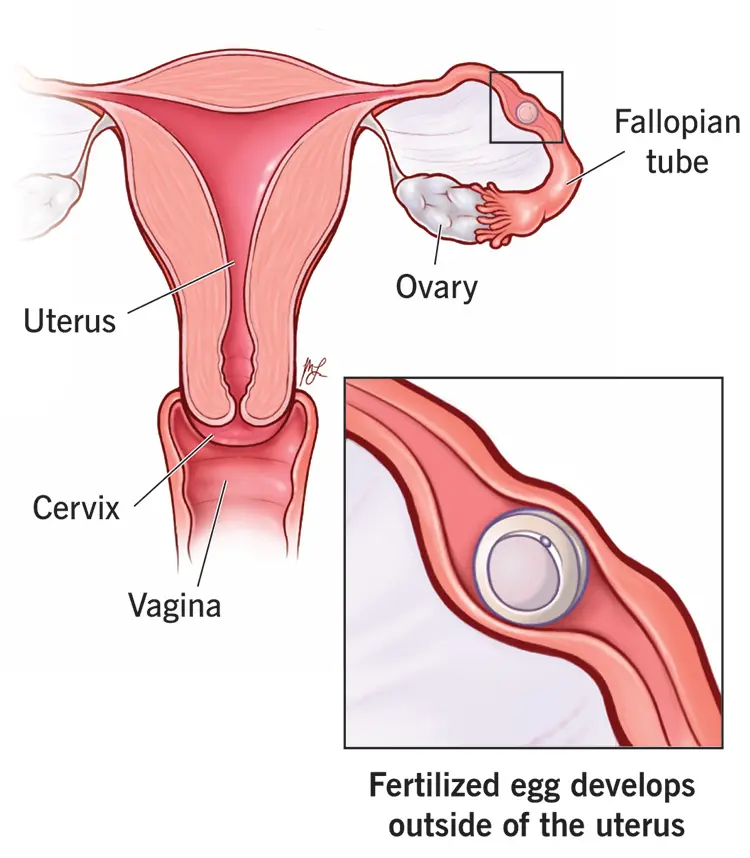
Ectopic pregnancy is a medical emergency in which a fertilized egg implants outside the uterus instead of attaching to the uterine lining. The most common site is the fallopian tube, but implantation may also occur in the ovary, cervix, or abdominal cavity. Because these locations cannot support normal pregnancy growth, an ectopic pregnancy cannot progress normally and requires prompt medical …

Premature Ventricular Contractions (PVCs)

admin

Premature ventricular contractions (PVCs) are a type of irregular heartbeat. They occur when the electrical signal that starts your heartbeat comes from one of your bottom two heart chambers (ventricles). The signal typically starts in the top right chamber (atrium). PVCs are not always a problem. But if they repeatedly happen for months or years, they can cause a type …

Ebstein Anomaly

admin

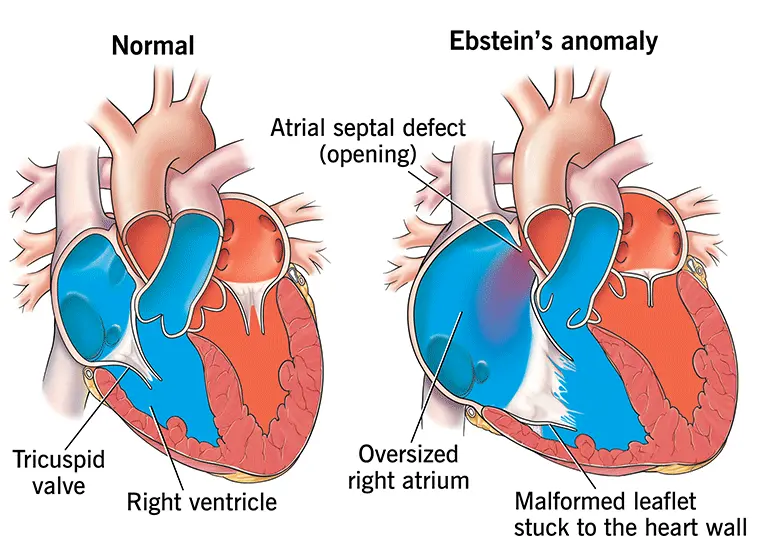
Ebstein anomaly is a rare congenital heart defect present at birth that affects the tricuspid valve, which separates the right atrium and right ventricle of the heart. In this condition, the tricuspid valve is abnormally formed and positioned lower than normal in the right ventricle. This leads to improper valve closure, allowing blood to flow backward into the right atrium. …