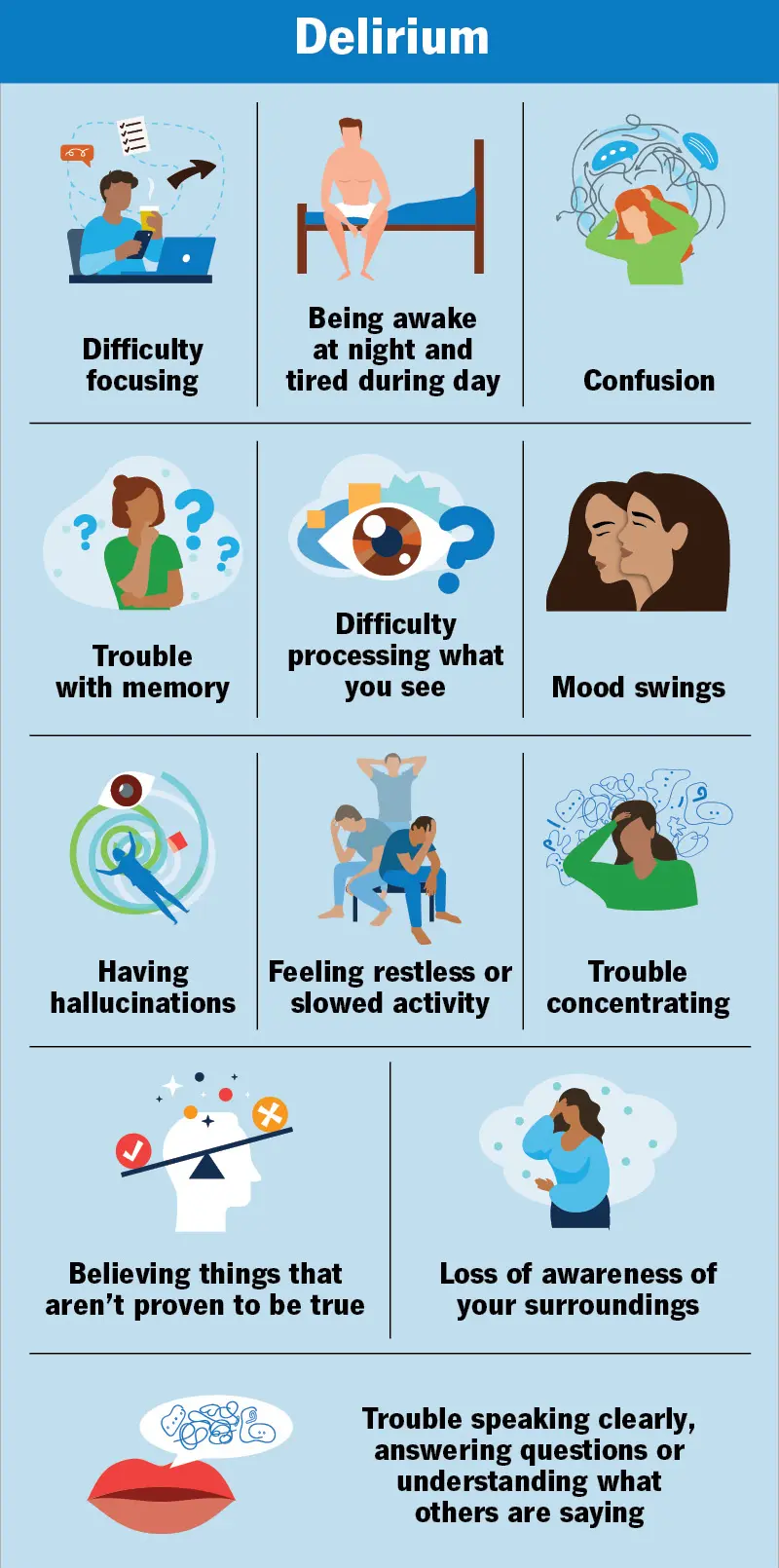
Delirium is a sudden and severe disturbance in mental abilities that results in confusion, reduced awareness of the environment, and impaired attention. It usually develops over a short period of time and tends to fluctuate throughout the day. Delirium is most commonly seen in older adults, particularly during hospitalization or serious illness, and is considered a medical emergency requiring prompt …
Delayed Sleep Phase
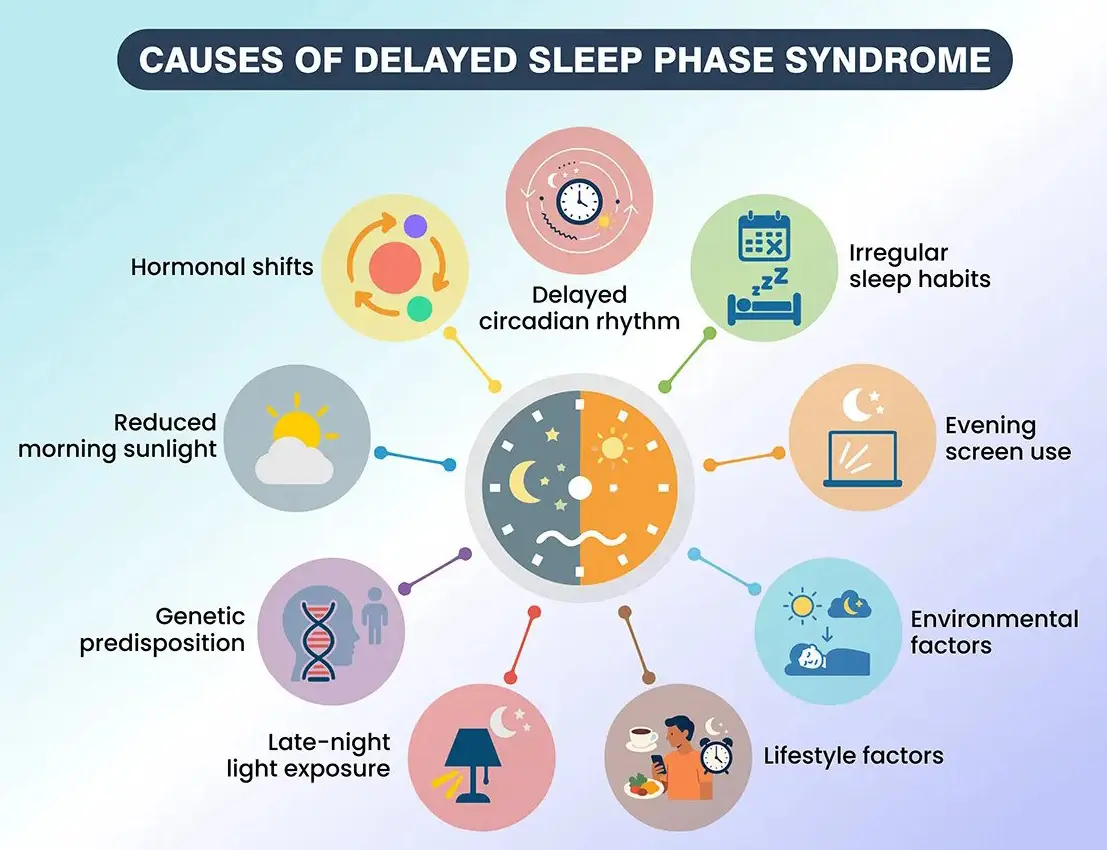
Delayed Sleep Phase, also known as Delayed Sleep Phase Disorder (DSPD), is a circadian rhythm sleep disorder in which a person’s natural sleep–wake cycle is significantly delayed compared to conventional or socially acceptable times. Individuals with this condition have difficulty falling asleep at night and waking up in the morning, despite having normal sleep quality and duration when allowed to …
Gastroparesis
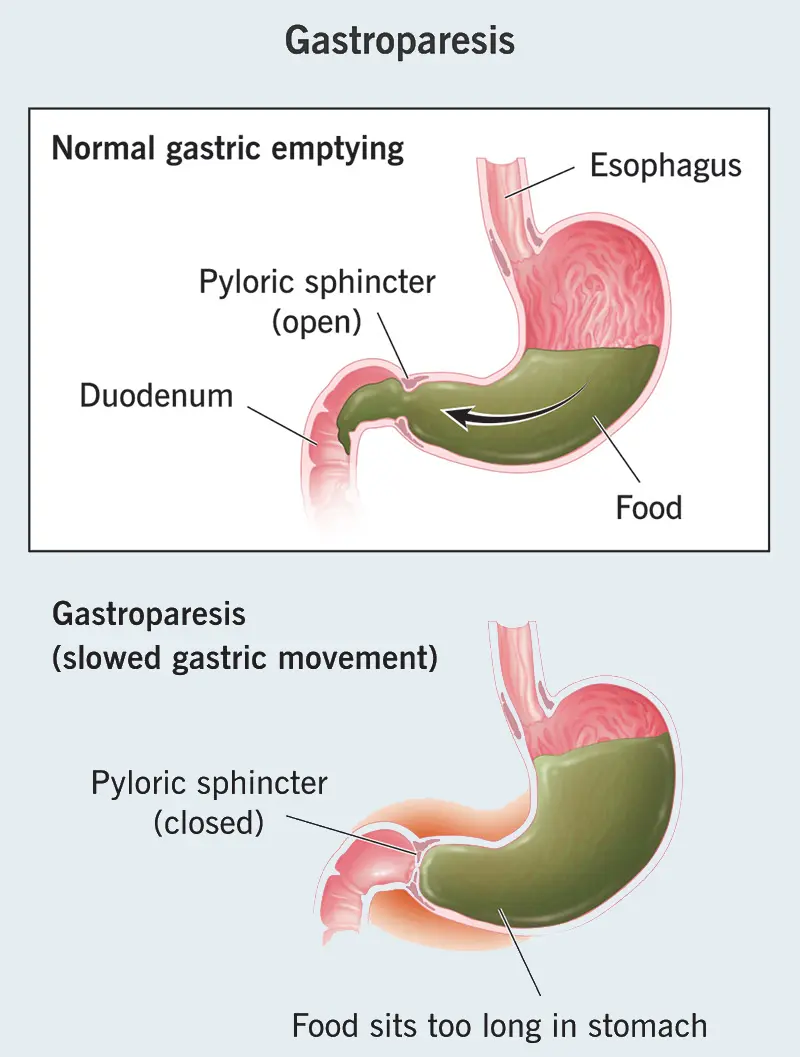
Gastroparesis is a digestive disorder in which the stomach empties food into the small intestine more slowly than normal. This delay occurs without a physical blockage and is usually related to problems with the nerves or muscles that control stomach movement. Gastroparesis can interfere with digestion, blood sugar control, and proper nutrition, and symptoms may range from mild to severe. …
Delayed Ejaculation
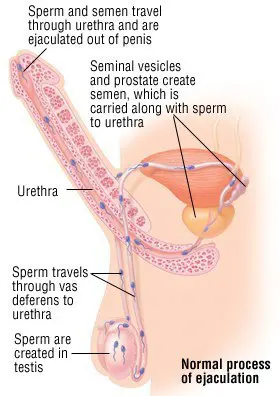
Delayed ejaculation is a male sexual dysfunction in which ejaculation takes an unusually long time to occur or does not occur at all despite adequate sexual stimulation and arousal. The condition can be lifelong or acquired later in life and may occur in specific situations or consistently. Delayed ejaculation can cause distress, affect intimate relationships, and reduce overall sexual satisfaction. …
Dehydration
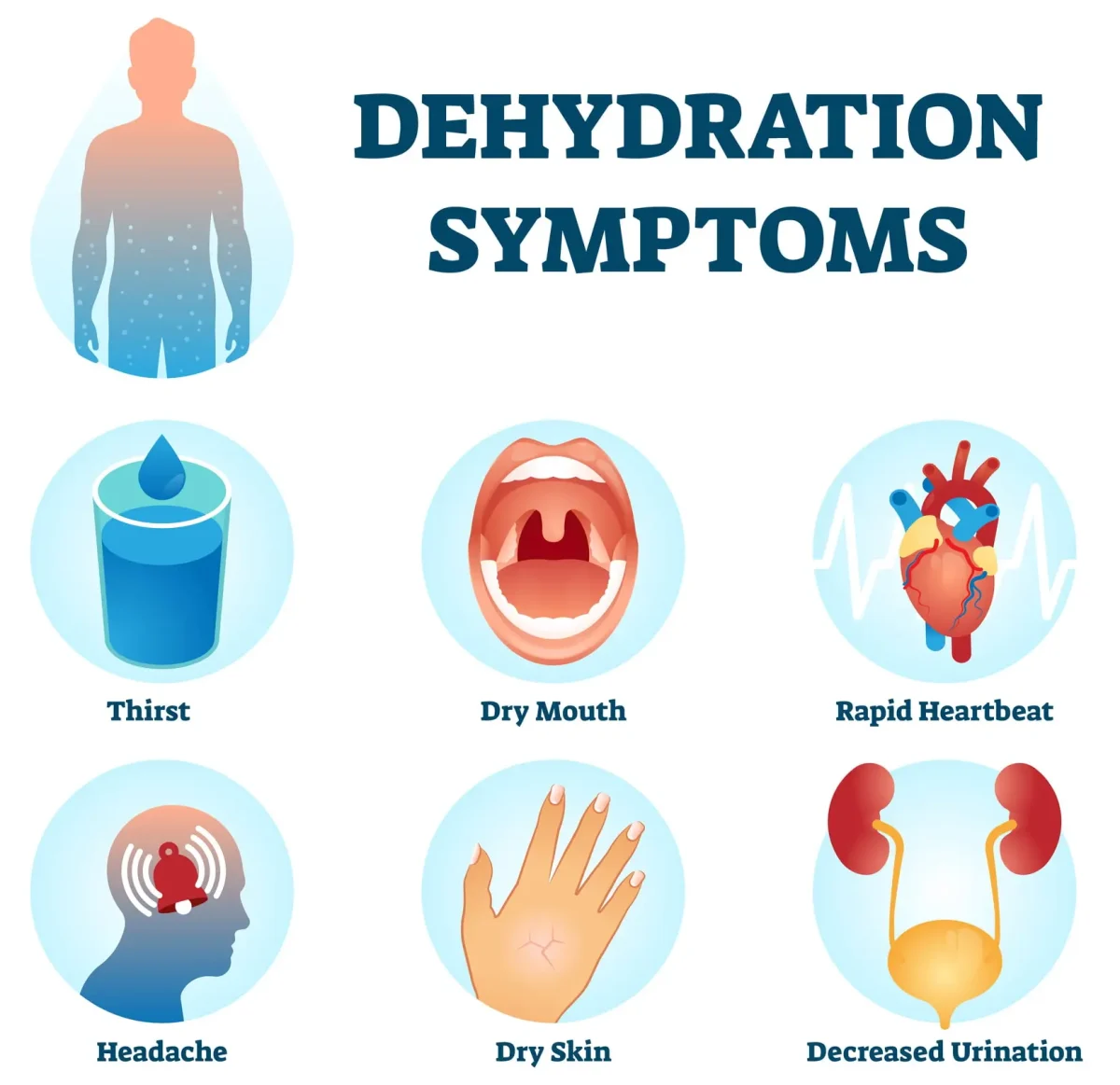
Dehydration occurs when the body loses more fluids than it takes in, resulting in an inadequate amount of water to carry out normal bodily functions. Water is essential for regulating body temperature, maintaining blood pressure, and supporting organ function. Dehydration can range from mild to severe and may affect people of all ages, especially infants, older adults, and those exposed …
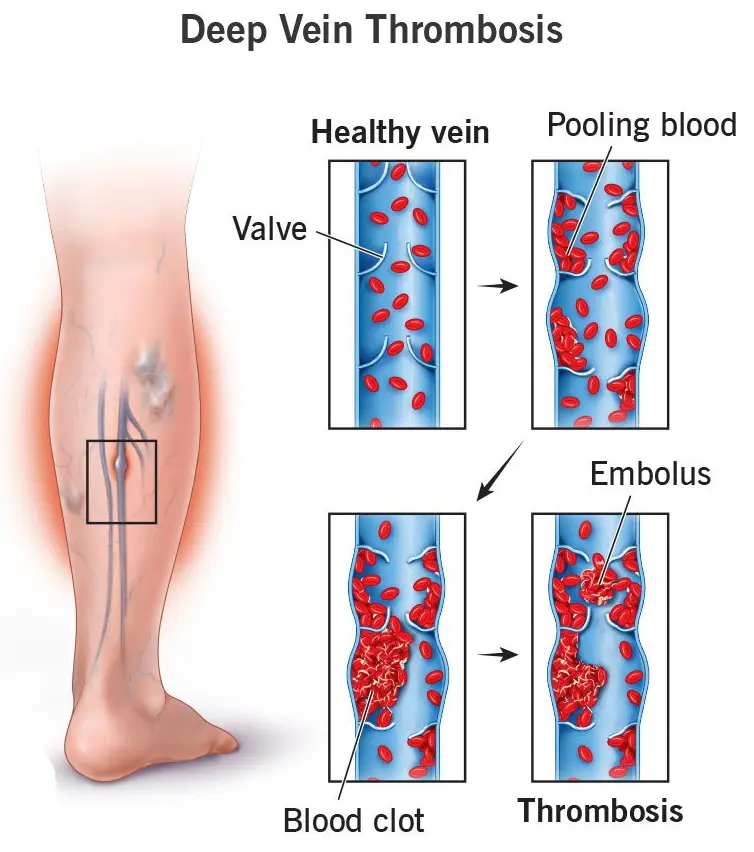
Deep Vein Thrombosis (DVT)
Deep Vein Thrombosis (DVT) is a medical condition in which a blood clot forms in a deep vein, most commonly in the legs. The clot can partially or completely block blood flow, leading to pain and swelling. DVT is a serious condition because a clot can break loose and travel to the lungs, causing a life-threatening pulmonary embolism. Early recognition …
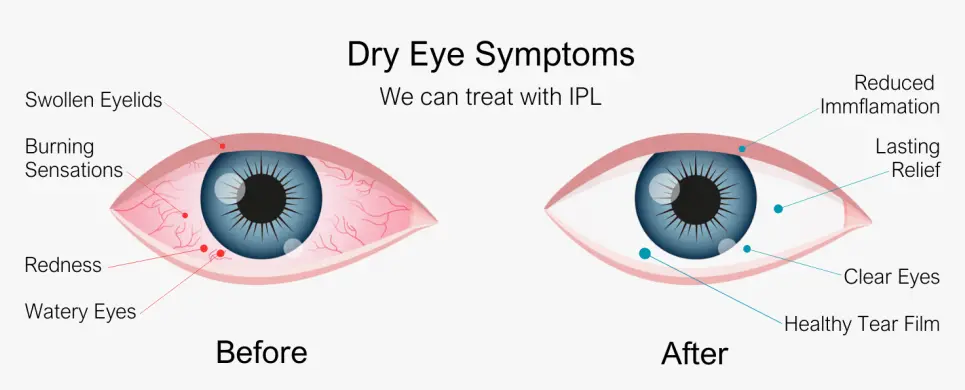
Dry Eyes
Dry eyes, also known as dry eye disease, is a common condition that occurs when the eyes do not produce enough tears or when tears evaporate too quickly. Tears are essential for maintaining eye health, comfort, and clear vision. When the tear film is disrupted, the eyes may become irritated, inflamed, and uncomfortable. Dry eyes can be temporary or chronic …
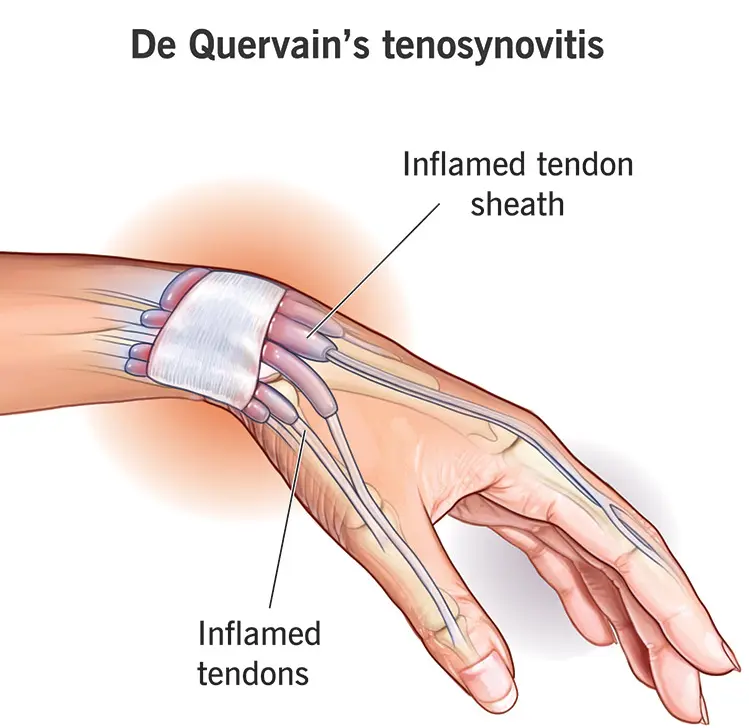
De Quervain Tenosynovitis
De Quervain tenosynovitis is a painful condition that affects the tendons on the thumb side of the wrist. It occurs when the tendons that control thumb movement become inflamed or irritated as they pass through a narrow tunnel near the wrist. This inflammation can restrict tendon movement and cause pain, especially during gripping, lifting, or twisting motions. The condition is …
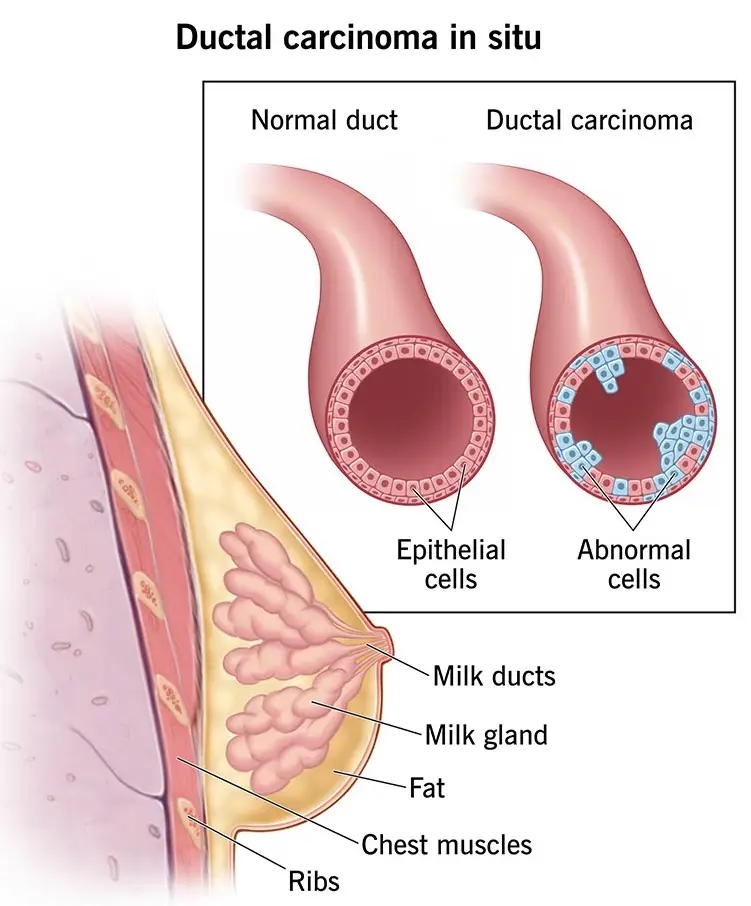
Ductal Carcinoma in Situ (DCIS)
Ductal carcinoma in situ is a noninvasive breast condition in which abnormal cells are found in the lining of the milk ducts. The term “in situ” means the cells have not spread beyond the ducts into surrounding breast tissue. DCIS is considered the earliest form of breast cancer and is highly treatable when detected early. Symptoms Many people with ductal …
Cytomegalovirus (CMV) Infection
Cytomegalovirus infection is a common viral infection caused by a member of the herpesvirus family. Many people are infected at some point in their lives and may never develop symptoms. Once infected, the virus remains in the body in a dormant state and can reactivate later. Cytomegalovirus infection is usually mild in healthy individuals but can cause serious illness in …