COPD

admin

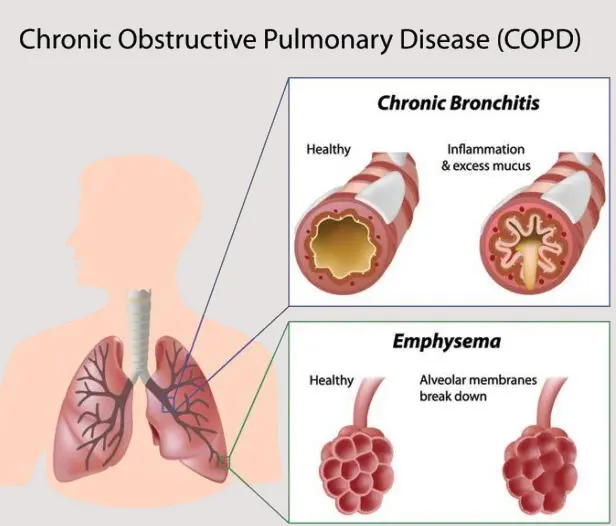
Chronic obstructive pulmonary disease (COPD) is a long-term lung condition characterized by persistent airflow limitation that makes breathing difficult. It primarily includes chronic bronchitis and emphysema and is most commonly caused by long-term exposure to harmful substances, especially tobacco smoke. COPD is a progressive disease, meaning symptoms typically worsen over time, but early diagnosis and proper management can significantly improve …
Hashimoto’s Disease

admin

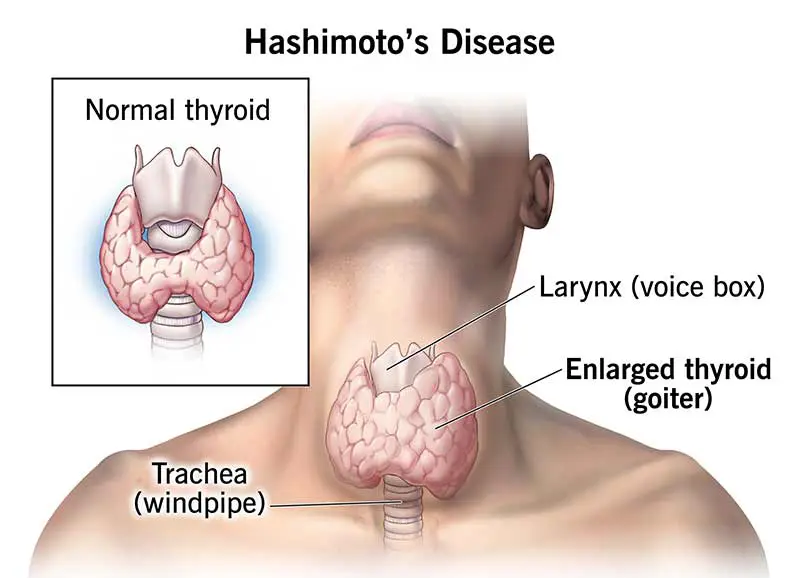
Hashimoto’s disease, also known as Hashimoto’s thyroiditis, is an autoimmune disorder in which the immune system attacks the thyroid gland. This leads to chronic inflammation and gradually reduces the thyroid’s ability to produce hormones. It is the most common cause of hypothyroidism in many parts of the world and often develops slowly over time. Symptoms Symptoms of Hashimoto’s disease may …

Chronic Hives

admin

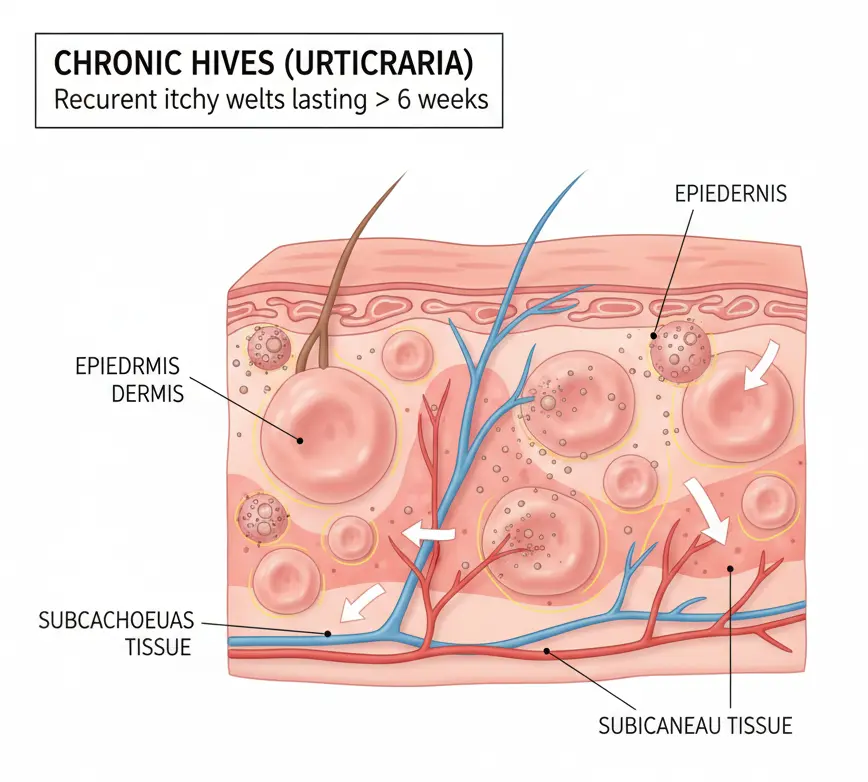
Chronic hives, also known as chronic urticaria, is a condition characterized by recurrent itchy, raised welts on the skin that persist for six weeks or longer. The hives may appear suddenly, change size or shape, and fade and reappear in different areas of the body. In some cases, swelling of deeper skin layers, called angioedema, may occur alongside hives. Chronic …

Chronic Granulomatous Disease

admin

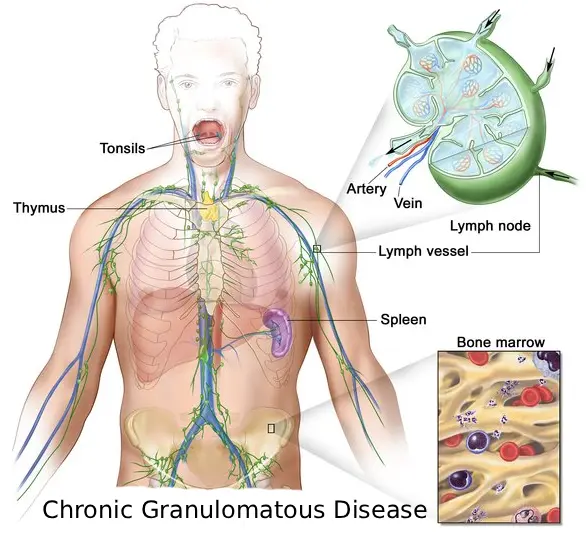
Chronic Granulomatous Disease (CGD) is a rare inherited immune system disorder that affects the body’s ability to fight certain bacterial and fungal infections. It occurs due to a defect in white blood cells called phagocytes, which are unable to produce reactive oxygen species needed to kill specific pathogens. As a result, individuals with CGD experience recurrent, sometimes life-threatening infections and …

Myalgic Encephalomyelitis/Chronic Fatigue Syndrome (ME/CFS)

admin

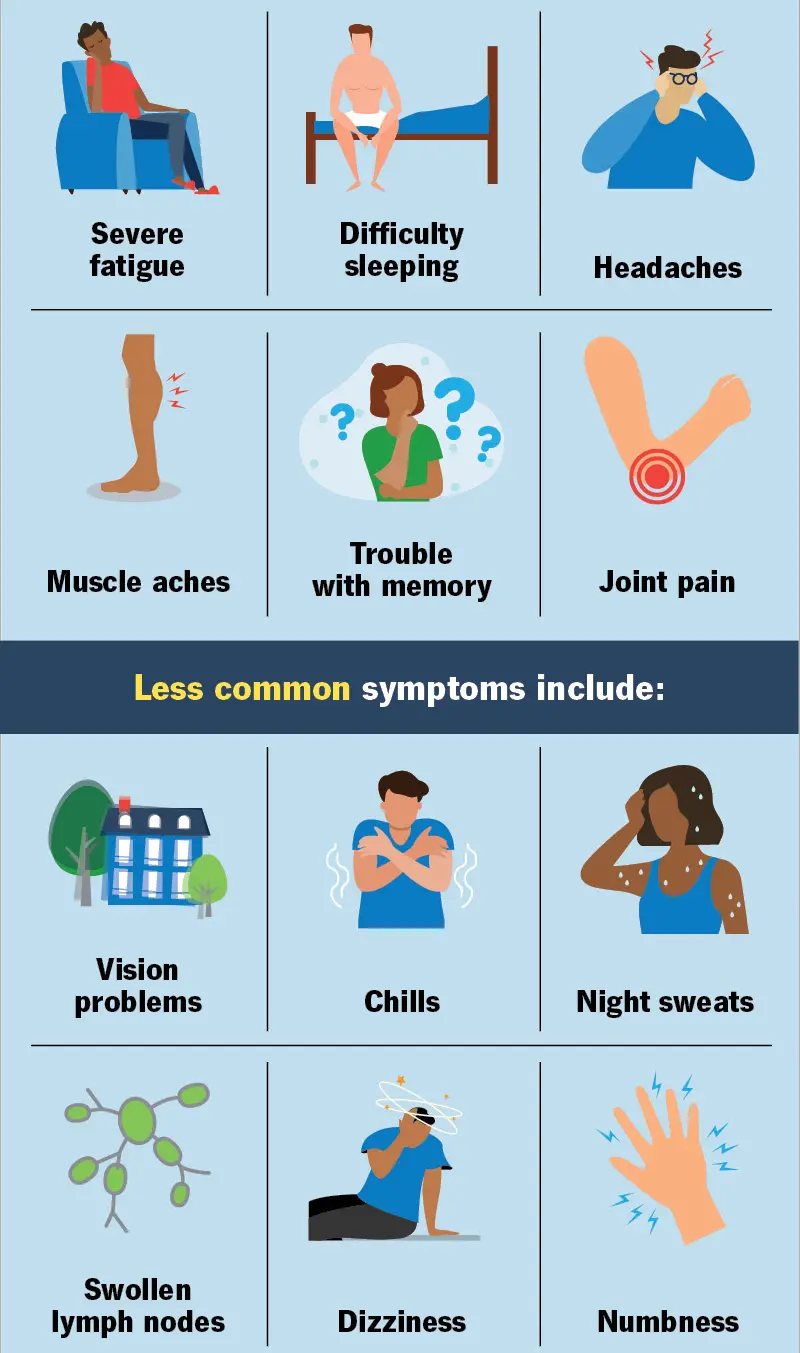
Myalgic encephalomyelitis, also known as chronic fatigue syndrome, is a long-term, complex condition characterized by profound fatigue that does not improve with rest and worsens after physical or mental exertion. The fatigue is severe enough to interfere with daily activities and work. ME/CFS affects multiple body systems, including the nervous, immune, and cardiovascular systems. The condition can vary in severity, …

Chronic Daily Headaches

admin

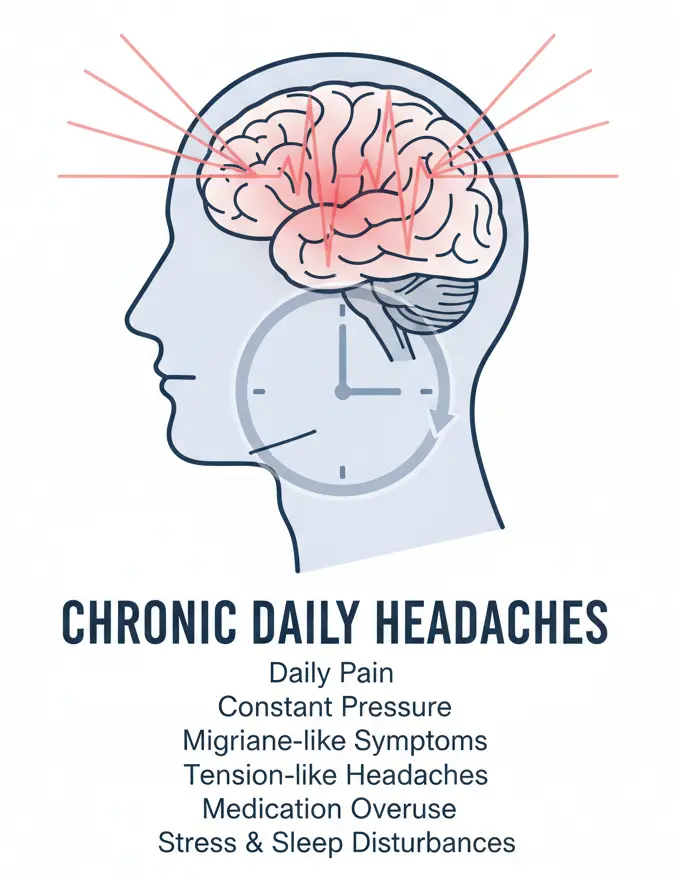
Chronic daily headaches refer to a group of headache disorders in which a person experiences headaches on 15 or more days per month for at least three months. Rather than being a single diagnosis, chronic daily headaches include several headache types, most commonly chronic migraine and chronic tension-type headache. These headaches can significantly interfere with daily activities, work productivity, and …

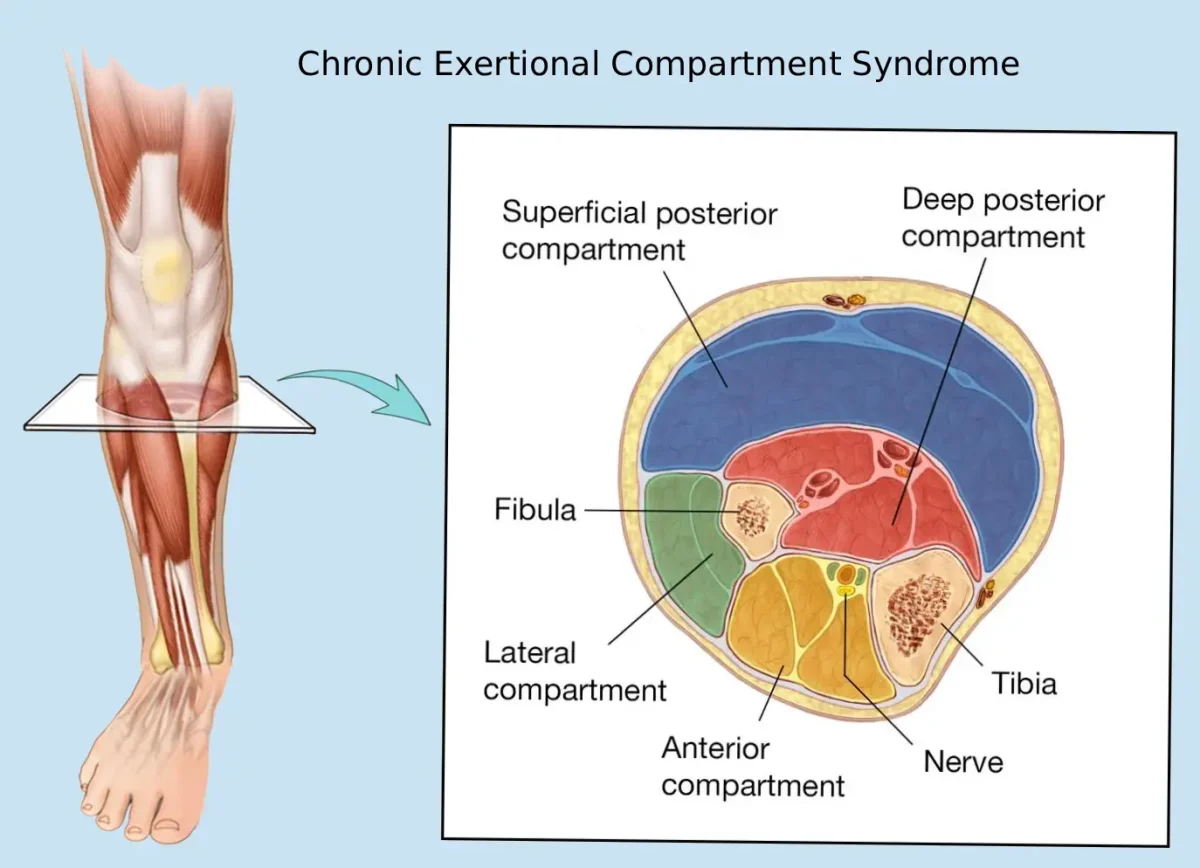
Chronic Exertional Compartment Syndrome

admin

Chronic exertional compartment syndrome is a condition characterized by increased pressure within a muscle compartment during physical activity, leading to pain and reduced blood flow to the affected muscles and nerves. It most commonly affects the lower legs and is often seen in athletes or individuals who engage in repetitive, high-impact activities such as running. Symptoms typically develop during exercise …

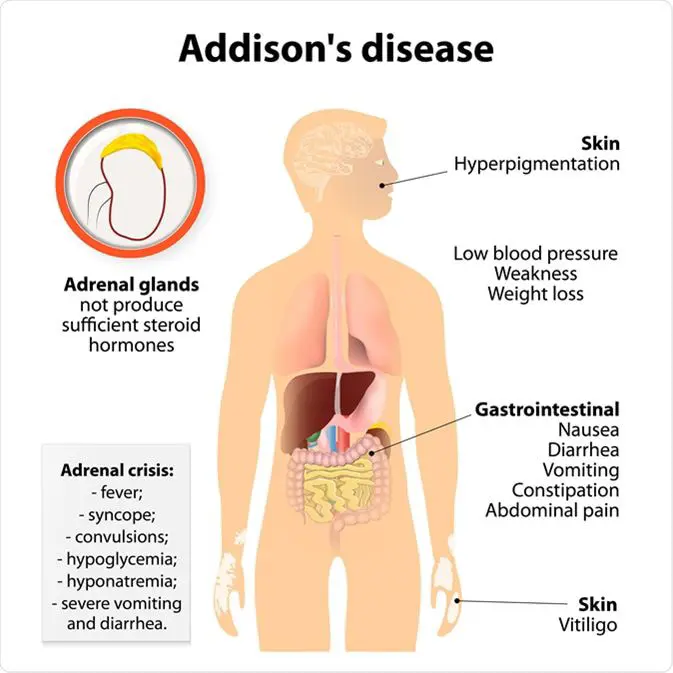
Addison’s Disease

admin

Addison’s disease is a rare condition that occurs when the body does not produce enough of certain hormones. It is also called primary adrenal insufficiency. In this condition, the adrenal glands produce too little cortisol and often too little aldosterone as well. Addison’s disease develops when the adrenal glands are damaged. Symptoms usually appear slowly over time. Early signs may …

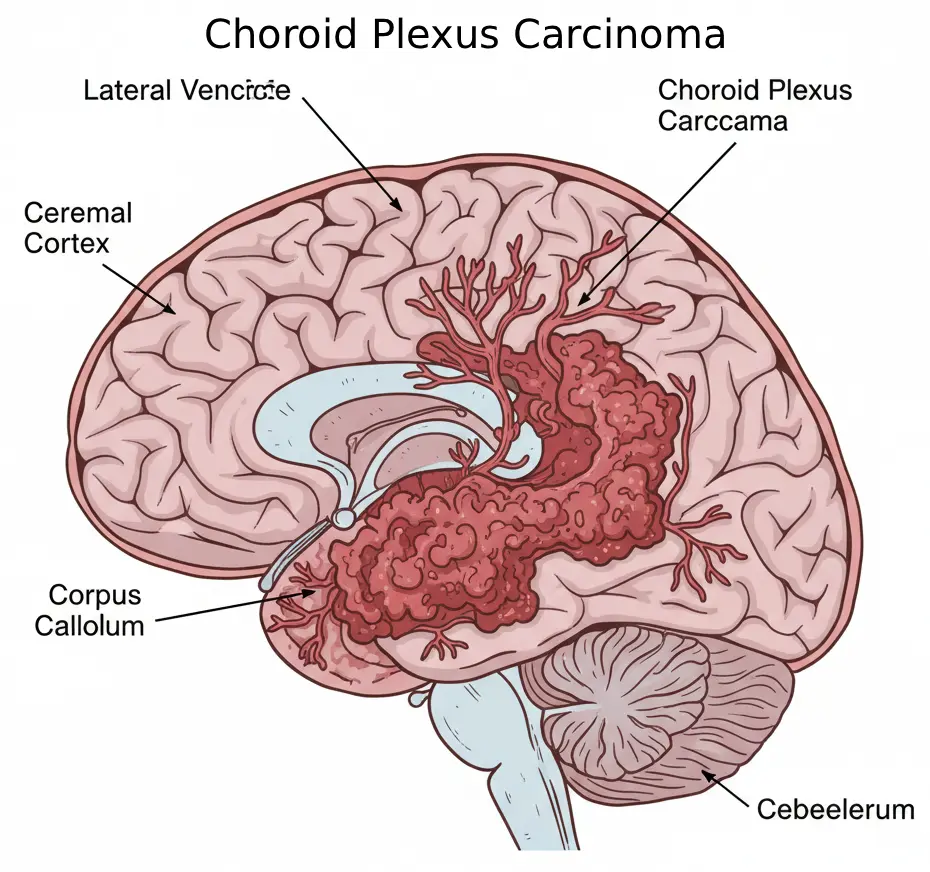
Choroid Plexus Carcinoma

admin

Choroid plexus carcinoma is a rare and aggressive malignant brain tumor that originates from the choroid plexus, a structure within the brain ventricles responsible for producing cerebrospinal fluid. This condition primarily affects infants and young children, though it can occur rarely in adults. Due to its rapid growth and tendency to spread within the central nervous system, choroid plexus carcinoma …

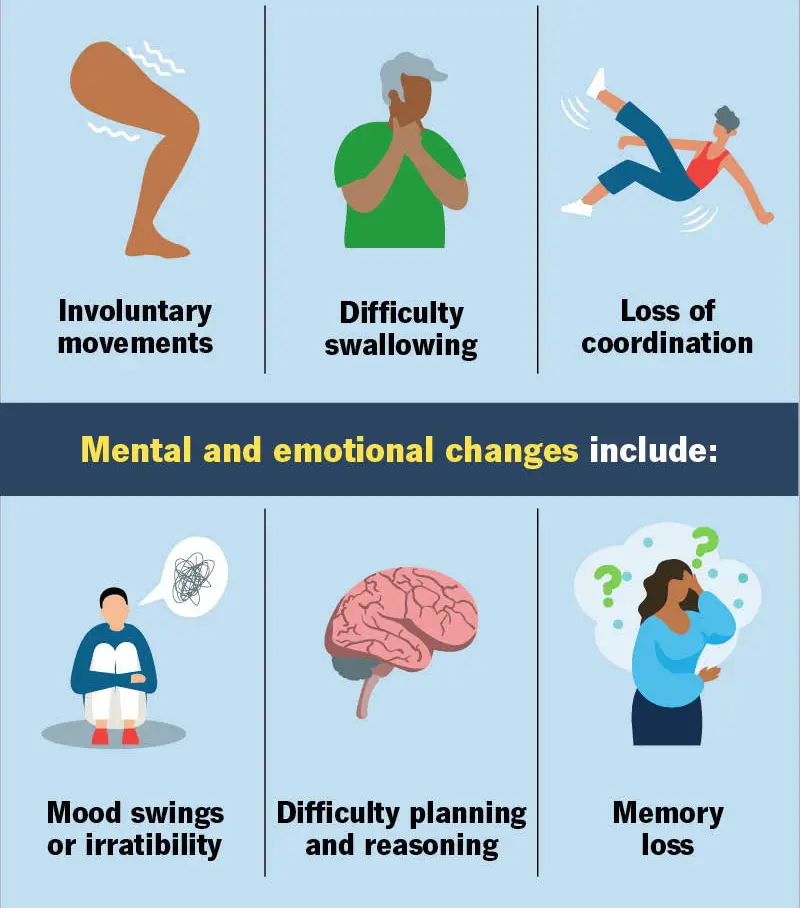
Huntington’s Disease

admin

Huntington’s disease is a rare, inherited neurological disorder that causes the progressive breakdown of nerve cells in the brain. It affects movement, thinking ability, and emotional regulation. Symptoms usually begin in adulthood, most commonly between the ages of 30 and 50, and gradually worsen over time. The condition has a significant impact on daily functioning and quality of life. Because …