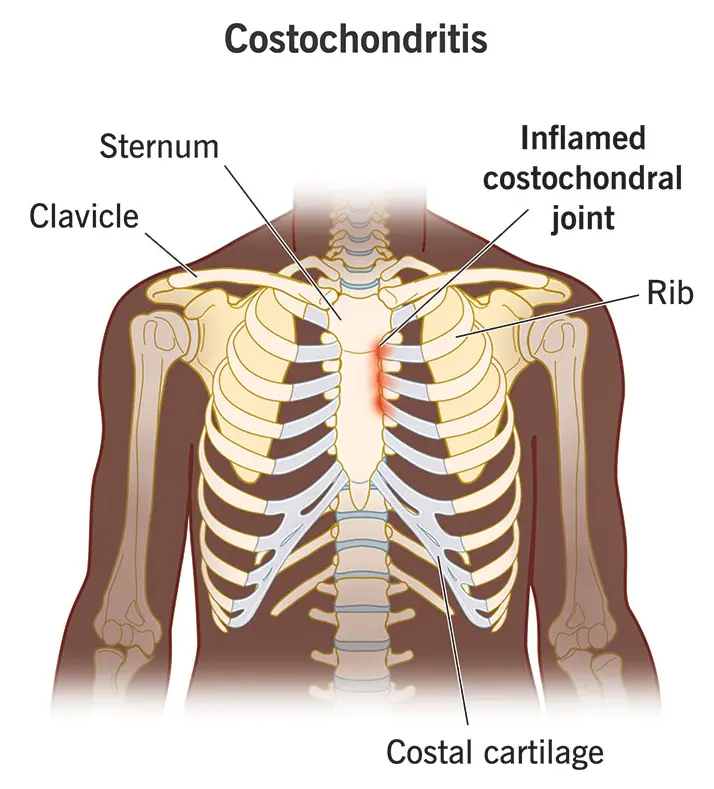
Costochondritis is an inflammation of the cartilage that connects the ribs to the breastbone (sternum). This condition commonly causes chest pain that may feel sharp, aching, or pressure-like and can sometimes be mistaken for heart-related pain. Although costochondritis can be uncomfortable and alarming, it is generally harmless and not related to heart disease. It can affect people of all ages …
Chest Pain
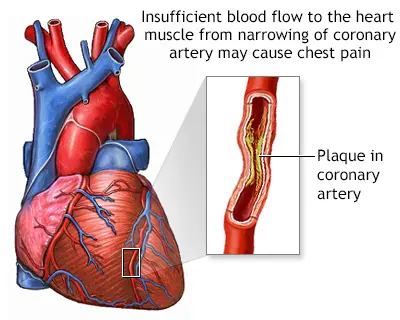
Chest pain is a common symptom that can range from mild discomfort to severe, life-threatening pain. It may originate from the heart, lungs, digestive system, muscles, bones, or nerves. While some causes of chest pain are harmless, others, such as heart attack or pulmonary embolism, require immediate medical attention. Because chest pain has many possible causes, proper evaluation is essential …
Chemo Brain
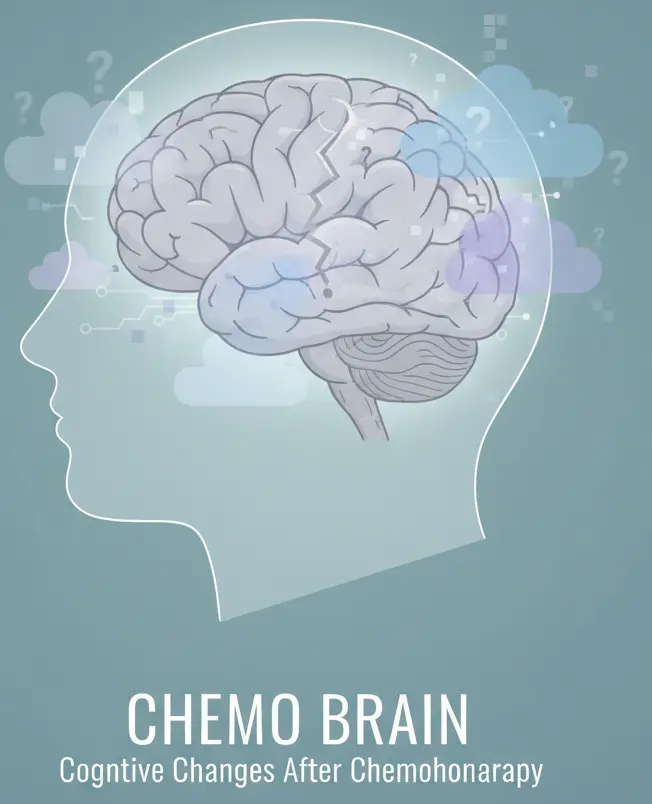
Chemo brain, also known as chemotherapy-related cognitive impairment, refers to changes in memory, concentration, and thinking abilities experienced by some people during or after cancer treatment. Although commonly associated with chemotherapy, similar cognitive symptoms can also occur with radiation therapy, hormone therapy, immunotherapy, or cancer itself. Chemo brain is usually temporary, but in some individuals, symptoms may persist for months …
Hip Dysplasia
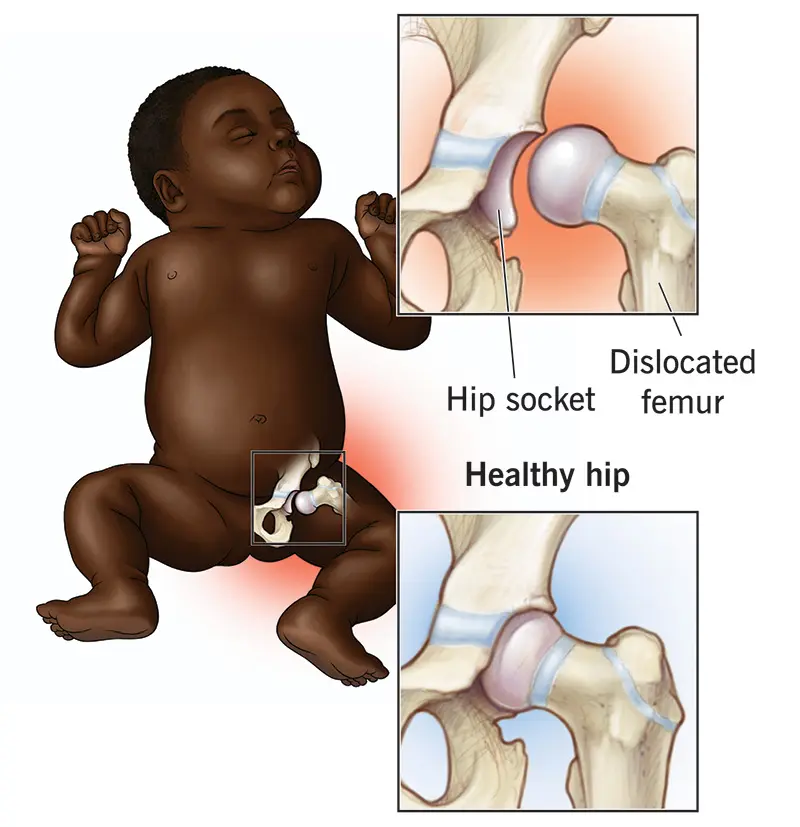
Hip Dysplasia is a condition in which the hip joint does not develop properly. The hip is a ball-and-socket joint, where the rounded head of the thigh bone fits into a cup-shaped socket in the pelvis. In hip dysplasia, the socket may be too shallow or improperly formed, causing the joint to be unstable. This condition is most commonly diagnosed …
Charcot-Marie-Tooth Disease
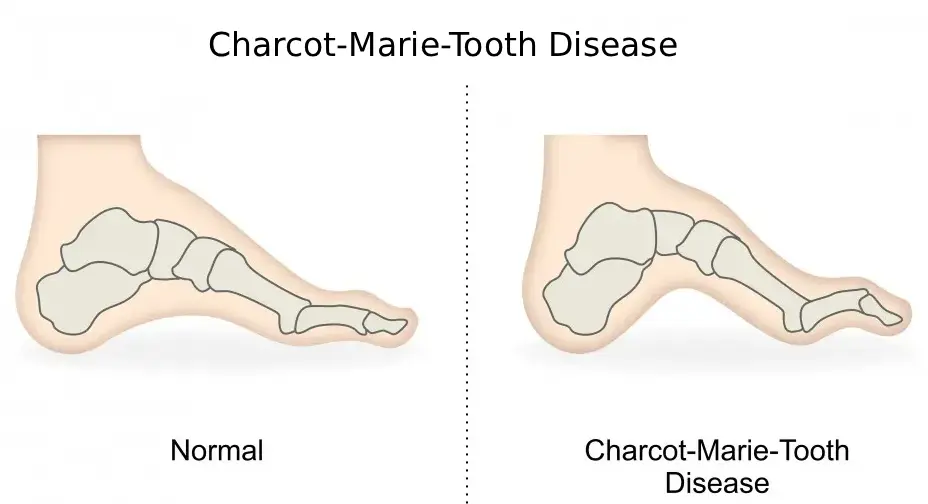
Charcot-Marie-Tooth disease (CMT) is a group of inherited neurological disorders that affect the peripheral nerves, which control muscle movement and transmit sensory information from the limbs to the brain. It is one of the most common inherited nerve disorders. CMT typically progresses slowly and leads to muscle weakness, reduced sensation, and changes in foot and hand structure. Symptoms often begin …
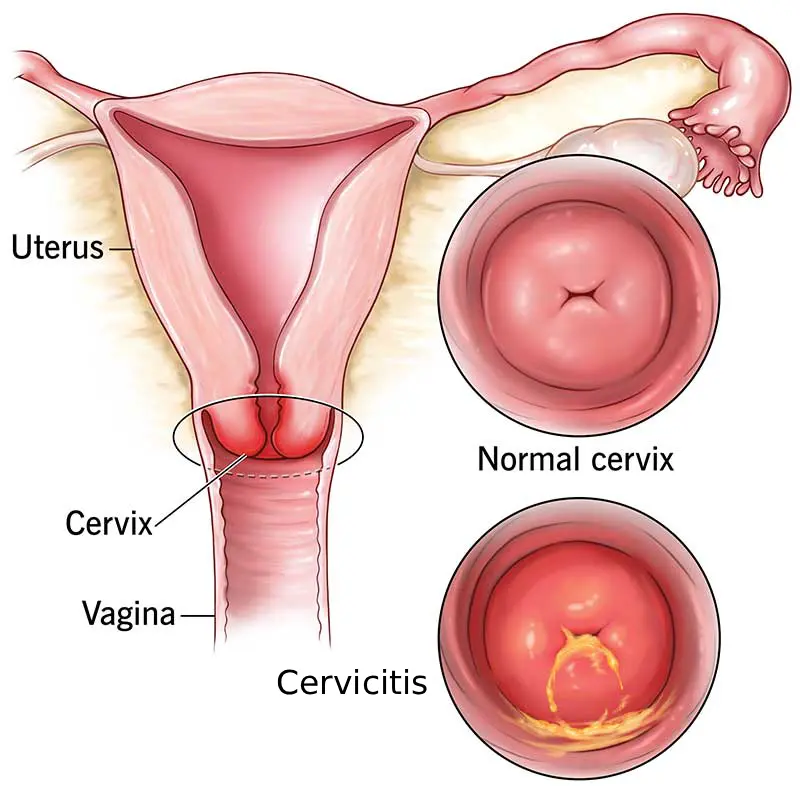
Cervicitis
Cervicitis is inflammation of the cervix, the lower part of the uterus that opens into the vagina. It is a common gynecological condition and may be caused by infections, irritation, or allergic reactions. Cervicitis can occur in women of all ages and may be acute or chronic. In some cases, it causes noticeable symptoms, while in others it may be …
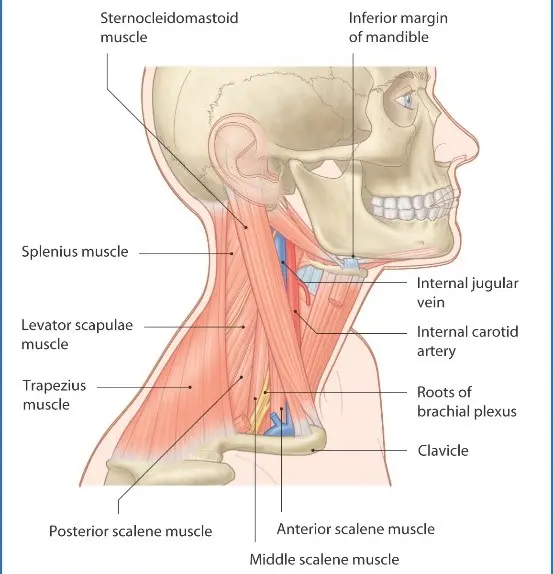
Neck Pain
Neck pain is a common condition that affects the muscles, ligaments, joints, or nerves of the cervical spine. It can range from mild discomfort to severe pain that interferes with daily activities. Neck pain may develop suddenly due to injury or gradually as a result of poor posture, repetitive strain, or age-related changes. In most cases, neck pain improves with …
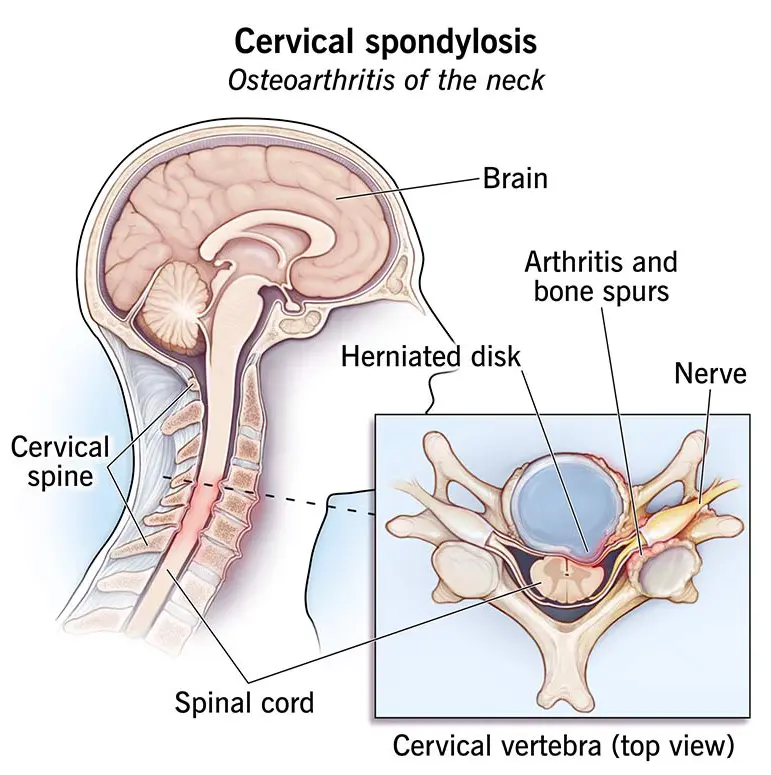
Cervical Spondylosis
Cervical spondylosis is a common age-related condition caused by degeneration of the bones, discs, and joints in the cervical spine, which is the neck portion of the spine. Over time, wear and tear can lead to disc dehydration, bone spur formation, and reduced flexibility of the neck. While many people experience no symptoms, others may develop pain, stiffness, or neurological …
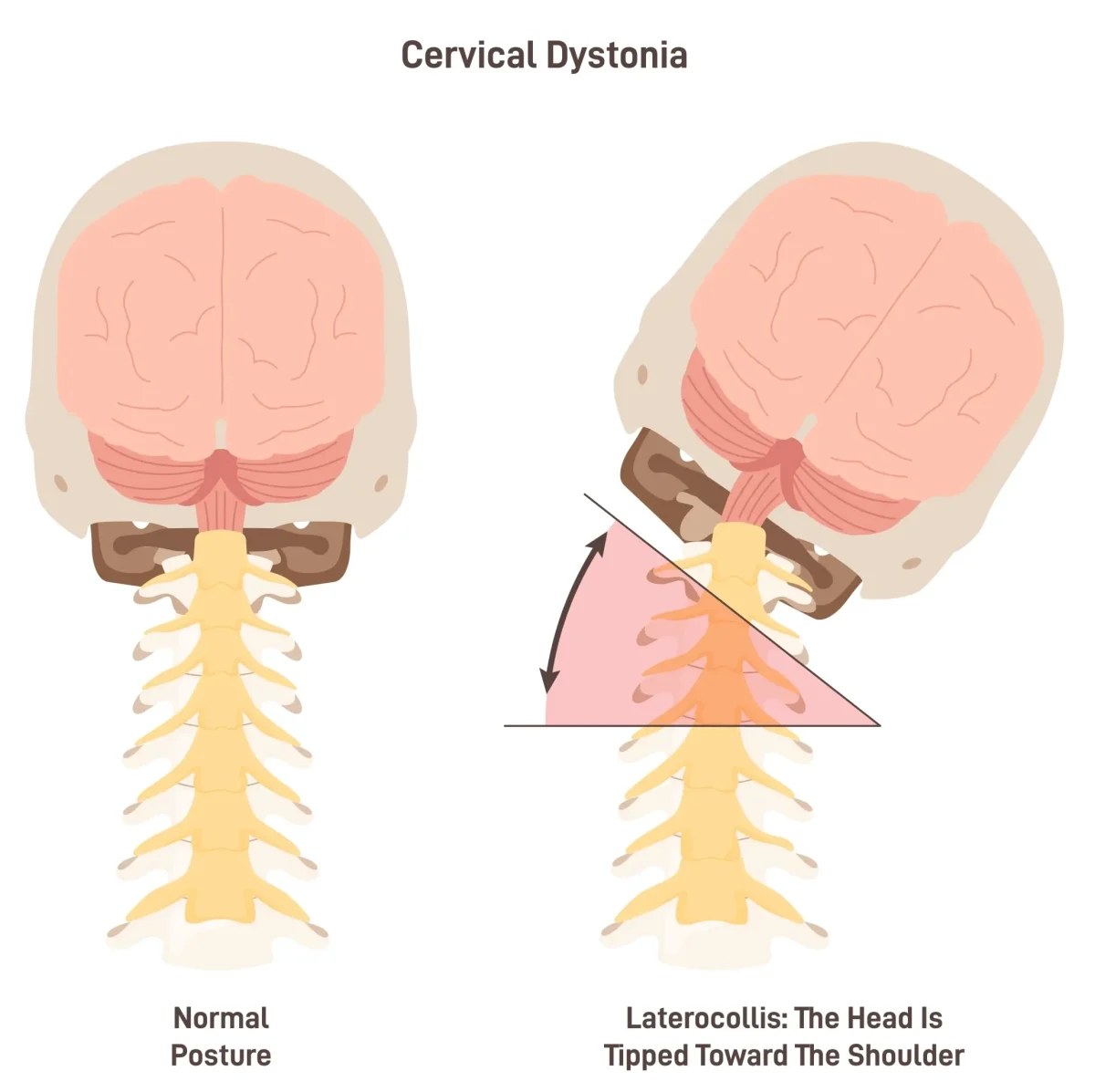
Cervical Dystonia
Cervical dystonia, also known as spasmodic torticollis, is a neurological movement disorder characterized by involuntary muscle contractions in the neck. These contractions cause abnormal head postures, repetitive movements, or twisting of the neck. The condition can be painful and may significantly interfere with daily activities. Cervical dystonia typically develops in adulthood and varies in severity among individuals. Symptoms Symptoms may …
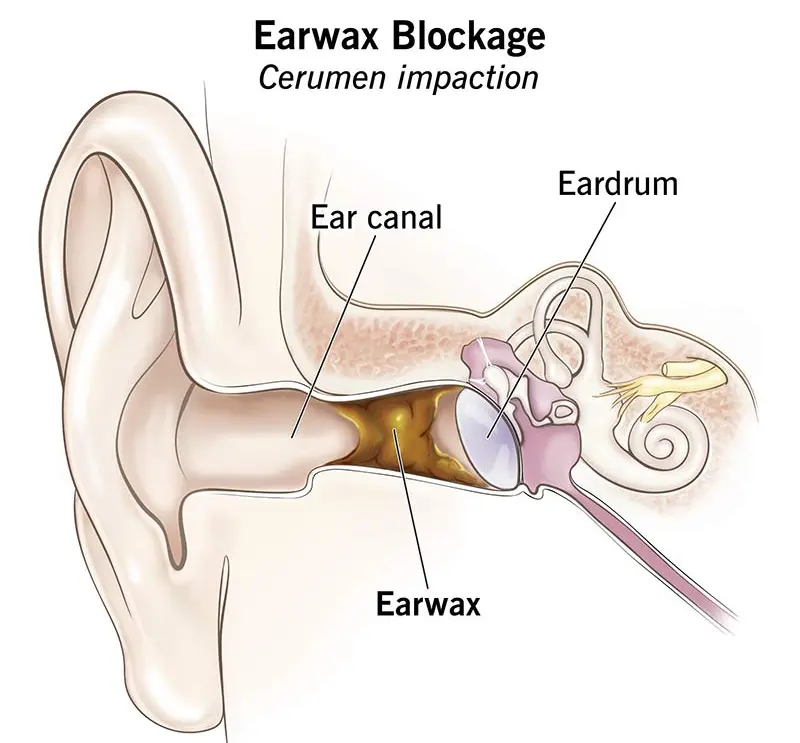
Earwax Blockage
Earwax blockage, also known as cerumen impaction, occurs when earwax builds up and hardens inside the ear canal. Earwax is a natural substance produced by glands in the ear that helps protect the ear canal by trapping dust, debris, and bacteria. Normally, earwax moves outward on its own and falls out of the ear. Problems develop when too much earwax …