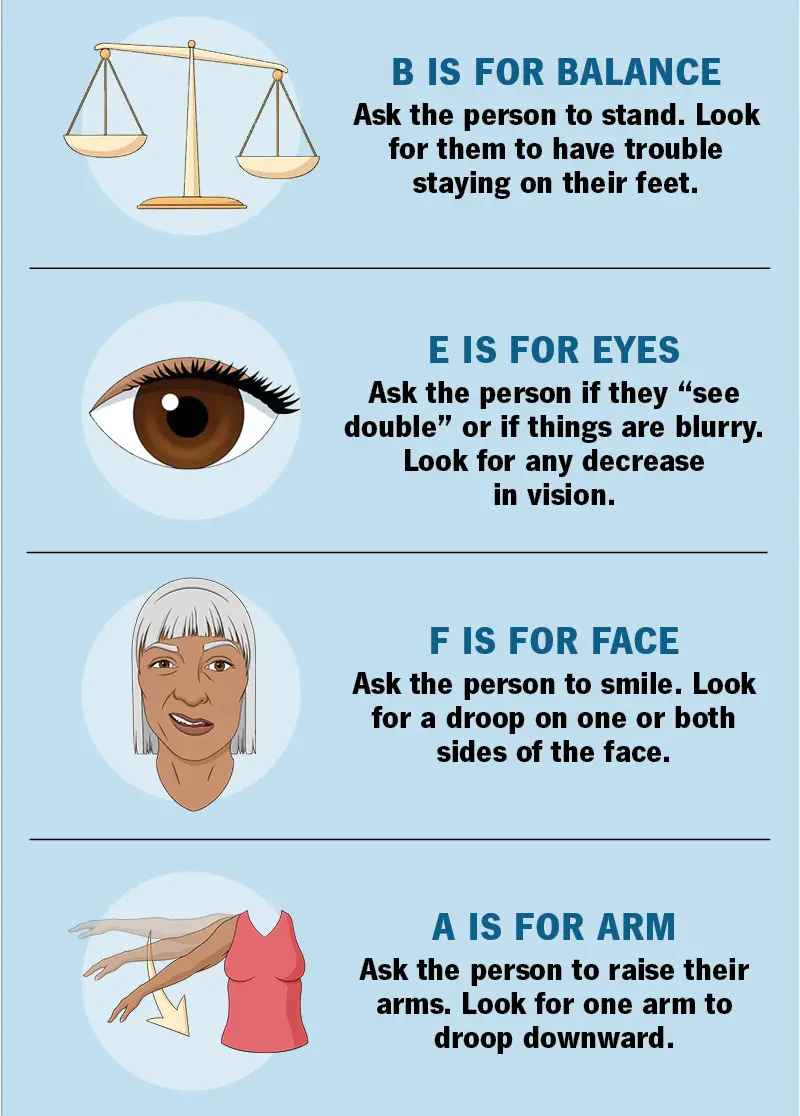
A stroke occurs when blood flow to a part of the brain is interrupted or reduced, preventing brain tissue from receiving oxygen and nutrients. This can lead to the death of brain cells within minutes. Strokes are a medical emergency and require immediate treatment to minimize brain damage and prevent long-term complications. There are two main types: ischemic stroke, caused …
CSF leak (Cerebrospinal Fluid Leak)
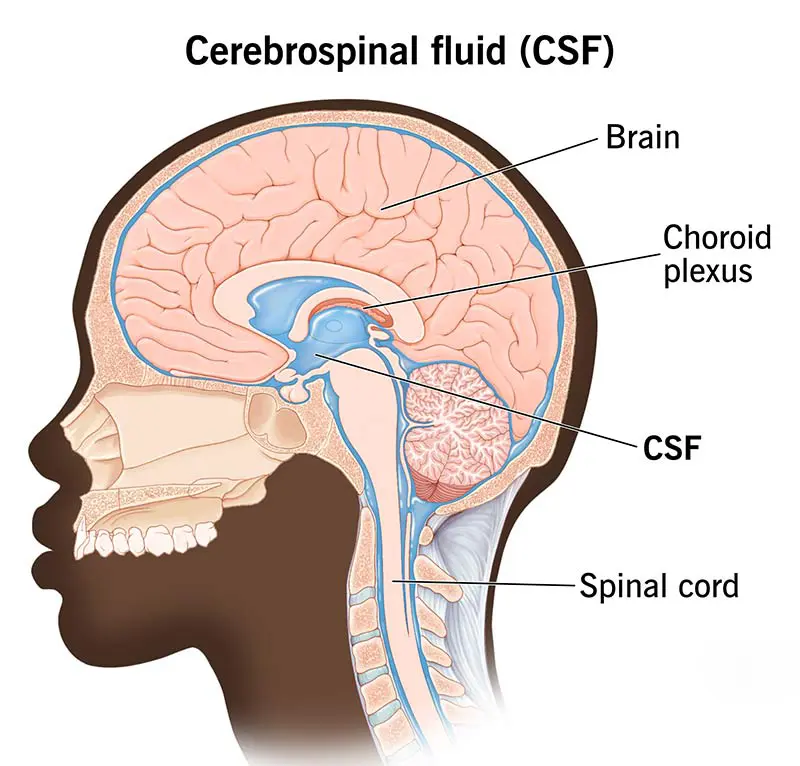
A cerebrospinal fluid leak occurs when the fluid that surrounds and protects the brain and spinal cord escapes through a tear or hole in the membranes that contain it. This condition can lead to changes in pressure around the brain and spinal cord, causing a variety of neurological symptoms. Cerebrospinal fluid leaks may develop spontaneously or occur after injury, surgery, …
Cerebral Palsy
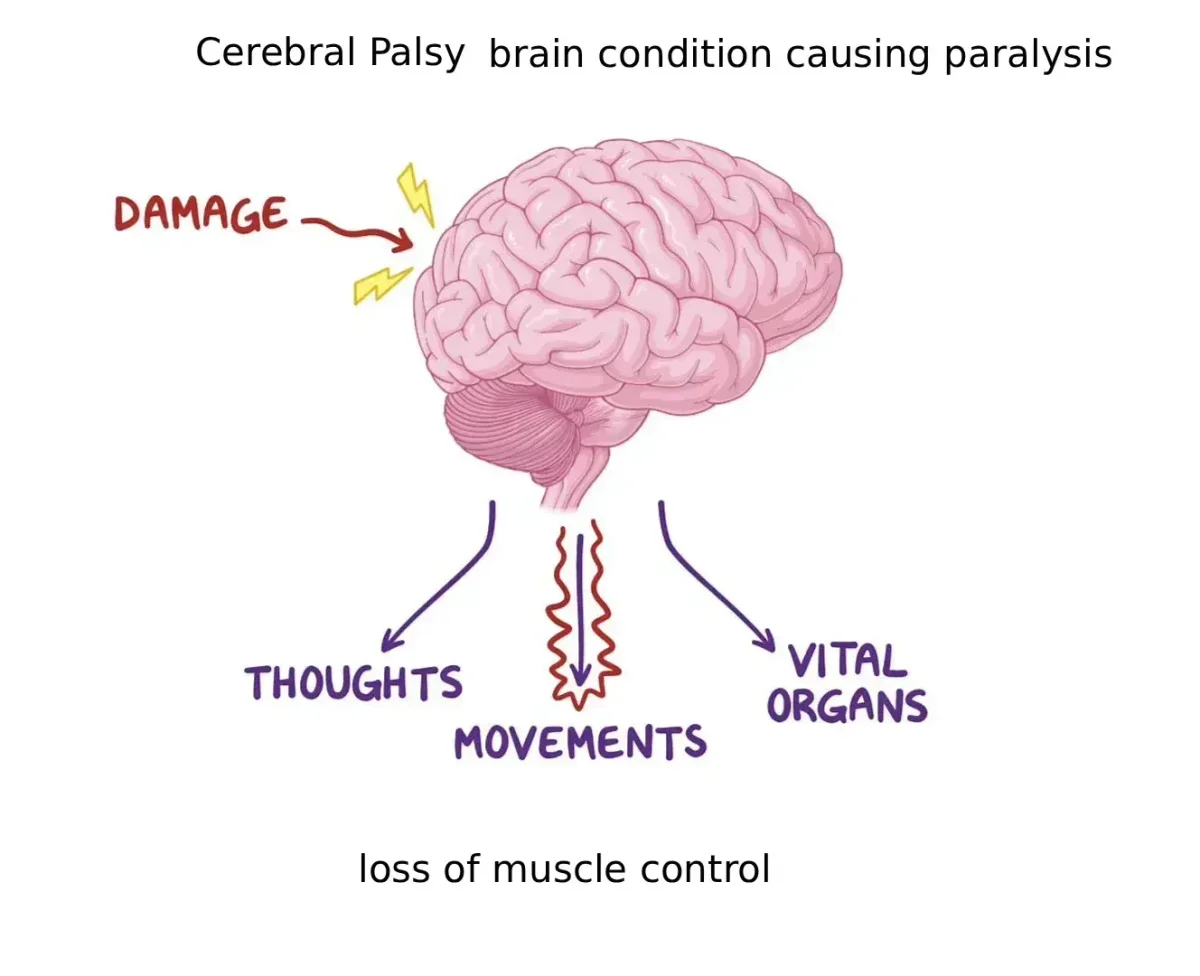
Cerebral palsy is a group of permanent neurological disorders that affect movement, muscle tone, posture, and coordination. It results from damage to the developing brain, most often occurring before birth, during delivery, or shortly after birth. The condition is non-progressive, meaning the brain injury does not worsen over time, but symptoms and functional limitations can change as a child grows. …
Swimmer’s Itch
Swimmer’s itch (cercarial dermatitis) is a temporary, non-contagious itchy rash that appears on your skin and is caused by a certain parasite found in fresh water (lake or pond water) or salt water (ocean water). If you swim in water that’s infested with the parasite, it can burrow (dig) into your skin. Your body has an allergic reaction to it, causing a …
Central Sleep Apnea
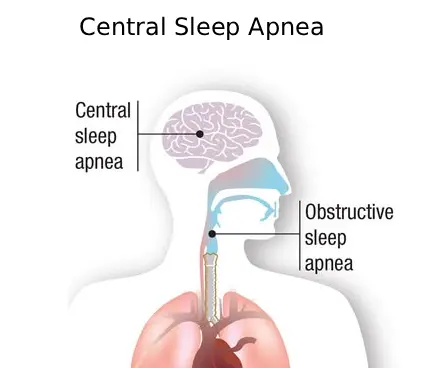
Central sleep apnea is a sleep-related breathing disorder in which breathing repeatedly stops and starts during sleep due to the brain failing to send proper signals to the muscles that control breathing. Unlike obstructive sleep apnea, this condition is not caused by airway blockage but by a problem in the central nervous system’s regulation of respiration. It can lead to …
Central Nervous System Vascular Malformations
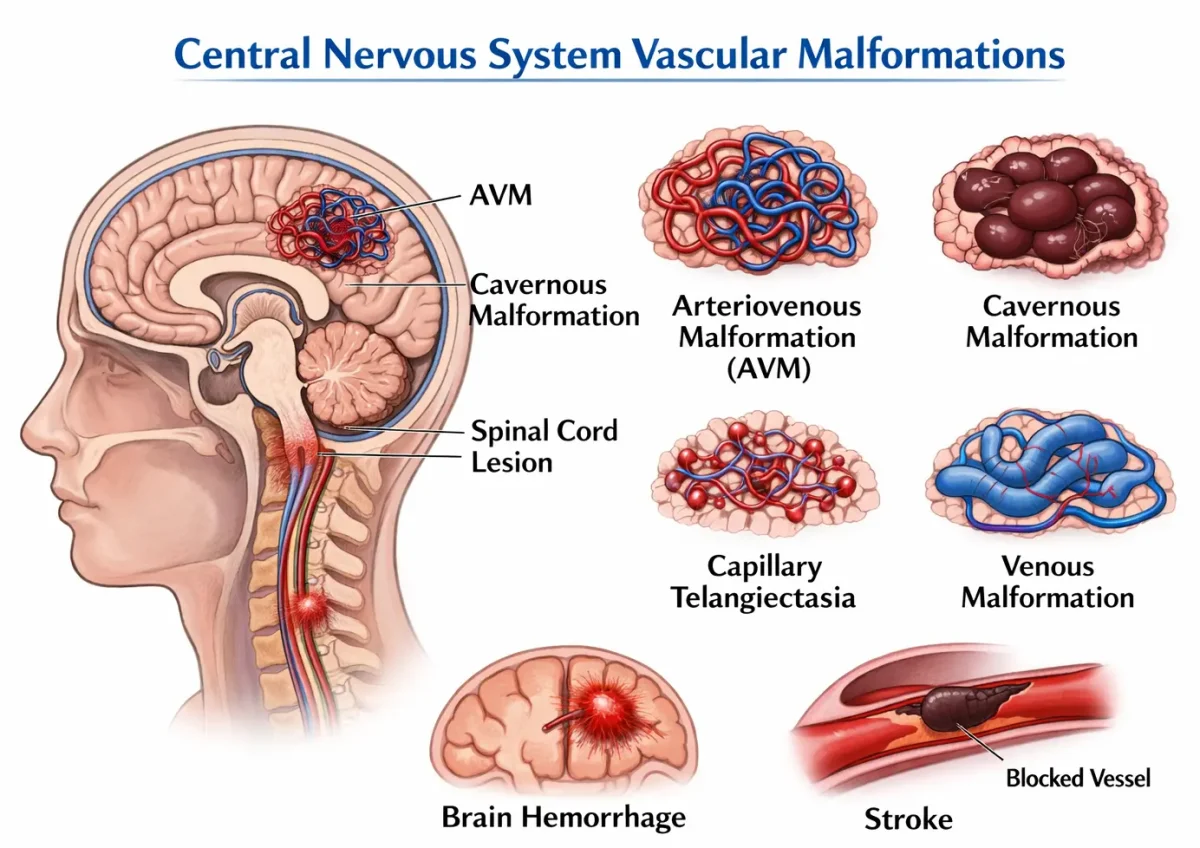
Central nervous system (CNS) vascular malformations are abnormal clusters of blood vessels in the brain or spinal cord. These malformations can disrupt normal blood flow and may lead to neurological symptoms or complications such as bleeding. CNS vascular malformations include several types, such as arteriovenous malformations (AVMs), cavernous malformations, capillary telangiectasias, and venous malformations. Some are present at birth, while …
Cellulitis
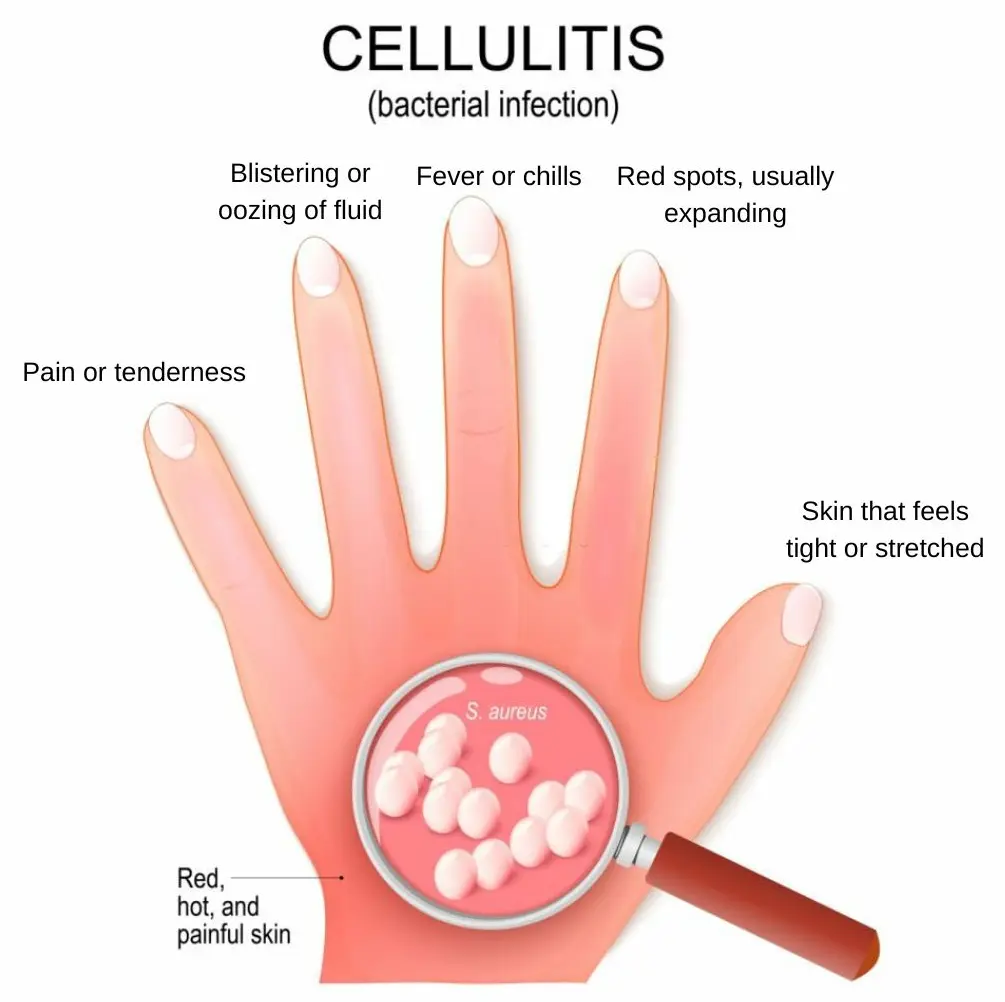
Cellulitis is a common bacterial skin infection that affects the deeper layers of the skin, including the dermis and subcutaneous tissue. It usually occurs when bacteria, most often Streptococcus or Staphylococcus, enter the skin through a cut, wound, insect bite, or surgical incision. Cellulitis can develop rapidly and may spread if untreated, making prompt medical attention essential. Symptoms Cellulitis symptoms …
Cellulite
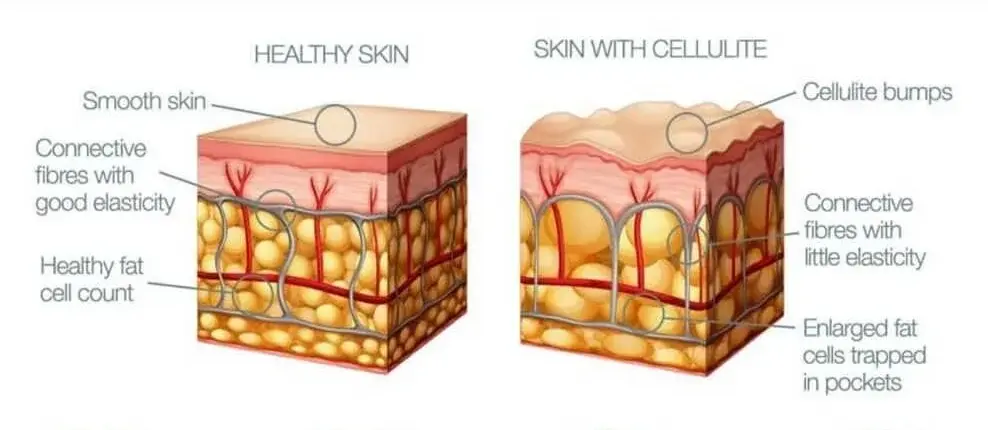
Cellulite is a common cosmetic condition in which the skin appears dimpled or lumpy, typically affecting the thighs, hips, buttocks, and abdomen. It occurs when fat deposits push through the connective tissue beneath the skin, creating an uneven surface. Cellulite is more common in women than men due to differences in fat distribution, connective tissue, and hormonal factors. While it …
Median Arcuate Ligament Syndrome (MALS)
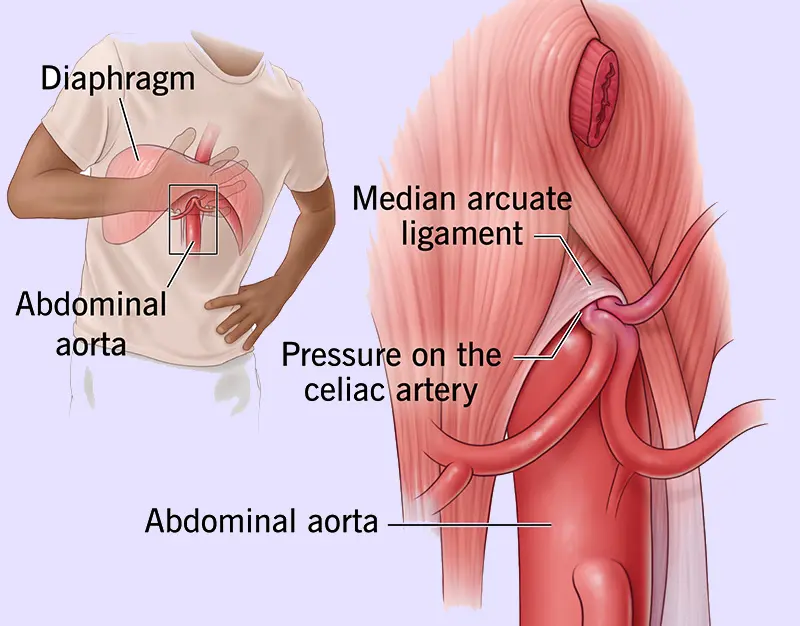
Median Arcuate Ligament Syndrome is a rare condition in which the median arcuate ligament, a fibrous band of the diaphragm, compresses the celiac artery and nearby nerves. This compression can reduce blood flow to the upper abdominal organs and irritate surrounding nerves, leading to chronic abdominal symptoms. MALS most commonly affects young to middle-aged adults and is more frequently diagnosed …
Congenital Diaphragmatic Hernia (CDH)
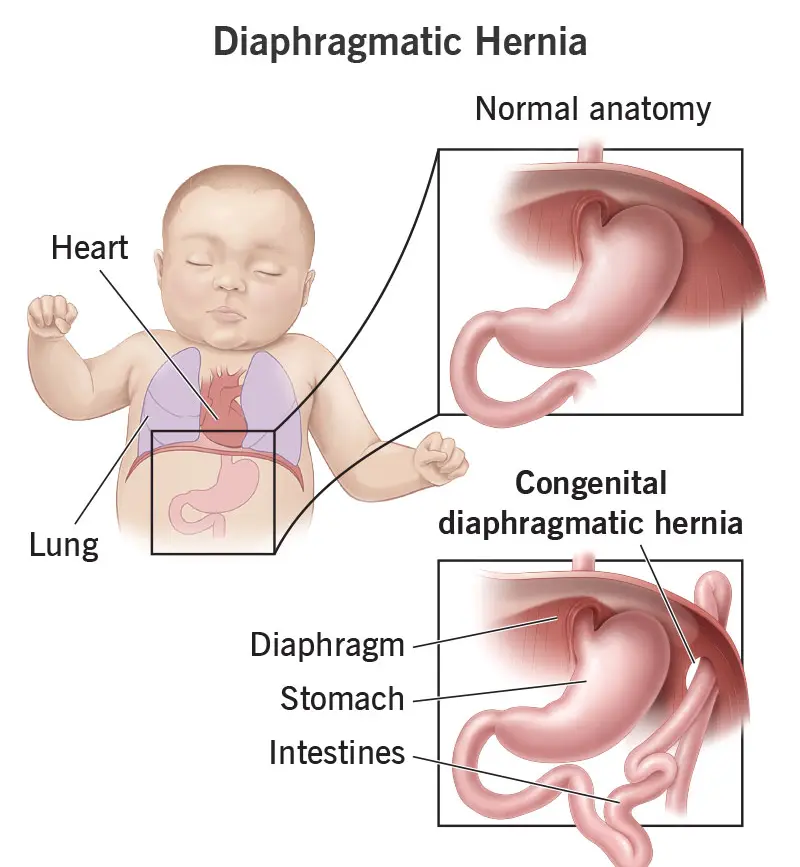
Congenital diaphragmatic hernia (CDH) is a birth defect in which an opening in the diaphragm allows abdominal organs, such as the stomach, intestines, or liver, to move into the chest cavity during fetal development. This displacement interferes with normal lung growth, often leading to underdeveloped lungs and breathing difficulties after birth. CDH is usually present at birth and can range …