Bladder Cancer

admin

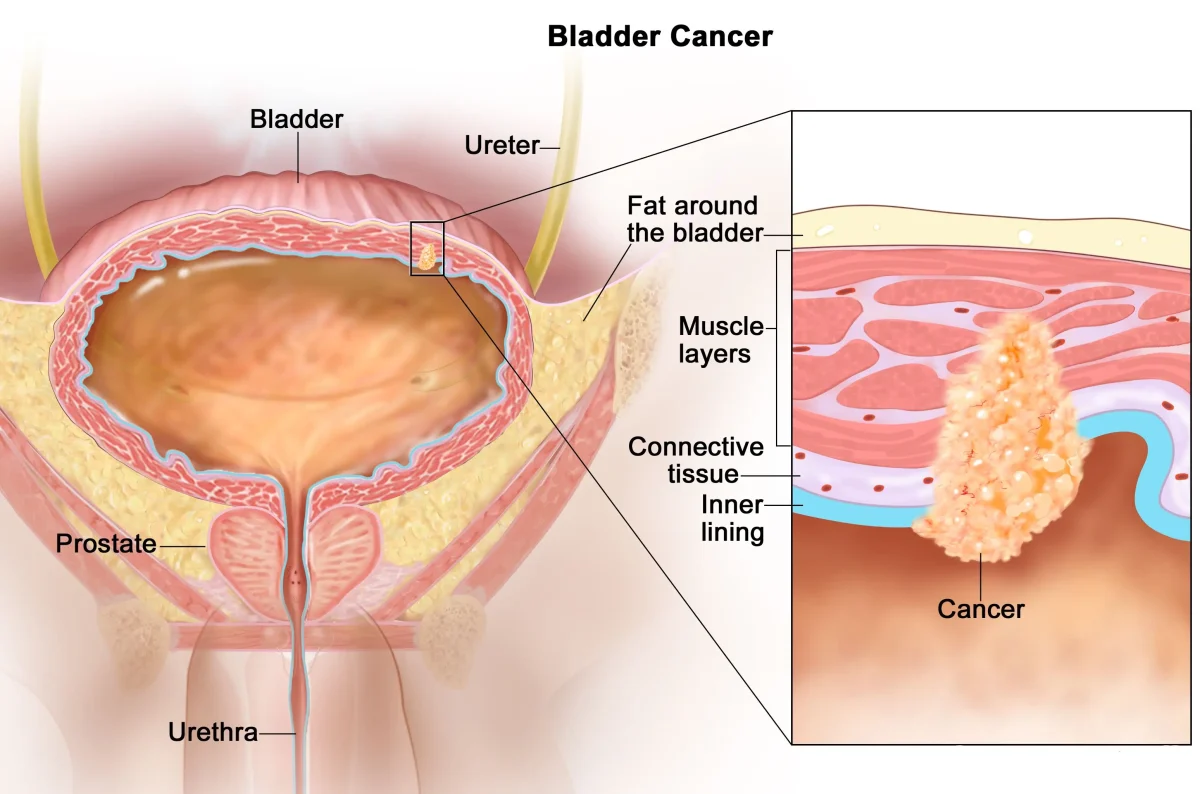
Bladder cancer is a type of cancer that begins in the cells of the bladder, the hollow organ in the lower abdomen that stores urine. Most bladder cancers start in the urothelial cells that line the inside of the bladder. The condition is more common in older adults and occurs more frequently in men, though women can also be affected. …

Bladder Stones

admin

Bladder stones are hard masses of minerals that form in the bladder when urine becomes concentrated. This usually happens when the bladder does not empty completely, allowing minerals in the urine to crystallize and gradually harden. Bladder stones can vary in size and number, ranging from very small particles to large stones that cause significant symptoms. While bladder stones are …

Black Hairy Tongue

admin

Black hairy tongue is a harmless and temporary condition in which the tongue appears dark, brown, or black and may look hairy. The appearance is caused by a buildup of dead skin cells on the surface of the tongue, leading to the overgrowth and staining of papillae, which are tiny projections that normally help with taste. Despite its unusual look, …

Binge-Eating Disorder

admin

Binge-eating disorder is a serious eating disorder characterized by recurrent episodes of eating unusually large amounts of food in a short period of time, accompanied by a feeling of loss of control. Unlike some other eating disorders, binge-eating disorder does not involve regular behaviors such as purging or excessive exercise to compensate for overeating. The condition can affect people of …

Bile Reflux

admin

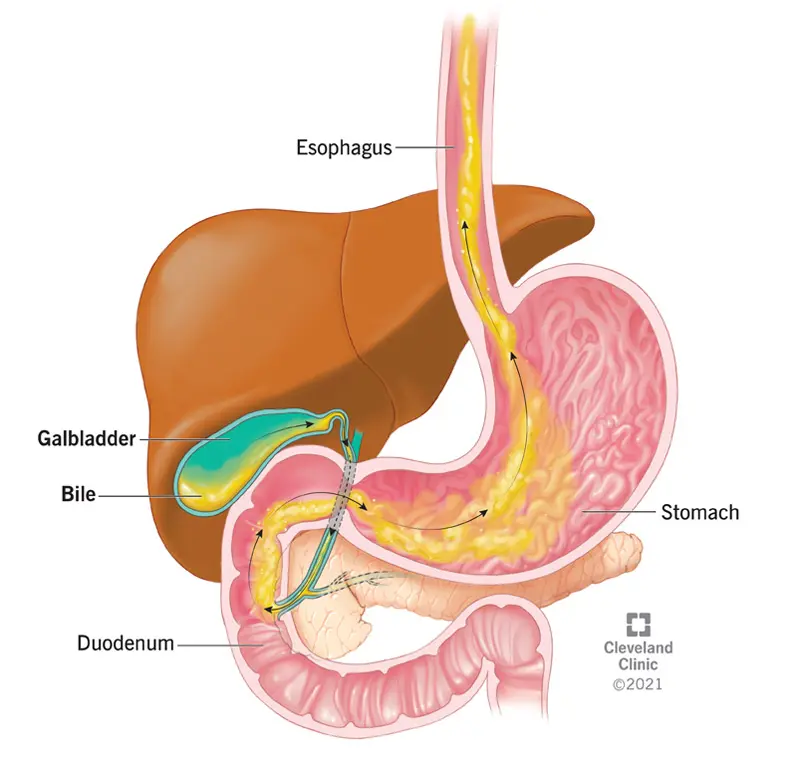
Bile reflux is a condition in which bile, a digestive fluid produced by the liver, flows upward from the small intestine into the stomach and sometimes into the esophagus. Bile helps digest fats, but when it moves in the wrong direction, it can irritate the lining of the stomach and esophagus. Bile reflux often occurs after stomach or gallbladder surgery, …

Cholangiocarcinoma (Bile Duct Cancer)

admin

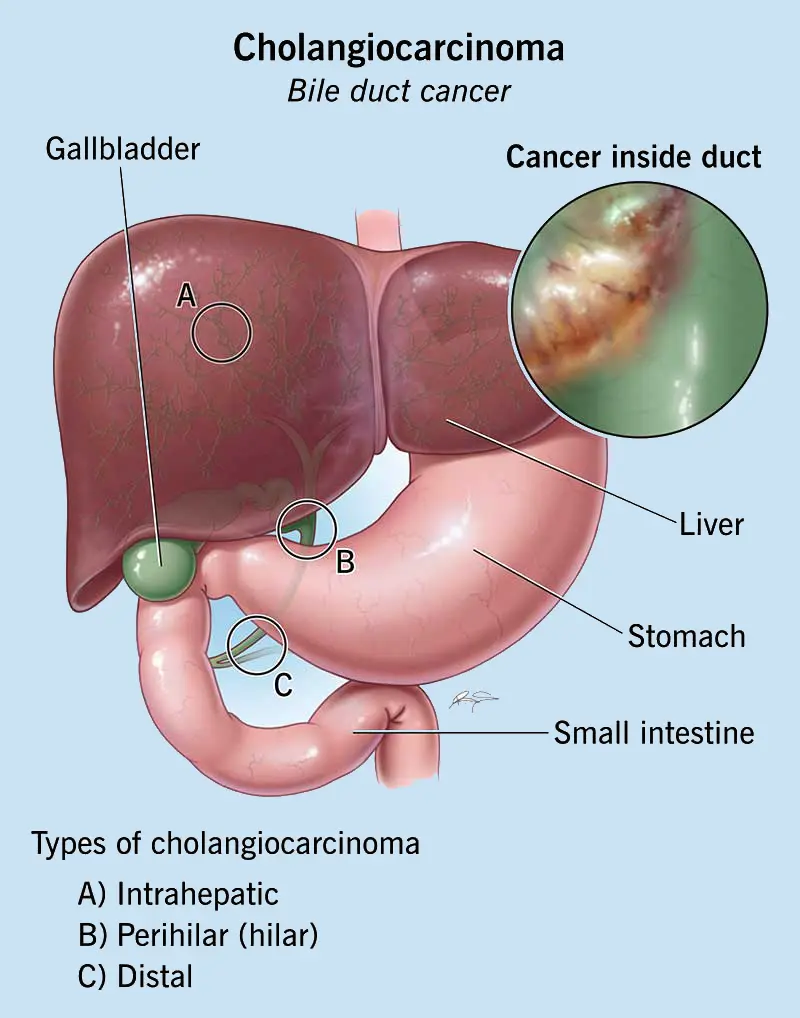
Cholangiocarcinoma, also known as bile duct cancer, is a rare and aggressive cancer that develops in the bile ducts, which carry bile from the liver to the gallbladder and small intestine. It can arise inside the liver (intrahepatic), at the junction where bile ducts exit the liver (perihilar), or outside the liver (distal). Cholangiocarcinoma often progresses silently in its early …

Bicuspid Aortic Valve

admin

Bicuspid aortic valve is a congenital heart condition in which the aortic valve has two leaflets instead of the normal three. The aortic valve controls blood flow from the heart’s left ventricle into the aorta, the main artery that supplies oxygen-rich blood to the body. Having two leaflets can affect how well the valve opens and closes. Many people with …

IgA Nephropathy (Berger Disease)

admin

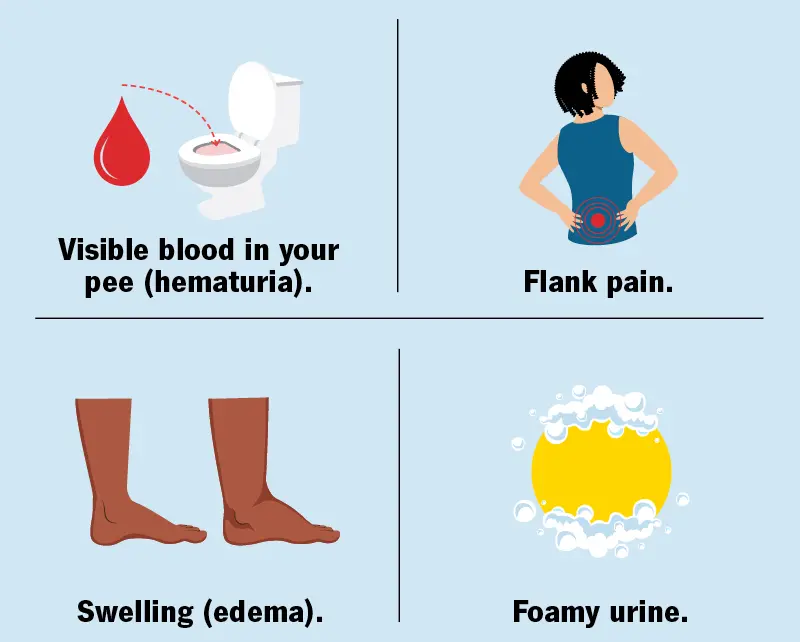
IgA nephropathy, also known as Berger disease, is a kidney disorder caused by the buildup of immunoglobulin A (IgA) antibodies in the glomeruli, the filtering units of the kidneys. This accumulation leads to inflammation and can impair the kidneys’ ability to filter waste from the blood. IgA nephropathy is one of the most common causes of glomerulonephritis worldwide and can …

Benign Prostatic Hyperplasia (BPH)

admin

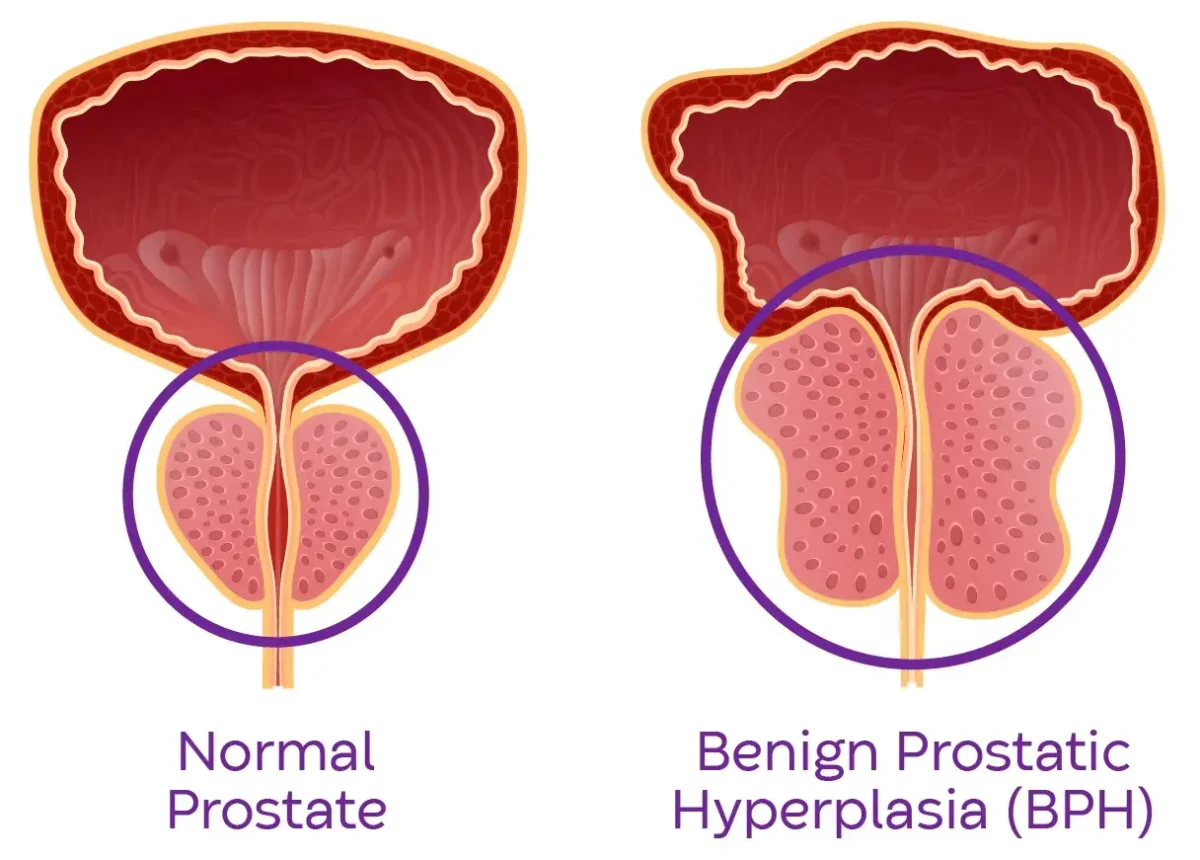
Benign prostatic hyperplasia, commonly known as BPH, is a noncancerous enlargement of the prostate gland. The prostate is a small gland located below the bladder and surrounds the urethra, the tube that carries urine out of the body. As the prostate enlarges, it can press against the urethra and affect normal urine flow. BPH is a common condition in aging …

Benign Peripheral Nerve Tumor

admin

Benign peripheral nerve tumors are noncancerous growths that develop from the cells surrounding or forming peripheral nerves. Peripheral nerves connect the brain and spinal cord to the rest of the body and are responsible for movement, sensation, and autonomic functions. These tumors grow slowly and do not spread to other parts of the body. Common types include schwannomas and neurofibromas. …